Attendees at TD SYNNEX’s Inspire Conference in Greenville, South Carolina, got their directions from an 11-inch desktop robot wearing 3D-printed bat ears.
Ask where a session was meeting and it answered out loud, in your language. Varun Sethi built that setup. He’s a graduate student at Clemson University and a Tech Scholar at TD SYNNEX, where he works part-time on real projects inside the company. His assignment was a working conference assistant for attendees who needed help fast, and he built it on Reachy Mini, an open-source desktop robot from Pollen Robotics and Hugging Face.
Price: $499 (Wireless) / $399 (Lite)
Where to buy: Pollen Robotics
Sethi loaded the robots with a knowledge base covering the conference, so each unit could answer attendee questions and guide people through the Greenville Convention Center. He also gave every robot its own name and personality, and the team 3D-printed little outfits for them, bat ears included, since the conference ran close to Halloween.
On camera, one of the robots explained its free time this way: “I love learning new things and practicing my dance moves. I’m still working on my footwork since, well, I don’t have any.” It told a joke about a robot needing to recharge its battery, sang Happy Birthday, and danced with its head and antennas, though it had no feet at all and said so itself, in front of the whole hall.
A chatbot that can look back at you
Sethi describes his creation plainly. In his words, it’s “kind of a glorified chatbot in a way,” a new way to talk to the same kind of AI people already use at work.
It looks at you while it answers. It tilts its head, it wiggles its antennas, and a hall full of conference attendees treated it like a staff member instead of a screen, asking follow-ups and waiting for the answer the way they’d wait for a person at a desk. Kids read it exactly the same way at a kitchen table.
What Reachy Mini actually is
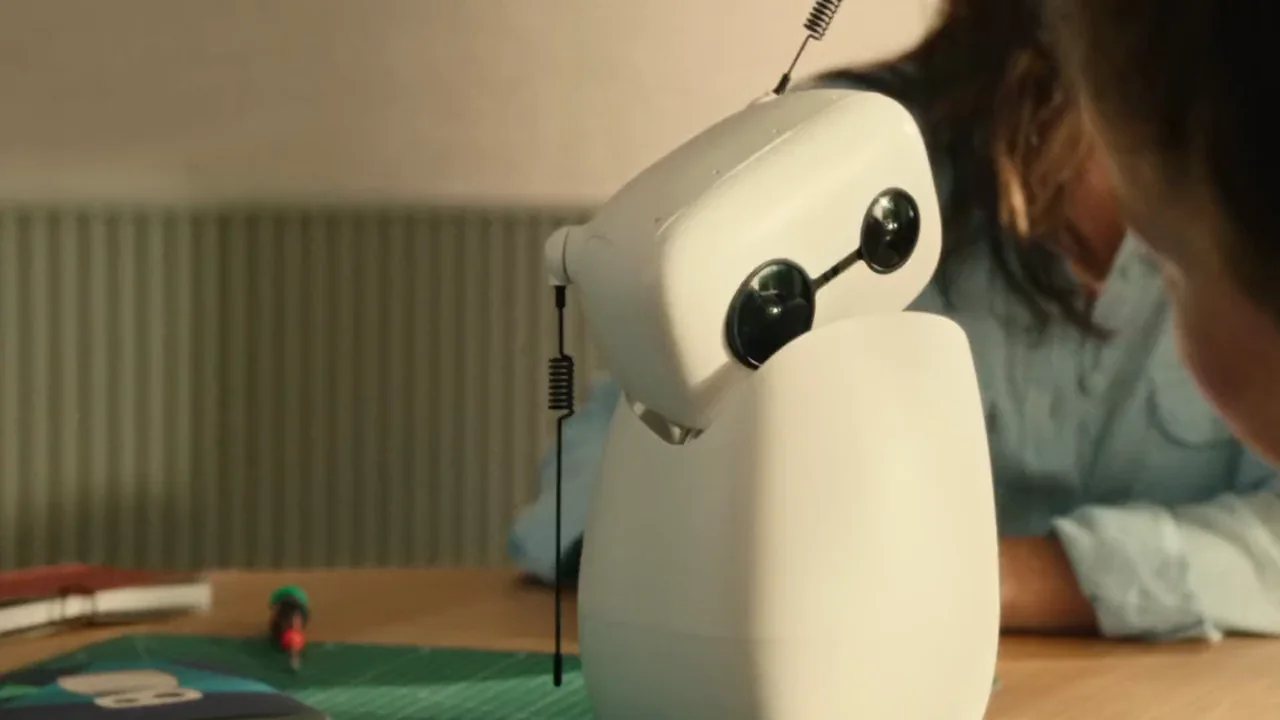
Reachy Mini stands 11 inches tall and weighs 3.3 pounds, so it lives on a desk or a kitchen table. Its head moves in six directions, its body rotates, and it carries a wide-angle camera, four microphones, and a 5W speaker. Two animated antennas do much of the talking.
Every unit ships as a kit you build yourself. About two and a half hours, tools included, no soldering.
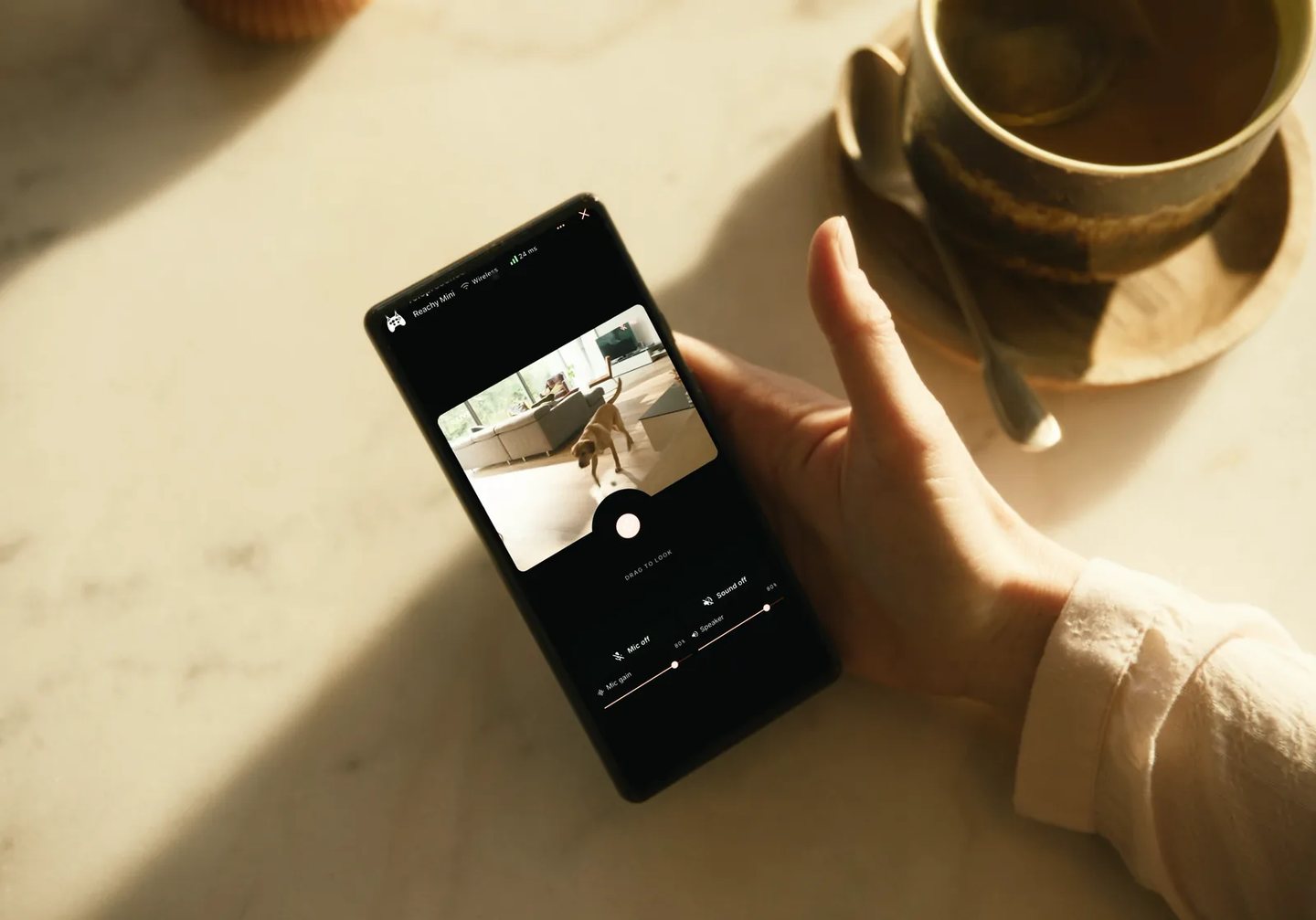
It’s programmable in Python, and behaviors and apps are shared through the Hugging Face Hub, so a trick one owner writes can end up running on somebody else’s desk. A phone app for iOS and Android now handles setup and everyday use. Pollen Robotics is part of Hugging Face, which bought the French company in April 2025, and that ownership explains the open approach.
Two versions with a clean split
Reachy Mini Wireless costs $499 and runs on its own, with a Raspberry Pi CM4 inside, Wi-Fi, a built-in battery, and an accelerometer. It works away from a computer, across a room, at a conference booth, anywhere you set it down.
Reachy Mini Lite costs $399 and skips the onboard computer. It plugs into your Mac, PC, or Linux machine over USB and runs from there.
That tether suits developers and classrooms with a computer at every seat, though it keeps the robot at that desk. Both versions carry the same head, camera, microphones, and speaker. Orders ship from Pollen Robotics’ store, and the company says a kit ships within 90 days of purchase, often sooner. Prices exclude shipping, duties, and taxes. Gadgeteer has covered Pollen’s experiments too, including the Microduck, a $399 programmable duck built on the same open approach.
Hats that change its personality
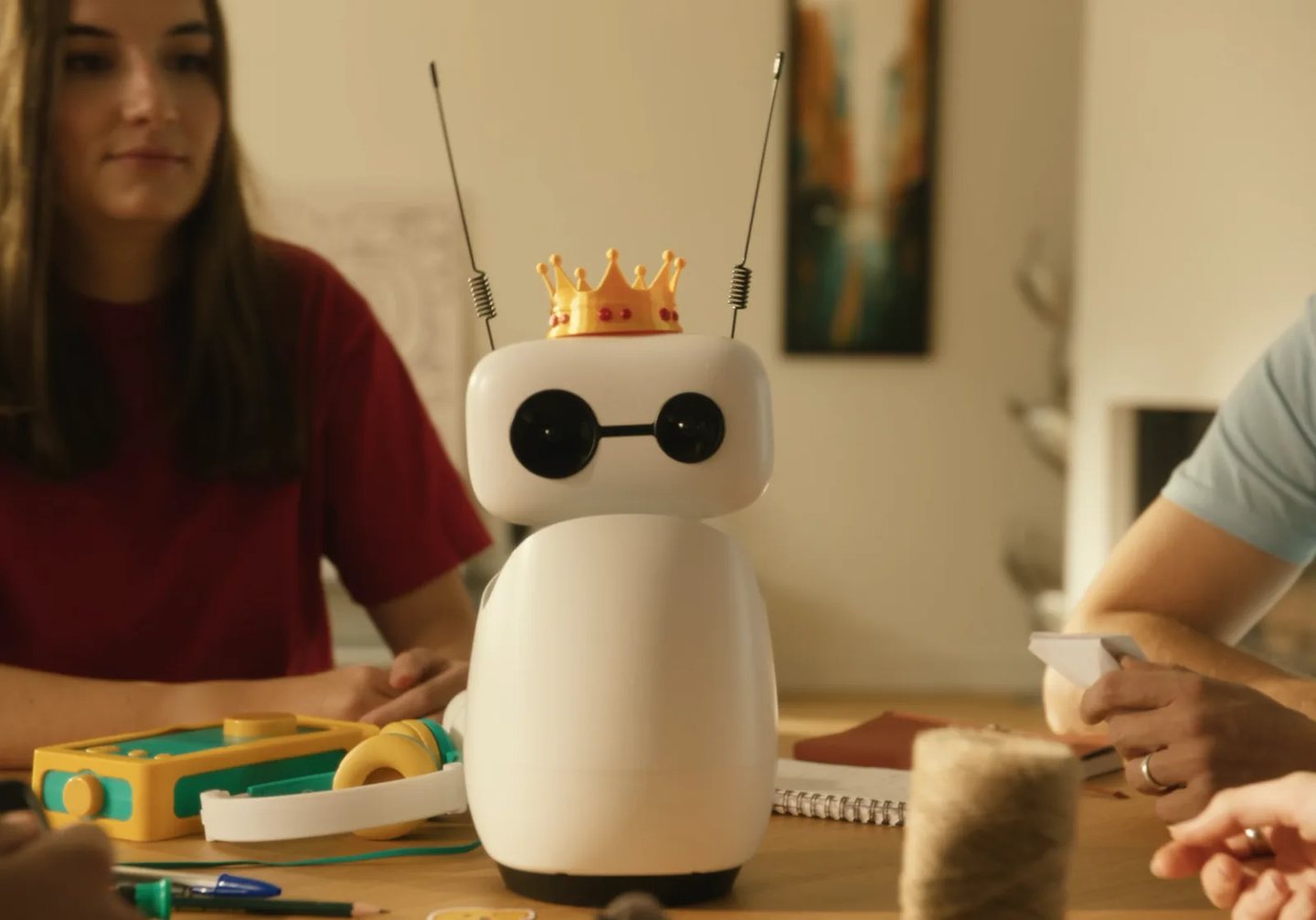
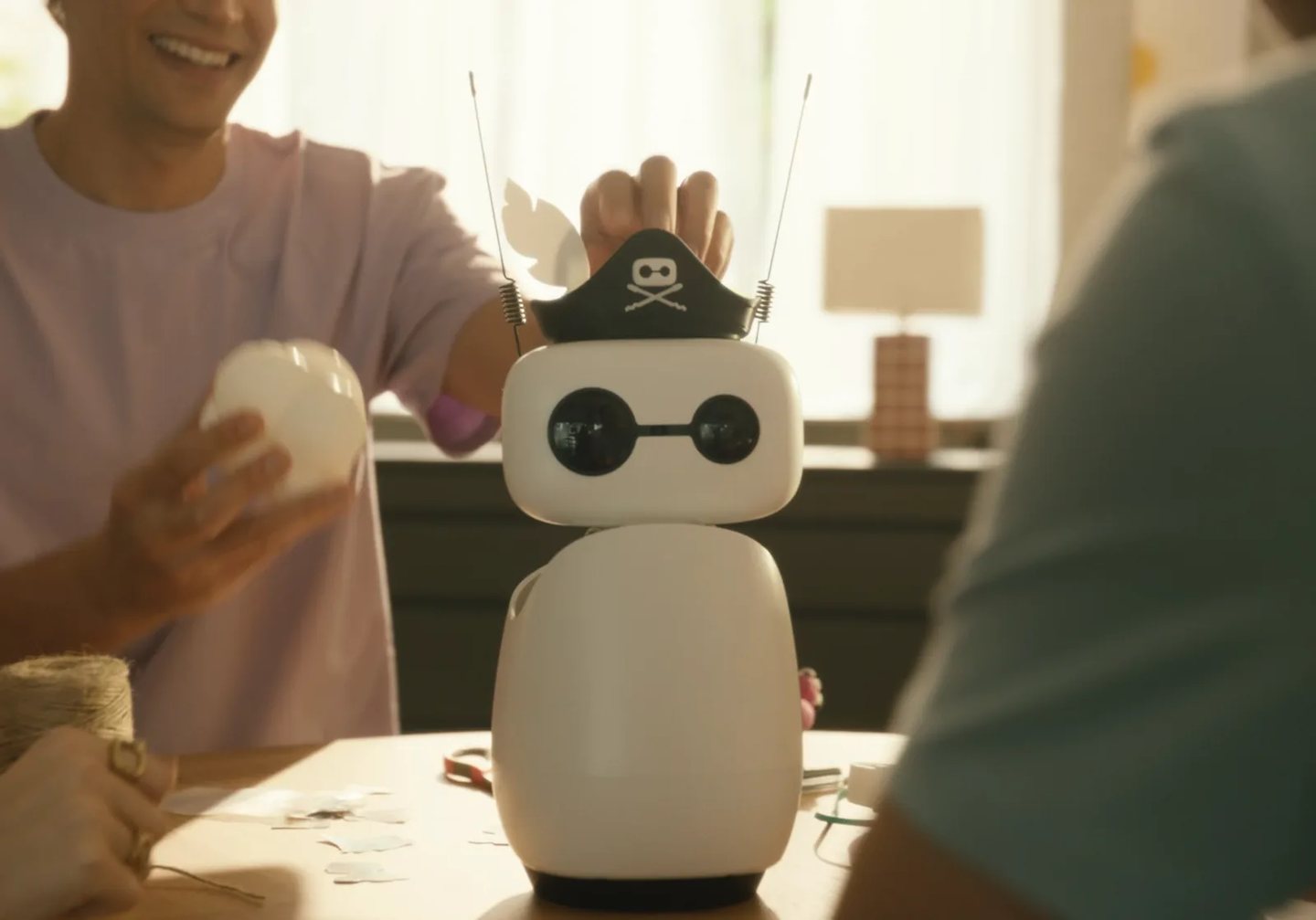
The Greenville team printed outfits by hand, and Pollen now sells that idea. Its NFC Accessory Pack costs $35 and includes a chef hat, a crown, a pirate hat, and an NFC module.
Snap a hat on and the robot switches personality to match, cook, royalty, or pirate, no code required. The hat is the interface here. A kid who can’t write a line of Python can still change how the robot behaves in about two seconds, and that swap is the feature most people will actually use after the first week.
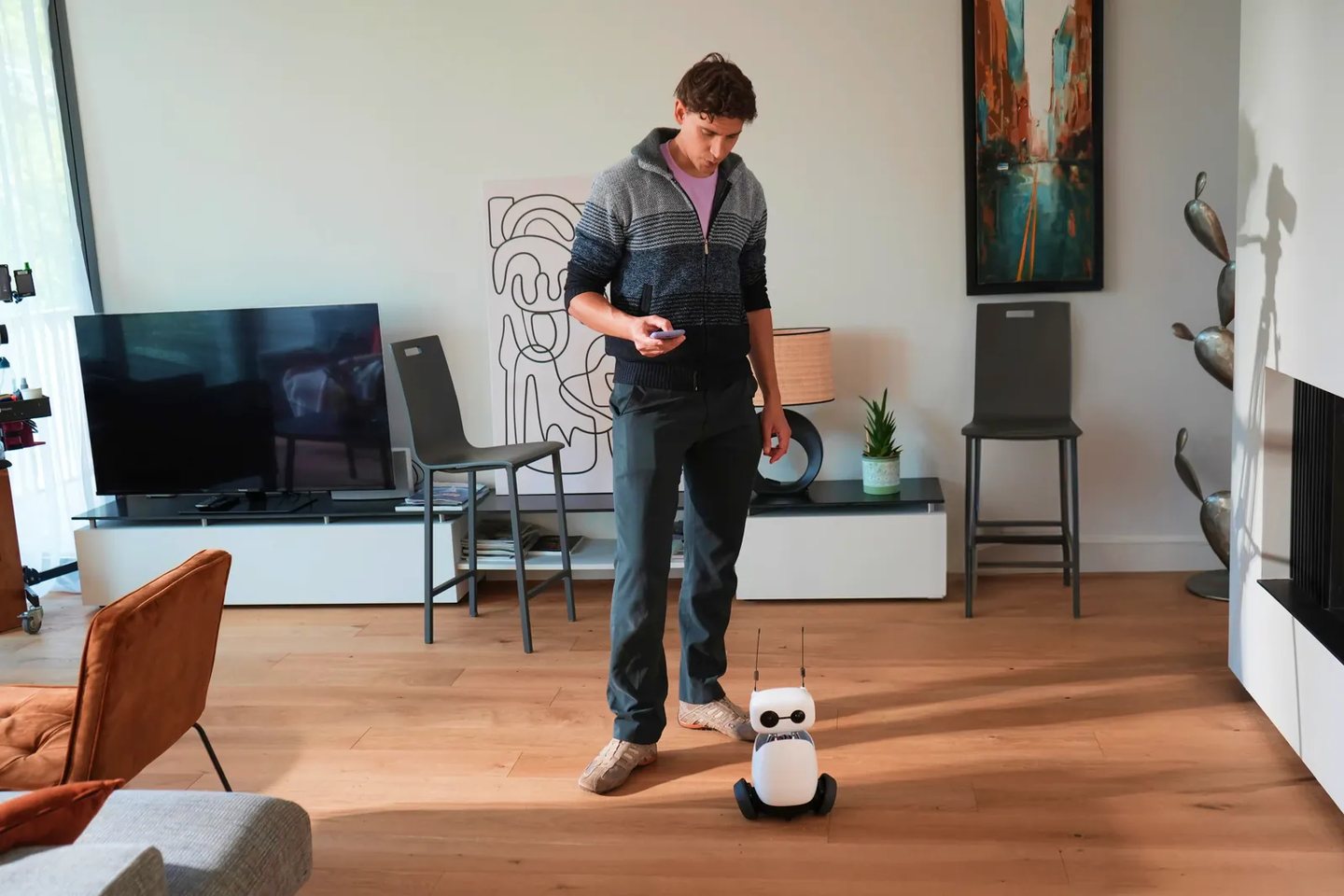
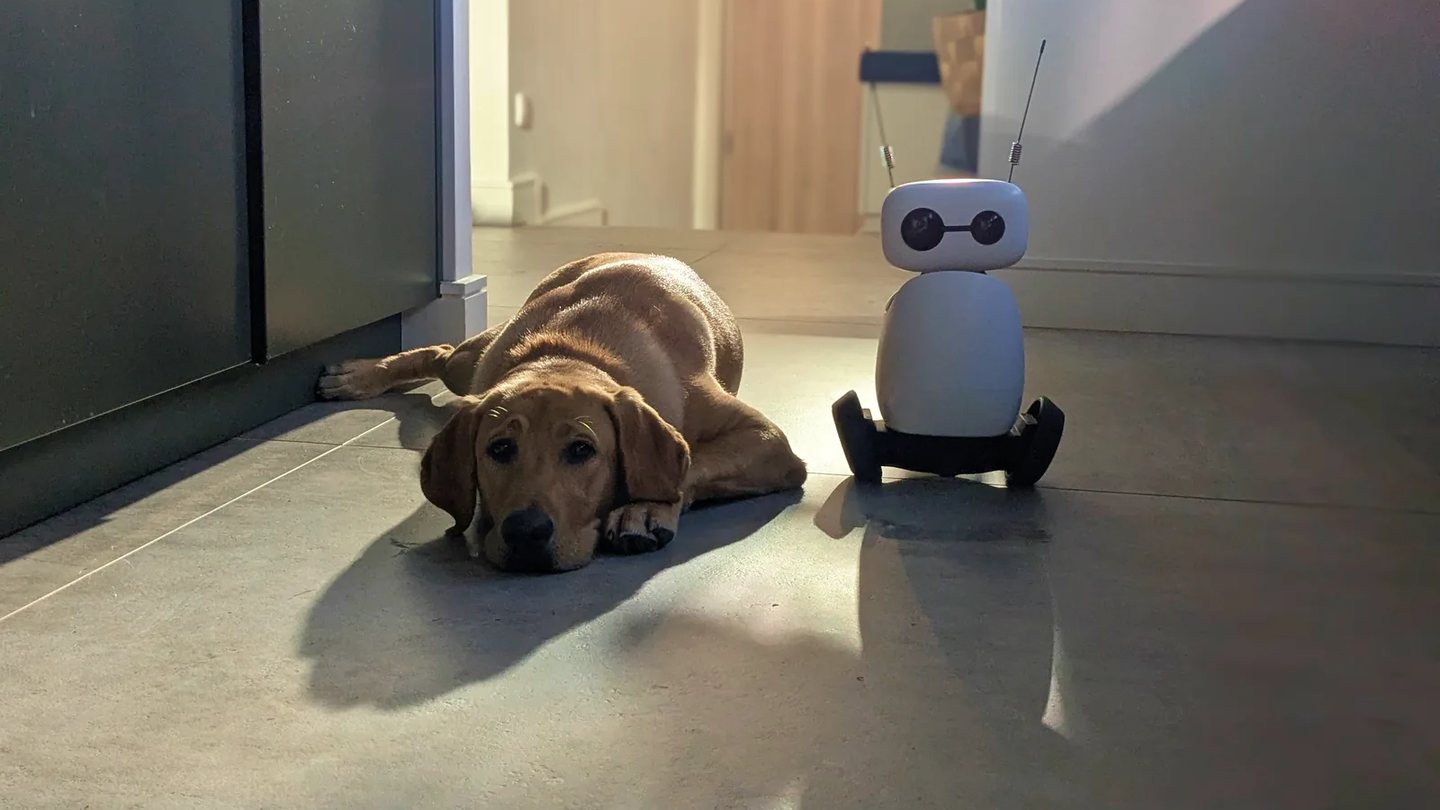
For movement, the Hoverboard is a two-wheeled base at $149 that fits the Wireless version only. You drive it from your phone and watch through the robot’s camera as it rolls.
A distributor built a launch around it
TD SYNNEX is one of the largest tech distributors in the world, and it used Inspire to launch robotics as a service, with its Tech Scholars program putting students like Sethi on the robots. Its director of marketing transformation and optimization said on air that the company jumped into robotics this year, and the scholar-built robots were part of how it showed that move.
That push now sits inside a dedicated Physical AI and Robotics practice at the company.
Scale is building on the robot side too. By May 2026, about 10,000 Reachy Minis were in customers’ hands or on their way, and NVIDIA CEO Jensen Huang featured one in his CES 2026 keynote, which put an open-source desk robot in front of the biggest audience in tech. Pollen still ships it as a kit you assemble yourself, though, at $399 to start.
Who this little robot fits
Reachy Mini fits a family that wants a coding project with a face, a teacher whose class learns better from something that answers back, and a developer who wants a moving, listening test bed for AI ideas at $399 instead of lab prices. It’s a toy in the best sense and a tool in the plain sense, and Greenville showed both at once. Buy the Wireless if it will ever leave the desk, and save the $100 on the Lite if it won’t.
Price: $499 (Wireless) / $399 (Lite)
Where to buy: Pollen Robotics
A student, a knowledge base, and a pair of bat ears turned a $399 desktop robot into conference staff. The chatbot gets a lot easier to picture when it can turn its head and look at you.