
Buying a PlayStation headset is becoming less about whether you want wireless audio and more about how many premium features you actually need. Sony’s existing Pulse Elite already offers planar magnetic drivers, PlayStation Link, simultaneous Bluetooth connectivity, AI-assisted microphone noise rejection, and up to 30 hours of rated battery life.
Price: TBD
Where to Buy: Sony
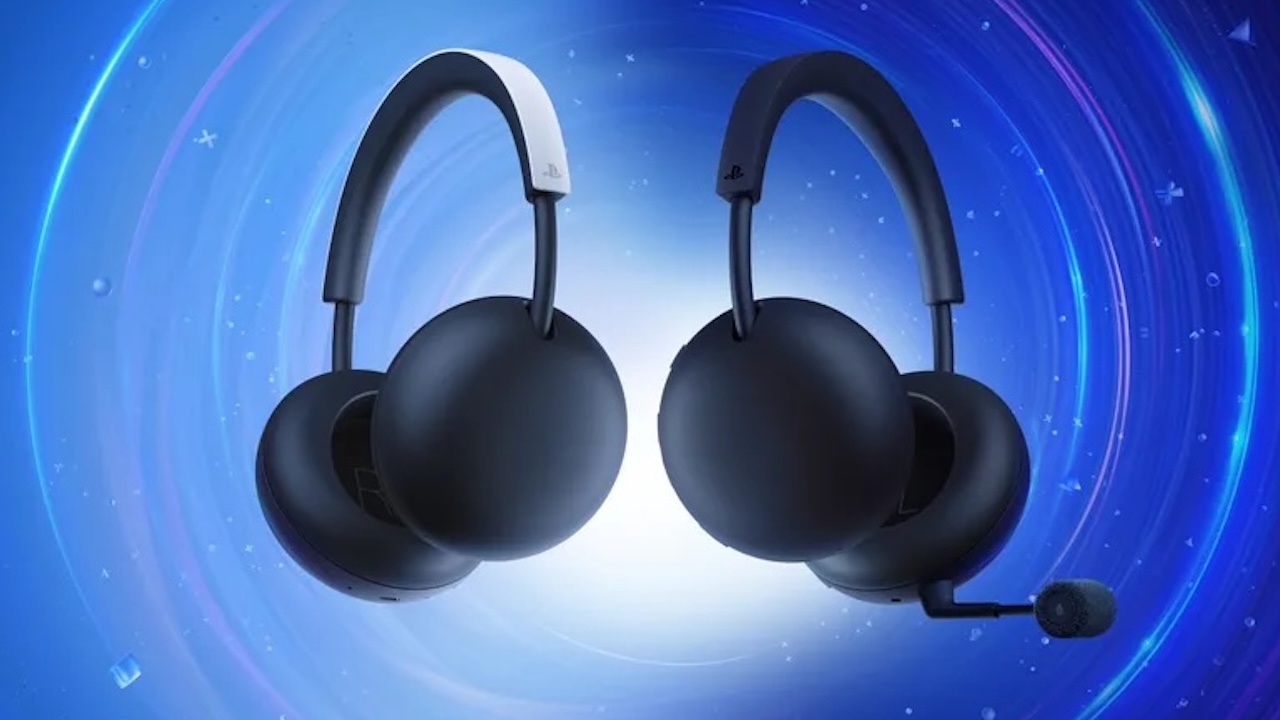
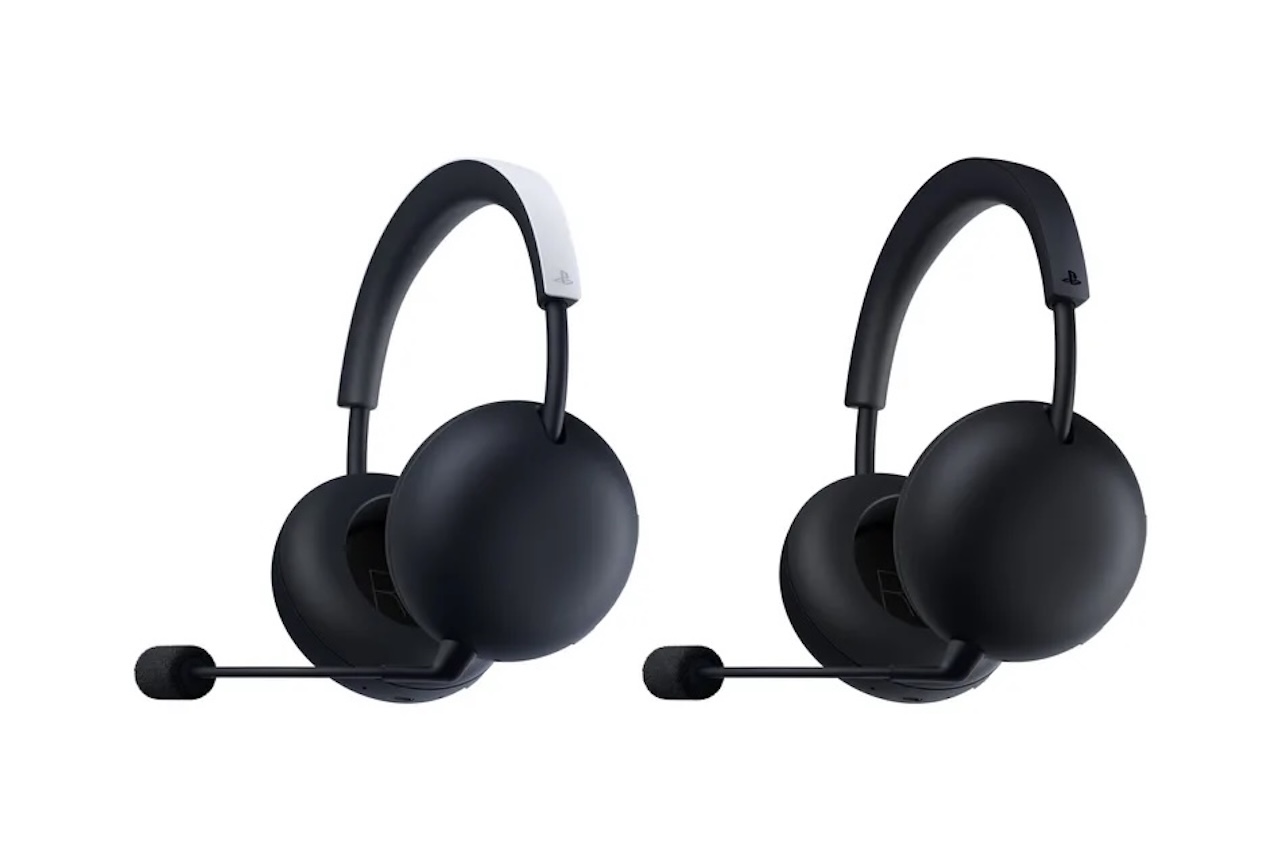
Sony’s newly announced PlayStation Pulse and Pulse Edge wireless headsets divide that formula into two clearer tiers. Both use larger planar magnetic drivers and Sony’s PlayStation Link system, while Pulse Edge adds active noise cancellation, a higher-magnet driver design, extra controls, and a detachable boom microphone.
Sony says PlayStation Pulse will begin launching in select markets during the 2026 holiday season, while Pulse Edge follows in early 2027. Pricing, preorder dates, exact launch dates, and battery-life figures have not yet been announced.
Planar magnetic drivers become the foundation
Pulse Elite introduced planar magnetic drivers to Sony’s wireless PlayStation headset lineup in 2024. Rather than keeping that technology tied to an Elite model, Sony is now putting custom planar magnetic drivers in both new headsets.
 Sony says the drivers are larger than those used in Pulse Elite and are designed to produce fuller, deeper bass while preserving detail and separation. The company also claims improved spatial accuracy can make directional sounds, including footsteps and reloads, easier to locate.
Those are performance claims rather than independent findings. Retail units have not yet been independently tested in meaningful numbers, so it would be premature to say either headset delivers better bass, imaging, or overall sound than Pulse Elite.
What is confirmed is the hardware direction: Sony is making planar magnetic drivers the starting point for both new models rather than reserving them for the more expensive option.
PlayStation Link remains central
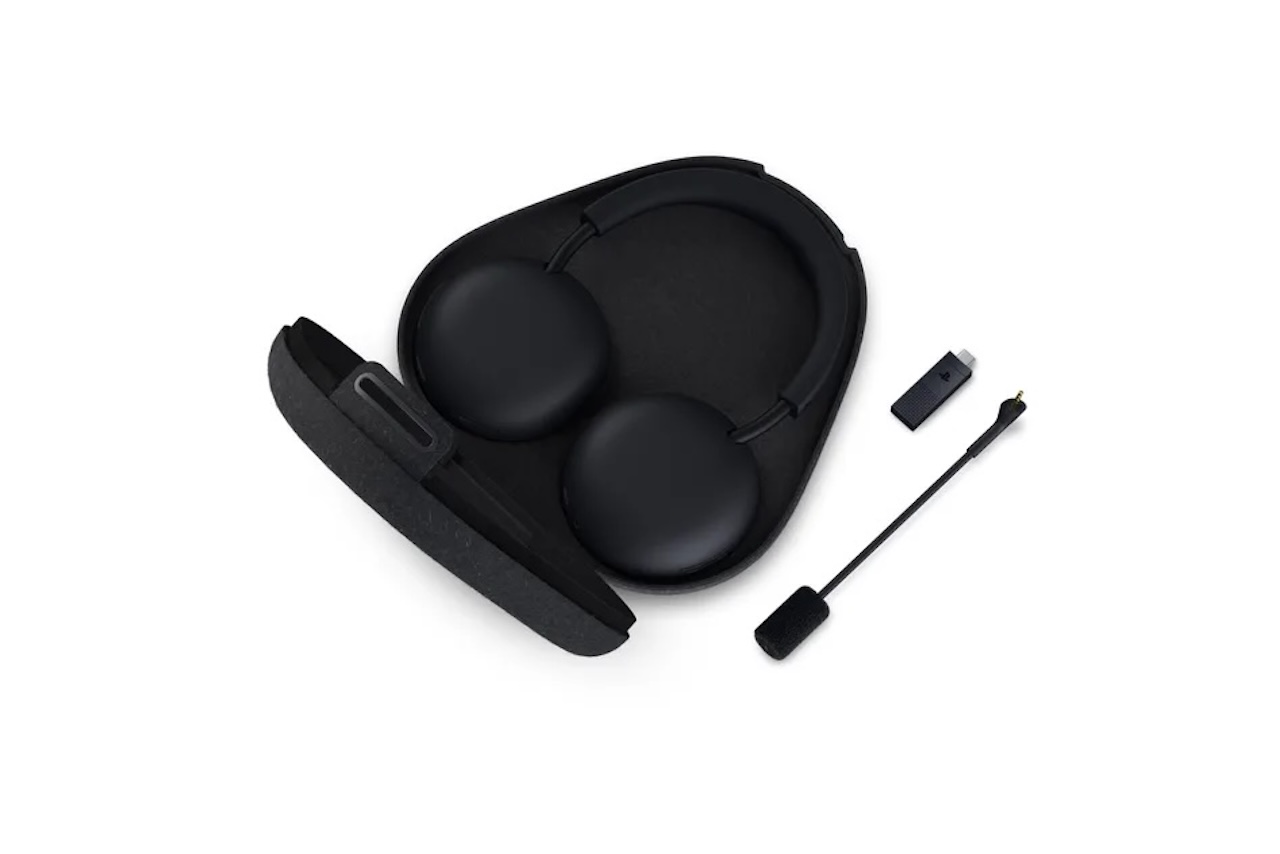
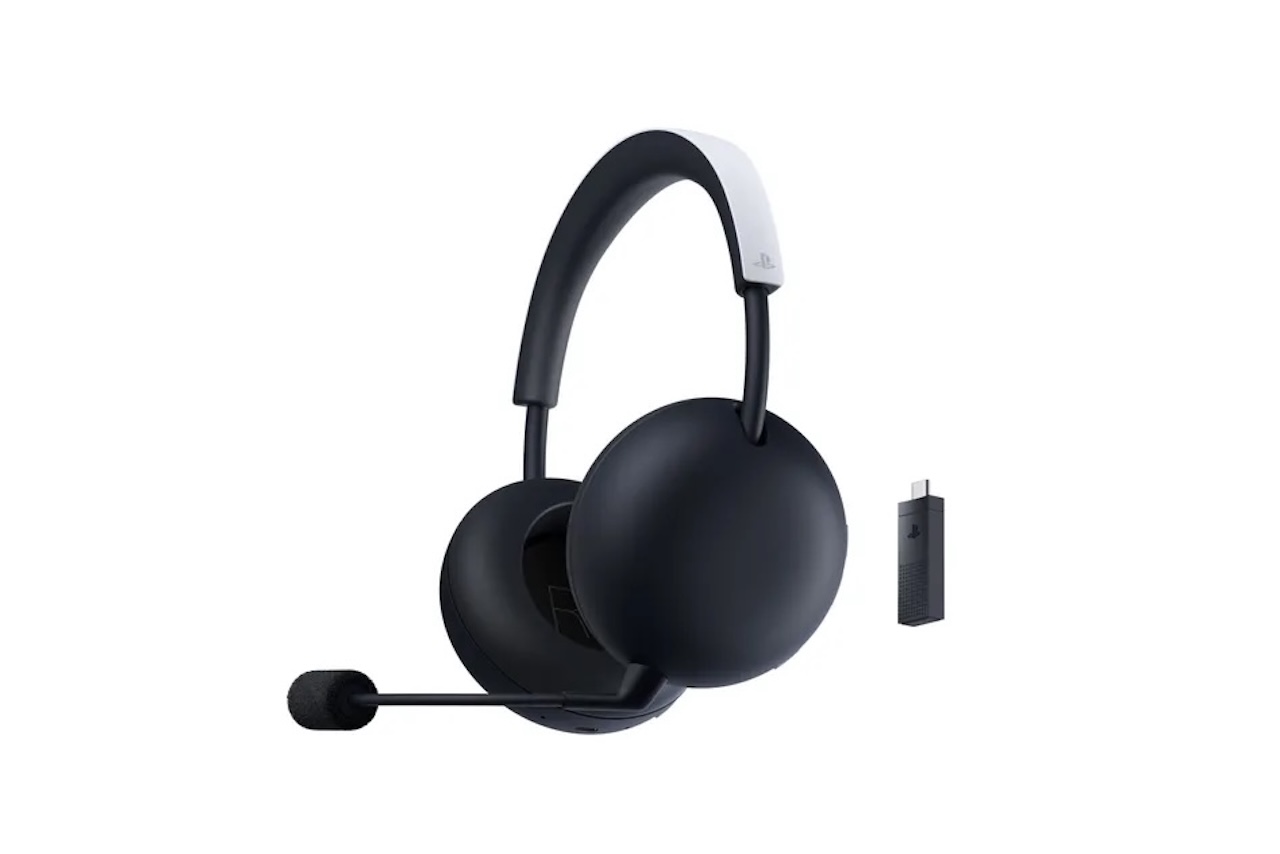
Both headsets support PlayStation Link and include a USB-C PlayStation Link adapter. Sony says the system provides lossless, ultra-low-latency wireless audio and works with supported PS5 consoles, PlayStation Portal, PCs, and Macs.
Bluetooth can operate alongside PlayStation Link, allowing another compatible device to remain connected at the same time. That feature already exists on Pulse Elite, so it is better viewed as an important carryover than a new capability.
Both new models also use microphones with AI-enhanced noise rejection. Sony says the processing is designed to filter background noise during chat, but microphone quality will need independent testing before we can say either headset improves on Pulse Elite.
 The standard Pulse covers most essentials
The regular PlayStation Pulse uses four magnets per planar driver. It also has an integrated microphone, built-in volume controls, PlayStation Link, Bluetooth connectivity, and Sony’s AI noise-rejection processing.
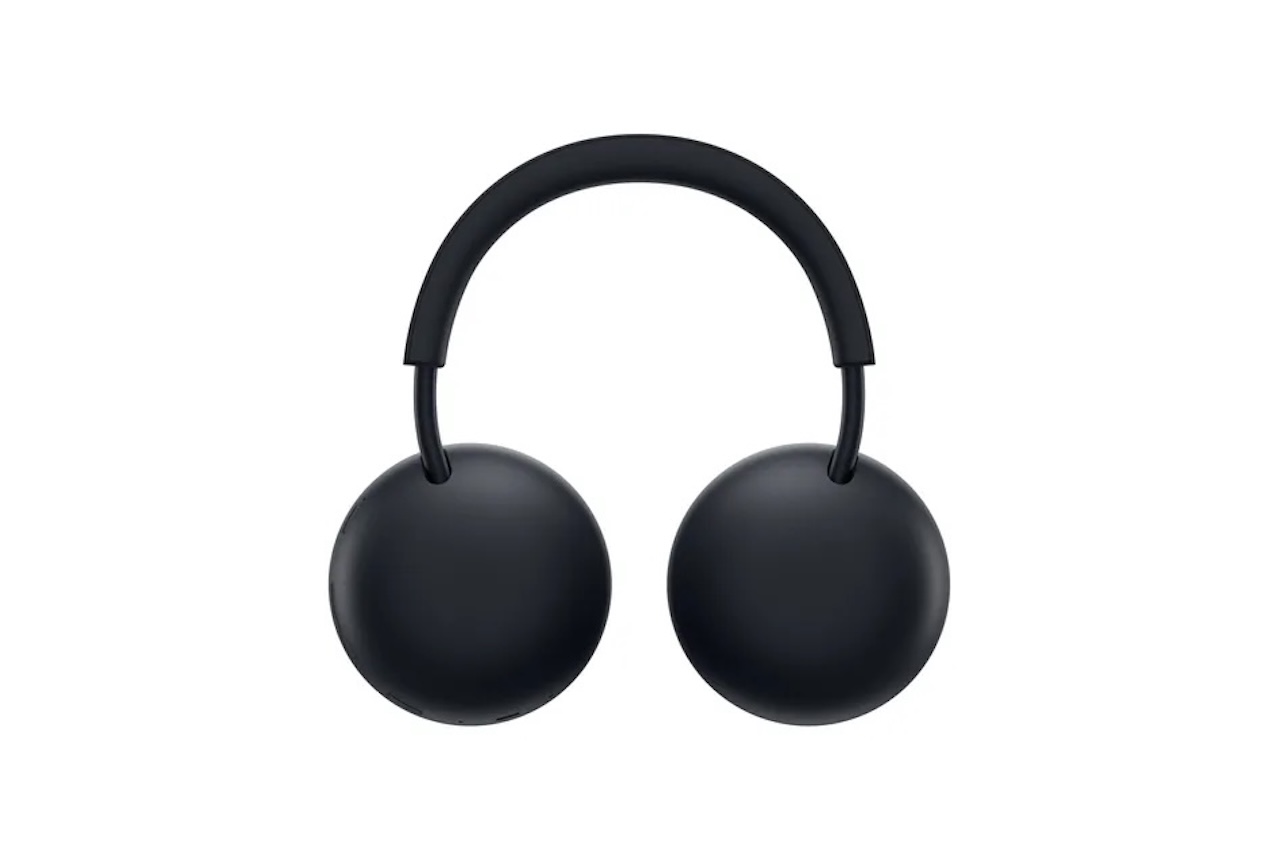
Sony has redesigned the physical form as well. Both new headsets have rotating earcups so they can lie flat for storage or transportation, and Sony says the revised construction is intended to improve comfort and durability.
Comfort is one area where specifications cannot settle the question. Sony has not published weight or detailed fit measurements, and there has been no meaningful long-term testing of production hardware yet.
For buyers, the standard Pulse looks designed to cover the core PlayStation headset experience without charging for features such as ANC or a detachable boom microphone.
Pulse Edge creates a real premium tier
Pulse Edge uses eight magnets per planar driver instead of four. Sony says it has twice the number of magnets per planar driver as the standard Pulse, a design it associates with richer, deeper bass while retaining detail. The physical difference is confirmed, but the size of the audible improvement remains unknown.
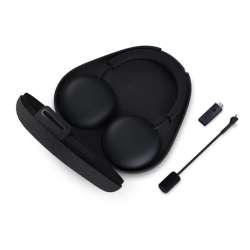
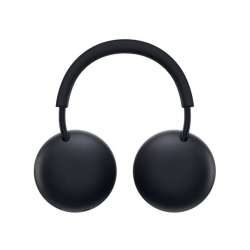
The Edge also adds active noise cancellation, giving players a way to reduce persistent background noise. That could be particularly useful in shared rooms or noisy households, although Sony has not provided measurements that would tell us how effective its ANC actually is.
Microphone hardware changes too. Pulse Edge includes a detachable boom mic with AI noise rejection, plus a hidden microphone that can continue handling chat after the boom is removed.
Other Edge-only extras include built-in game and chat balance controls for PS5, an audio/microphone jack, premium materials, and a carrying case. Those additions make it more than simply the standard Pulse with ANC added.
Battery life is still unknown
Sony has not announced battery-life figures for either new model. That omission matters because Pulse Elite is officially rated for up to 30 hours, with a 10-minute charge providing up to two additional hours.
The comparison will be particularly important for Pulse Edge because active noise cancellation consumes additional power in most wireless headsets. Until Sony publishes runtime figures, we cannot know whether the Edge matches, beats, or falls behind Pulse Elite in endurance.
 Who should watch these headsets?
The standard Pulse is the simpler choice for players who want planar magnetic drivers, PlayStation Link, simultaneous Bluetooth, and AI-assisted microphone processing without premium extras.
Pulse Edge adds ANC, eight magnets per driver, a detachable boom mic, game/chat balance controls, extra connectivity, and a carrying case, features aimed at players who want greater isolation and control.
Pulse Elite owners can wait. It already offers planar magnetic drivers, PlayStation Link, Bluetooth, a retractable mic, and up to 30 hours of battery life. Pricing will determine whether either new model is a compelling upgrade.
Price: TBD
Where to Buy: Sony
For players using older PlayStation headsets, Sony’s strategy is clear: planar magnetic drivers are now the baseline, while Pulse Edge is the premium option for more features and flexibility.
