
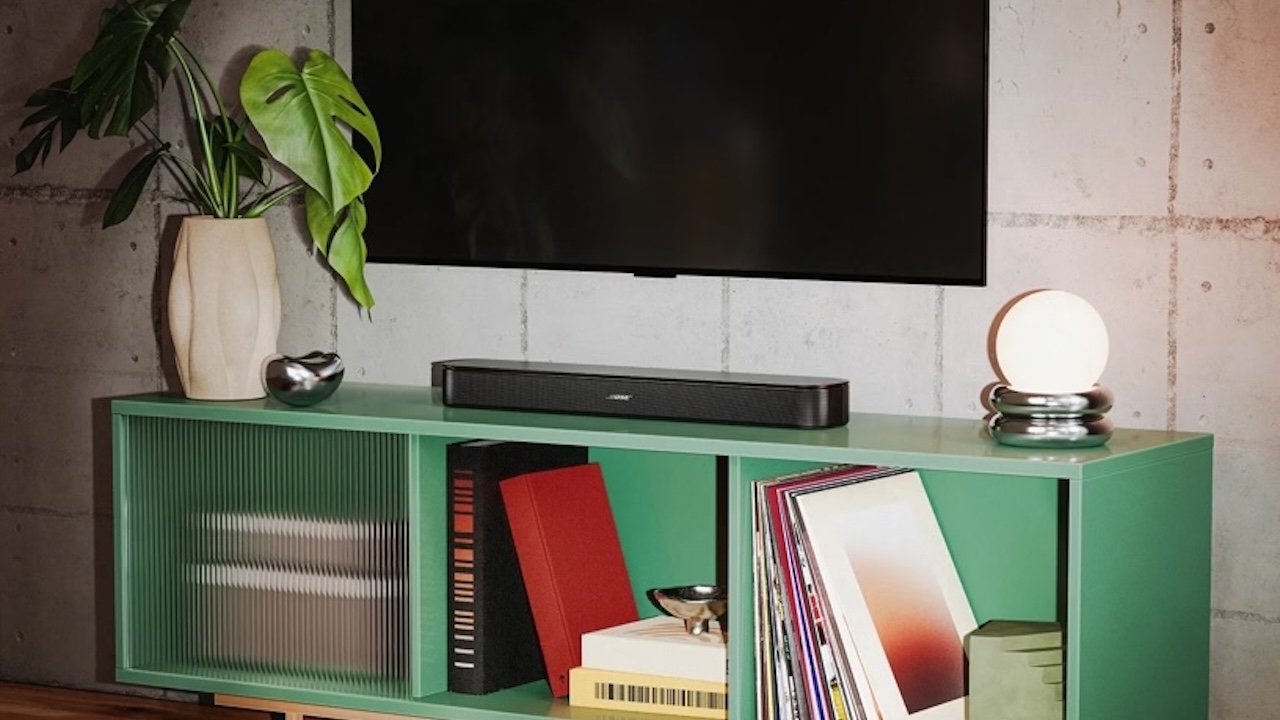
Modern TVs keep getting thinner, but that leaves very little room for speakers. The result can be a familiar frustration: music and effects are loud enough, yet dialogue still gets buried, so you turn up the volume for conversations and scramble to lower it when the action starts.
Price: $299
Where to Buy: Bose
The $299 Bose TV Speaker (2nd Gen) is aimed directly at that problem. Instead of pretending a compact bar can replace a full Dolby Atmos setup, Bose keeps the formula simple: a three-driver design, a dedicated dialogue-focused mode, HDMI ARC, optical connectivity, Bluetooth, and a compact cabinet that can sit below most TVs.
This is also a relatively conservative second generation. Several headline features, including Dialogue Mode and Bluetooth playback, were already present on the original Bose TV Speaker. The changes are more about refining a straightforward TV-audio product than reinventing it.
Bose is still putting dialogue first
Inside the TV Speaker (2nd Gen) is a three-driver layout: two larger drivers and a center tweeter. Bose says the left and right drivers are angled to create a wider presentation, while the center tweeter is dedicated to speech. The system also decodes Dolby Digital.
The more important feature for its intended buyer is Dialogue Mode. Pressing the dedicated button on the remote changes the sound processing to make voices more distinct and understandable. Bose describes the processing as separating vocals from background audio so speech is easier to follow.
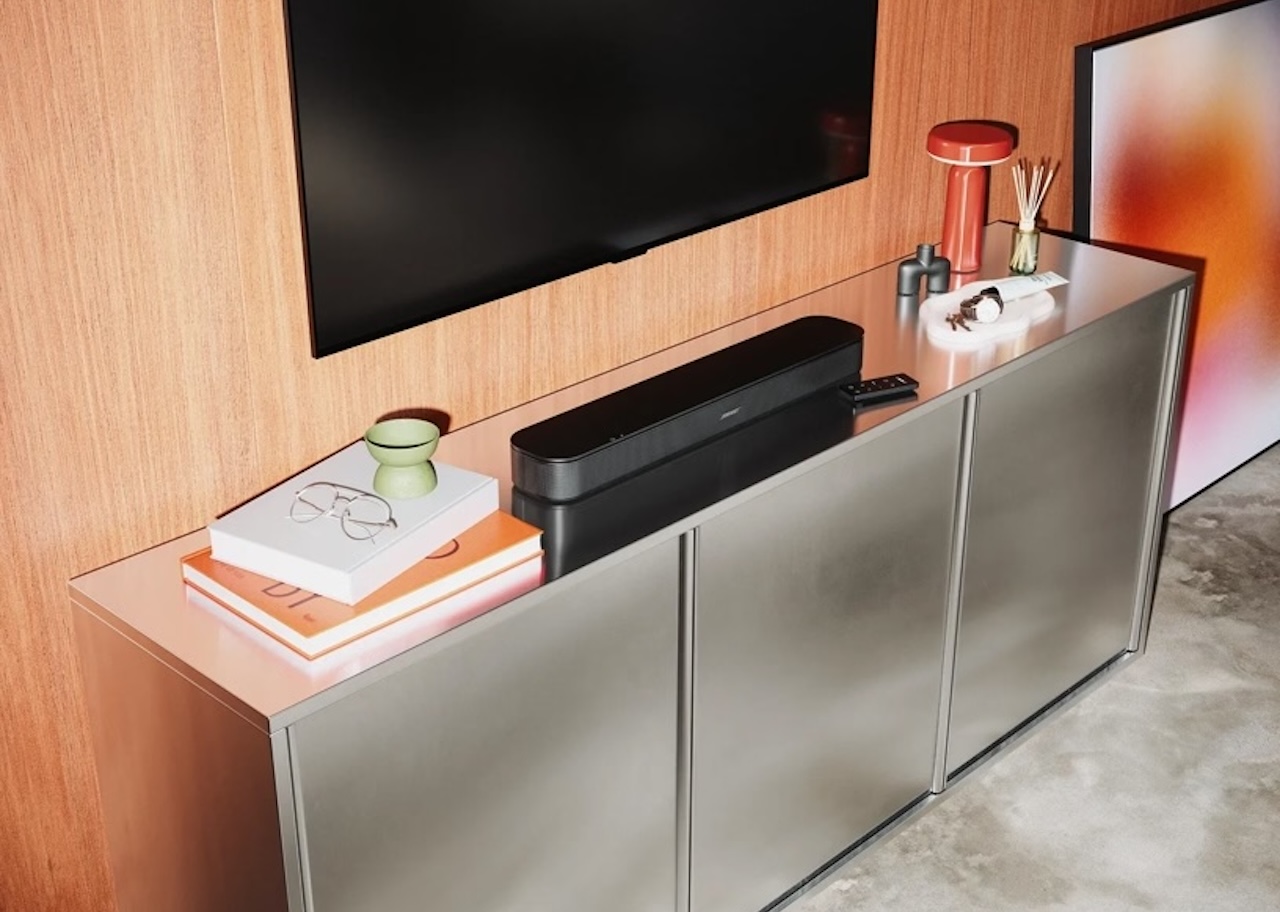 That is Bose’s claim, rather than evidence that every movie or TV program will suddenly become perfectly intelligible. Dialogue clarity depends on the mix, room acoustics, hearing, and how the TV or streaming service handles the source.
Still, the practical idea is easy to understand. If the main reason you are shopping for a soundbar is that you cannot comfortably follow conversations through your TV speakers, a dedicated speech mode could be more useful than paying for additional surround or height channels.
The second generation is more refinement than reinvention
Bose calls the new model a successor to the original TV Speaker and says it delivers improved acoustic performance and clarity. Until the two generations are independently tested side by side, that should remain a manufacturer performance claim rather than a conclusion about how much better the new speaker sounds.
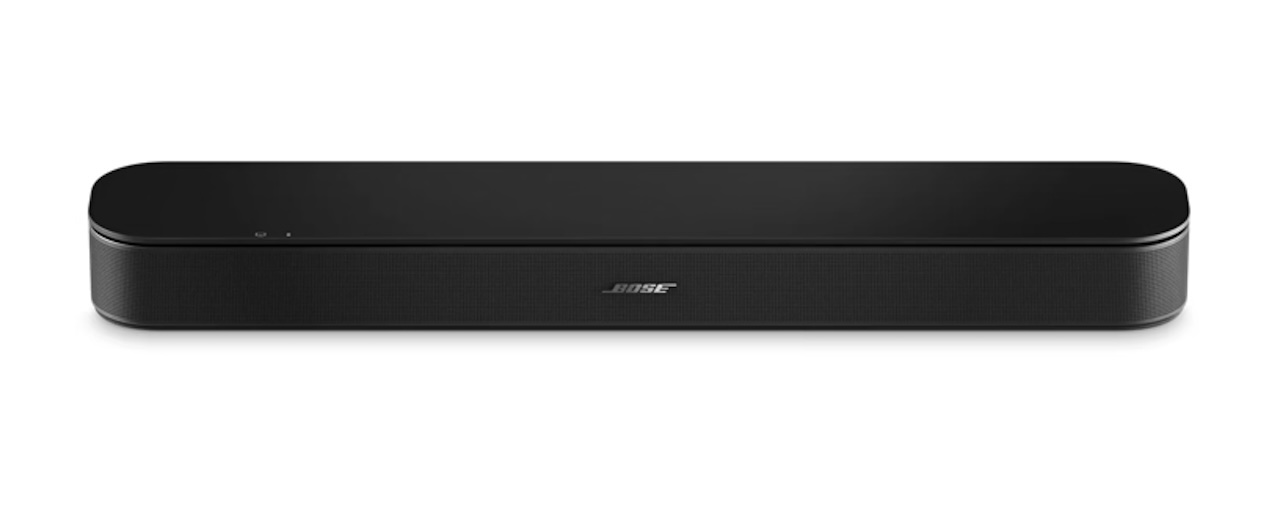
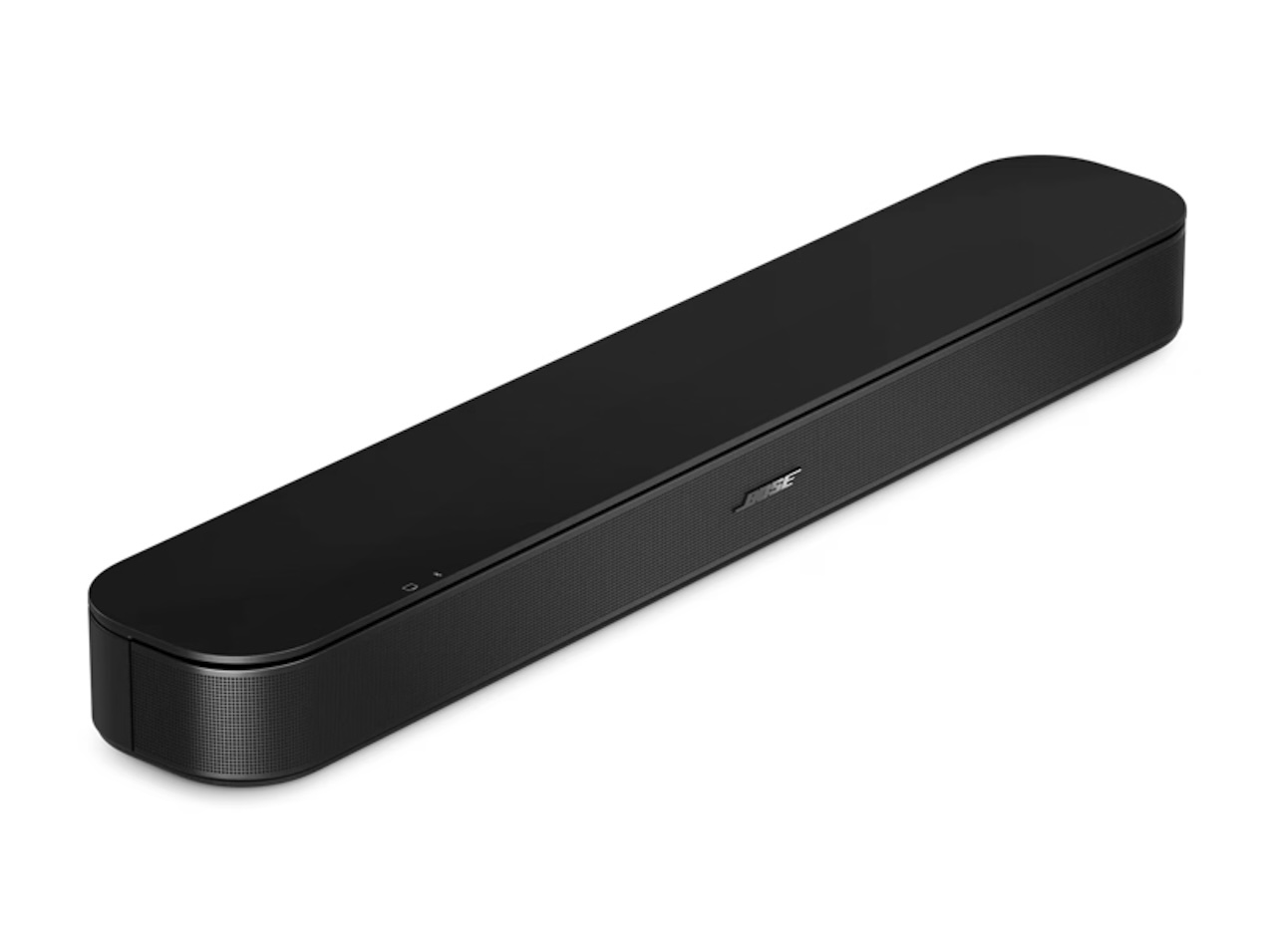
One change you can see immediately is the enclosure. Bose has refreshed the styling with softer, rounded edges while keeping roughly the same compact footprint. The new model measures about 23.4 inches wide, 2.2 inches high, and 4 inches deep, so it remains considerably smaller than many premium soundbars.
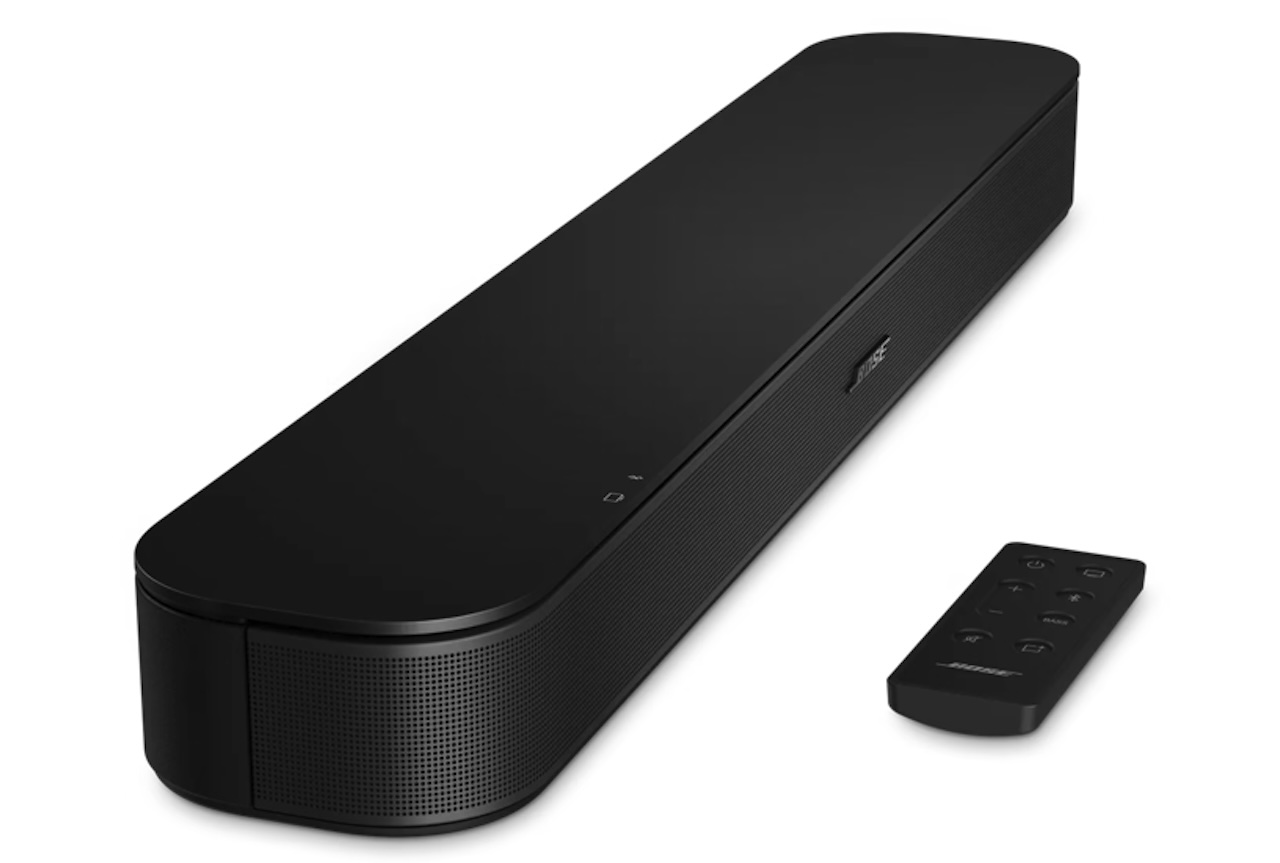 That size is part of the appeal. This is designed for someone who wants better TV sound without placing an enormous bar across a small media cabinet or rearranging the living room.
It is important not to overstate what has changed, though. The original TV Speaker already offered Dialogue Mode, Bluetooth, HDMI ARC, optical input, and adjustable bass. The 2nd Gen should therefore be viewed as a refresh of an existing idea, not as a completely new category of Bose soundbar.
Bose now puts the HDMI cable in the box
One modest upgrade could make the biggest day-one difference. Bose now includes an HDMI cable with the TV Speaker (2nd Gen), whereas the original shipped with an optical cable instead.
Bose recommends connecting the new speaker to a TV’s HDMI ARC or eARC port. HDMI-CEC support means a compatible TV remote can control soundbar volume and power, reducing the need to keep another remote nearby for basic viewing.
 An optical connection remains available for older TVs, although Bose does not include that cable this time. Using optical can also mean losing the automatic HDMI-CEC control available through ARC, so owners may need to program another remote separately.
That makes HDMI more than a convenience on the spec sheet. For a product explicitly sold on simplicity, including the cable most buyers will want to use removes one extra purchase and one potential setup headache.
It can handle music and more bass, but it is not a smart soundbar
Bluetooth lets the TV Speaker (2nd Gen) double as a basic Bluetooth speaker for casual music listening, podcasts, or other audio from a phone, tablet, or computer. Bose quotes a wireless range of about 30 feet.
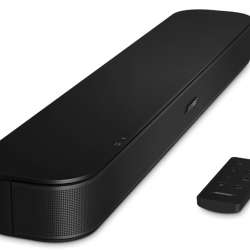
The included remote also provides adjustable bass, so users can raise or lower the low end rather than accepting a fixed tuning. If that still is not enough, Bose supports a wired connection to compatible Bass Module 500, Bass Module 700, Lifestyle Ultra Subwoofer, and certain older Bose bass modules.
What you do not get is equally important. Bose lists no microphone, and the company confirms that the speaker does not support voice assistants. Bose’s current soundbar catalog also separates this model from its Dolby Atmos-equipped smart soundbars.
That keeps the TV Speaker focused on being an uncomplicated audio upgrade rather than another smart device that needs to become part of your networked home.
 Who should buy the Bose TV Speaker (2nd Gen)?
At $299, the Bose TV Speaker (2nd Gen) is not the obvious choice for someone shopping by spec-sheet value. There are soundbars built around Dolby Atmos, app control, multiple channels, and more elaborate surround processing. Bose is asking buyers to value simplicity instead.
That makes the strongest buyer fit someone whose TV sounds thin or makes dialogue difficult to follow, but who does not want rear speakers, complicated setup, or a large soundbar taking over the room. The compact dimensions, HDMI ARC connection, Dialogue Mode, Bluetooth playback, and included remote all support that use case.
Owners of the original Bose TV Speaker have less reason to rush. Many of the core features carry over, and Bose’s claim of improved acoustic performance still needs independent comparison before it can justify an upgrade by itself.
Price: $299
Where to Buy: Bose
For someone coming directly from built-in TV speakers, however, the proposition is much clearer. The Bose TV Speaker (2nd Gen) is not trying to fake a full home theater under your TV. It is trying to make everyday TV easier to listen to, especially when the words matter more than the explosions.
Auto Amazon Links: No products found.
