
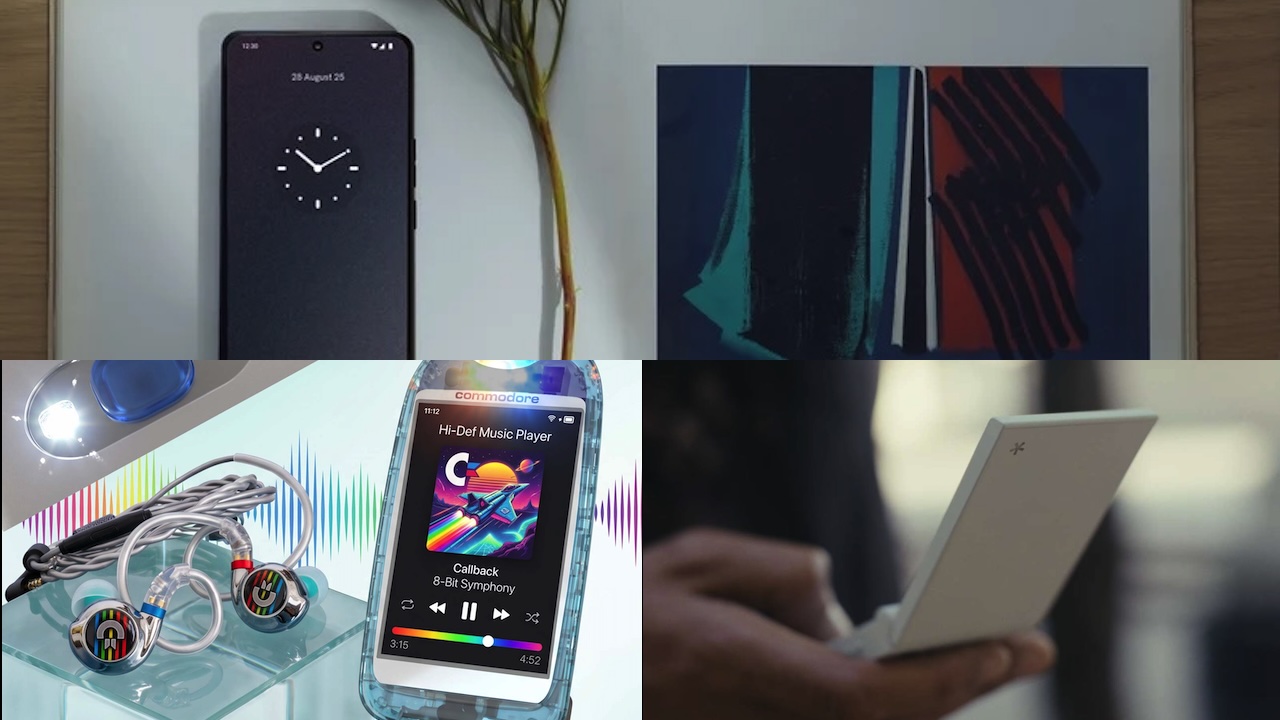
Smartphones are extremely good at solving problems, but they are just as good at creating one: every useful tool shares a screen with an almost unlimited supply of notifications, videos, feeds, and apps competing for your attention. The obvious solution is to use your phone less. The difficult part is sticking to that decision when every distraction remains one tap away.
That is why 2026’s new minimalist phones are more interesting than another collection of old-school dumbphones. These devices tackle distraction in different ways. Some physically block social media and web browsing. Others retain Android apps but make consumption less convenient through smaller displays, physical keyboards, simplified interfaces, or privacy controls.
All five were introduced in 2026, but their availability varies. Some are nearing release, while others are still available only as preorders or reservations. More importantly, they do not all define “minimalism” in the same way.
1. Light Flip: Minimalism Finally Gets a Lower Price
Minimalist phones have always had an awkward value problem. Asking someone to spend flagship-phone money on a device deliberately designed to do less can make a conventional smartphone look like the bargain.
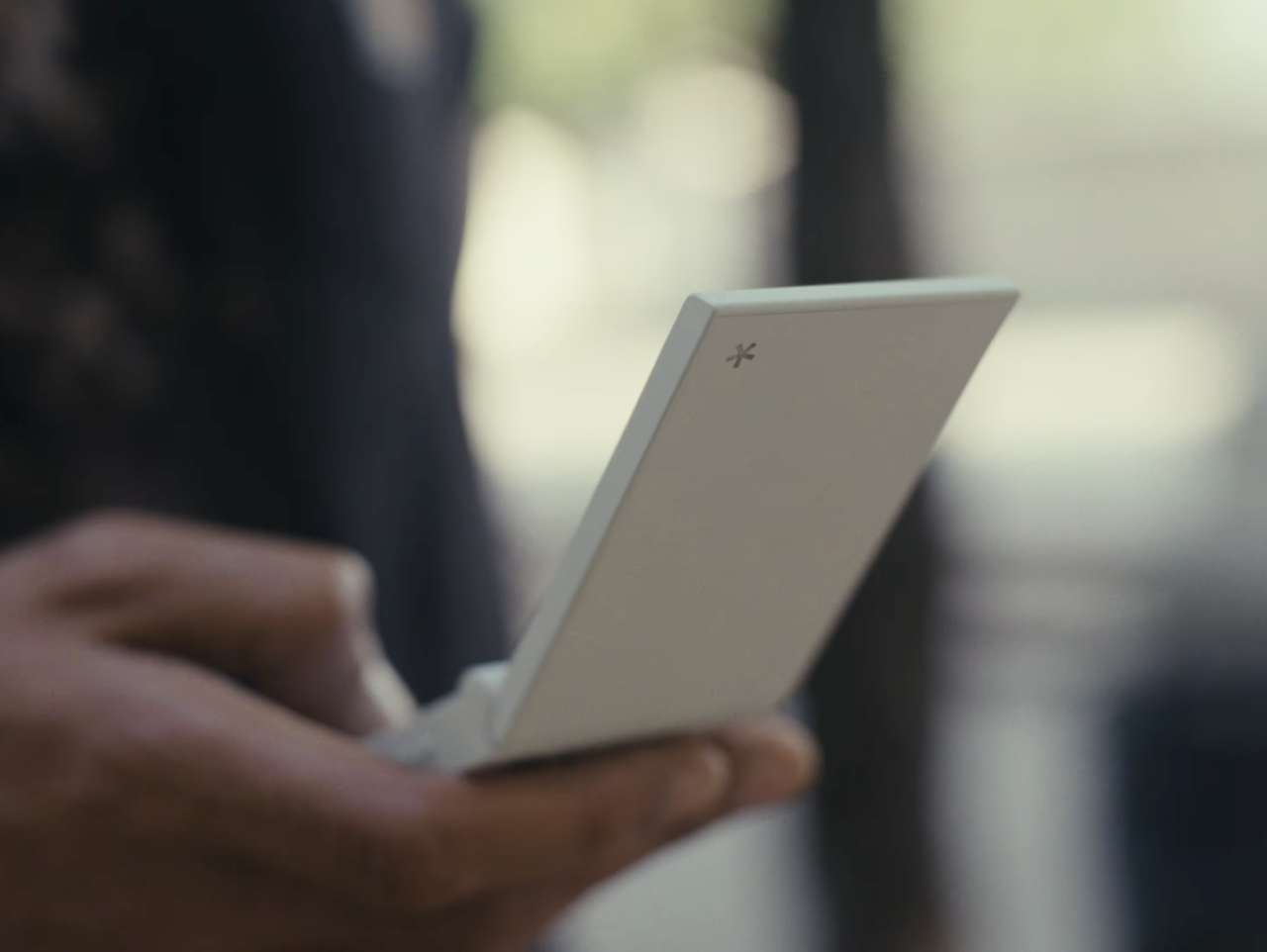
The Light Flip, announced in July, addresses that with a $299 starting price and a deliberately tactile clamshell design. Instead of another touchscreen slab, it uses a 2.8-inch matte OLED display, a physical keypad, D-pad, and dedicated buttons. There is no touchscreen.
It runs LightOS, the distraction-focused platform behind Light’s other phones. The goal is to preserve practical tools such as calling, messaging, navigation, calendars, alarms, music, and podcasts without introducing social-media feeds or a conventional web browser.
Price: $299
Where to Buy: Light
The hardware also avoids pretending that minimal has to mean primitive. Light has announced 5G connectivity, Bluetooth, USB-C charging, a headphone jack, and a replaceable battery.
The important catch is timing. Light is taking preorders, with initial shipments expected in April 2027. That makes the Light Flip a promising option, but not one you can use to replace your iPhone or Galaxy today.
Buyer fit: The Light Flip makes the most sense if you already know that app timers and grayscale modes are not enough. Its physical controls and software restrictions create real friction between you and the habits you are trying to leave behind.
2. Commodore Callback 8020: Keep Uber, Lose Doomscrolling
Going completely offline sounds great until you need WhatsApp, maps, a ride-share app, or two-factor authentication.
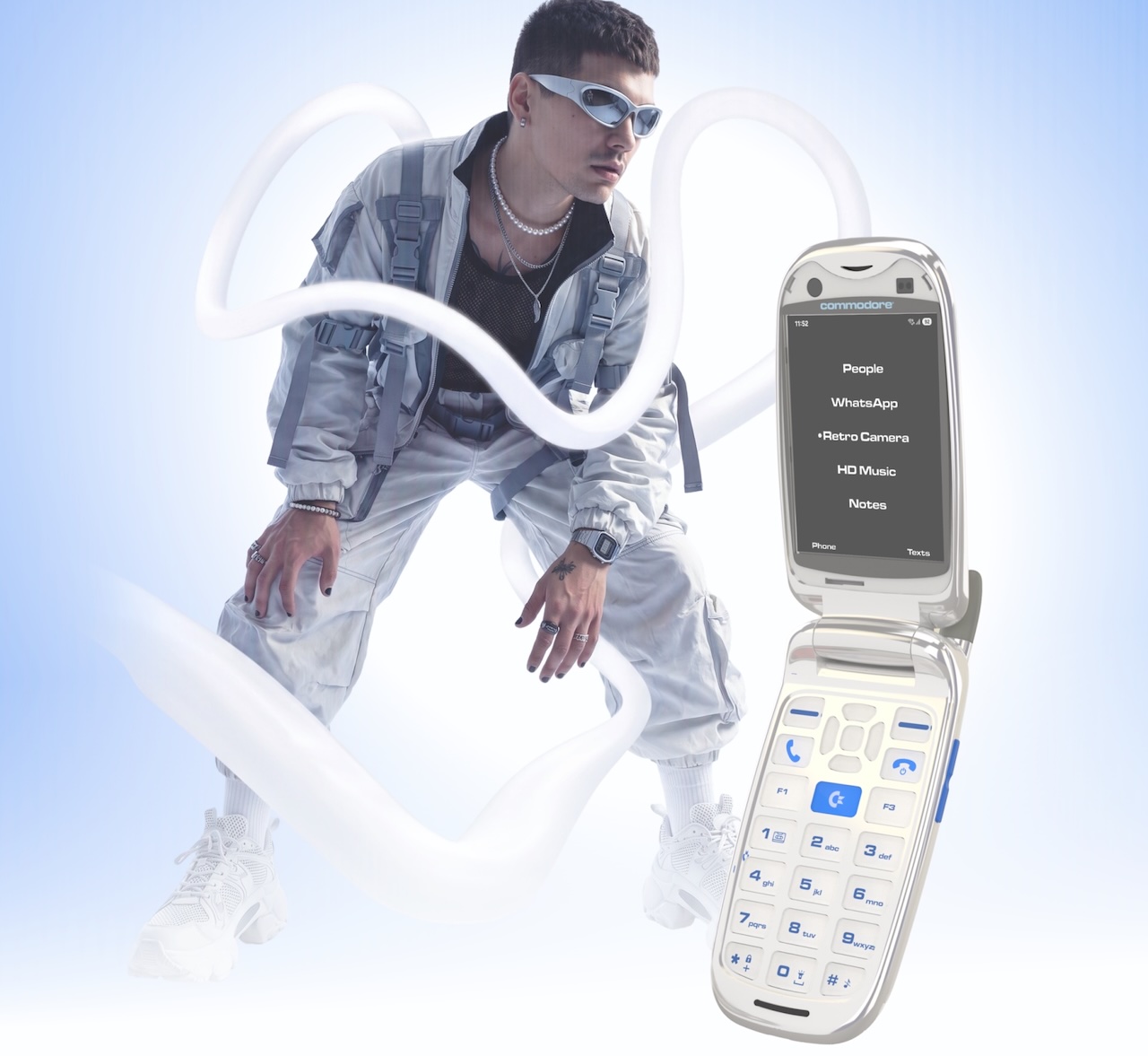
The Commodore Callback 8020 aims for a middle ground. Its customized Sailfish OS supports compatible Android apps, including WhatsApp, Signal, and Telegram, while Commodore says web browsers and major social platforms are blocked at the system level. You can sideload compatible APKs, unless they fall into those restricted categories.
Price: $399
Where to Buy: Commodore
The result is closer to a smartphone with locked doors than a traditional dumbphone. Its flip-phone form factor and T9-style keypad add welcome friction, making mindless screen time less effortless.
Preorders start at $399, although Commodore originally listed standard models from $499.99. Features include 4G LTE, Wi-Fi, GPS, USB-C, hotspot support, expandable storage, and a removable battery.
One important caveat: the Callback has not yet completed FCC equipment authorization, and Commodore is still finishing certification and software work. For now, consider it a developing preorder product, not a fully mature retail phone.
Buyer fit: Callback is one of the more interesting compromises for people who need modern communication apps but do not trust themselves with unrestricted browsers and social feeds. Its appeal depends on being comfortable with a preorder and the uncertainties that come with an unfinished product.
3. Minimal Phone 2: Full Android With Deliberate Friction
The Minimal Phone 2 asks a harder question: What if you genuinely need Android, including the apps that can distract you?
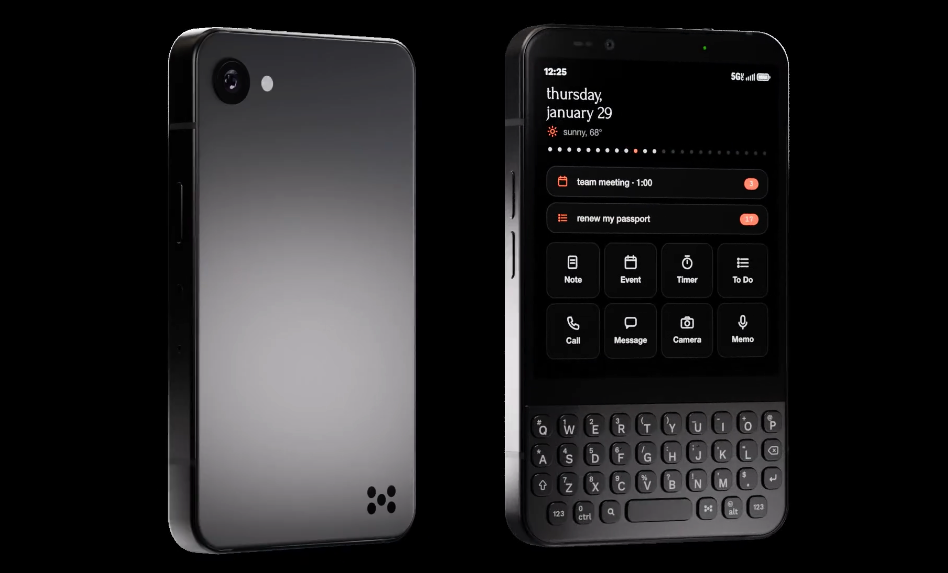
Instead of removing those apps, Minimal tries to change how you interact with them. The Phone 2 pairs a compact 3.92-inch AMOLED display with a physical QWERTY keyboard and Minimal OS, which is designed around faster actions and less wandering through apps.
That marks a significant shift from the first Minimal Phone, which used an E Ink display. The new OLED panel makes everyday apps easier to use, potentially weakening the old hardware barrier to endless scrolling. Minimal is therefore leaning more heavily on software design, the smaller screen, and the physical keyboard to encourage intentional use.
Price: $599
Where to Buy: Minimal
The hardware is thoroughly modern, with 5G, a MediaTek Dimensity 8300 processor, NFC, Wi-Fi 6E, a headphone jack, and 256GB or 512GB of storage. Minimal has also added touch-capacitive navigation to the keyboard.
Pricing starts at $599, with shipping planned for December 2026.
Buyer fit: Choose the Minimal Phone 2 if abandoning normal smartphone apps is not realistic, but you want hardware that encourages typing, acting, and putting the phone down rather than falling into another feed.
4. Clicks Communicator: A Smartphone Built Around Messaging
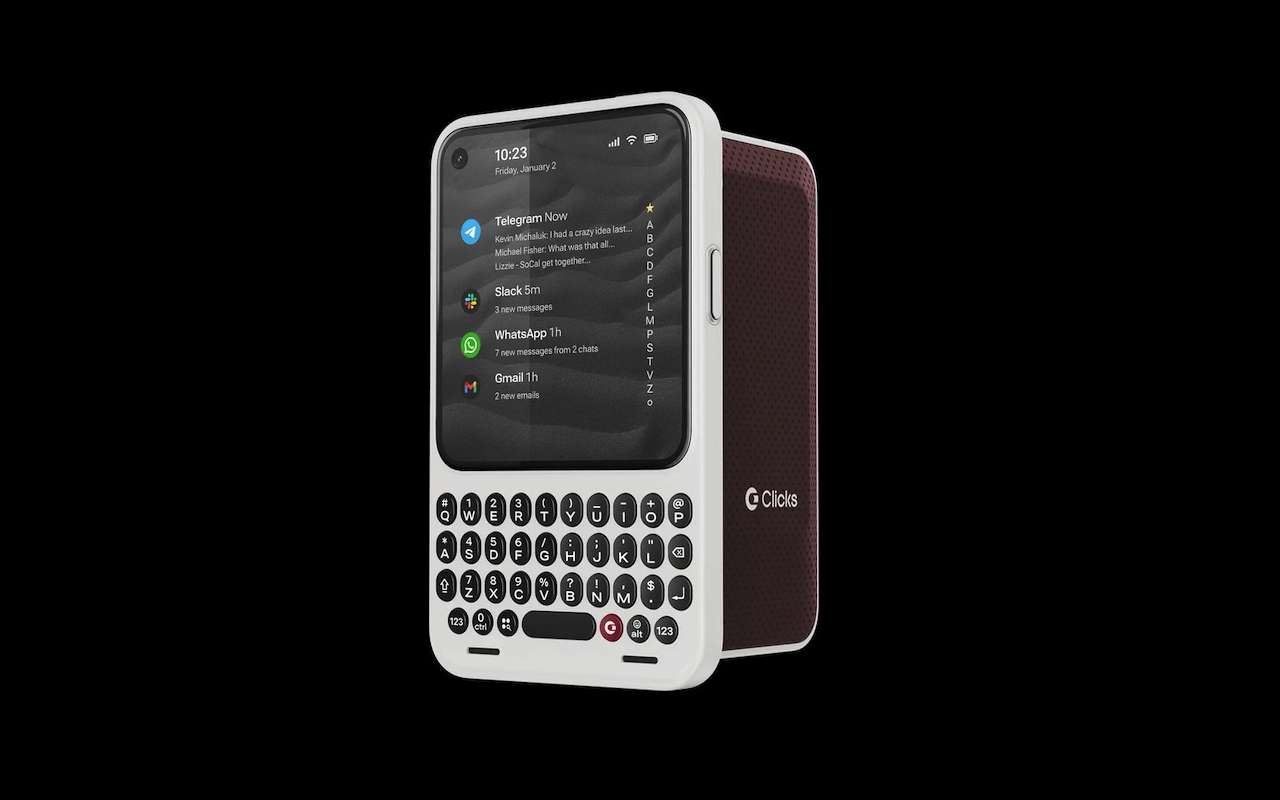
The Clicks Communicator is the least restrictive minimalist phone here: it runs full Android, so you can still install every familiar distraction.
Introduced in January, it is designed more for communication than consumption. A physical QWERTY keyboard sits below its compact 4.03-inch AMOLED display, encouraging messages, email, and quick tasks over passive scrolling.
https://clicks.tech/en/communicator
Price: From $199
Where to Buy: Clicks
It is also well equipped, with Android 17, a 4,450mAh silicon-carbon battery, a 50MP OIS rear camera, NFC, Wi-Fi, Qi2 wireless charging, USB-C, physical SIM and eSIM support, and a touch-sensitive keyboard.
The minimalist case is behavioral, not enforced. The smaller display makes content consumption less appealing, while the keyboard makes typing more enjoyable. Clicks expects to ship the Communicator later in 2026, so it is currently available by reservation rather than as a broadly available retail phone.
Buyer fit: The Communicator is better for someone who wants a calmer smartphone than for someone seeking a true digital detox. If messaging, email, and writing dominate your phone use, its physical design could matter more than strict software restrictions.
5. Punkt MC03: Minimalism Through Privacy and Control
The Punkt MC03 takes a different approach to minimalism: it focuses less on screen time than on the data apps collect.
Unveiled at CES 2026, it runs AphyOS, a privacy-focused operating system built on Android’s open-source foundation. It includes a curated app store, optional access to mainstream apps, and Ledger controls for managing app permissions and background activity.
This is not stripped-down hardware. Punkt lists a 120Hz OLED display, removable 5,200mAh battery, IP68 protection, and a 64MP main camera. The $699 phone includes 24 months of AphyOS service; after that, it costs $9.99 per month unless you choose a longer plan.
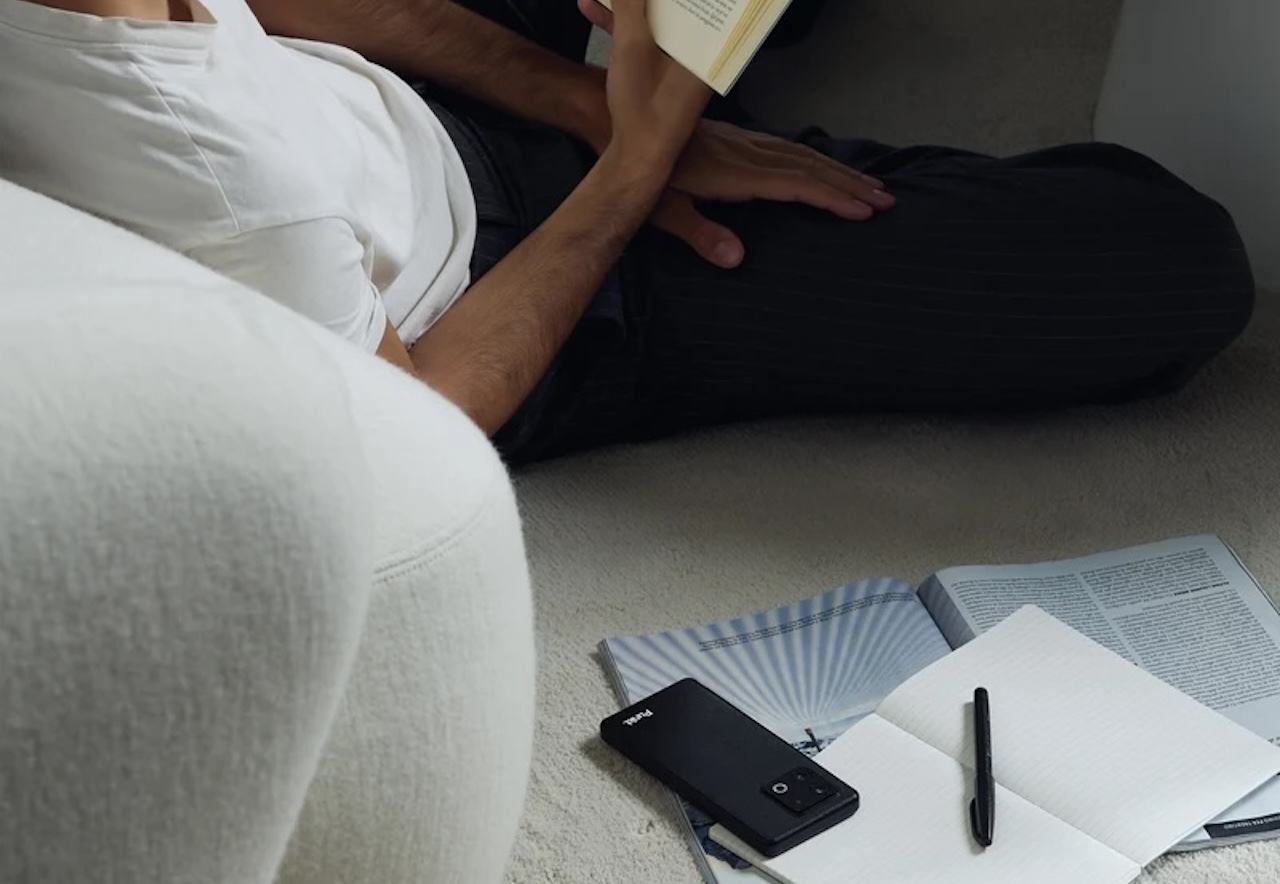
That subscription is central to its appeal. The MC03 is less about blocking Instagram than giving you more control over the software, tracking, and services surrounding your data.
Buyer fit: The MC03 is the strongest fit if using less technology also means reducing tracking and dependence on Google-centric services, not merely spending less time on social apps. Buyers focused only on screen time can find much stronger behavioral restrictions elsewhere.
Minimalist Phones No Longer Mean the Same Thing
The lesson from 2026’s minimalist phones is that the category is no longer converging on a single modern dumbphone. Each model takes a different route to reducing digital noise.
The Light Flip makes the biggest lifestyle trade-off. The Callback 8020 keeps essential apps while blocking obvious rabbit holes. The Minimal Phone 2 retains Android but changes how you use it, while the Clicks Communicator uses a keyboard-first design to favor communication over consumption. The Punkt MC03 treats privacy and data control as its version of minimalism.
If compulsive scrolling is the issue, start with the Light Flip or Callback rather than another unrestricted Android phone with a minimalist launcher. Need mainstream apps? The Minimal Phone 2 is the more practical compromise. Clicks suits keyboard-first communicators, while Punkt is for buyers who care as much about data collection as screen time.
The best minimalist phone is not the one that does the least, it is the one that removes the distractions, or data collection, you actually want to escape.
Auto Amazon Links: No products found.
