The best everyday camera is not necessarily the one with the biggest sensor, highest resolution, or longest specification sheet. It is the camera you are willing to bring when you are not specifically going somewhere to take pictures.
That is a harder test than it sounds. A large interchangeable-lens system can produce excellent images, but once a camera, several lenses, and a bag enter the equation, taking it to lunch or on an afternoon walk can start feeling like a photography assignment. Your phone solves the portability problem, but a dedicated camera can offer better physical controls, optical flexibility, and a shooting experience built around photography rather than everything else your phone does.
The best everyday cameras should be portable enough to bring regularly, capable enough to justify carrying another device, and quick enough for the family, travel, street, food, pets, and unexpected moments that make up everyday photography. These five cameras solve that problem in different ways, with no repeated brands.
Ricoh GR IV: Best Pocket Everyday Camera
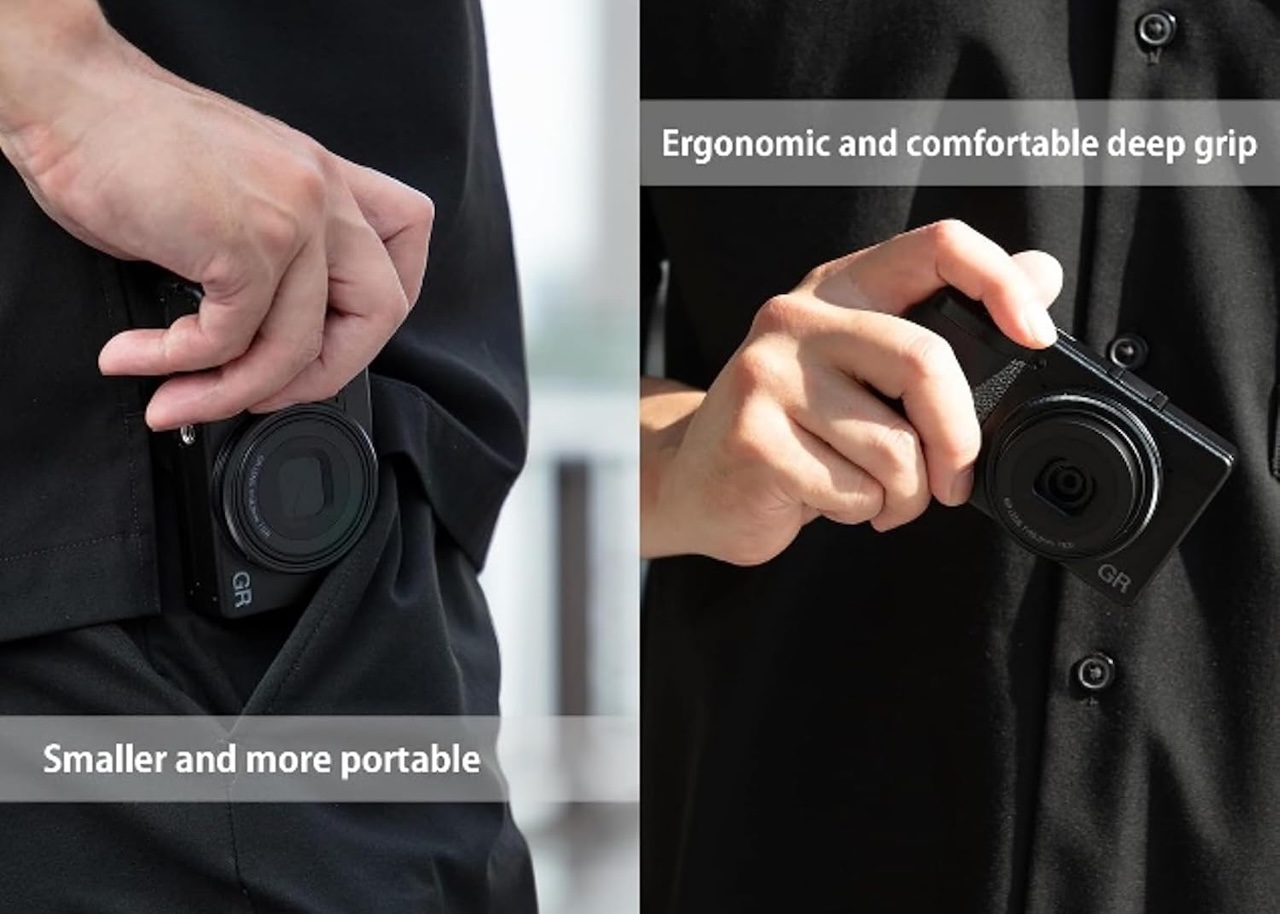
The easiest everyday camera to carry is the one that barely changes what you were already planning to bring.
That is the Ricoh GR IV’s appeal. It combines an approximately 25.7-megapixel APS-C sensor with an 18.3mm f/2.8 lens for a roughly 28mm-equivalent view, all in a body that weighs about 262g with a battery and memory card. The wide perspective suits streets, travel, restaurants, groups, and environmental portraits, while the small body makes it realistic to carry every day.
Ricoh also includes five-axis sensor-shift stabilization and Snap Focus, which lets you use preset focus distances instead of waiting for autofocus, a useful option for street and documentary work. The compromise is the fixed lens: there is no optical zoom for distant wildlife, sports, or tightly framed portraits. But that simplicity means you never need to decide which lens to bring before leaving home.
Price: $1,699.95
Where to Buy: Amazon
Buyer fit: Choose the GR IV if portability comes first and you mainly photograph travel, streets, family, food, and everyday life at relatively close distances.
Fujifilm X100VI: Best Premium Fixed-Lens Camera
Some photographers want their everyday camera to disappear into a pocket. Others want a camera that makes the act of taking pictures more engaging.
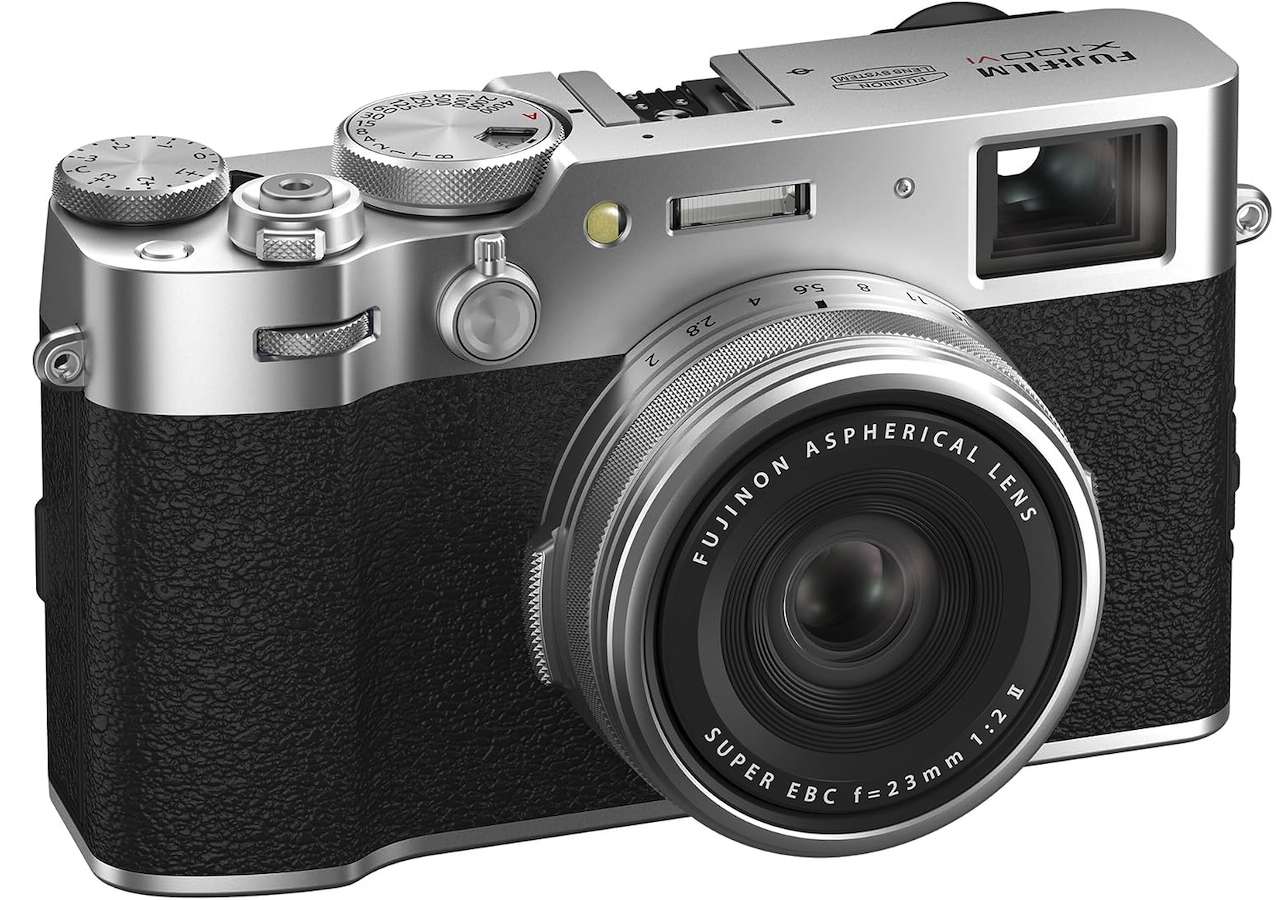
The Fujifilm X100VI pairs a 40.2-megapixel APS-C X-Trans CMOS 5 HR sensor with a fixed 23mm f/2 lens for a roughly 35mm-equivalent view, plus five-axis in-body stabilization rated at up to six stops.
That focal length is wide enough for street scenes, travel, and environmental portraits, yet natural enough for casual people shots. Dedicated dials, Fujifilm’s Film Simulations, and a hybrid optical/electronic viewfinder further make the camera engaging to use.
Price: $2,199.95
Where to Buy: Amazon
The trade-offs are clear: there is no optical zoom, and it is less pocketable than the Ricoh GR IV. Choose it for its fixed-lens shooting experience and versatile 35mm perspective, not interchangeable-lens flexibility.
Buyer fit: Choose the X100VI if you want one fixed-lens camera for everyday photography and care about physical controls, a viewfinder, and the experience of making photographs as much as absolute portability.
Canon PowerShot V1: Best for Photos and Video
Everyday memories do not divide neatly between photos and video. You might take a still one minute, record your kids or pets the next, and shoot a travel clip later that day.
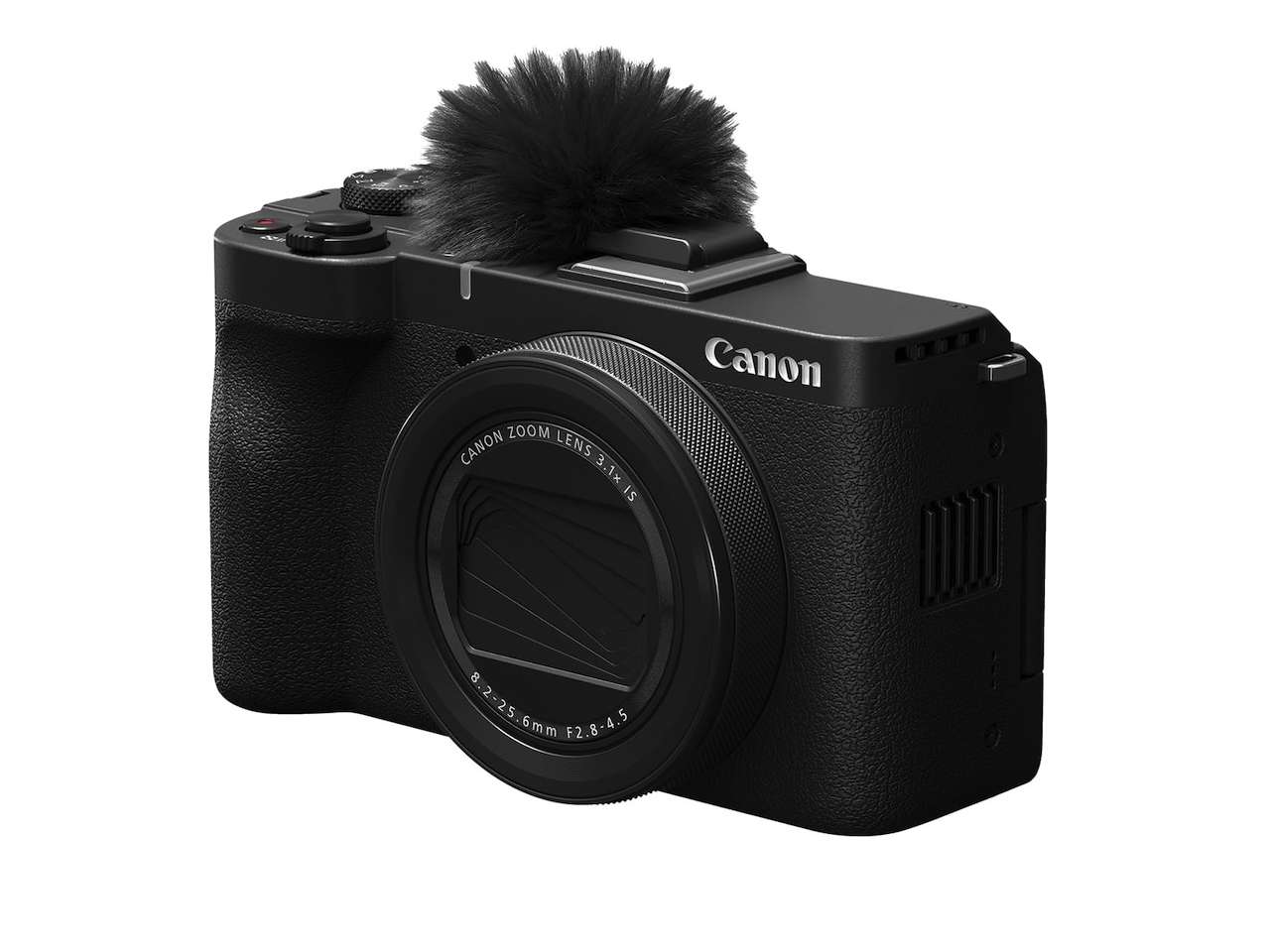
The Canon PowerShot V1 is built for that mix. Its 1.4-type, approximately 22.3-megapixel sensor and 16-50mm-equivalent f/2.8-4.5 zoom offer more framing flexibility than the fixed-lens Ricoh and Fujifilm. The wide end suits interiors, groups, travel scenes, and self-recording, while 50mm is useful for people and details.
Price: From $849
Where to Buy: Amazon
Optical image stabilization and Dual Pixel CMOS AF II support everyday shooting, while the built-in cooling fan and Canon Log 3 point to its video-focused design. Those features may be more than stills-only photographers need, and the 16-50mm-equivalent zoom is not designed for distant subjects.
Buyer fit: Choose the PowerShot V1 if you want one compact camera for stills, vlogging, family video, and travel clips without carrying extra lenses.
OM System OM-5 Mark II: Best for the Outdoors
Fixed-lens cameras are wonderfully simple until everyday photography starts including hiking, bad weather, backyard birds, children’s sports, or subjects that require a completely different focal length.
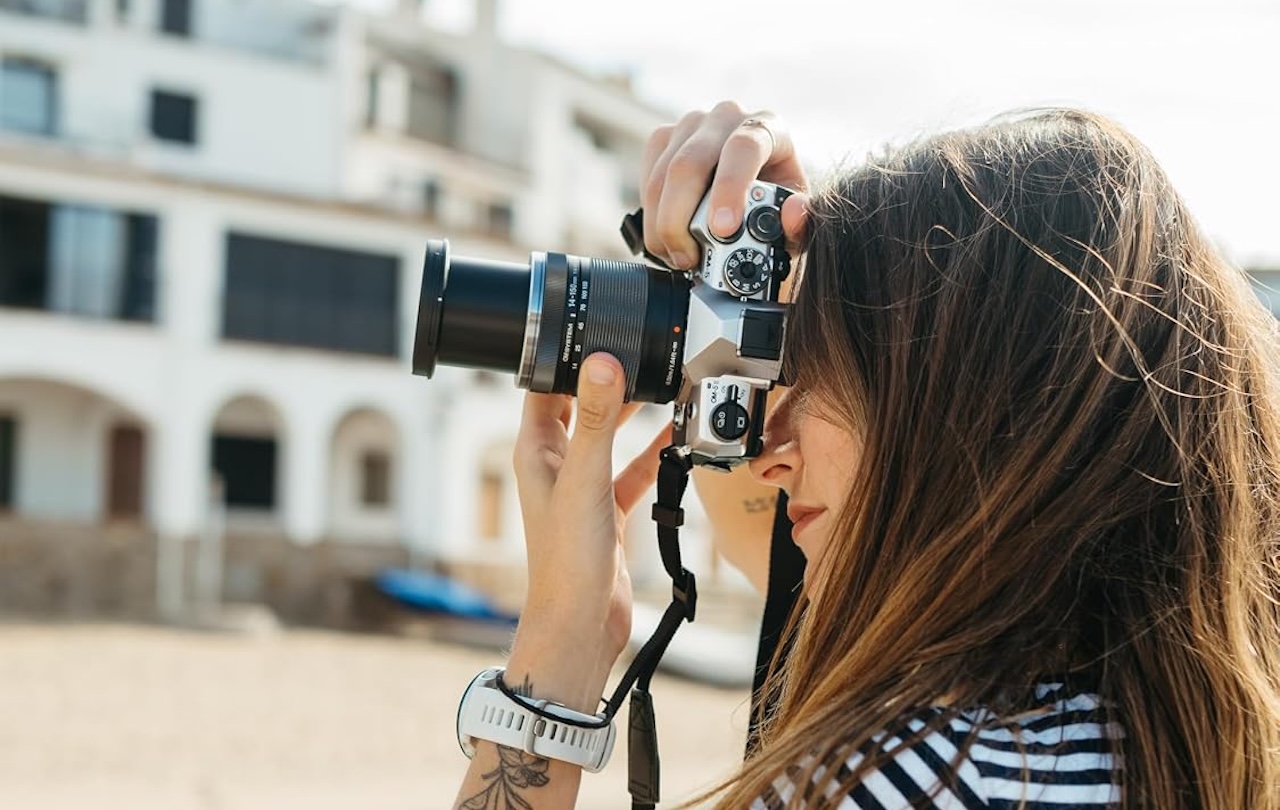
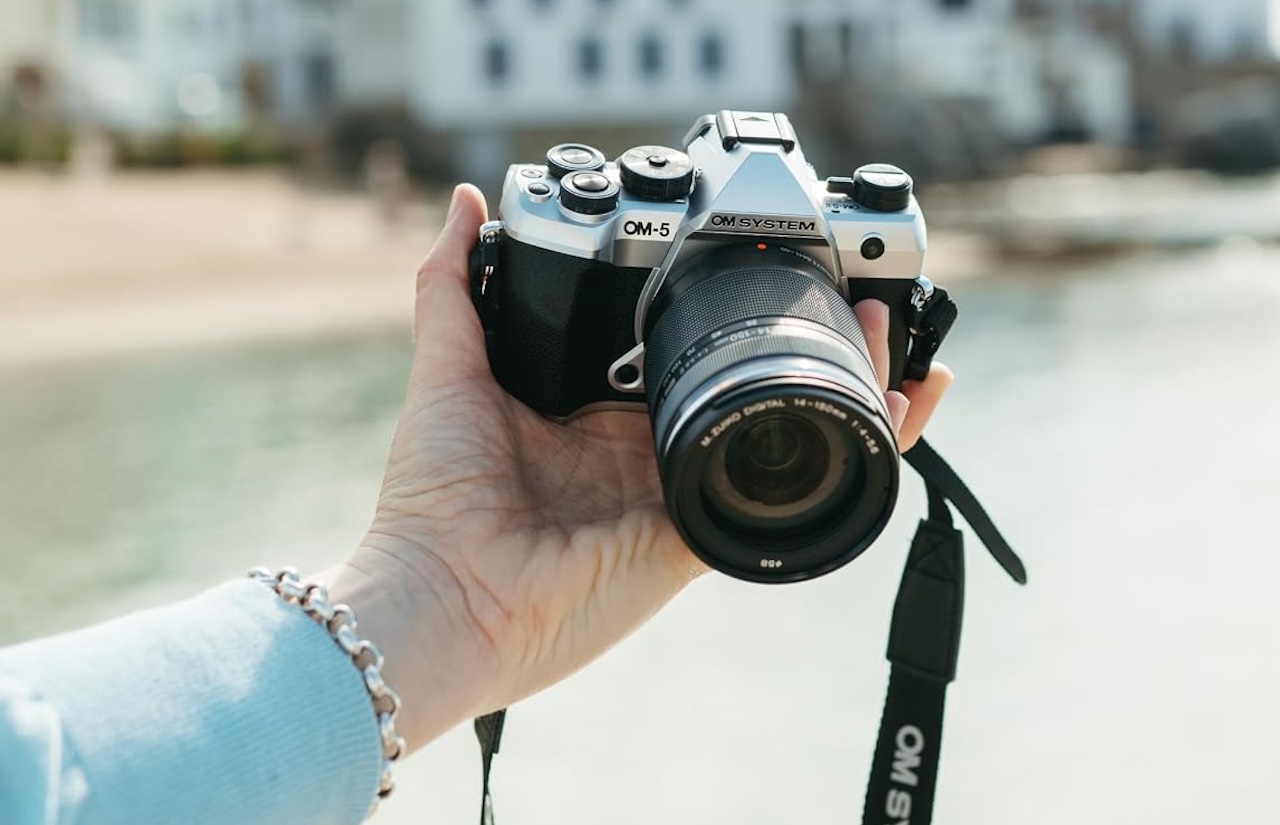
The OM System OM-5 Mark II offers another answer: keep the camera relatively compact, but let the lens change. It uses a 20.37-megapixel Four Thirds sensor and the Micro Four Thirds lens mount, along with five-axis sensor-shift stabilization and weather-oriented construction.
The practical advantage is flexibility. Pair it with a compact prime or small standard zoom for walking around town, then switch to a telephoto lens when the day’s plans involve wildlife or distant subjects. You do not need to replace the entire camera because your subject changed.
Price: From $1,349
Where to Buy: Amazon
That makes the OM-5 Mark II less minimalist than the Ricoh or Fujifilm, but potentially much more adaptable. The danger is familiar to anyone who has owned an interchangeable-lens camera: one small body can gradually become a body, three lenses, spare accessories, and another camera bag. Keeping it an everyday camera requires some restraint.
Buyer fit: Choose the OM-5 Mark II if your everyday photography frequently takes you outdoors and you want weather-resistant construction, stabilization, and the freedom to change lenses.
Sony RX100 VII: Best When You Need Zoom
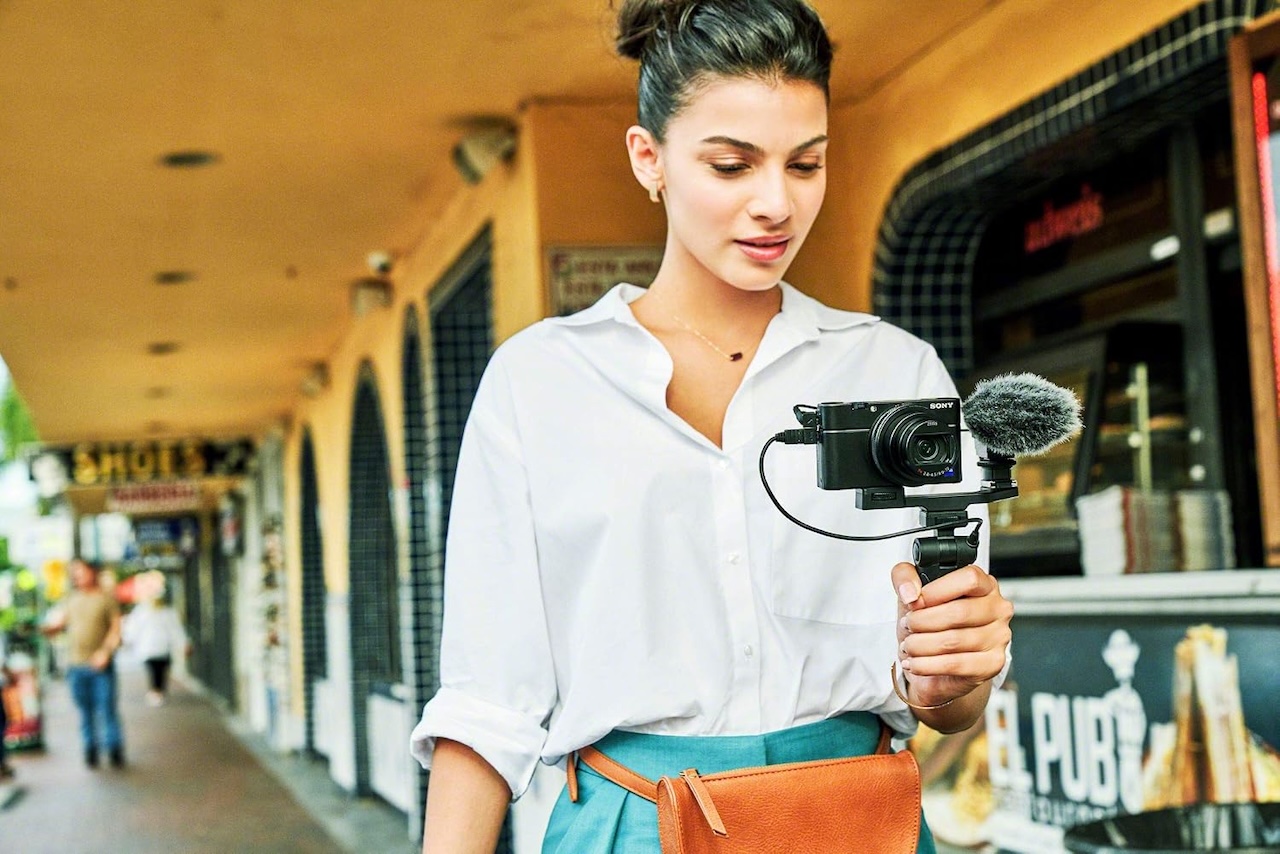
Fixed prime lenses are appealing until the subject is across the street. The Sony RX100 VII answers that problem with a built-in 24-200mm-equivalent ZEISS zoom.
Its 1-inch-type stacked Exmor RS CMOS sensor delivers approximately 20.1 megapixels, while the f/2.8-4.5 zoom covers everything from landscapes, interiors, and groups at 24mm to distant details and subjects at 200mm. An electronic viewfinder adds another useful shooting option.
Price: From $1,499.99
Where to Buy: Amazon
The compromise is a smaller sensor than the APS-C Ricoh GR IV and Fujifilm X100VI, along with handling that feels less spacious than a larger camera. But the RX100 VII’s strength is clear: it provides serious framing flexibility without extra lenses or a larger camera bag.
Buyer fit: Choose the RX100 VII if you rarely know what you will photograph before leaving home and would rather have a broad optical zoom than a larger sensor or interchangeable lenses.
Which Everyday Camera Should You Buy?
There is no universal everyday camera because everyone’s everyday life looks different.
The Ricoh GR IV is the strongest choice when pocketability is the priority. The Fujifilm X100VI suits photographers who want a more tactile fixed-lens shooting experience. The Canon PowerShot V1 makes the most sense when still photography and video both matter, while the OM System OM-5 Mark II gives outdoor photographers the flexibility of interchangeable lenses. The Sony RX100 VII is the choice when having a 24-200mm-equivalent zoom outweighs the advantages of a larger sensor.
Every one of these cameras sacrifices something to become easier to live with, whether that is zoom range, sensor size, pocketability, lens flexibility, or simplicity. That is more useful to consider than trying to identify a specification-sheet winner.
Do not ask which camera could theoretically take the best photograph. Ask which compromises you are comfortable accepting in exchange for a camera you will actually have with you when the photograph happens.