The Leatherman Skeletool KBX is a minimalist EDC tool: a 2.6-inch 420HC combo blade and a bottle opener built into its pocket clip. At 1.3 ounces and 3.45 inches closed, it carries more like a pocket knife than a traditional Leatherman multitool.
But you may not need to pay Leatherman pricing for the same basic role. Whether you mostly open packages, cut cord, or break down cardboard, there are less expensive options that either retain the KBX’s extra utility or focus solely on compact knife carry.
These four picks are not KBX clones, and some are considerably heavier. Instead, each addresses a different reason to carry one: bottle-opening utility, replaceable utility blades, ultracompact folding-knife carry, or a more substantial everyday folder.
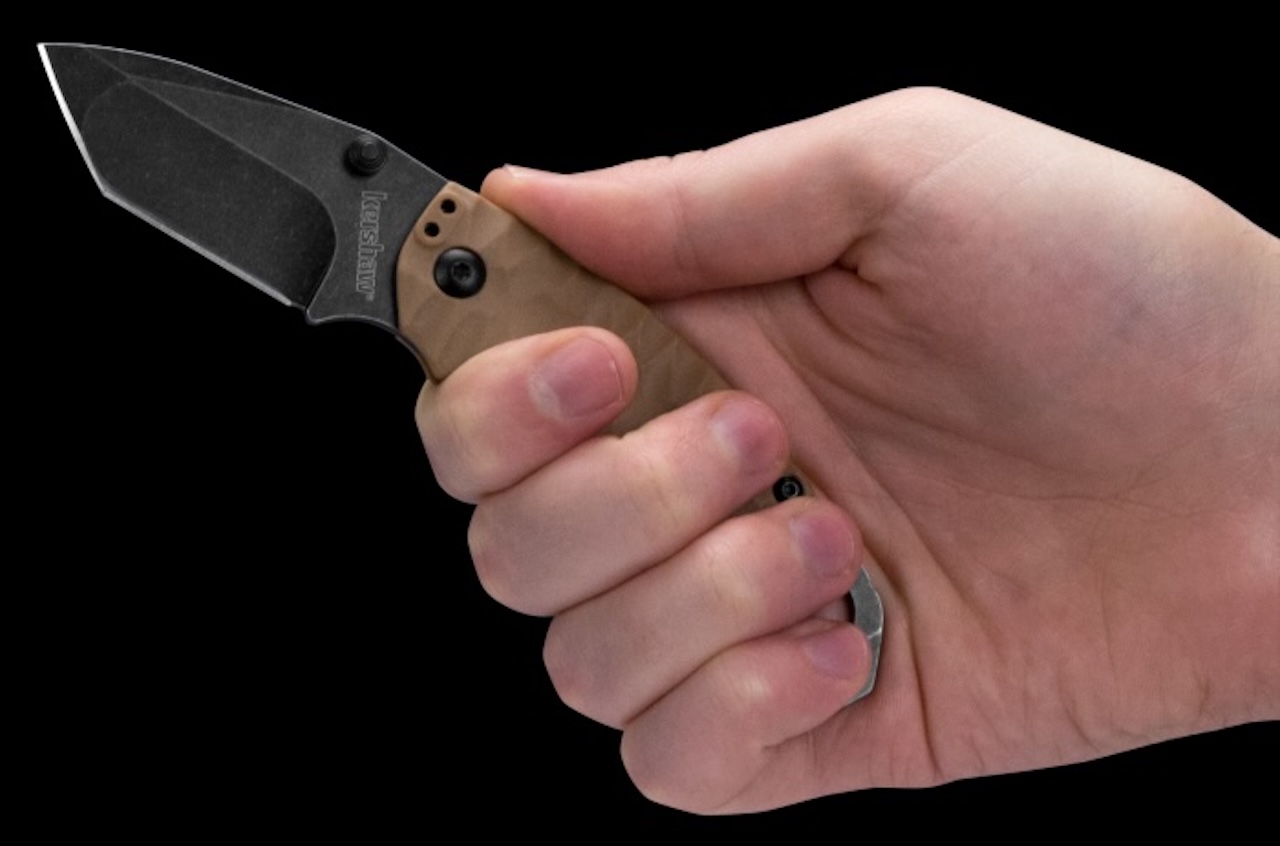
1. Kershaw Shuffle II: Best if you still want a bottle opener
If the bottle opener is one of the reasons you’re considering the Skeletool KBX, the Kershaw Shuffle II is the most direct alternative in this group.
Kershaw builds the Shuffle II around a 2.6-inch 8Cr13MoV blade, putting its blade length right alongside the 2.6-inch KBX. It uses a manual thumb stud, an inset liner lock, a glass-filled nylon handle, and a reversible pocket clip.
The bigger difference is what Kershaw does with the other end of the knife. There’s an integrated bottle opener and flat-head screwdriver, giving the Shuffle II a little more secondary utility than an ordinary folding knife.
Price: $23.45
Where to Buy: Amazon
That sounds very KBX-like until you compare the dimensions and weight. The Shuffle II weighs about 3 ounces and measures roughly 4 inches closed, while Leatherman lists the KBX at only 1.3 ounces and 3.45 inches closed. You’re getting a more substantial handle and an additional screwdriver function, but you’re giving up one of the KBX’s biggest advantages: exceptionally light carry.
That trade-off could work in Kershaw’s favor if you prefer having more handle in your hand, but we wouldn’t claim that makes it objectively more comfortable without testing the two side by side. Likewise, 8Cr13MoV tells you what blade steel Kershaw uses, not how its real-world edge retention compares with the KBX’s 420HC blade under identical conditions.
What we can say is that the Shuffle II comes closest to reproducing the KBX’s basic philosophy without simply copying its design. Both give you a 2.6-inch blade and bottle-opening capability in a compact folding tool, while Kershaw adds a screwdriver and accepts additional size and weight.
Buyer fit: Choose the Shuffle II if the blade-plus-bottle-opener combination is what attracted you to the KBX and you don’t mind carrying a heavier knife to get a flat-head screwdriver too.
2. Gerber EAB Mini: Best for opening packages
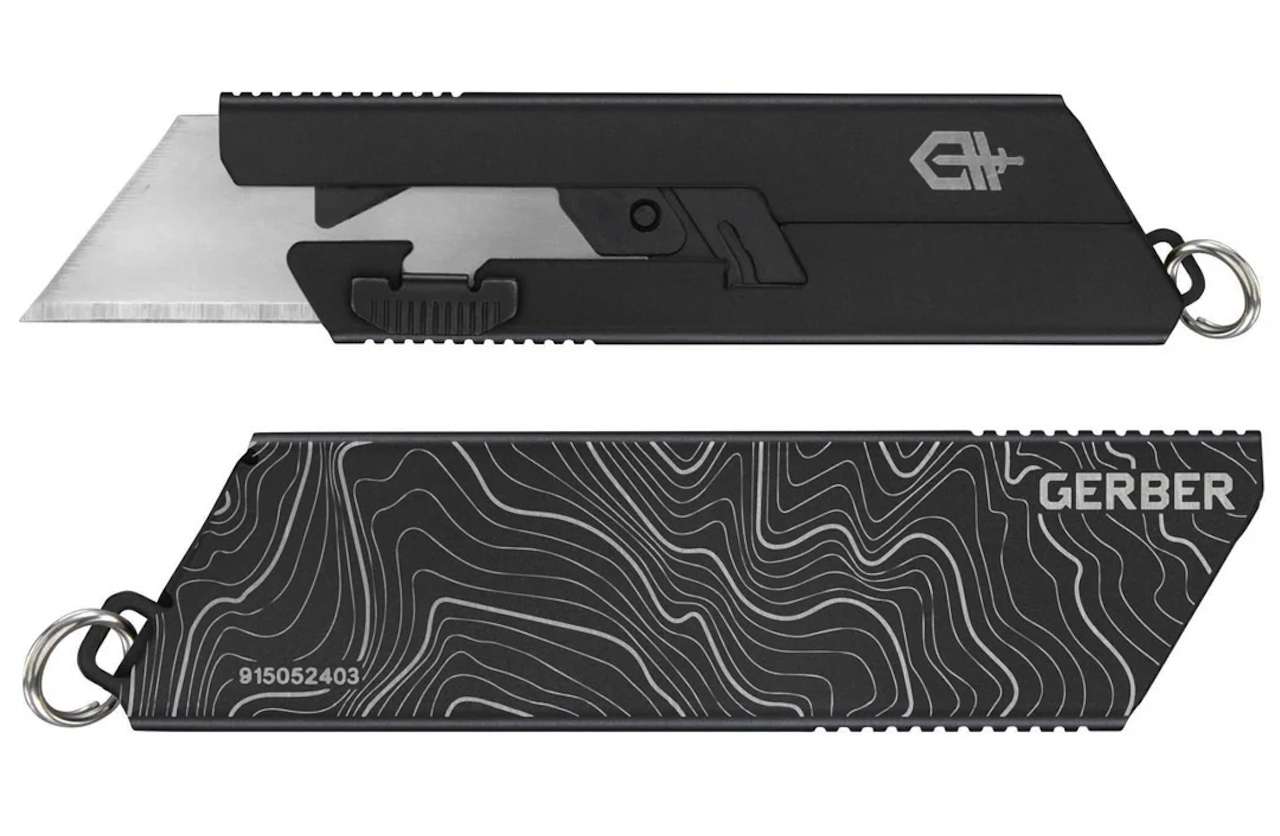
The Gerber EAB Mini is for buyers who do not need a conventional pocket-knife blade. It uses a standard-size replaceable utility blade, making it a practical pick for boxes, tape, plastic packaging, and other light cutting jobs.
At 1.3 ounces, it matches the Skeletool KBX’s listed weight. The stainless-steel tool measures 2.5 inches closed and 4.2 inches overall, with a 1.5-inch exposed blade, slide lock, keychain loop, and Gerber’s limited lifetime warranty.
Price: $10.19
Where to Buy: Gerber
Its main advantage is simple: when the blade dulls, replace it instead of sharpening it. The trade-off is a shorter blade, no bottle opener, and less versatility than a conventional 2.6-inch folder.
Buyer fit: Choose the EAB Mini if your everyday cutting is mostly cardboard, tape, and packages, and you prefer disposable utility blades to maintaining a traditional knife edge.
Buyer fit: Pick the EAB Mini if your EDC cutting mostly means cardboard, tape, and packages. It’s the alternative for someone who would rather replace an inexpensive utility blade than maintain a conventional knife edge.
3. CRKT Squid Compact: Best tiny traditional folder
Some buyers like the KBX’s minimalist idea but do not need its bottle opener. For them, the CRKT Squid Compact is a more focused option.
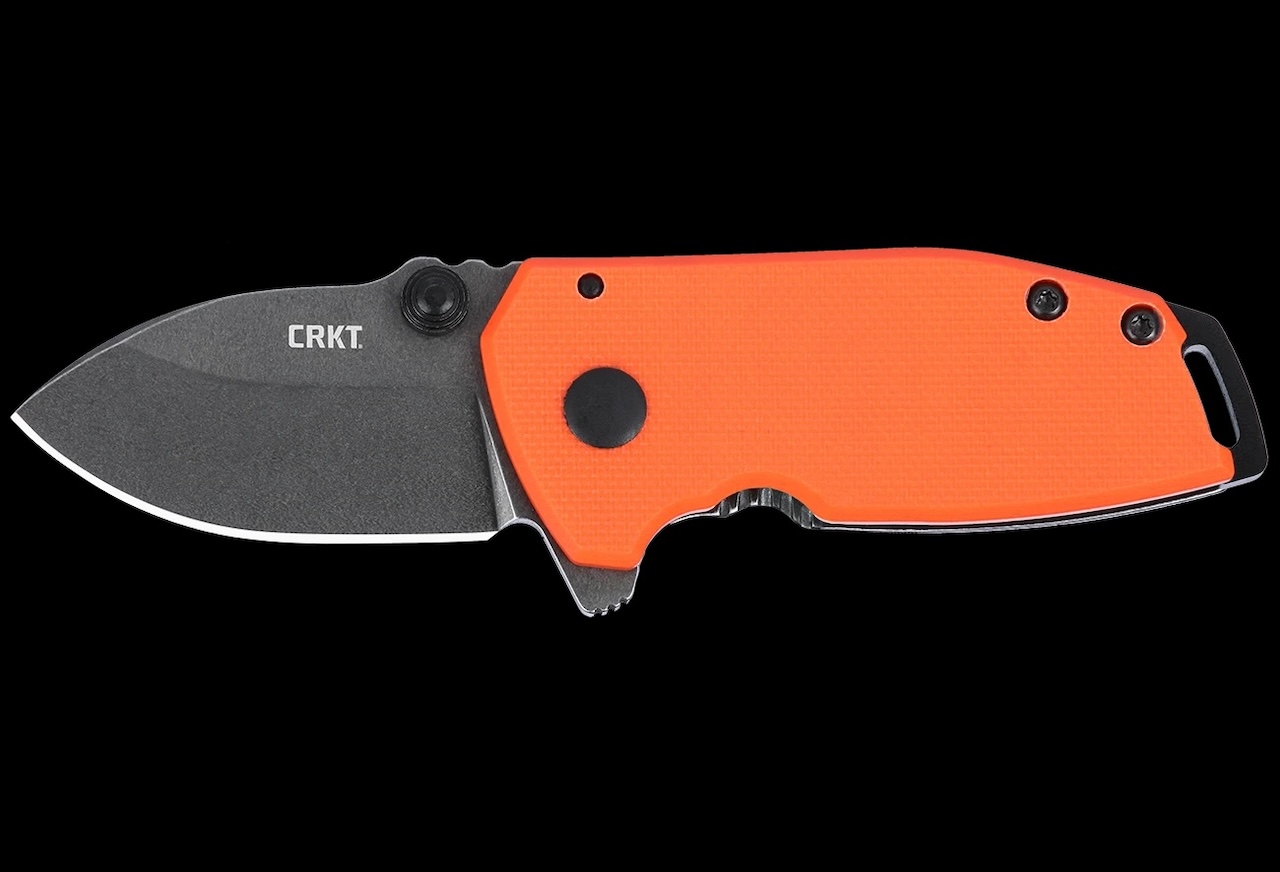
Specifications vary among Squid Compact versions, so check the exact model before buying. CRKT’s current Compact has a 1.75-inch 8Cr13MoV blade, stainless-steel handle, assisted opening with an IKBS ball-bearing pivot, and frame lock; it weighs 2.8 ounces and measures 4.65 inches overall.crkt
It is a very different tool from the KBX. Its blade is substantially shorter and there is no bottle opener, but that is the point: the Squid Compact prioritizes a genuinely tiny folder for everyday cutting.
Price: $38
Where to Buy: CRKT
Applicable versions pair a thumb stud and flipper with assisted opening, giving you multiple deployment options. If you rarely use a bottle opener, that may be more useful day to day.
CRKT has offered Squid variants with different steels, handle materials, dimensions, and weights, so do not apply one listing’s specifications to every version. And while blade steel is worth noting, it alone does not determine performance; blade geometry, heat treatment, edge angle, and maintenance matter too.
Buyer fit: Choose the Squid Compact if what attracts you to the KBX is minimalism rather than its bottle opener and you’d prefer a tiny dedicated folder.
4. CIVIVI Mini Praxis: Best for a more substantial EDC knife
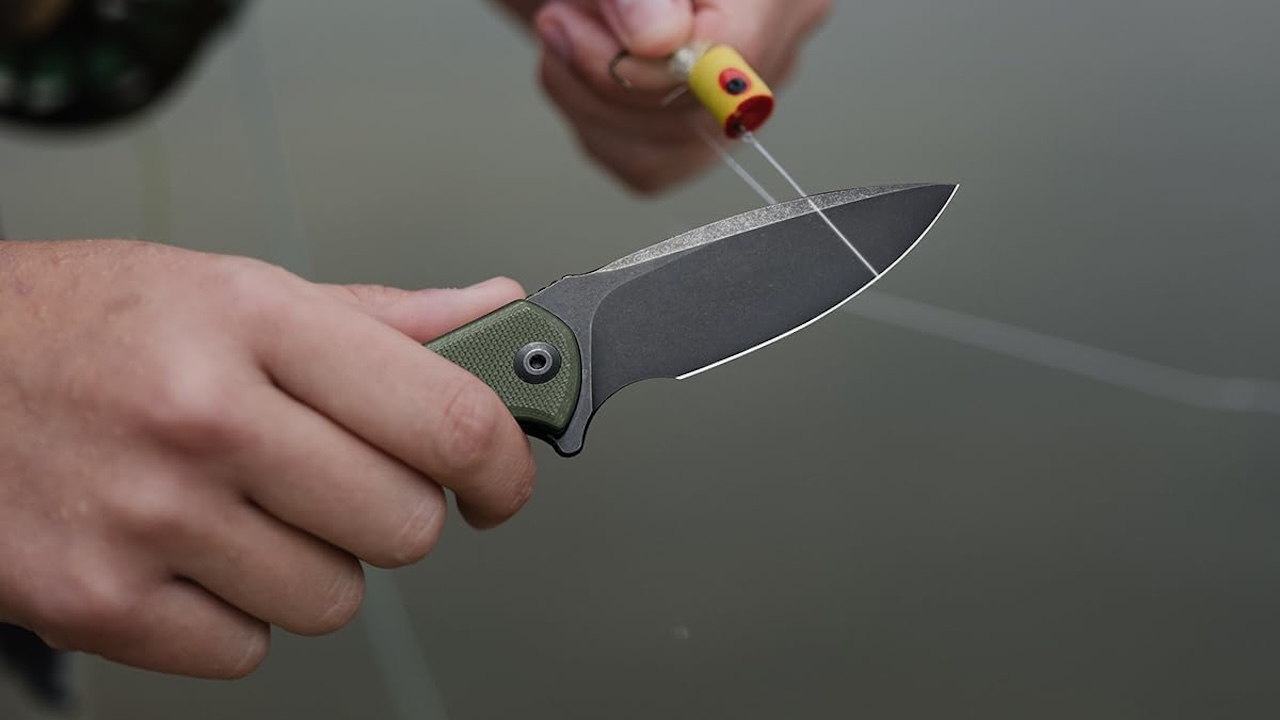
The CIVIVI Mini Praxis is the least KBX-like option here—and that is its appeal. It trades the bottle opener and ultralight build for a more conventional compact EDC knife.
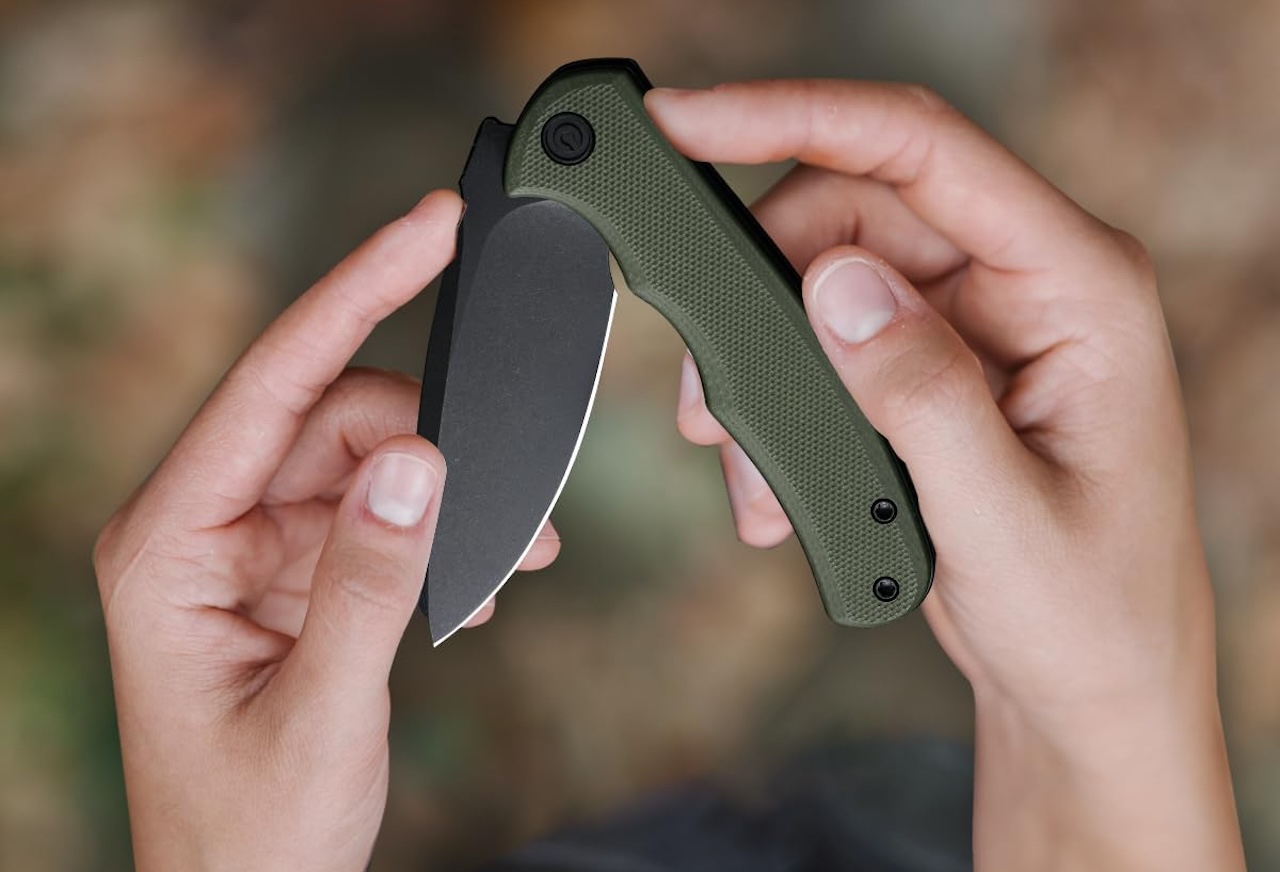
Standard C18026C versions pair a 2.98-inch D2 drop-point blade with G10 scales, a liner lock, flipper deployment, and a ceramic-ball-bearing pivot. The knife measures 3.81 inches closed and 6.79 inches overall, with a listed weight of 2.77 ounces.
Price: $29.74
Where to Buy: Amazon
That means nearly 3 inches of blade and a fuller handle, but more than double the KBX’s 1.3-ounce weight. It is simply a folding knife first, rather than a minimalist knife-and-bottle-opener hybrid.
OutdoorGearLab’s 2026 test measured similar dimensions and weight, while rating the Mini Praxis more strongly for carry comfort and grip than blade quality. That is useful context: D2 alone should not be treated as proof of premium cutting performance.
Standard Mini Praxis variants have commonly sold around $30 on Amazon, though pricing varies by configuration, seller, and promotion.
Buyer fit: The Mini Praxis makes the most sense if you want a budget conventional EDC folder with more blade and handle than the KBX and don’t care about reproducing its bottle opener.
Which budget Skeletool KBX alternative should you buy?
Choose based on what you wanted from the Skeletool KBX, not which option has the longest feature list.
The Kershaw Shuffle II is the closest match if you want a compact knife with a bottle opener; it also adds a flat-head screwdriver, though it weighs 3 ounces. The Gerber EAB Mini is better for package duty, using replaceable utility blades while matching the KBX’s 1.3-ounce weight.
Choose the CRKT Squid Compact if you simply want a tiny folding knife and do not need a bottle opener. Pick the CIVIVI Mini Praxis if you would rather have a larger blade and fuller handle, even at a weight penalty.
No option perfectly replicates the KBX. Its appeal is the unusually light combination of a 2.6-inch blade and bottle opener, so a less expensive alternative typically sacrifices one of those advantages.
For the closest overall alternative, start with the Kershaw Shuffle II. For cardboard and package opening, choose the Gerber EAB Mini. If the bottle opener is irrelevant, the CRKT Squid Compact and CIVIVI Mini Praxis make a stronger case for carrying a dedicated folder instead.