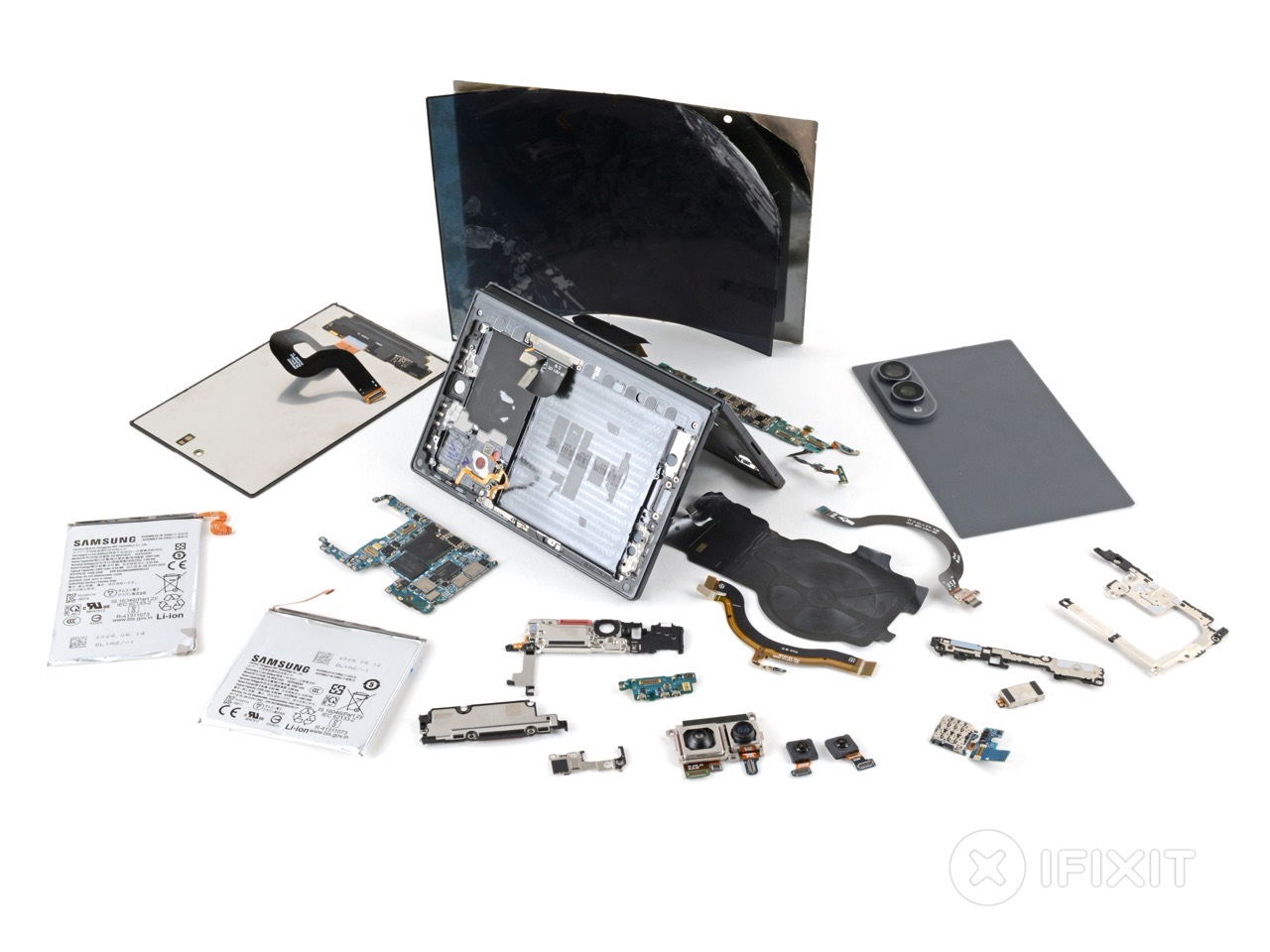
The Galaxy Z Fold8 has one repair improvement owners may actually notice: a modular USB-C port. According to iFixit’s teardown, a failed connector can be replaced without taking a larger assembly with it. On a phone this expensive, that’s a welcome bit of practical design.
It’s not enough to change the larger repairability story. iFixit awarded Samsung’s latest book-style foldable a 4 out of 10. That score measures how difficult the phone is to service, not how good it is to use. It comes down to a difficult inner display, involved hinge work, and a design still exposed to the fine debris of ordinary daily carry.
A water rating is not a dust guarantee
Samsung rates the Fold8 at IP48. That provides water protection, but the “4” does not mean the hinge is sealed against the dust, lint, and grit that travel in pockets and bags.
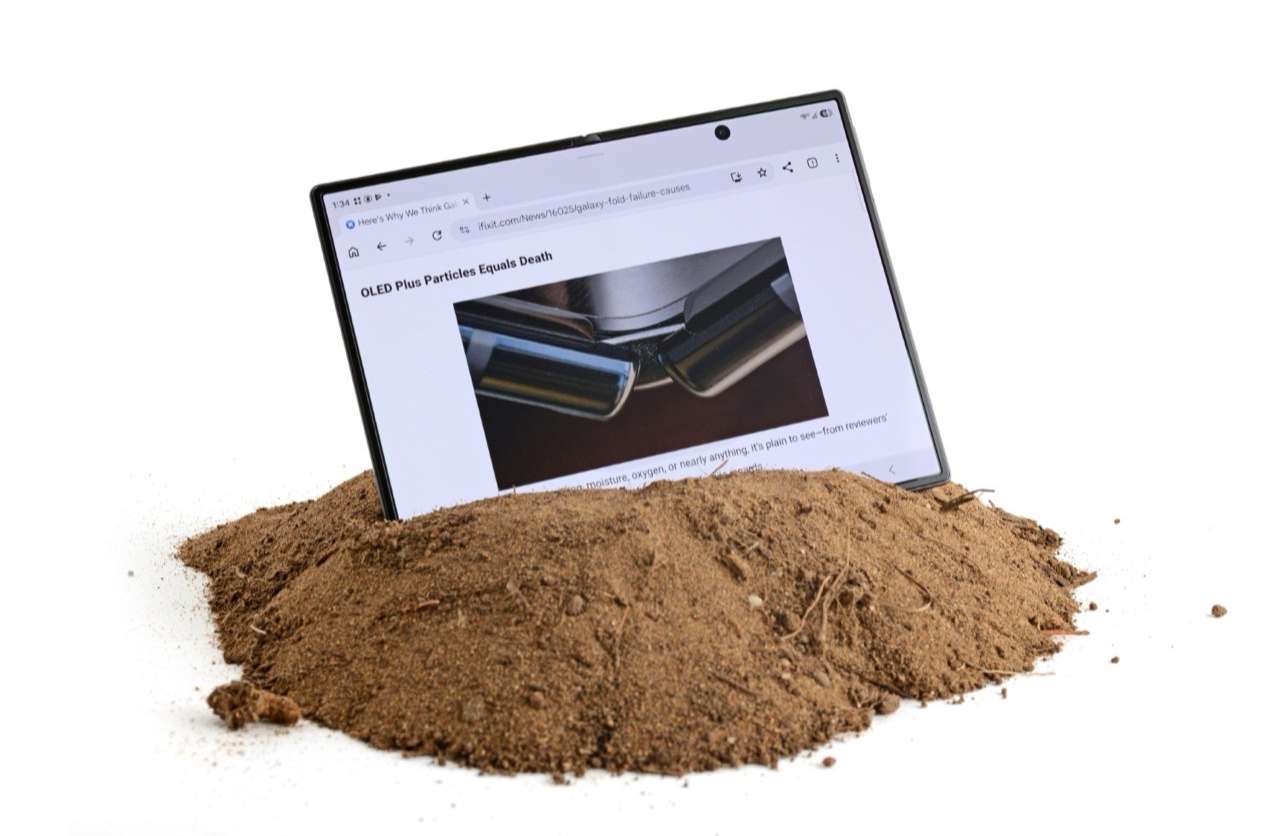
iFixit tested that limitation with dirt and sand before inspecting the hinge with UV dust and a microscope. The teardown team said the mechanism began making a noise it compared to “chewing gravel.” That is iFixit’s observation, not a promise about every Fold8, but it makes the practical risk easy to understand: the part that lets this phone fold is also the part most likely to meet the debris you never see.
The repair path raises the stakes. iFixit says the inner display remains difficult to reach and hinge work remains involved. One of the Fold8’s silicon-carbon batteries sits behind the outer display, so even a routine battery job can start with a screen removal.
That doesn’t make the Fold8 uniquely fragile. It does mean Samsung still hasn’t made the parts that define the foldable experience easy to inspect or replace once the phone is out of warranty.
Here is the context a 4 out of 10 score cannot fully capture. Samsung is fitting two displays, a hinge, cameras, batteries, antennas, cooling, and the rest of a flagship phone into a chassis that has to close, open, and stay thin enough to live in a pocket. That does not erase the repairability compromise. It explains why the compromise exists.
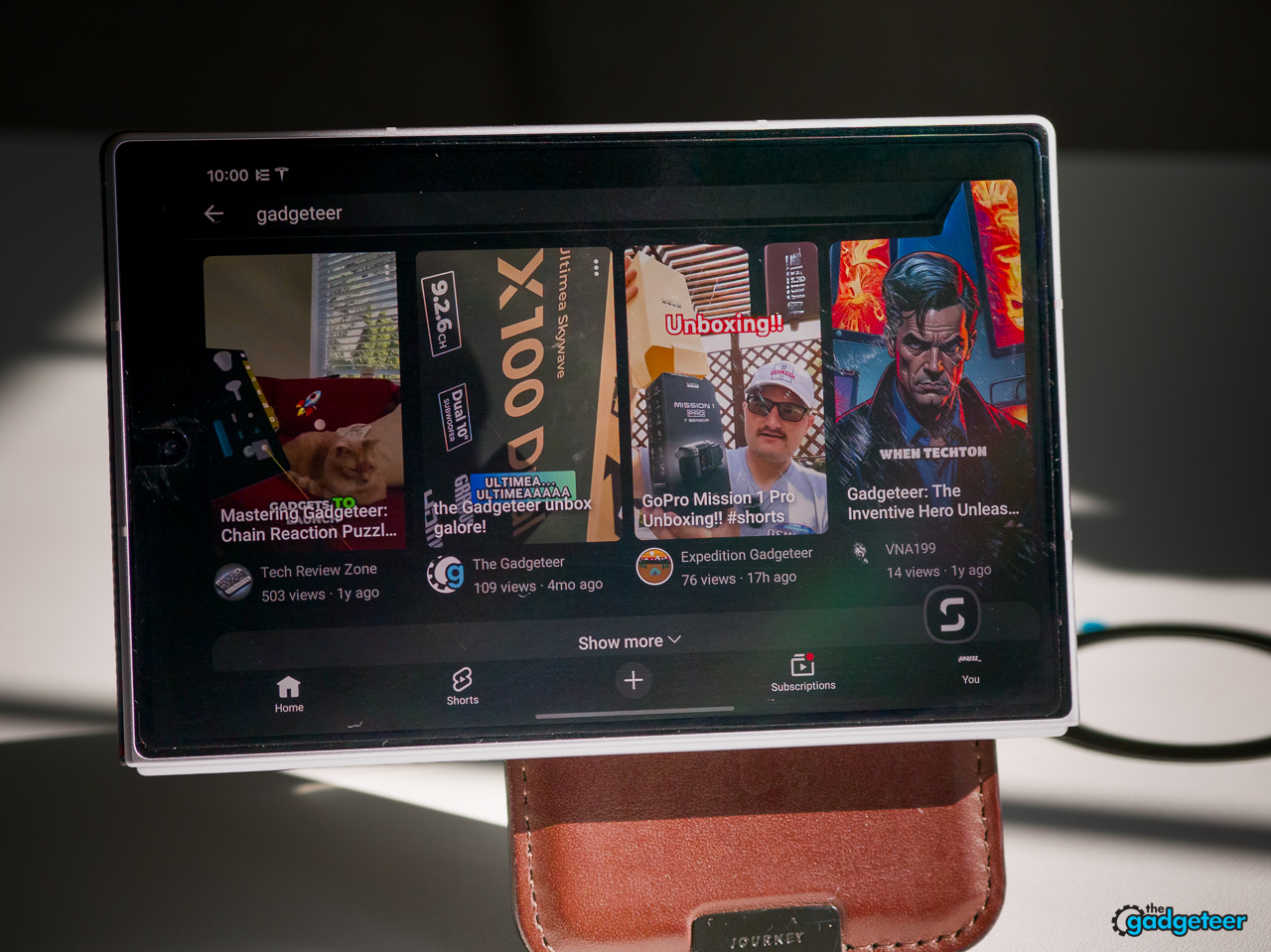
The Fold8 isn’t an old-fashioned device with unused space inside. Every fractional millimeter already has a job. Making the hinge or inner display easier to reach can mean giving up room, thickness, battery capacity, rigidity, or another part of the experience buyers expect from a modern foldable. iFixit is right to show the cost of that engineering. Its score isn’t the whole story.
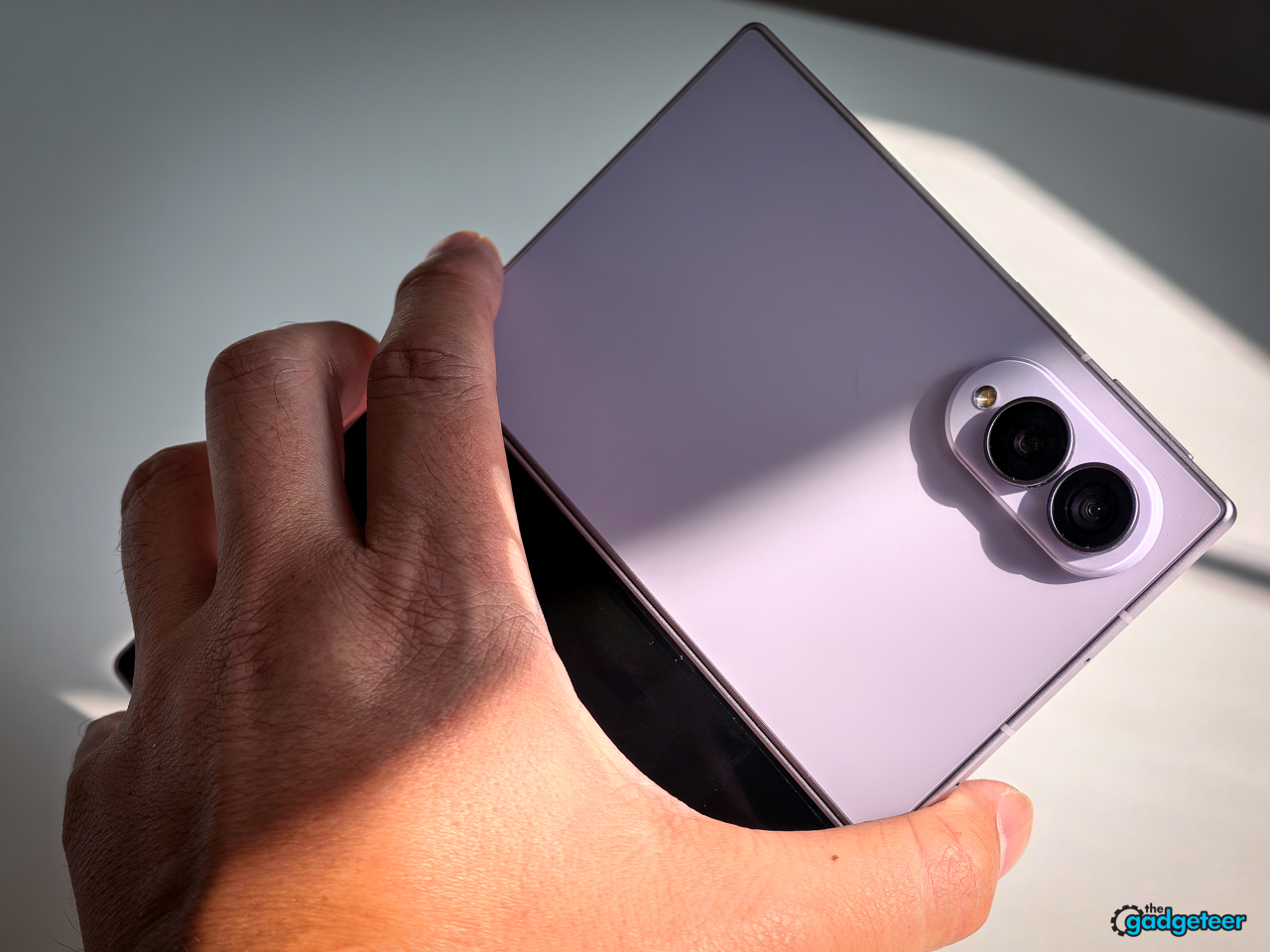
Samsung did improve the parts that fail first
The USB-C port is a real advance because it addresses a common repair without turning it into a larger rebuild. iFixit also praised Samsung’s battery pull jackets, which should make the cells less destructive to remove once the phone is open.
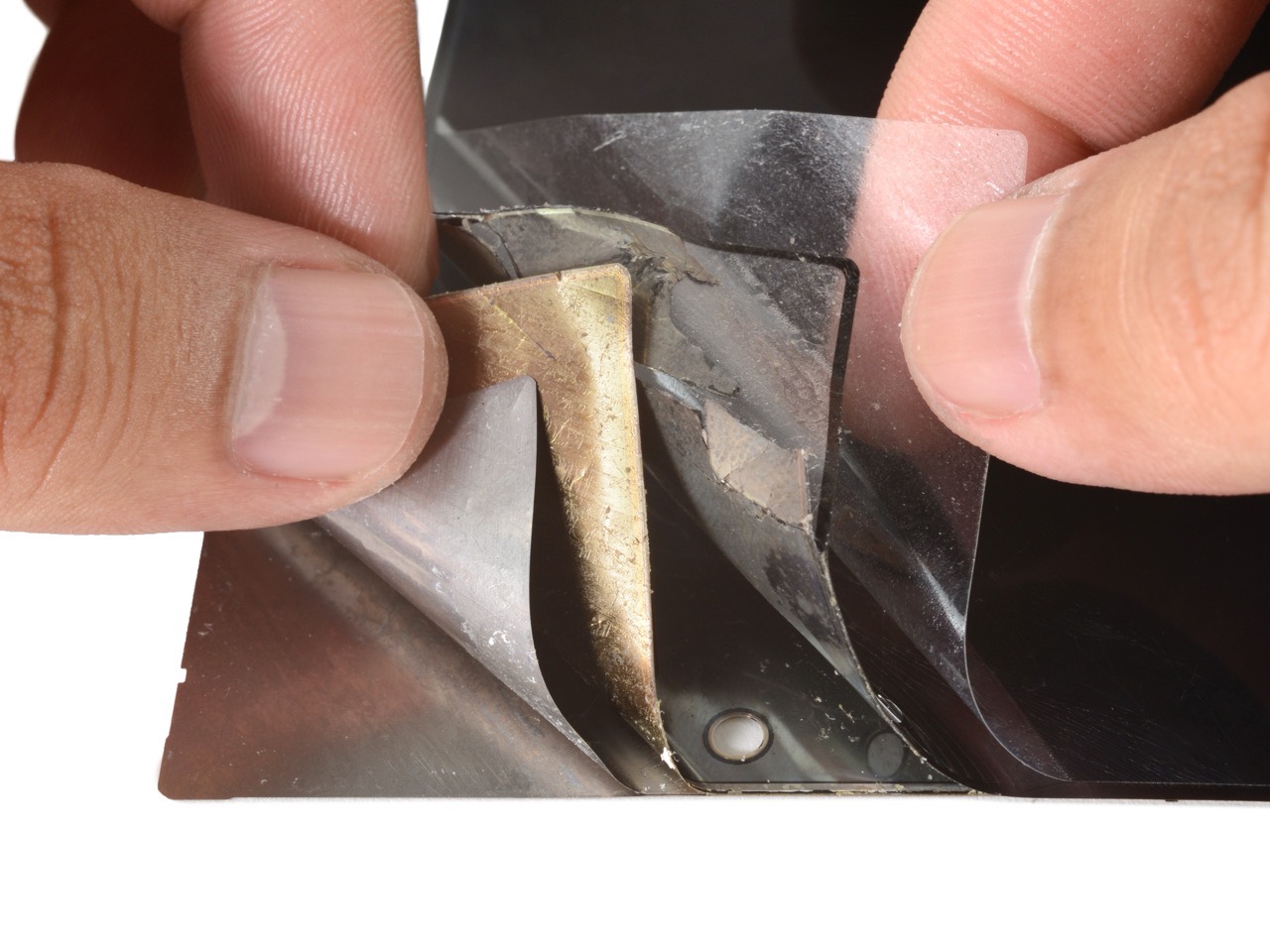
Those changes show Samsung can make better repair decisions without compromising the Fold8’s design. They could lower the hassle and cost of repairs people are most likely to need over a long ownership cycle.
But they sit beside a design whose hardest repairs are still the ones buyers care about most. The hinge, inner display, and one battery behind the outer screen are not simple service jobs. That is why the 4 out of 10 score feels fair: Samsung improved the entry points, but not the jobs that define the Fold8’s long-term risk.
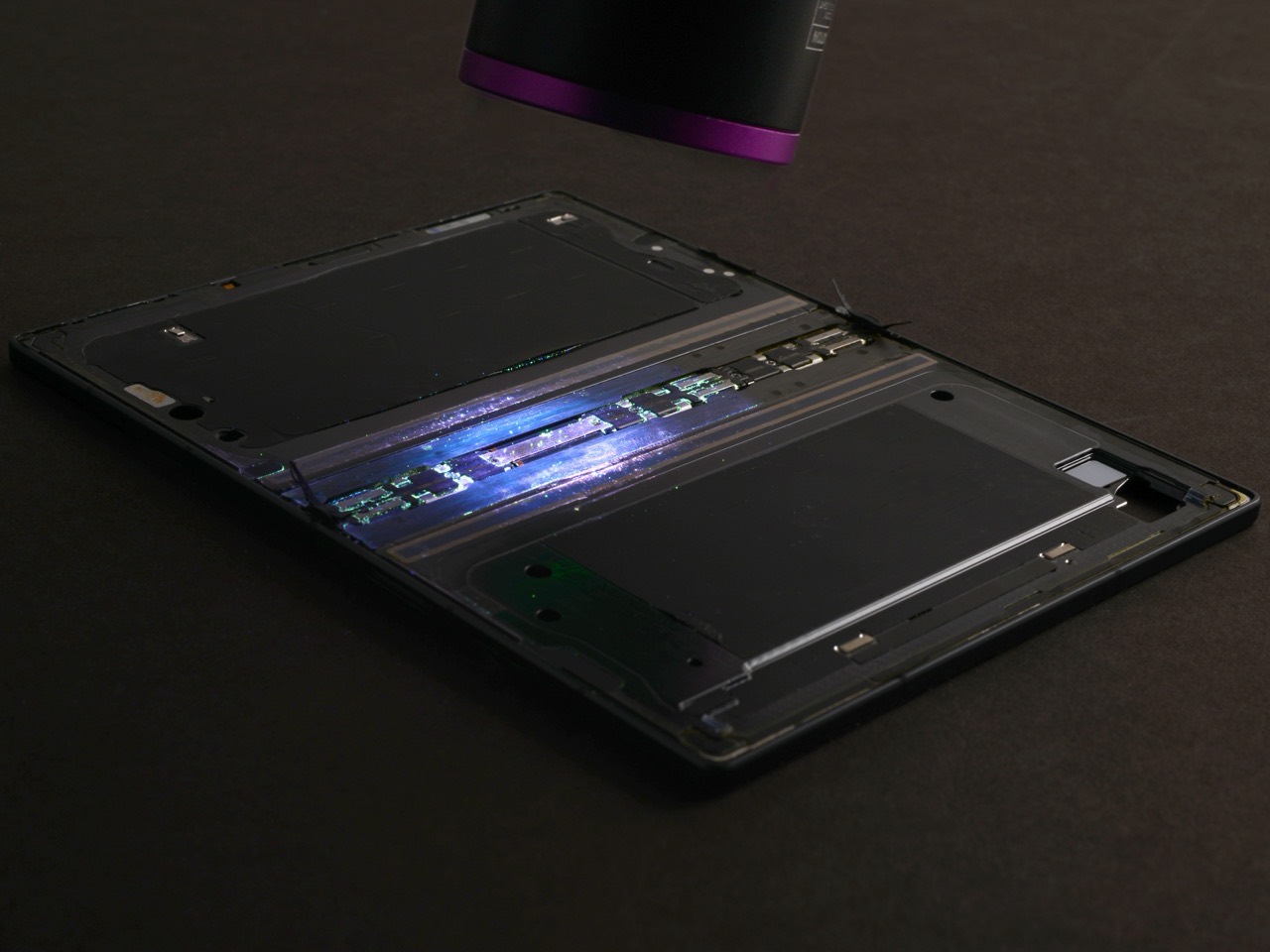
The Fold8 teardown is not a reason to dismiss Samsung’s newest foldable or to pretend the 4 out of 10 score is meaningless. It is a reminder that there are two sides to the design: Samsung has made a real repair improvement at the USB-C port, while the foldable hardware that makes this device special remains specialist work.
For an owner covered by warranty or a protection plan, that distinction may never turn into a repair bill. For a buyer who keeps a phone far beyond coverage, it is valuable information. Either way, the Fold8 deserves to be judged as a complete device, not only by how pleasant it is to take apart.