

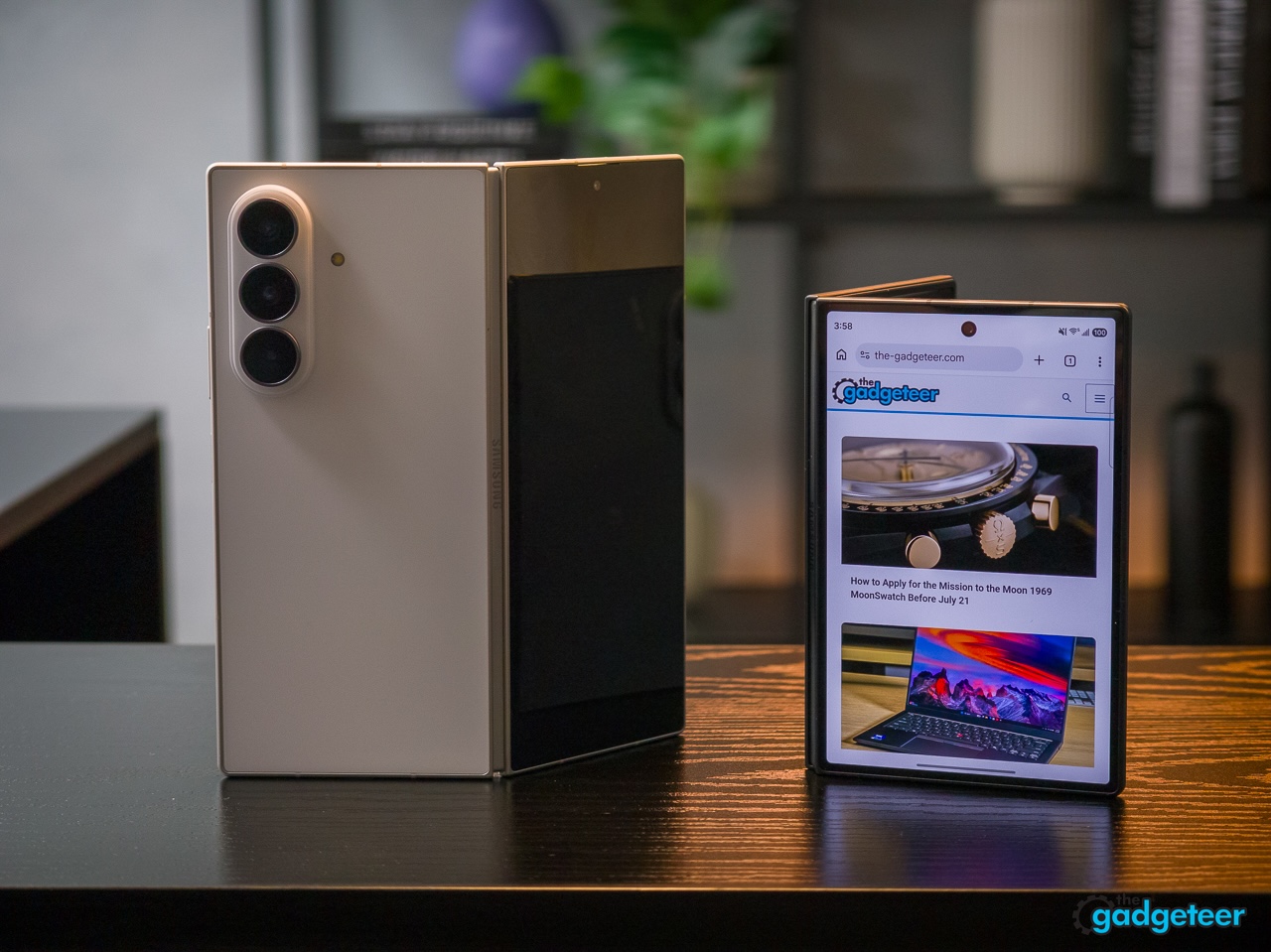
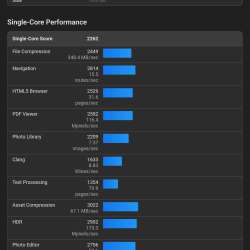
I ran Geekbench 7 on my Galaxy Z Fold8 and got 2,262 single-core and 6,317 multi-core. It’s one initial run rather than a verdict on the phone, but it lands well behind a public Galaxy S26 Ultra result that identifies the same Qualcomm SM8850 platform: 2,966 single-core and 10,196 multi-core.
Samsung Galaxy Z Fold8
Price: From $1,899.99
Current offer: Free storage upgrade, up to $1,200 in instant trade-in credit, or up to $1,900 through eligible carrier deals
Offer ends: August 7, 2026, while supplies last and subject to eligibility
Where to Buy: Samsung
That isn’t the result I expected. The Fold8 felt fast in my hands. Geekbench identified the hardware I expected. But this particular score needs an explanation before I pretend it says something simple about Samsung’s newest foldable.
What Geekbench saw inside this Fold8
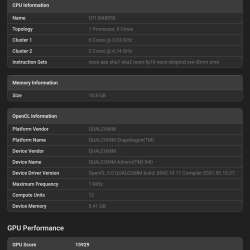
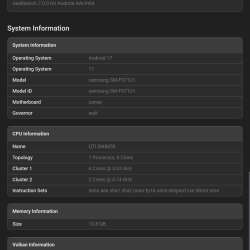
Geekbench 7.0.0 for Android AArch64 identified this U.S. Fold8 as samsung SM-F971U1, running Android 17 on the canoe motherboard. It reported Qualcomm’s SM8850, an eight-core CPU with six cores at 3.63GHz and two at 4.74GHz, an Adreno 840 GPU, 10.8GB of visible memory, and a 2448 x 1814 display at 404 PPI.
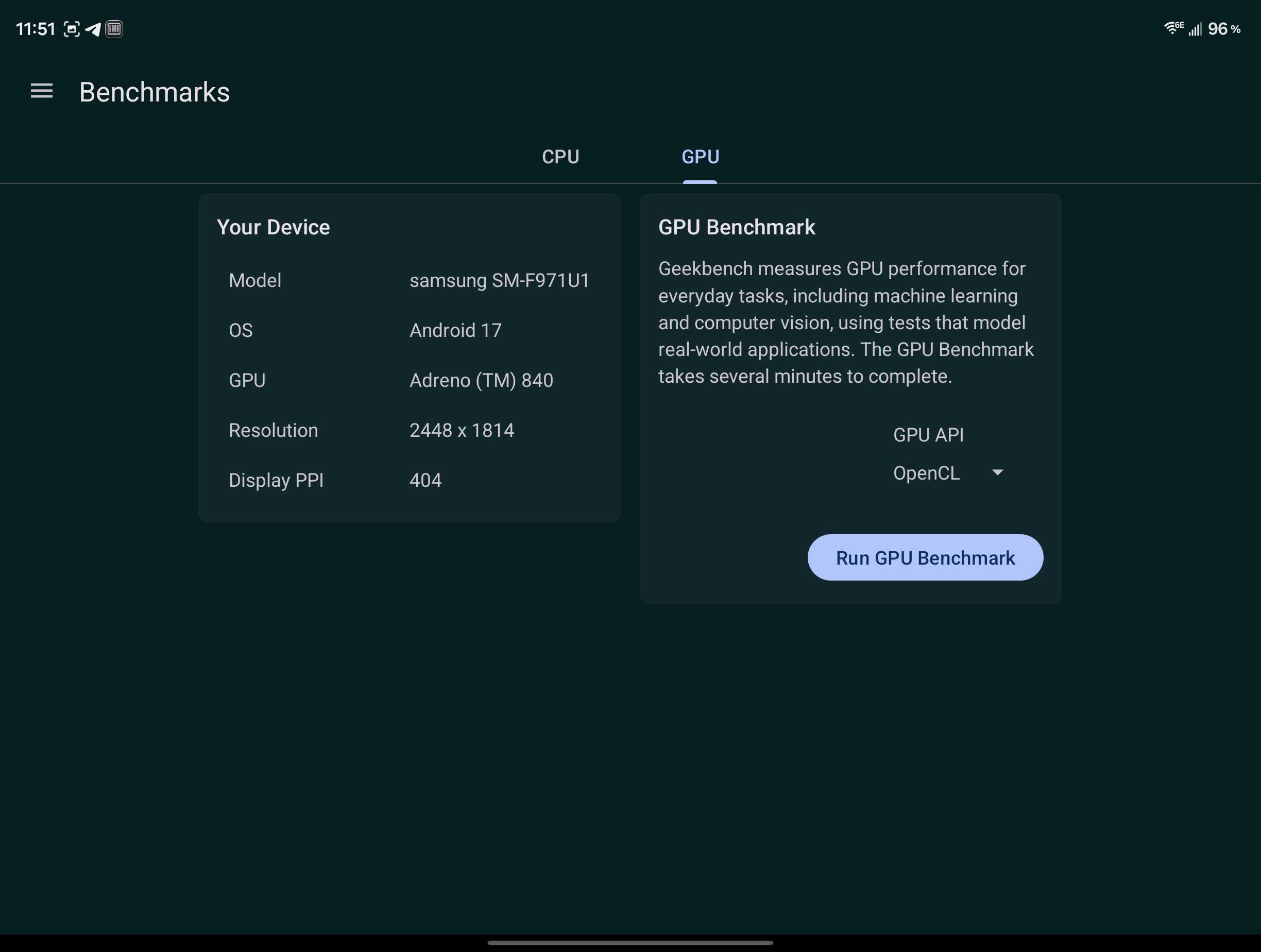
That lines up with Samsung and Qualcomm’s public platform story. Samsung says the Fold8 uses Snapdragon 8 Elite Gen 5 for Galaxy. Qualcomm says that platform brings its third-generation Oryon CPU, Adreno GPU, and Hexagon NPU to Samsung’s latest Galaxy hardware. Qualcomm’s July announcement also confirms that Snapdragon powers the Galaxy Fold8 and Fold8 Ultra globally, while the Flip8 gets it in select regions.
TG’s first Geekbench 7 results
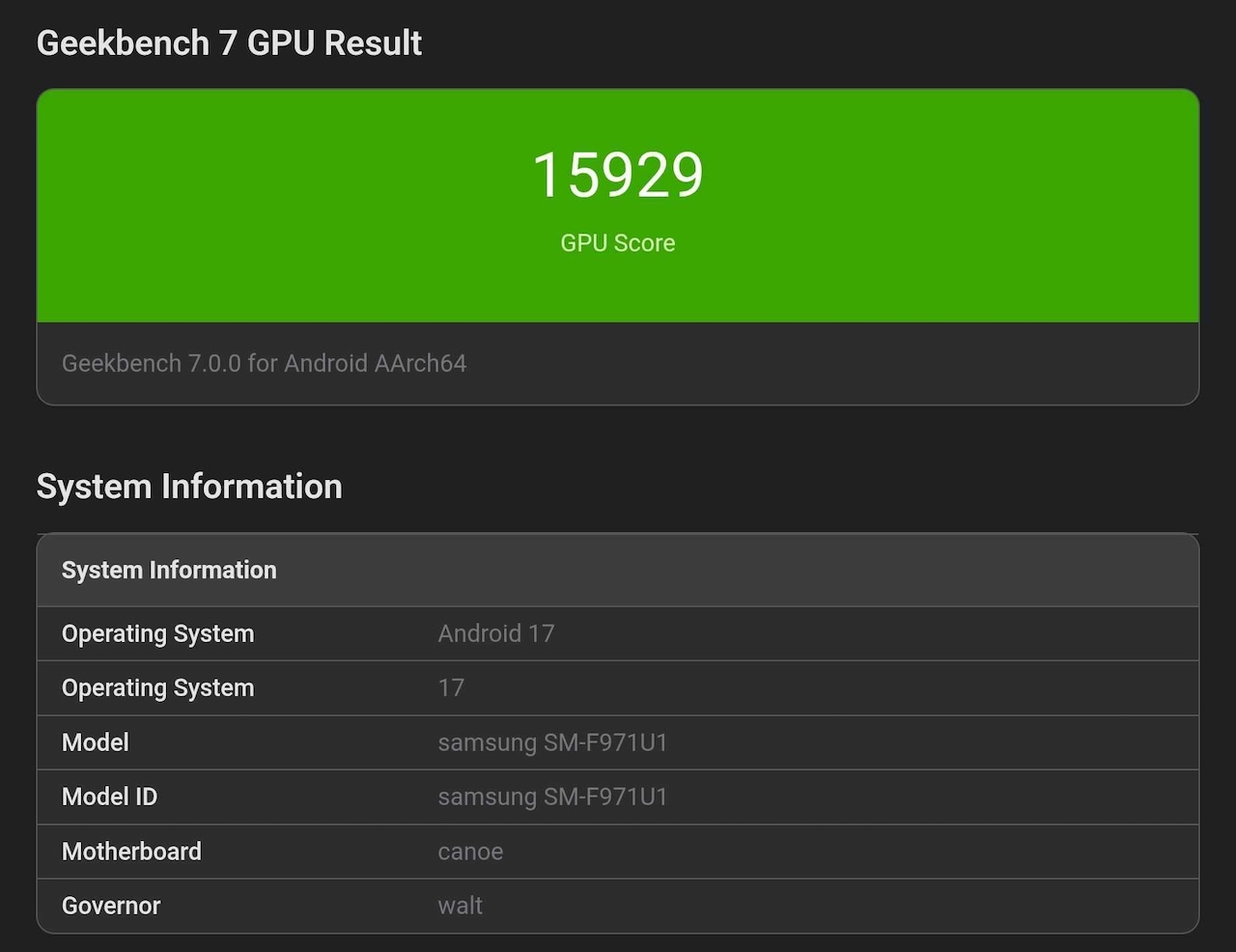
Geekbench 6 didn’t install successfully on this unit. Geekbench 7 was available and completed.
| Test | TG Galaxy Z Fold8 result |
|---|---|
| Geekbench 7 CPU single-core | 2,262 |
| Geekbench 7 CPU multi-core | 6,317 |
| Geekbench 7 OpenCL | 15,929 |
| Geekbench 7 Vulkan | 21,425 |
The CPU score is the odd part. One run can’t convict a processor, and it can’t stand in for day-to-day phone performance either. But it’s fair to call this a puzzling first result.
The limited Geekbench 7 comparison
| Device | Chip | Geekbench version | Single-core | Multi-core | Context |
|---|---|---|---|---|---|
| Galaxy Z Fold8, TG test | QTI SM8850 | Geekbench 7.0.0 | 2,262 | 6,317 | One initial TG run |
| Galaxy S26 Ultra | QTI SM8850 | Geekbench 7.0.0 | 2,966 | 10,196 | One cited public result |
| Galaxy S25 Ultra | Public result | Geekbench 7.0.0 | 2,494 | 8,416 | One cited public result |
| Galaxy Z Fold6 | Public submissions | Geekbench 7.0.0 | 1,846 to 1,922 | 6,212 to 6,471 | Two early submissions |
Against the cited S26 Ultra result, this Fold8 run is about 24% lower in single-core and 38% lower in multi-core. The S26 Ultra result is the closest available comparison because it reports the same SM8850 processor and the same 4.74GHz and 3.63GHz CPU-cluster layout.
Against the cited S25 Ultra result, this Fold8 run is about 9% lower in single-core and 25% lower in multi-core.
The early Fold6 submissions make the multi-core result even more interesting. This Fold8 result is about 18% to 23% higher in single-core, but it’s essentially tied in multi-core with that small Fold6 range. That doesn’t mean the Fold8 performs like a Fold6 in every task. It means this one Geekbench 7 run ended up in a range I didn’t expect.
I couldn’t verify a trustworthy public Galaxy Z Fold7 Geekbench 7 result at publication time. I’m not going to borrow a Geekbench 6 result to fill that gap.
Why Geekbench 6 can’t join this conversation
Geekbench 7 launched on July 23, 2026. Primate Labs says it changes the workload set and redesigns the multi-core benchmark so work uses multiple threads only when the represented real-world task normally would. Its version guidance also says results from different major Geekbench versions aren’t comparable.
So the comparison rule here is simple: Geekbench 7 against Geekbench 7 only. No Geekbench 6 leaks, no older version scores, no manufacturer performance percentages, and no unrelated benchmark suite trying to tell the same story.
The GPU results are baselines for now
The Fold8 returned 15,929 in OpenCL and 21,425 in Vulkan. Those are two separate API results. I’m not treating Vulkan as a percentage faster than OpenCL, and I’m not putting either result beside Geekbench 6 GPU scores.
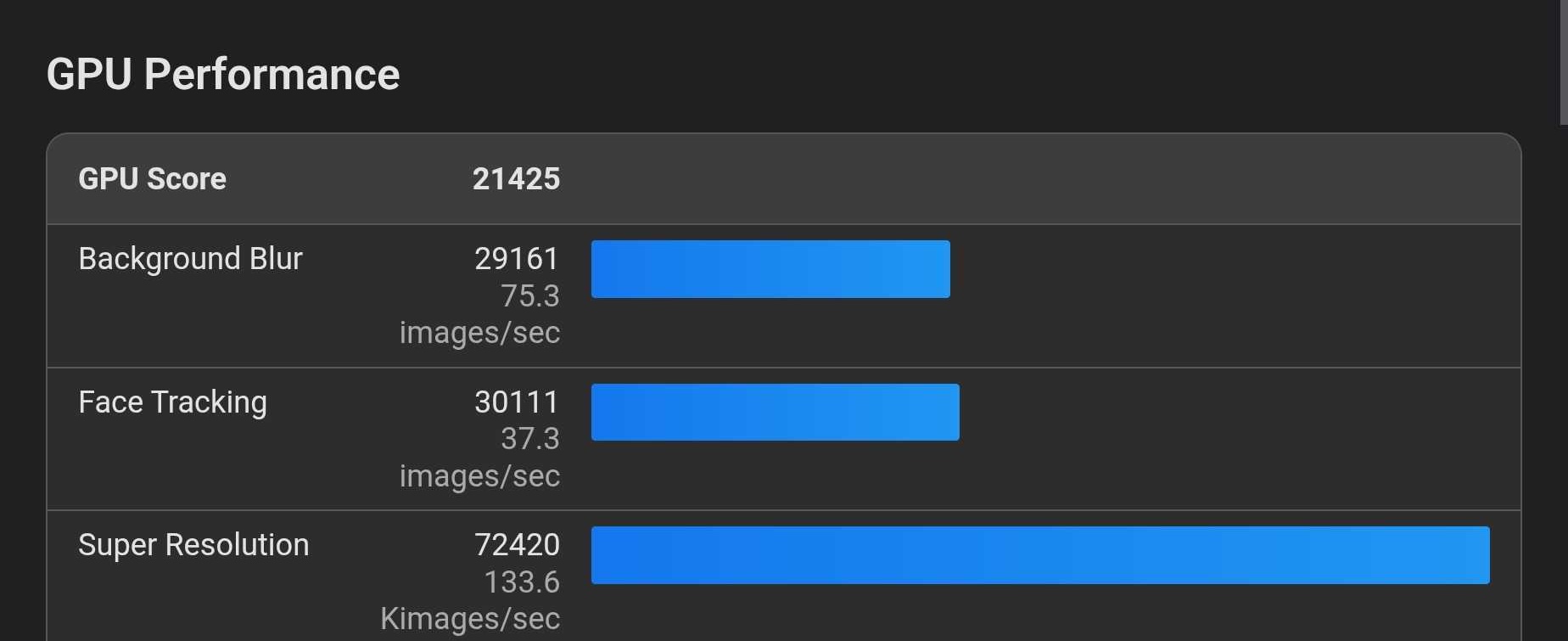
The public Geekbench 7 GPU pool is still too thin for a responsible device comparison. For now, these are TG baselines for this Fold8 test unit.
What could explain a lower-than-expected CPU score?
Several explanations are possible, and none has been proven. Early firmware, background setup activity, device temperature, power-management behavior, the thermal limits of a thin folding chassis, a one-off abnormal run, or Geekbench 7 compatibility and optimization could each affect an early result.
The benchmark did see the expected chipset and CPU layout. What it didn’t deliver was the kind of multi-core result I expected from that hardware. Those are different claims.
 What I’m testing next
The useful follow-up is controlled, repeatable testing: reboot the phone, let it cool, stop background downloads and setup work, document power settings, then run the same Geekbench 7 test again under consistent conditions. I also want more same-version Fold8 and Fold7 submissions before trying to turn a first result into a broader performance story.
The TG take
This isn’t a Fold8 performance verdict. It’s a real first result that doesn’t yet make sense beside the cited S26 Ultra submission using the same chip.
Samsung Galaxy Z Fold8
Price: From $1,899.99
Current offer: Free storage upgrade, up to $1,200 in instant trade-in credit, or up to $1,900 through eligible carrier deals
Offer ends: August 7, 2026, while supplies last and subject to eligibility
Where to Buy: Samsung
The Fold8 felt quick during my early use, which is why the score is more interesting, not less. A $1,899.99 foldable with Qualcomm’s newest Galaxy platform should earn repeat testing when its first multi-core result lands near two early Fold6 submissions. Until that happens, 2,262 single-core and 6,317 multi-core are best read as an unexpectedly low initial run.



Gadgeteer Comment Policy - Please read before commenting
I just ran it on the fold 8 and got 2899 on single and 8150 on multi.