
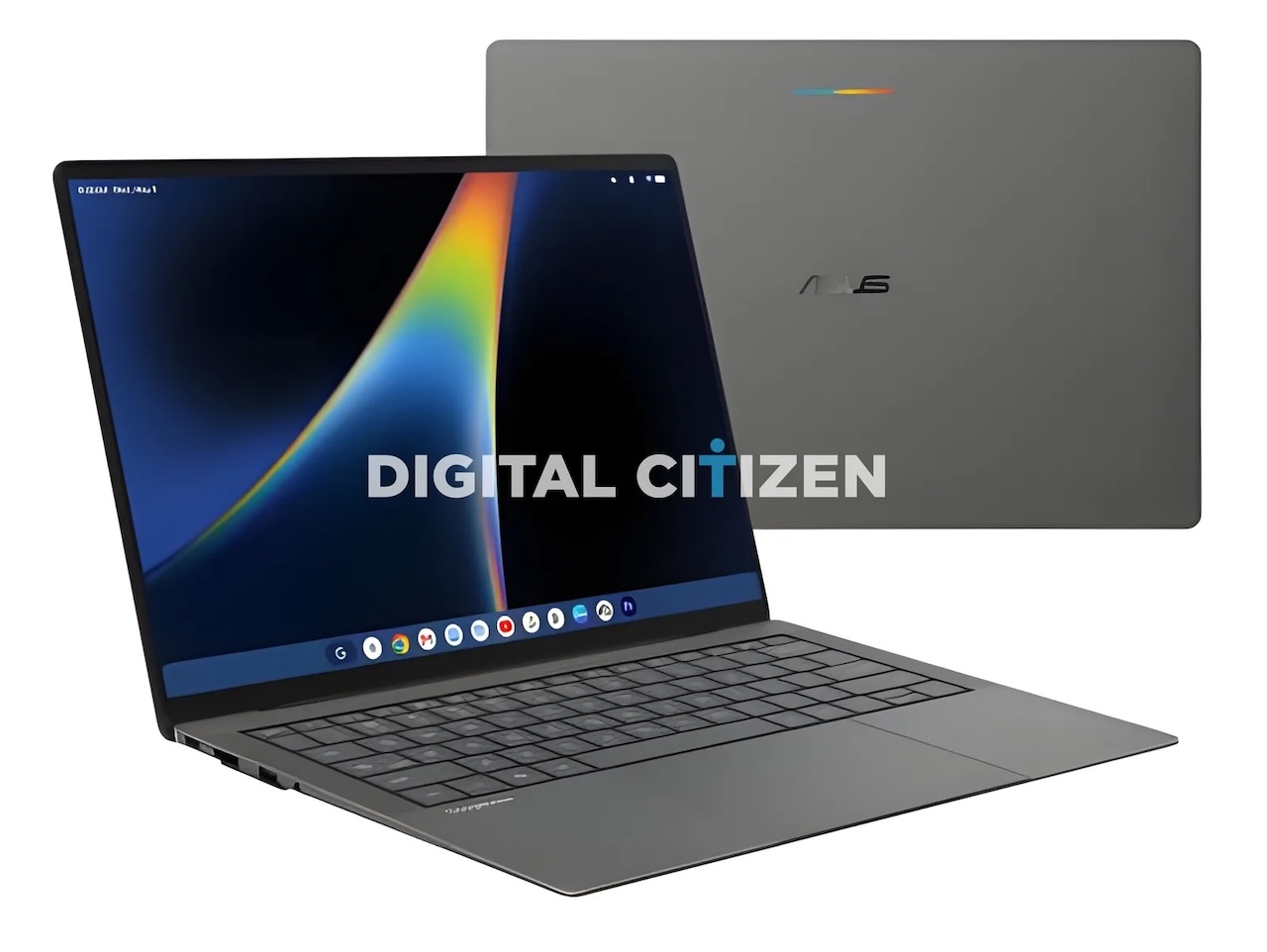
Most laptop rebrands die in the logo. Googlebook is trying something more visible. Meet the Googlebook Glowbar: a strip of light you can spot before the lid even opens.
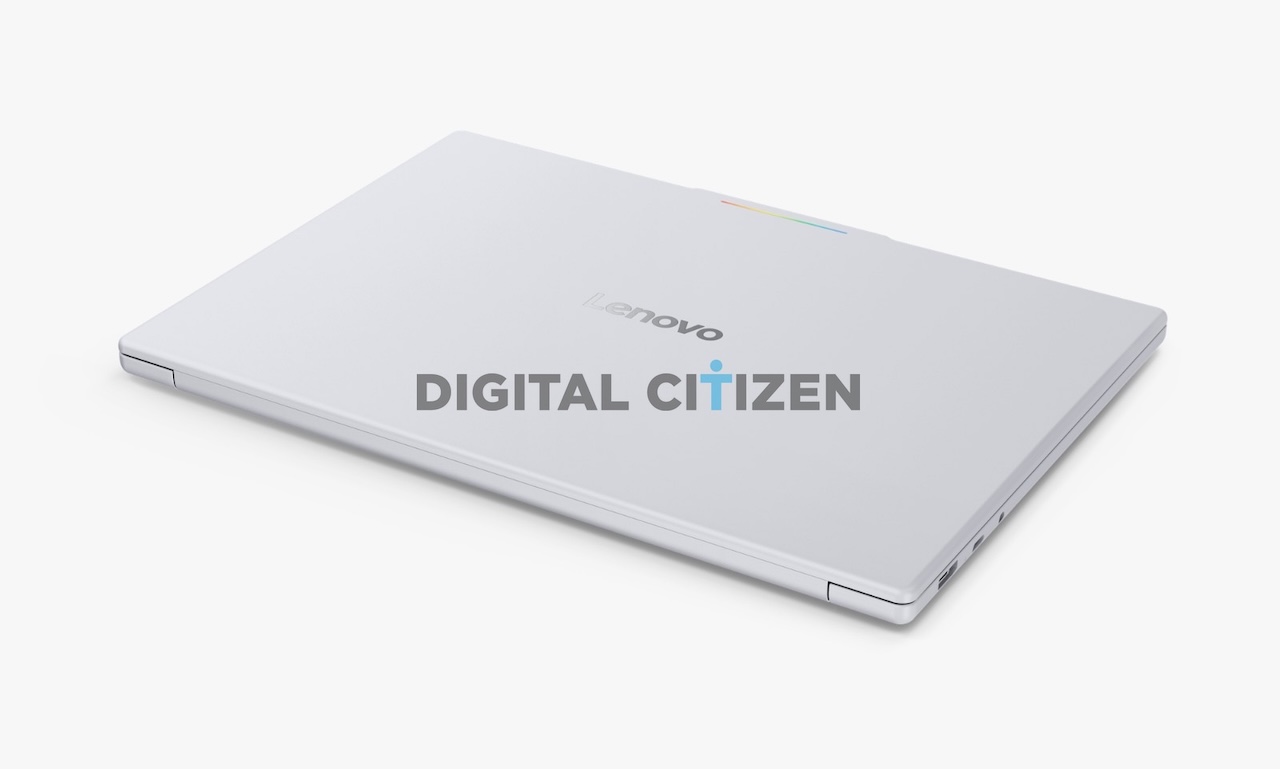
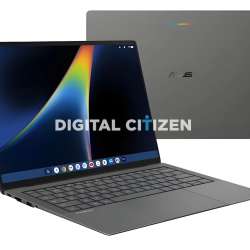
Google already told us this was coming. When it introduced Googlebook in May, it said you’d know one by its unique glowbar, a detail it called both functional and beautiful. Nobody had seen how that rule would land on hardware from competing manufacturers. Leaked renders published by Digital Citizen now show it on both ASUS and Lenovo machines, and the two interpretations aren’t the same.
Google Made the Glowbar a Rule Before Anyone Saw the Hardware
This part isn’t a rumor. Google said every Googlebook would be built with premium craftsmanship and materials, and that the glowbar is how you’d identify one. It has also said the strip does more than glow in brand colors, and that it deliberately faces away from you when the lid is open.
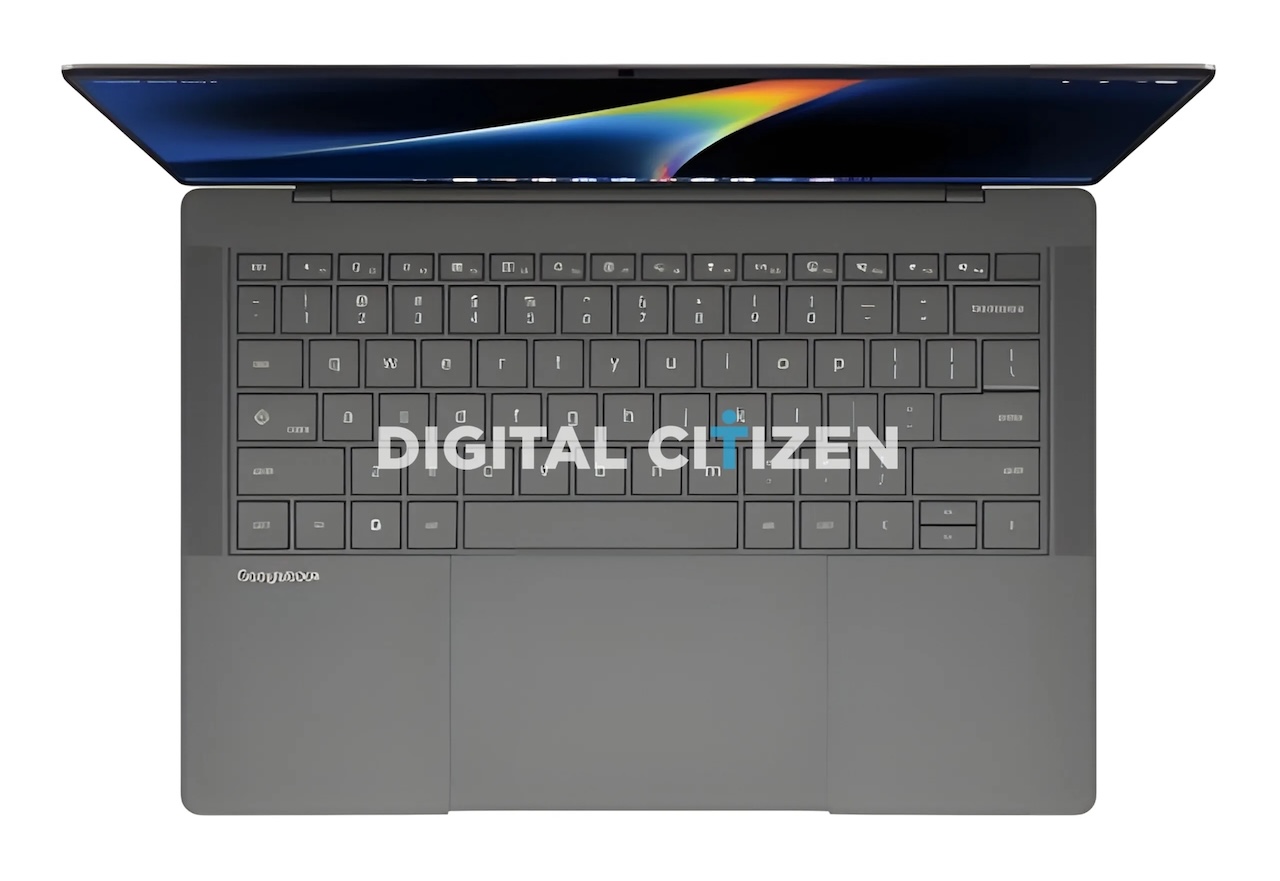 That’s a real break from Chromebooks, which spent years sharing an operating system while looking like whatever their manufacturers wanted. The Googlebook Glowbar becomes a physical marker that carries across brands, which matters if Google wants a new category rather than a renamed Chromebook shelf.
Two Brands, One Rule, Two Very Different Reads
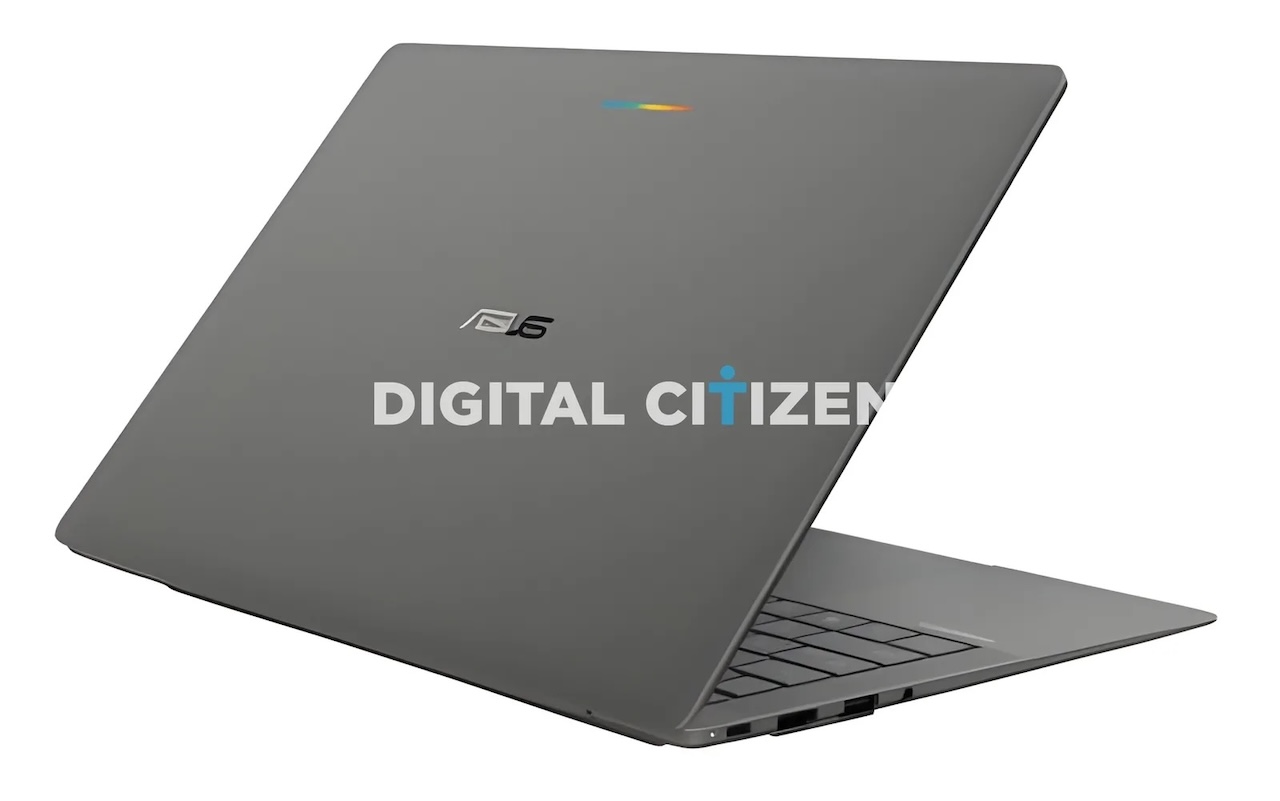
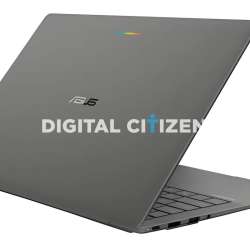
The ASUS render puts a thin horizontal bar above the ASUS logo, running through Google’s blue, green, yellow, and red on a dark gray lid. It reads like a small badge of identity rather than a gamer-style lighting strip.
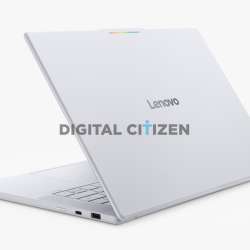
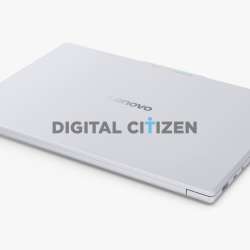
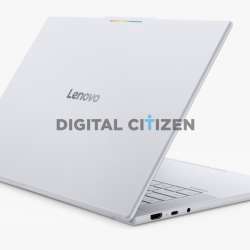
Lenovo goes the other way. On a pale cloud white lid, the four colors have nowhere to hide, and the strip reads as a thin printed band laid into the metal. Lenovo also shifts it near the top edge above the camera housing instead of seating it under a logo.
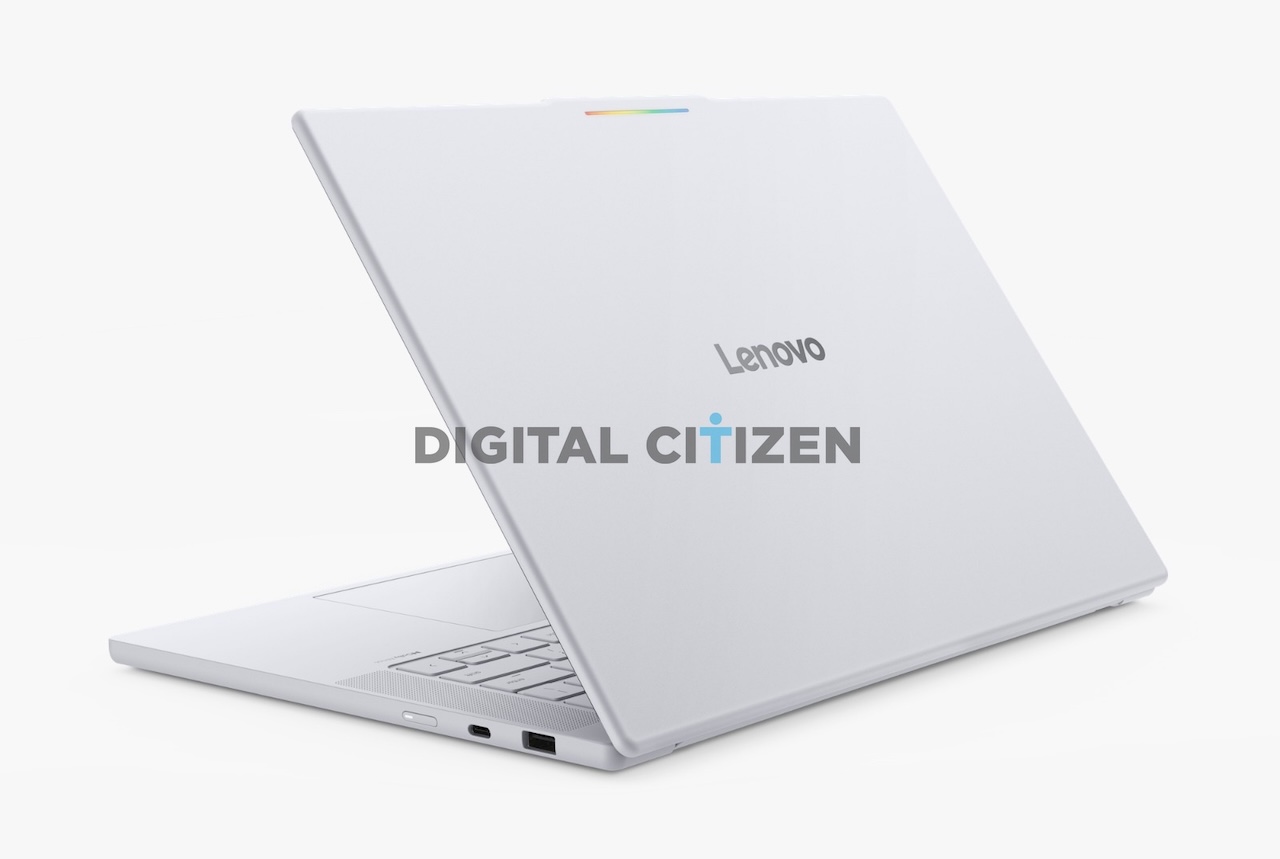
That gap is the interesting part. It’s the same mandated cue read through two different design languages, which is what a category rule looks like once it survives contact with actual manufacturers.
What the Glowbar Might Actually Do
The leaked details point to the Glowbar working like the HiLight indicator on the Pixel 11, pulsing for charging, notifications, Gemini listening states, incoming calls, or do not disturb. Treat that as an expectation, not a confirmed feature list.
The idea makes sense. A laptop lid is dead space most of the day, especially when the machine is shut, and a small external indicator could tell you what’s happening without opening it. If the Glowbar only repeats notifications your phone already handles, it’s decoration. If Google ties it into charging, privacy, Gemini, and phone-connected states, it gives Googlebook a behavior a renamed Chromebook wouldn’t have.
 The Quiet Hardware Choice That Matters More Than the Light
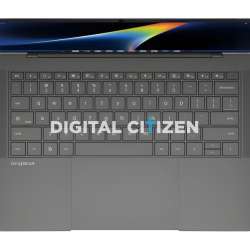
Watch the webcam shutter. One pair of ASUS renders is labeled for the webcam closed state, and the camera aperture visibly changes between shots. If Gemini is meant to sit deep inside the Googlebook experience, a physical privacy shutter is the kind of boring hardware decision that becomes important fast.
The rest of the spec picture is thinner than it looks. ASUS is working with an Ultra-Ceramic Light Alloy chassis it reportedly claims is 34 percent lighter and 13 percent stronger, and both machines keep HDMI, USB-C, USB-A, and a headphone jack despite thin profiles. Generous for sub-kilogram hardware, but port counts aren’t what makes this category new.
 Why Google Needs a Visual Hook at All
Googlebook isn’t just a Chromebook refresh. Google has described it as the next premium laptop chapter, with Android and ChromeOS pulled into a Gemini-first desktop experience that’s expected to run Android phone apps natively and connect more deeply with files on your phone.
That’s a hard story to sell from a shelf photo. Android apps, Gemini, Magic Pointer, and a new desktop shell all need explaining. A Glowbar explains none of it, but it gives the category a visual hook while the software catches up, and it says Googlebook isn’t hiding inside the old Chromebook silhouette.
What We Still Don’t Know
Google has confirmed the Glowbar but not the specifics. We still don’t know which states it supports, whether you can customize it, or how tightly it hooks into Gemini. And these are leaked renders, not official product pages from Google, ASUS, or Lenovo.
The hardware is just as open. ASUS is rumored to have an Intel Core Ultra 7 configuration with up to 64GB of RAM, but the listing behind the renders reportedly looked unfinished, and display, storage, battery, weight, and price are all unconfirmed. Google says the first Googlebooks arrive this fall from Acer, ASUS, Dell, HP, and Lenovo, so IFA in early September is the next place to watch.
The Bottom Line
Chromebooks were defined by price, browser-first software, and school-friendly practicality. Googlebooks look like they’ll be defined by Gemini, Android app continuity, and a lid you can recognize while it’s closed.
That doesn’t make the Glowbar useful by itself, and Google still has to prove it does more than glow. But if it becomes a real status strip for charging, calls, privacy, and Gemini, the smallest detail on these laptops could end up being the clearest symbol of why Googlebook exists.


Gadgeteer Comment Policy - Please read before commenting
The Pixel C tablet literally did this 11 years ago, where “the multi-color LED light bar on the back … shows you the battery level [when the back cover is double tapped].”
It’s amazing that Google nailed the Pixel C hardware so extraordinarily well, then put Android on it and forgot about it after just two Android iterations (launching with 6 and ending with 8), during which time Google put absolutely zero effort into “desktop-ifying” Android. Meanwhile, literally at the same time, Lenovo had the Android-powered Yoga Book with a taskbar and floating freeform app windows.
Can we stop trusting Google to do anything well, please?