
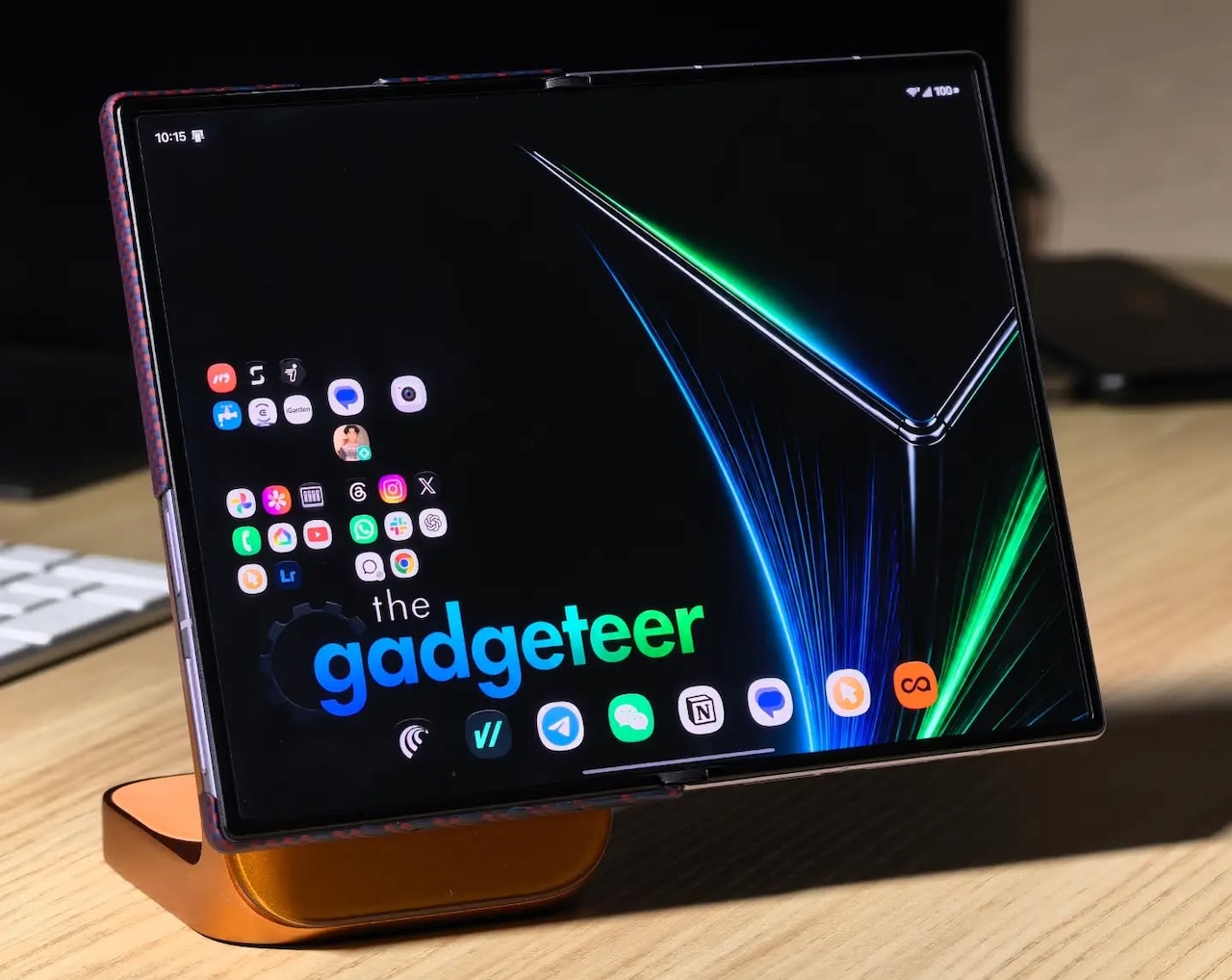
Titanium in a phone usually means the frame you’re gripping, not something buried where you’ll never see it. Samsung’s new Flex Titanium breaks that assumption. Announced by Samsung Electronics America earlier in July, the technology rebuilds the layers underneath the screen instead of anything visible, with titanium showing up twice: once as a film and once as a plate, each doing a different job.
Samsung frames the work as the product of seven foldable generations. The company says owners kept asking for the same combination: a bigger screen that pulls you in, a crease you notice less, and no loss of toughness or pocketability.
That’s a hard set of demands to satisfy at once, because the usual fix for one of them makes another worse. Here are the eight things the announcement actually establishes.
1. Flex Titanium Lives Inside the Display Stack
Samsung has put titanium in phone frames before, so the name invites the wrong assumption. Flex Titanium isn’t a chassis material. It’s two titanium-based components built into the display structure itself, and Samsung says the pair has to stay slim, stay bendable and stay strong all at once.
That placement matters. Samsung didn’t change the glass you tap or the frame you hold, and went instead to the support layers sitting underneath the panel.
2. The Film Is 20 Times Stiffer Than Polymer
The first component is a titanium-alloy film, and it holds the screen up from the inside, tucked beneath the OLED panel. Measured against polymer film, Samsung puts its mechanical stiffness at 20 times higher.
Polymer film is the benchmark Samsung chose for that comparison, and it’s a reasonable one, since flexible support layers in foldable panels have generally been polymer-based. The company doesn’t say the film replaces any specific existing layer, so the cleanest reading is that this is the stiffness figure Samsung wants judged.
Stiffness is the property that resists the shallow valley a folding panel wants to settle into. That twentyfold figure describes the film on its own rather than the finished panel, but a support layer that resistant changes what the rest of the stack has to cope with.
 3. Samsung Rolled That Film Thinner Than a Human Hair
Samsung gets it that thin with a precision rolling step. The finished film runs about a third as thick as an average human hair, which is how it adds support without padding out the panel.
That’s the trick the whole announcement rests on. Stiffness usually costs thickness, and Samsung’s claim is that it got the first without paying for it with the second.
4. A Titanium Plate Supports the Display From Beneath
Below the film sits a titanium plate, which Samsung describes as a bendable structure carrying the display module from below. It’s the second of the two titanium components, and it’s doing a structural job rather than an optical one.
Samsung says the plate steadies the screen once it’s opened flat, while still bending as often as the hinge asks it to. Those two requirements pull against each other, which is why the plate isn’t simply a solid sheet of metal.
Titanium’s own stiffness is part of the engineering problem here, not just the solution. Samsung credits the metal’s strength for making it dependable, then points to that same stiffness as the reason it’s hard to fit into something thin and flexible.
5. Hole Processing Removes the Air Gaps
The plate grips the display more tightly because an advanced hole processing technique clears out the pockets of air that would otherwise sit between the module and the plate’s adhesive. That’s a bonding claim, not a hardness claim, and it’s easy to skim past.
Samsung chose to put a name behind this specific detail. Kyung-Jin Yoo, EVP and Head of Mobile Display Product Development Team at Samsung Display, is quoted crediting the sophisticated micro-patterned holes placed exactly where the plate bends, saying they secured flexibility alongside dependable durability.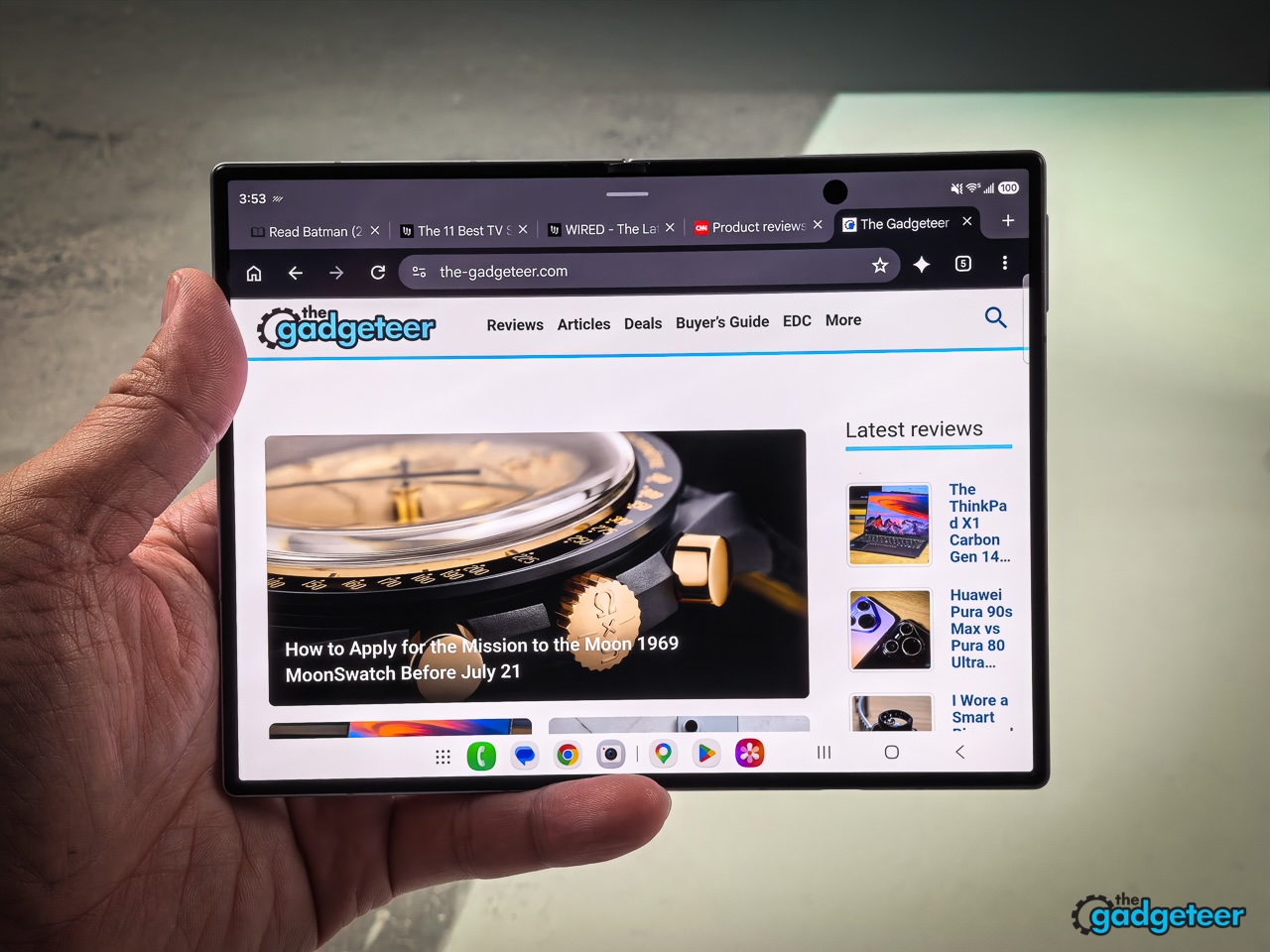
6. Samsung Says Crease Visibility Is Reduced, Not Erased
The language throughout the release is careful. Flex Titanium cuts how visible the crease is, and the viewing experience gets called more refined. Nowhere does Samsung say the crease is eliminated.
That distinction is worth holding onto, because reduced and gone are very different claims and only one of them is being made. Samsung’s own subhead promises reduced crease visibility and a foldable experience it calls more refined, which is a different promise from removal.
Samsung also hasn’t published a side-by-side measurement of crease depth against earlier generations, so the size of the improvement isn’t quantified anywhere in the announcement. What you get is a direction of travel and the structural reason behind it.
7. The Panel Upgrade Goes Beyond Structure
Alongside the titanium work, Samsung says the display pairs a high-resolution architecture with next-generation organic materials. Resolution gets described as ultra-vivid, and power consumption goes down.
Samsung calls the overall efficiency gain dramatic. It’s a separate change from the titanium components, bundled into the same generation of panel.
8. It Debuts With the Next Galaxy Foldables
Samsung says Flex Titanium debuts with its next-generation Galaxy foldables, plural. This isn’t a single-phone exclusive.
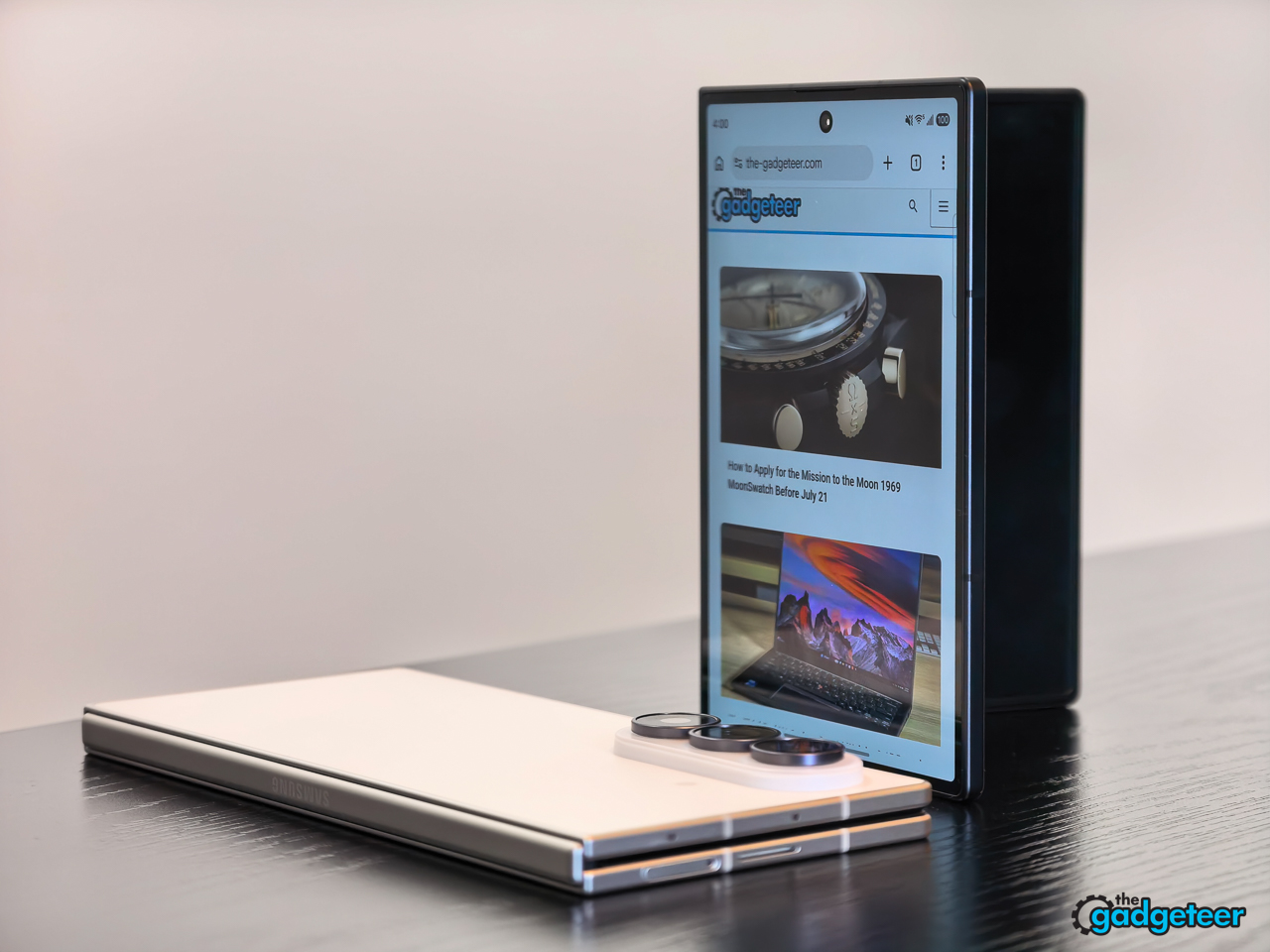
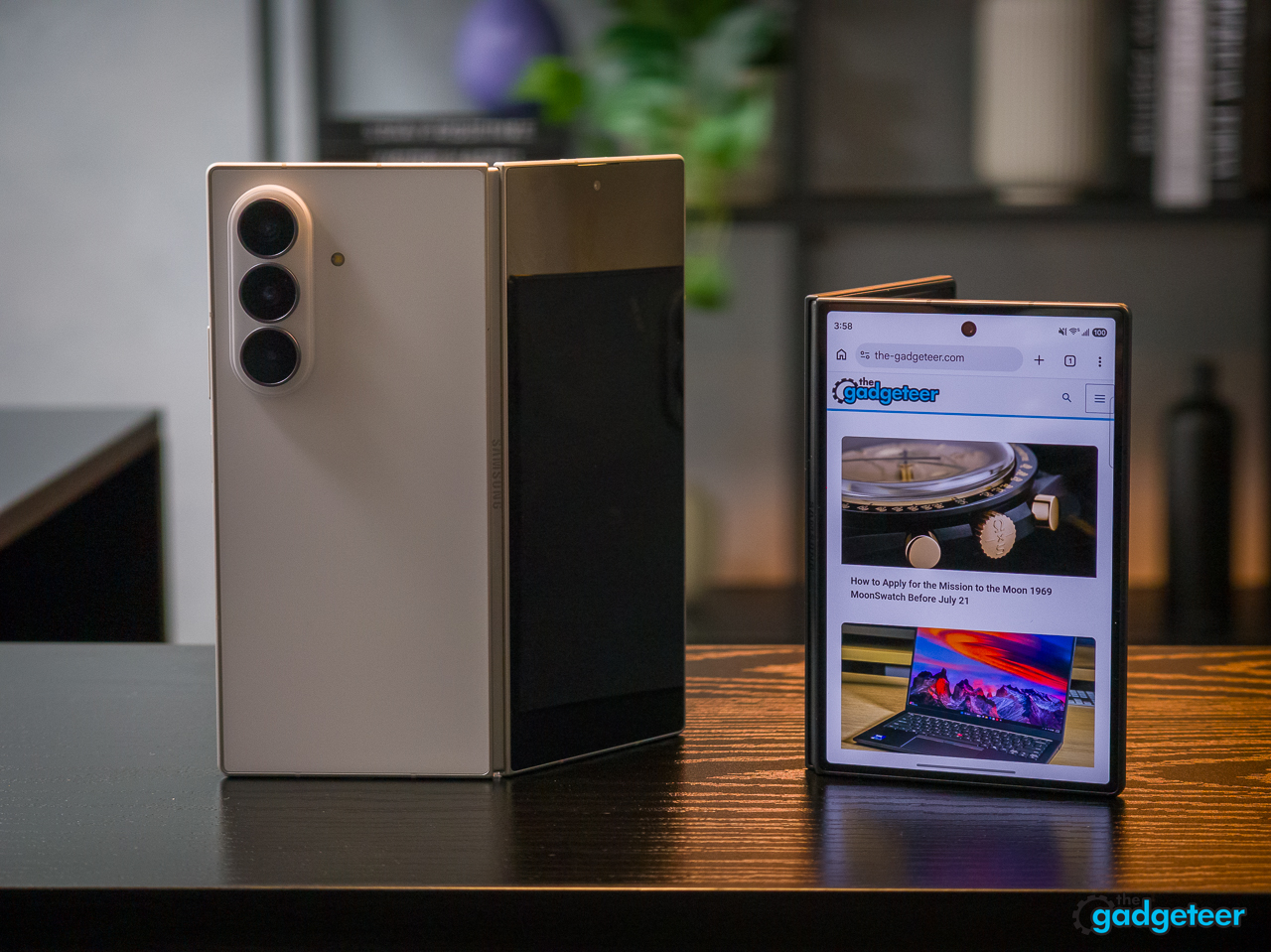
The Unpacked announcement on July 22 gives the shape of that rollout. Samsung lists the Galaxy Z Fold8 Ultra at 4.1 mm unfolded, 8.9 mm folded and 215 g, the Galaxy Z Fold8 at 4.5 mm unfolded and 201 g, and the Galaxy Z Flip8 at 6.1 mm unfolded and 180 g.
One footnote matters when you read those figures. Samsung states that the unfolded thickness doesn’t include the frame of the main screen, so the number describes the display section rather than the whole body.
What the Announcement Doesn’t Answer Yet
Samsung hasn’t disclosed a fold-cycle figure for Flex Titanium panels, published repair pricing for a titanium-reinforced display, or shown a measured crease comparison against the previous generation. None of those figures appear anywhere in the July announcements.
Those gaps don’t undercut the engineering. They just mean the parts of foldable ownership that cost money, repairs and long-term wear, are still unaddressed in public material.
Auto Amazon Links: No products found.
