
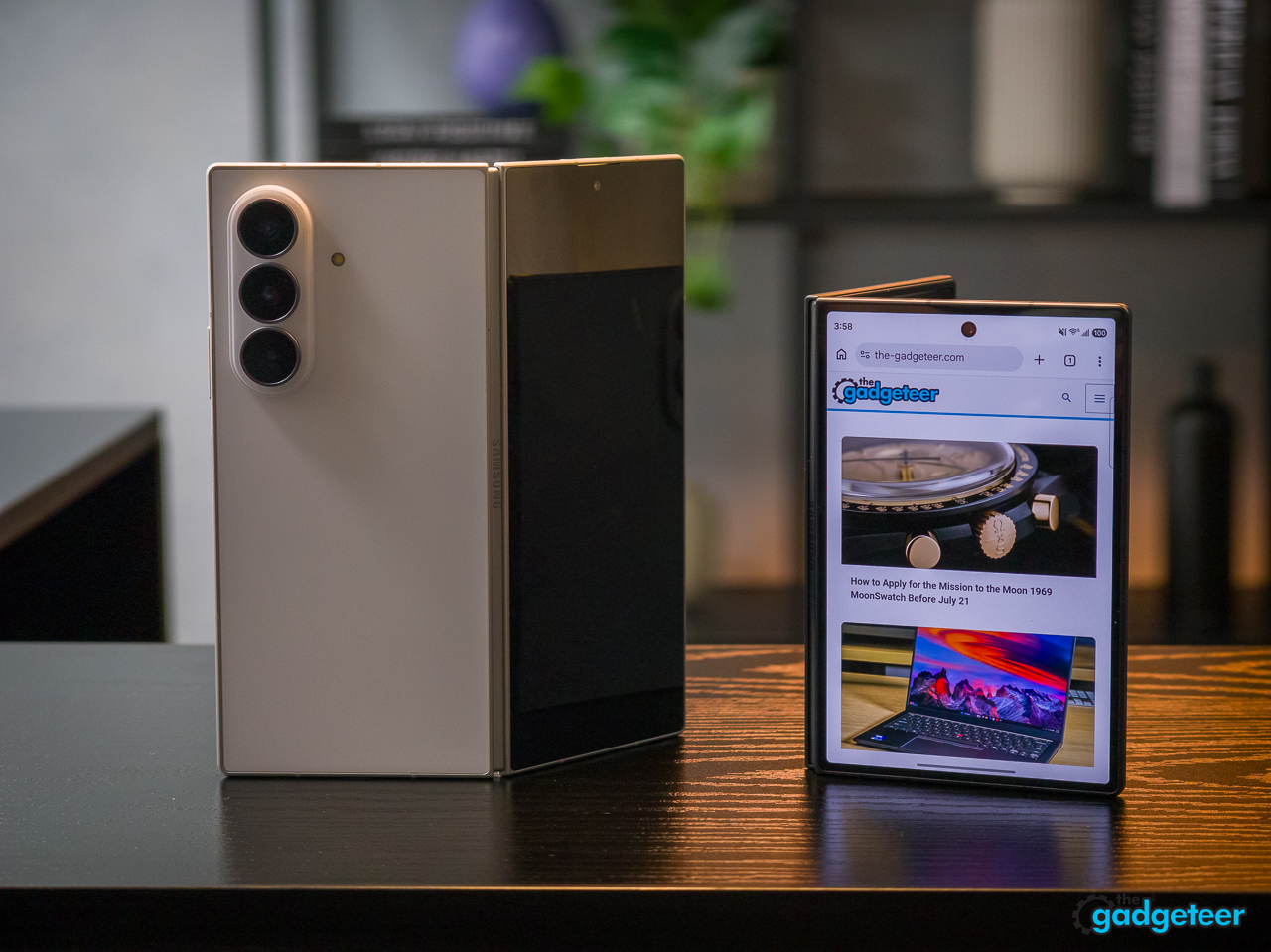
I went into Samsung’s briefing expecting the Galaxy Z Fold8 to feel too wide. That concern faded once I held it. At 201 grams, with a shorter body and weight that felt more dispersed across the wider frame, the standard Fold felt more natural and less top-heavy than I expected. That physical change may be more important than any benchmark or AI feature in Samsung’s new three-phone foldable lineup.
This isn’t a full review. I had limited time with pre-release hardware, so battery life, camera quality, sustained performance, durability, charging time, and long-term crease behavior still require proper testing.
The surprise is how quickly the hardware made its case anyway.
Samsung Galaxy Z Fold8
Price: From $1,899.99
Current offer: Free storage upgrade, up to $1,200 in instant trade-in credit, or up to $1,900 through eligible carrier deals
Offer ends: August 7, 2026, while supplies last and subject to eligibility
Where to buy: Samsung
Samsung designed two Folds for two different buyers
Samsung isn’t treating the Galaxy Z Fold8 as a less expensive Ultra. The two phones have different shapes and different jobs.
The $2,099.99 Galaxy Z Fold8 Ultra continues the taller book-style design Fold owners already know. Samsung aims it at buyers who want its strongest foldable cameras, a larger battery, a thin open profile, and a large screen built for multitasking.
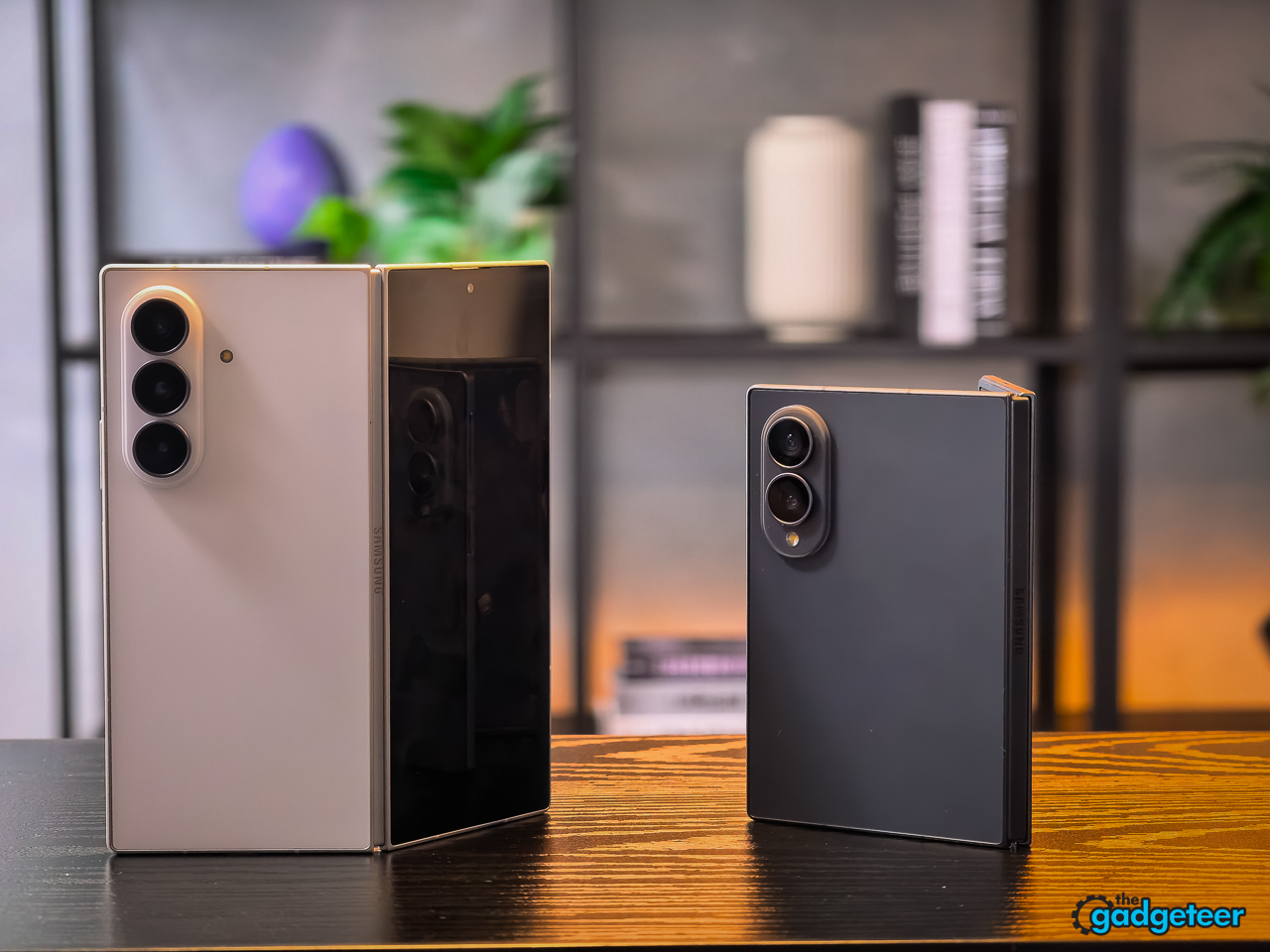
The $1,899.99 Galaxy Z Fold8 is shorter, wider, and lighter. Its 10:16 cover display is intended to work more like a normal phone screen, while its 7.6-inch, 4:3 inner display is built around reading, websites, video, and side-by-side content.
That creates a real choice instead of a simple upgrade ladder. Our earlier coverage of Samsung’s two-Fold lineup focused on why the split looked promising. Handling both phones made the reasoning clearer. The Ultra has the stronger specification pitch. The standard Fold8 has the more interesting ergonomic idea.
This is no longer one Fold with two price tags.
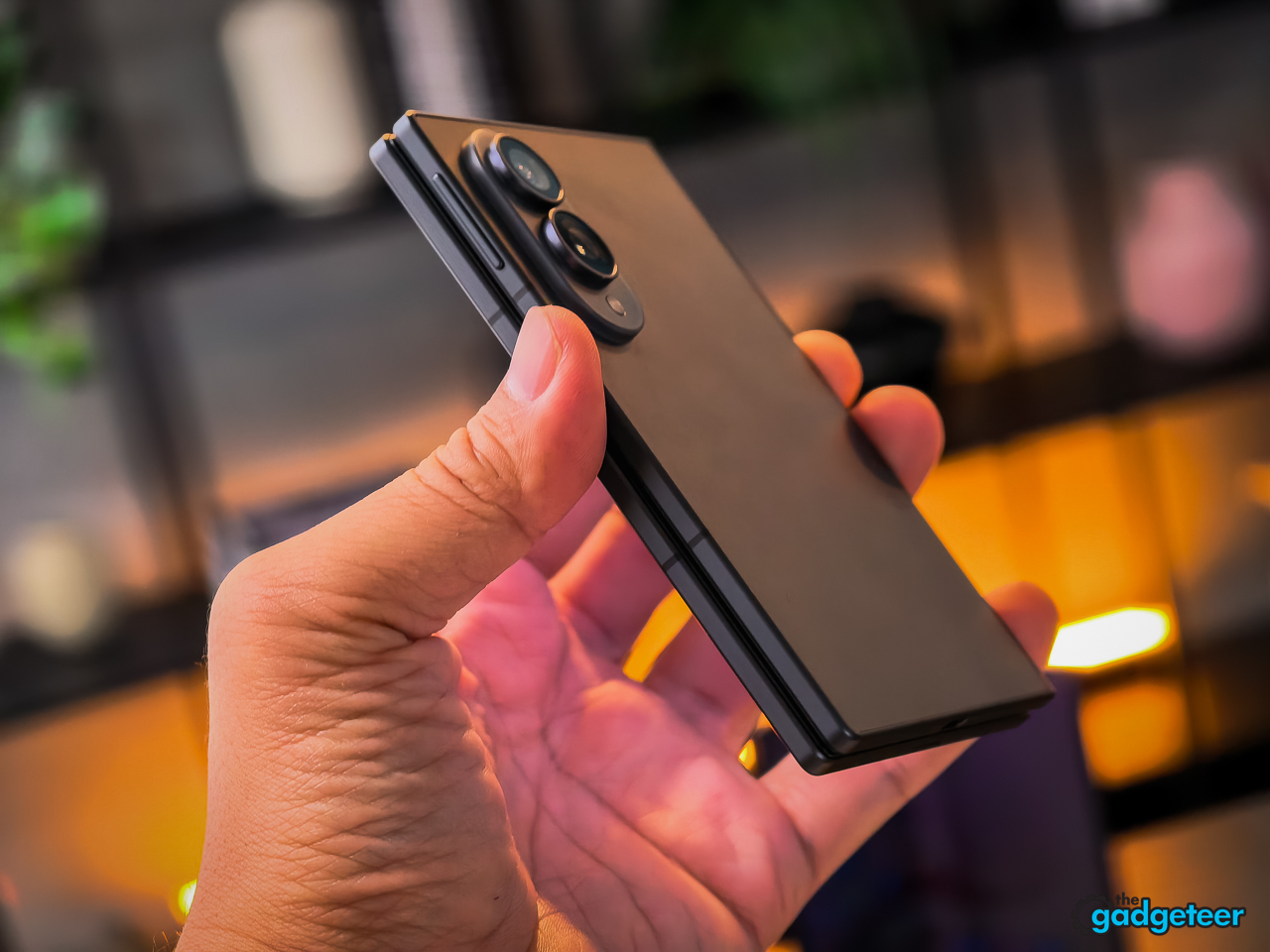
The Galaxy Z Fold8’s wider shape works in the hand
“Look how thin that is. That is so light.” That was my first reaction when Samsung handed over the new Fold.
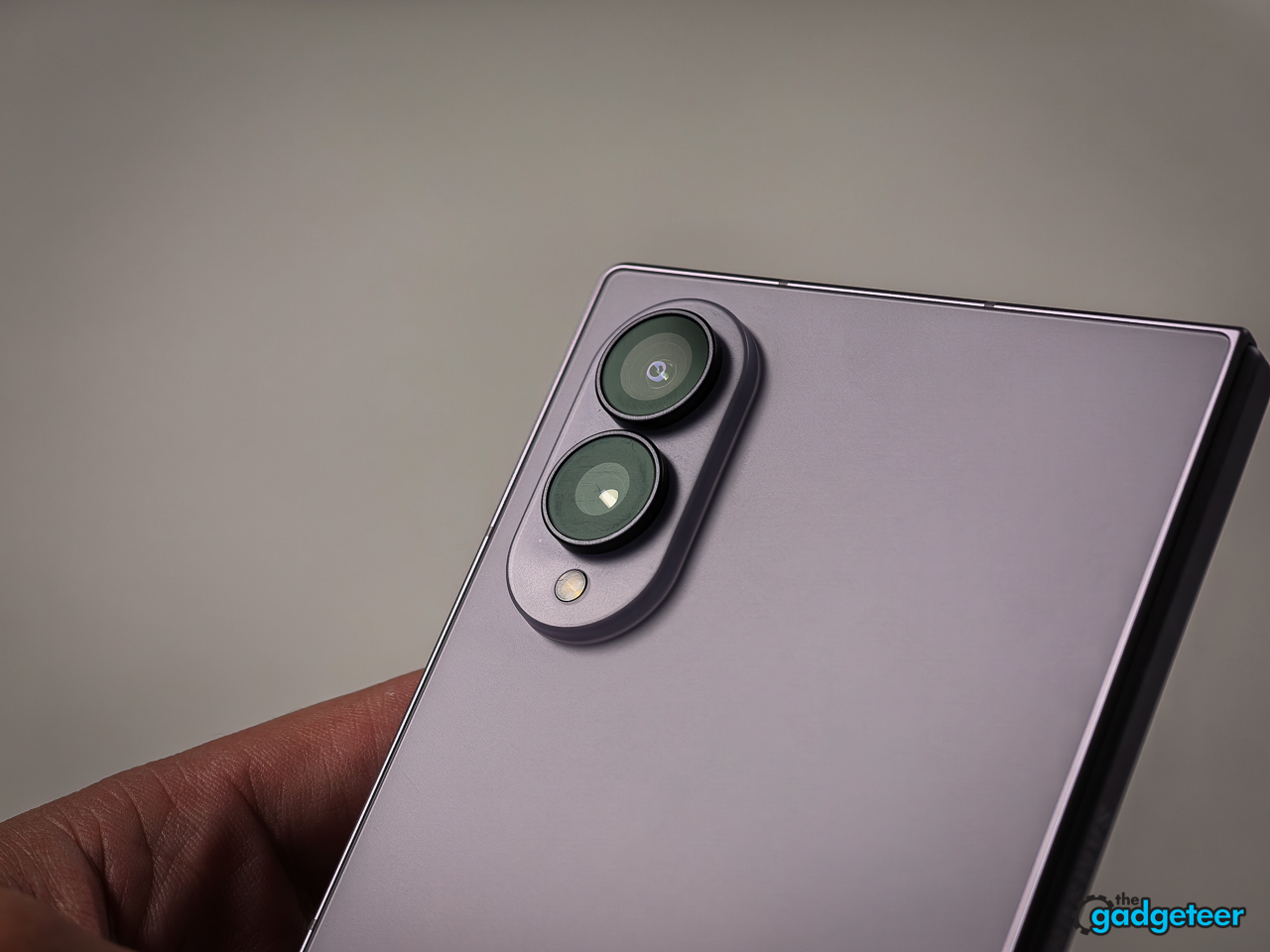
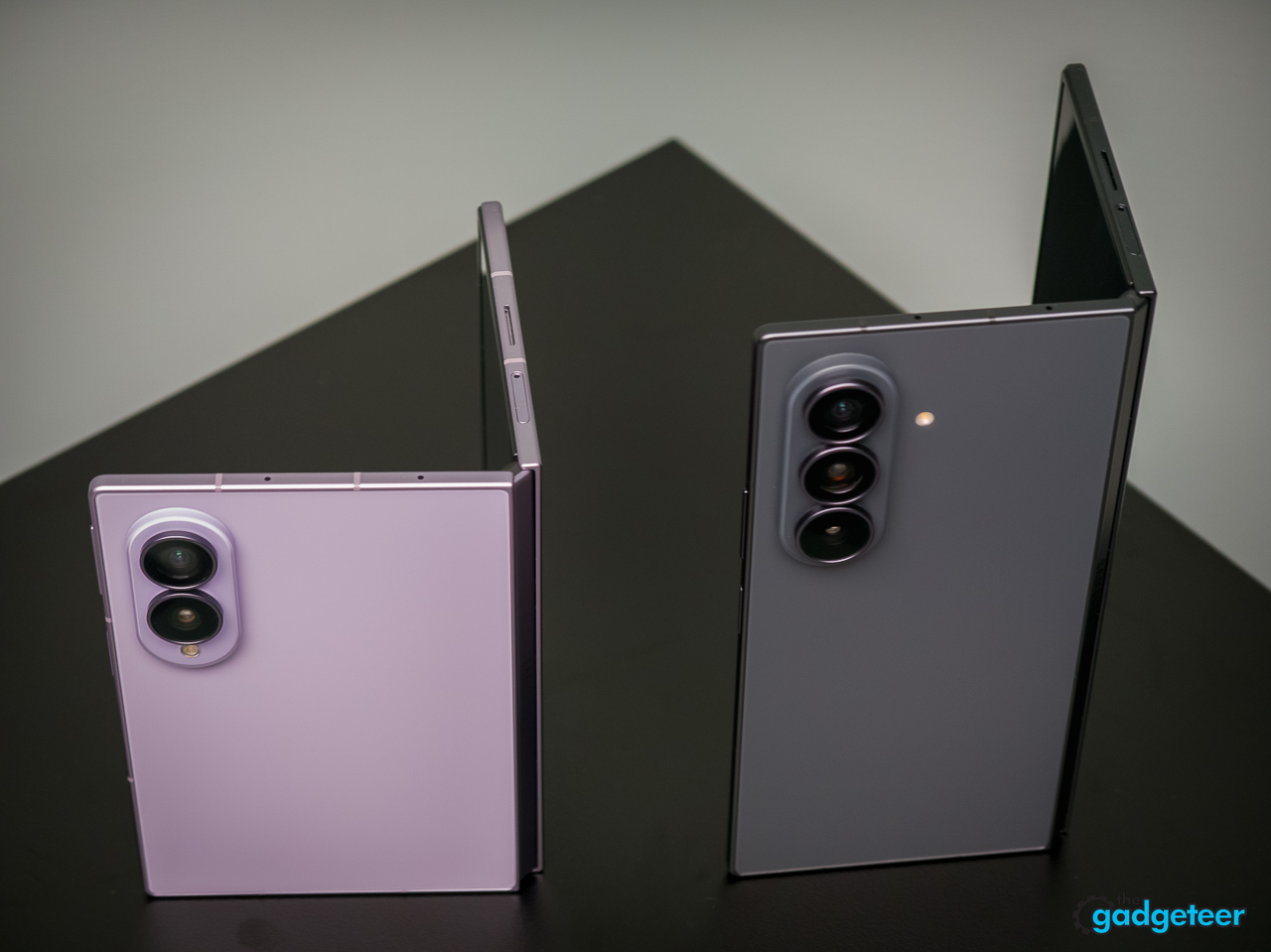
The 201-gram figure is easy to dismiss as a specification until you feel where the weight goes. The wider body made the phone feel less top-heavy during my brief handling. In portrait orientation, the proportions and balance felt especially good. The smaller camera burden also kept the rear of the phone from dominating the experience.
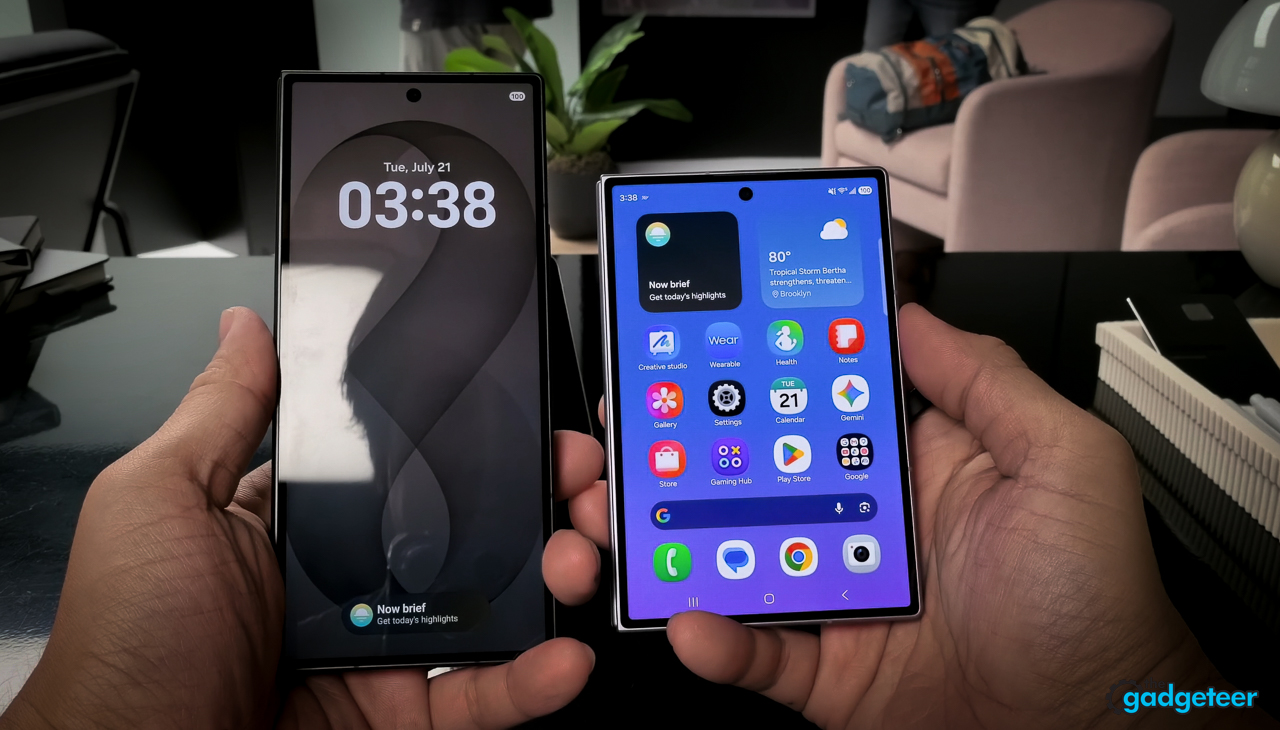
That reaction surprised me. I arrived worried that the width would create another Surface Duo situation, where a broad closed device can feel awkward even when the open canvas makes sense. The Fold 8 became more compelling the longer I handled it. It looks low-key on a table, but the design becomes memorable once you pick it up.
I still expect the width to divide buyers. People with smaller hands may find one-handed reach difficult, and a brief event session can’t settle long-term comfort. My early concern, however, did not survive first contact with the phone.
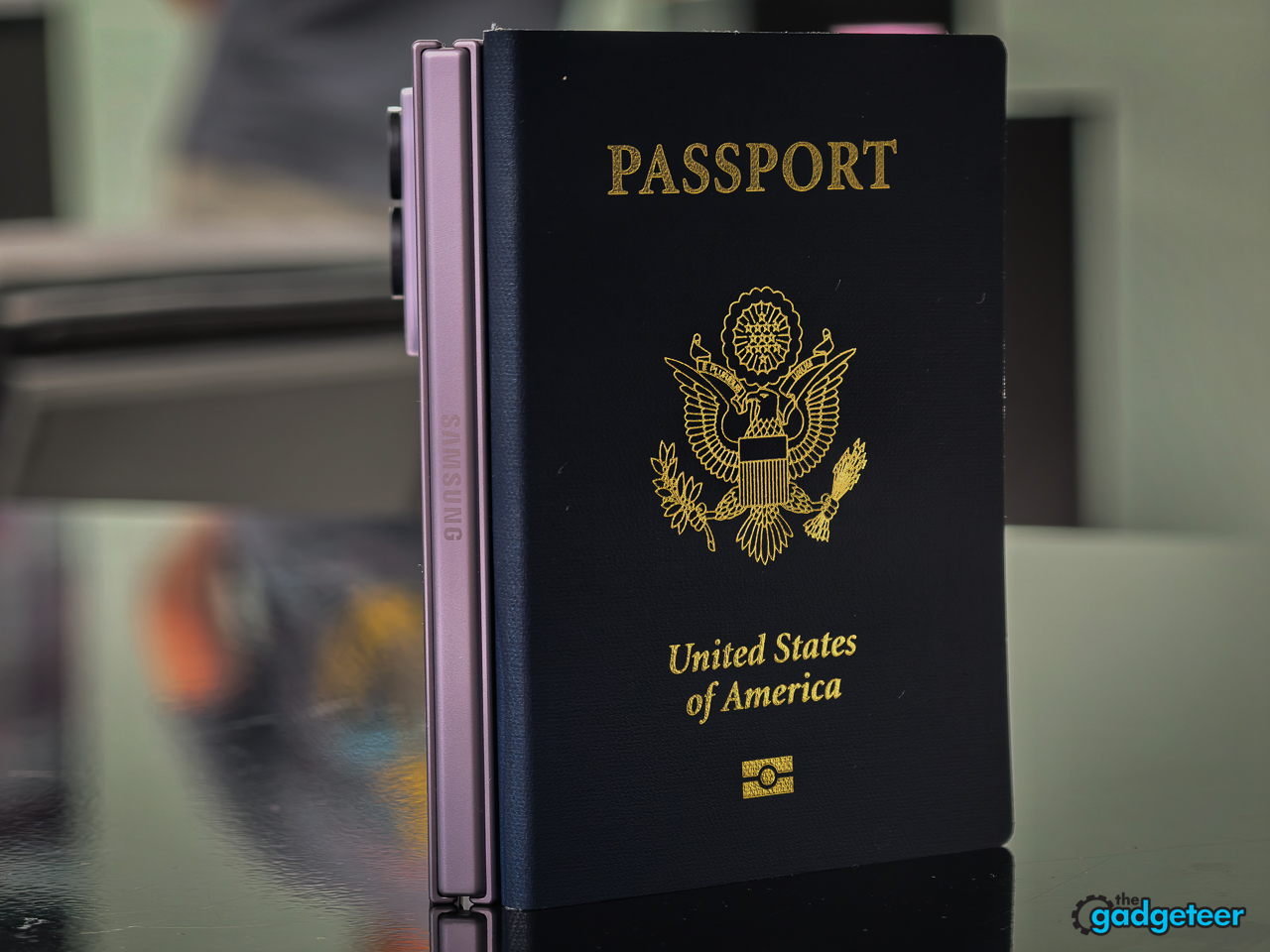
I expected the width to be the flaw. It became the point.
A cover screen designed for normal phone jobs
Samsung’s 10:16 cover display isn’t a decorative change. It creates more horizontal room for the keyboard and gives vertical video a shape closer to the format in which it was created. Samsung says feedback from Fold 7 owners helped drive the shorter body for smaller hands and pockets.
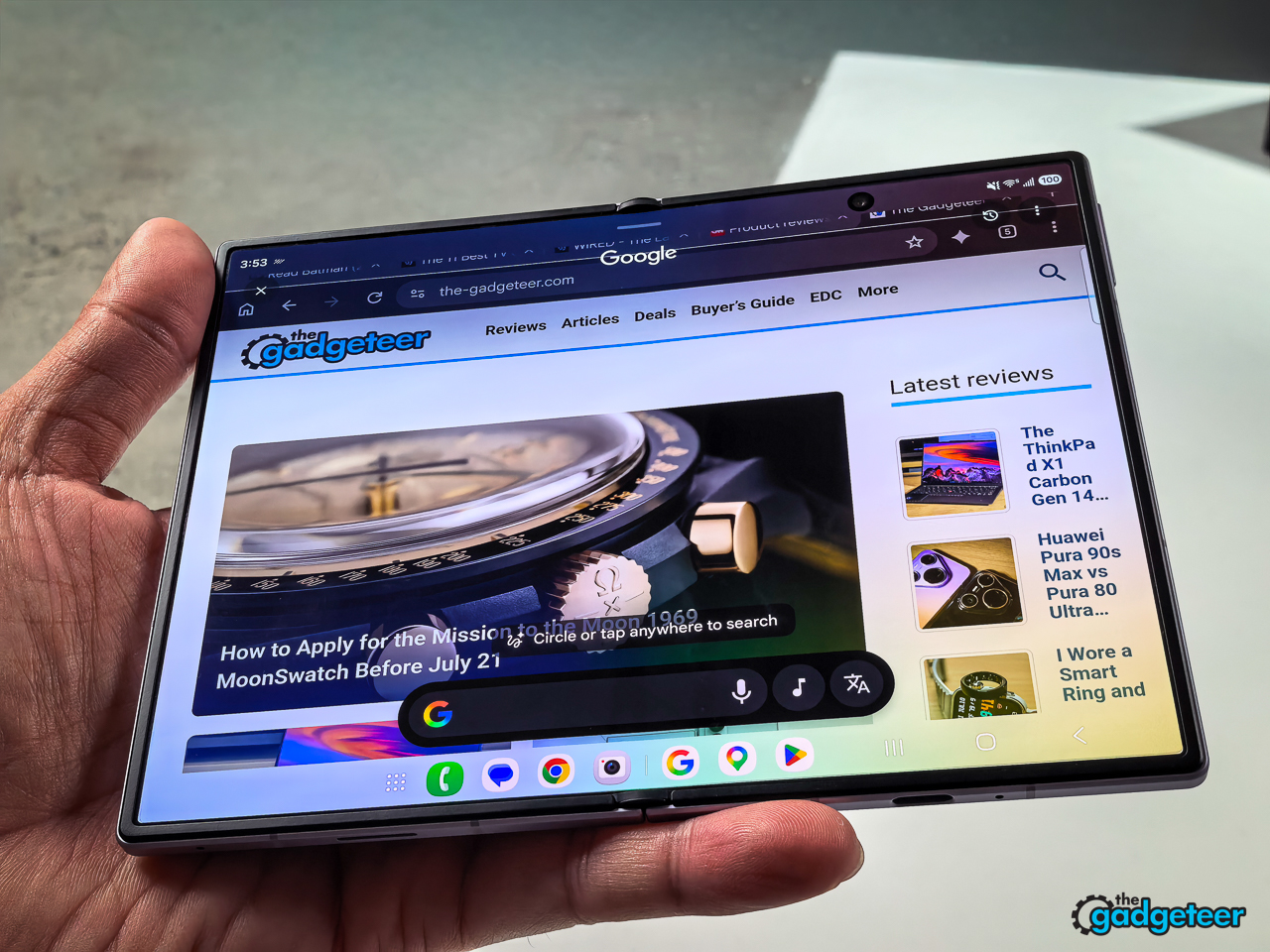
I didn’t run a long typing test, so I can’t judge keyboard accuracy or one-handed reach yet. The premise is sound. A Fold spends plenty of time closed, and the wider screen addresses that part of ownership directly instead of treating the exterior display as a narrow control panel.
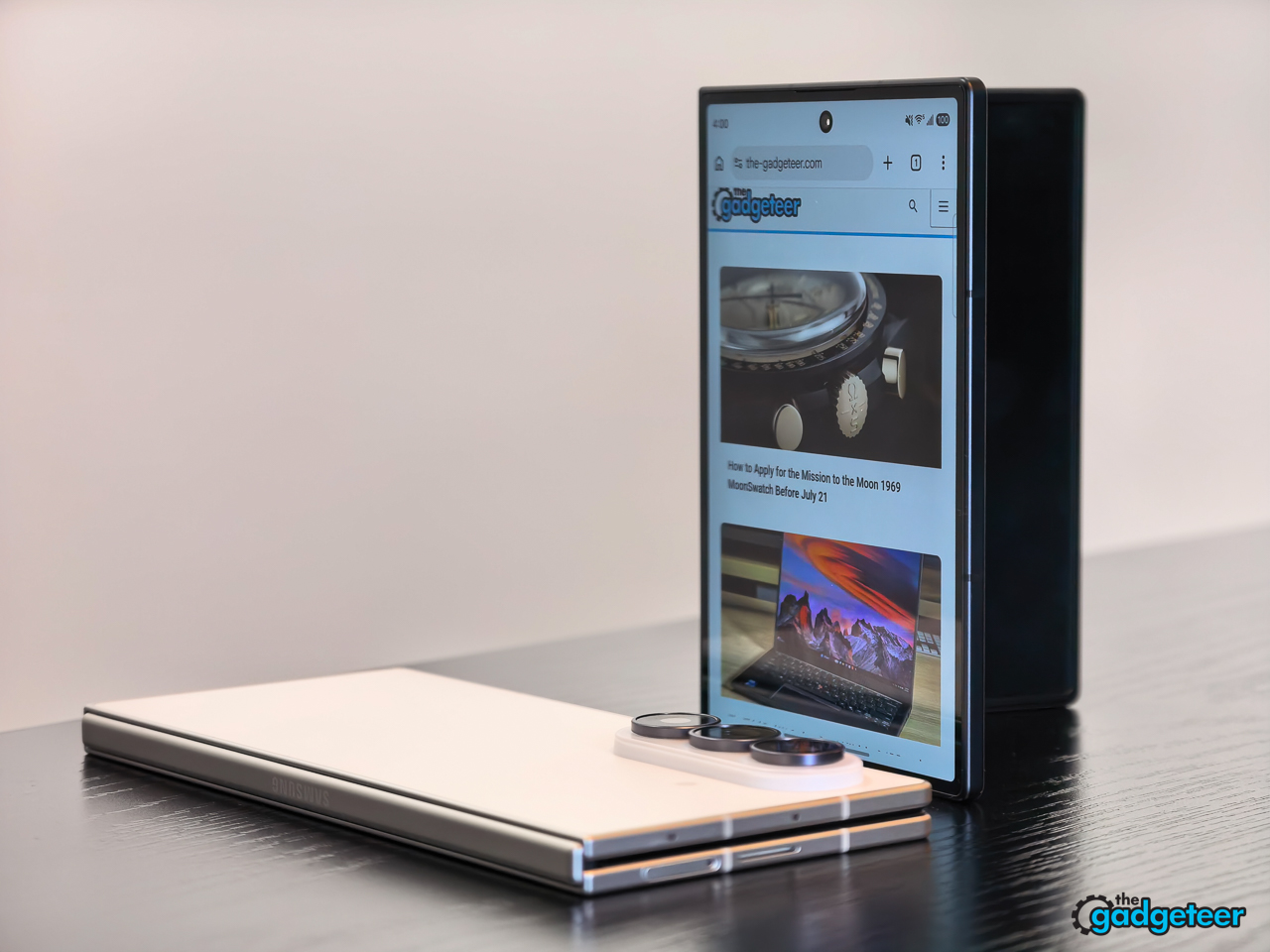
That could improve daily use more than another processor bump. Samsung uses its Snapdragon 8 Elite Gen 5 for Galaxy in both Fold models, but the closed-phone shape is the difference you feel without launching an app.
The cover display finally has a clear job.
The 4:3 inner display has a clearer job
Open the Fold8 and the 7.6-inch display shifts to a 4:3 aspect ratio. Samsung demonstrated horizontal video, e-reading, websites, photo editing, and side-by-side tools on that canvas.
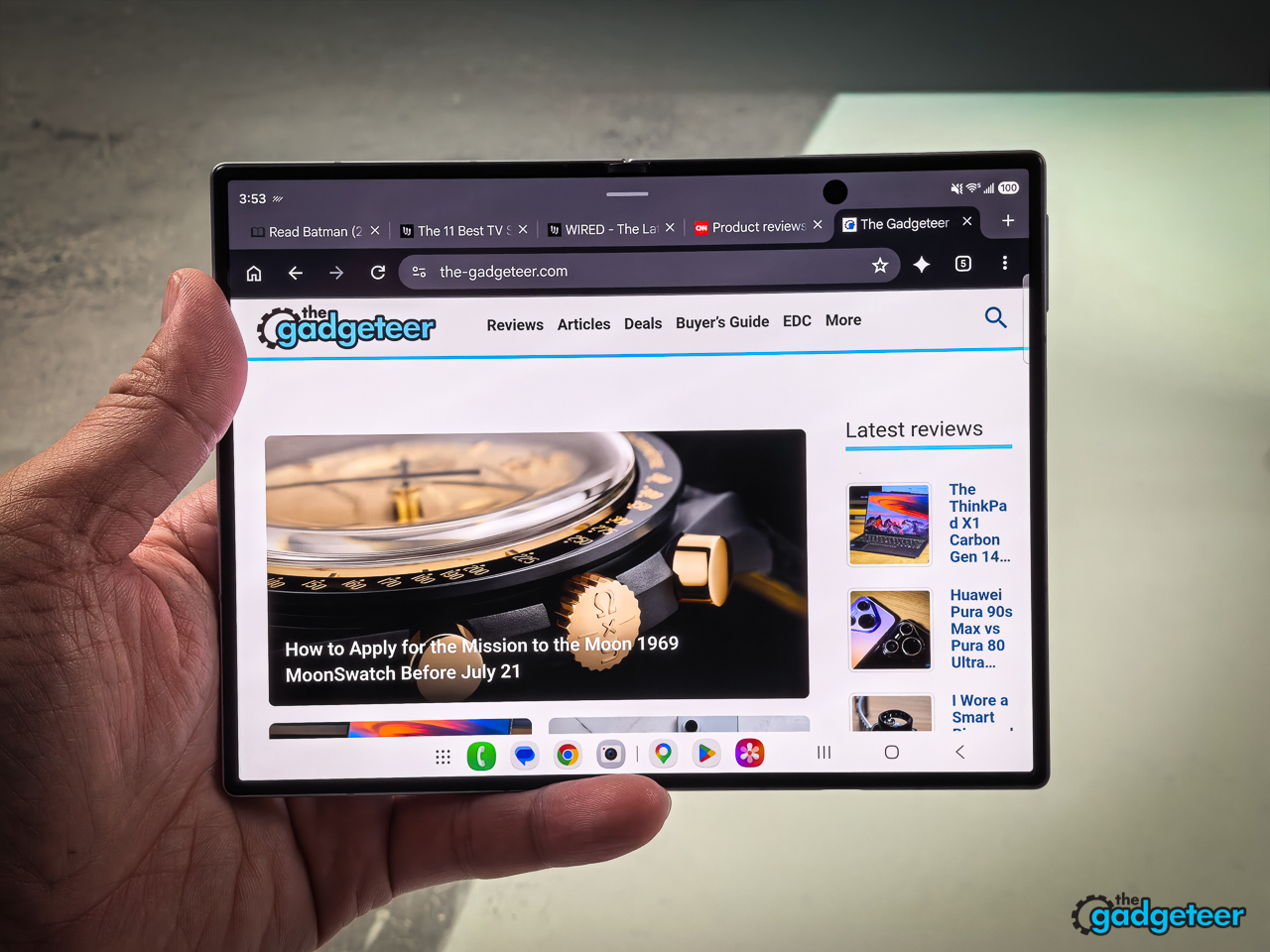
A squarer display can show more of a page and give two panes similar room. It won’t make every movie fill the panel, since the result still depends on the source aspect ratio. Its stronger case is flexibility. The Fold8 can work as a more conventional closed phone, then open into a canvas suited to mixed content.
The screen reaches a claimed 3,000-nit peak brightness and adds Vision Booster plus an anti-reflective coating. Both Fold models also use Samsung’s Flex Titanium display stack. A titanium-alloy film replaces the previous polymer film, while a titanium plate adds structure below the display. Samsung says the construction reduces crease visibility.
Those are Samsung claims, not durability findings. I didn’t run a controlled reflection test, and briefing-room lighting can’t tell us how the crease will look after months of use.
For now, the screen story is promising, not proven.
Fold8 cameras and battery without the Ultra price
The standard Fold8 has a 50MP wide camera and a 50MP ultrawide, and the missing telephoto is its clearest hardware compromise. Samsung demonstrated a wider cover-screen viewfinder, a 4:3 editing view on the inner display, dual recording, and an external preview for the person being filmed.
Several software tools use the foldable screens in a practical way. Photo Assist places edits side by side. My Fan Cam follows a selected person in a video and reframes that subject into social formats using on-device processing. Document Scan detects a page, removes visual distractions such as moiré, wrinkles, or fingers, and shows several scanned pages together on the inner display.
Samsung fits a 4,800mAh battery into the smaller Fold8 and supports 45W wired charging. Samsung’s final U.S. page claims up to 26 hours of video playback. The capacity looks promising for the weight, but runtime and charging speed need real testing.
The Fold8’s argument isn’t conventional value. It’s that Samsung’s less expensive Fold may improve the interactions owners repeat most often: holding it, carrying it, typing on the cover screen, and opening it for a larger canvas.
On the standard Fold, ergonomics are the feature you’re paying for.
Galaxy Z Fold8 Ultra feels like a different physical product
A thinner Fold isn’t enough if opening it still feels like a chore. One of the Ultra’s best changes sounds almost trivial: Samsung added a groove between the panels so your fingers have somewhere to enter, then optimized the hinge and magnets to reduce resistance.
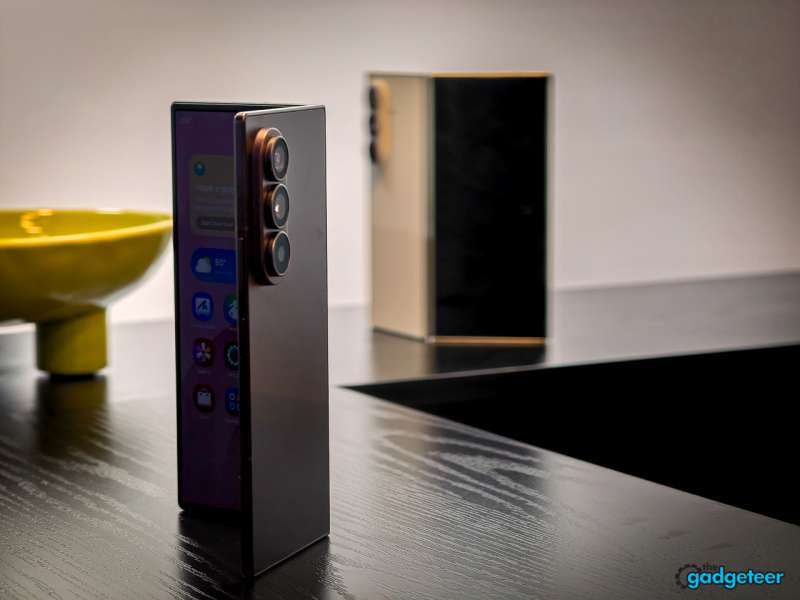
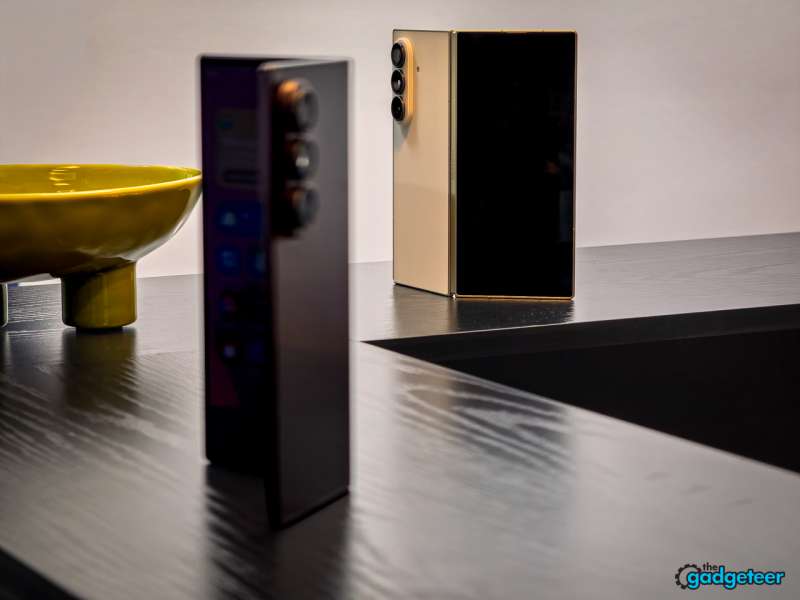
That difference was noticeable during the hands-on comparison. Fold 7 required more effort to separate and start opening. With the Ultra, “you just… it opens.” A small groove can sound like over-engineering until you remember how often a Fold is opened every day.
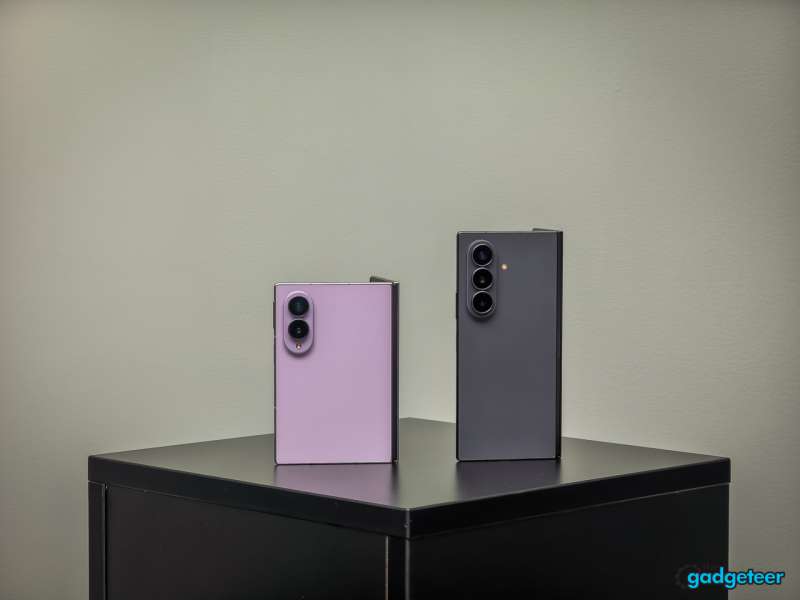
The Ultra is 4.1mm thick when unfolded and weighs 215 grams. Even the roughly half-millimeter thickness difference from the standard Fold was noticeable in hand. Its taller proportions, larger camera bump, and opening action make it feel like a distinct premium, camera-focused model, not a slightly upgraded version of the wider Fold.
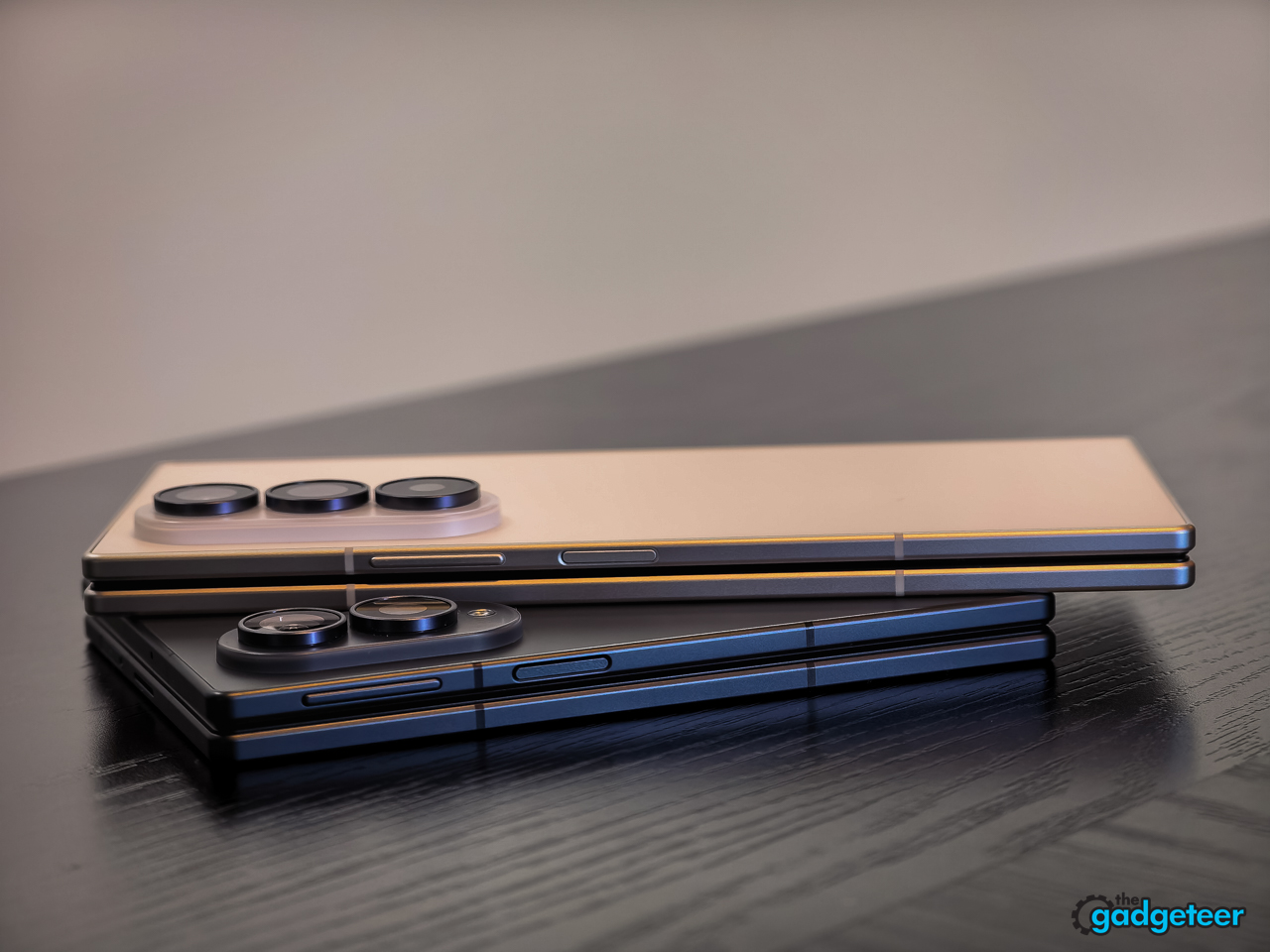
That opening change is easy to overlook and frequent enough to appreciate.


What the extra $200 buys
For $200, Samsung adds a 200MP wide camera, 50MP ultrawide, and 10MP telephoto with 3x optical zoom. The wide and ultrawide cameras both support 8K recording, and Samsung demonstrated Log recording plus preset cinematic color treatments. I need a full camera test before judging the results.
The Ultra uses the same Flex Titanium display construction, 3,000-nit brightness claim, and anti-reflective coating as the standard Fold. Its software pitch leans harder into large-screen work. Samsung demonstrated Gemini Automation in a pop-up window and a Gemini notebook tool that can turn mixed sources, such as meeting audio and whiteboard photos, into structured notes and study materials. I saw the demonstrations but didn’t evaluate them during a real work session.
A 5,000mAh battery, 45W wired charging, and 20W wireless charging round out the premium. The $200 increase makes sense for buyers who’ll use the stronger camera system, larger battery, thinner open profile, and productivity-focused display. It doesn’t automatically make the Ultra the better Fold.
The Ultra earns its premium through specific tools, not its badge.
Galaxy Z Flip 8 makes the outer screen more useful
Can the Flip 8 become more useful without being opened? That’s the question behind Samsung’s $1,199.99 pocketable model. The phone measures 6.1mm thick when unfolded, weighs 180 grams, and uses a redesigned hinge. Its launch colors are Pink, Cream, Graphite, and Mint, with final U.S. channel availability subject to Samsung’s official product page.
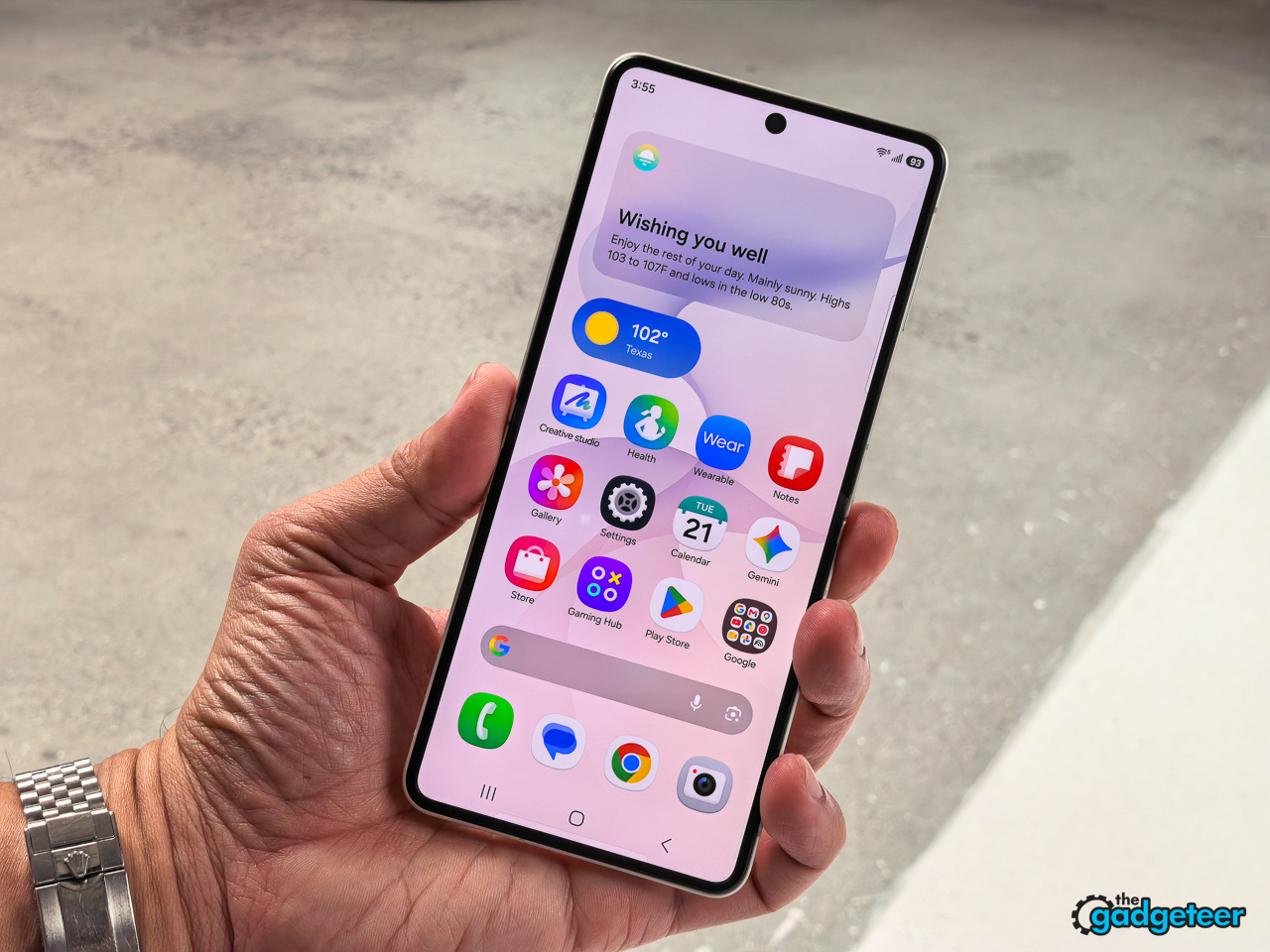
The more consequential change is the FlexWindow interface. A swipe down from the upper left opens notifications, while the upper right opens quick settings. Swipe up for a home view with Now Brief and an app row, then swipe again for the full app tray. Samsung also says access to non-whitelisted apps is easier to configure.
Gemini Automation can start supported tasks from the FlexWindow. Now Feed gains more cards and natural-language custom cards. The point isn’t to turn the outer display into a tiny version of the entire phone. It’s to make more quick actions possible without opening the Flip.
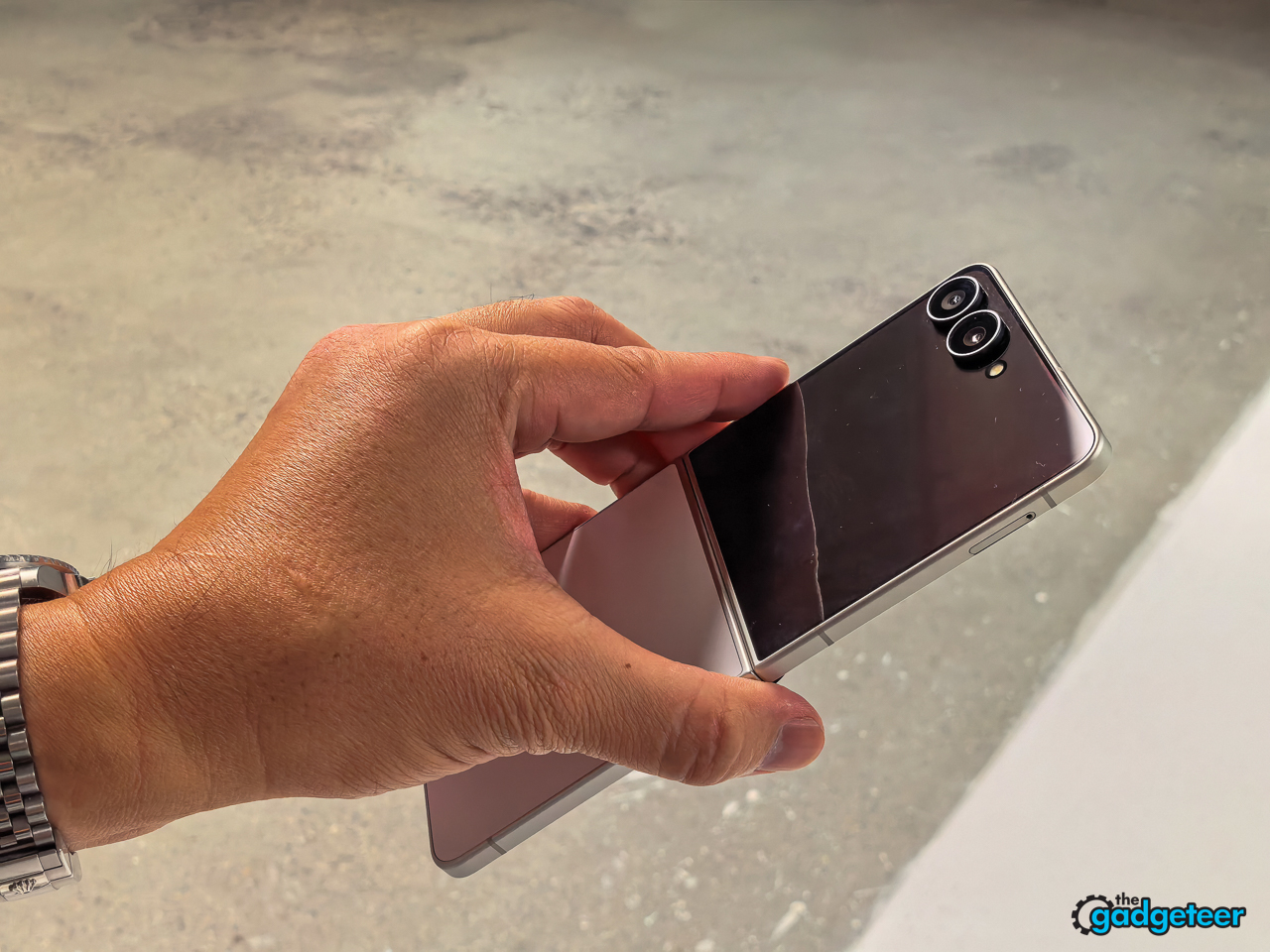
The rear camera system pairs a 50MP main camera with a 12MP ultrawide. Samsung also adds Horizon Lock in camcorder mode and says stabilization can keep the horizon level through a full rotation. I saw Samsung explain the feature but didn’t run my own stabilization test.
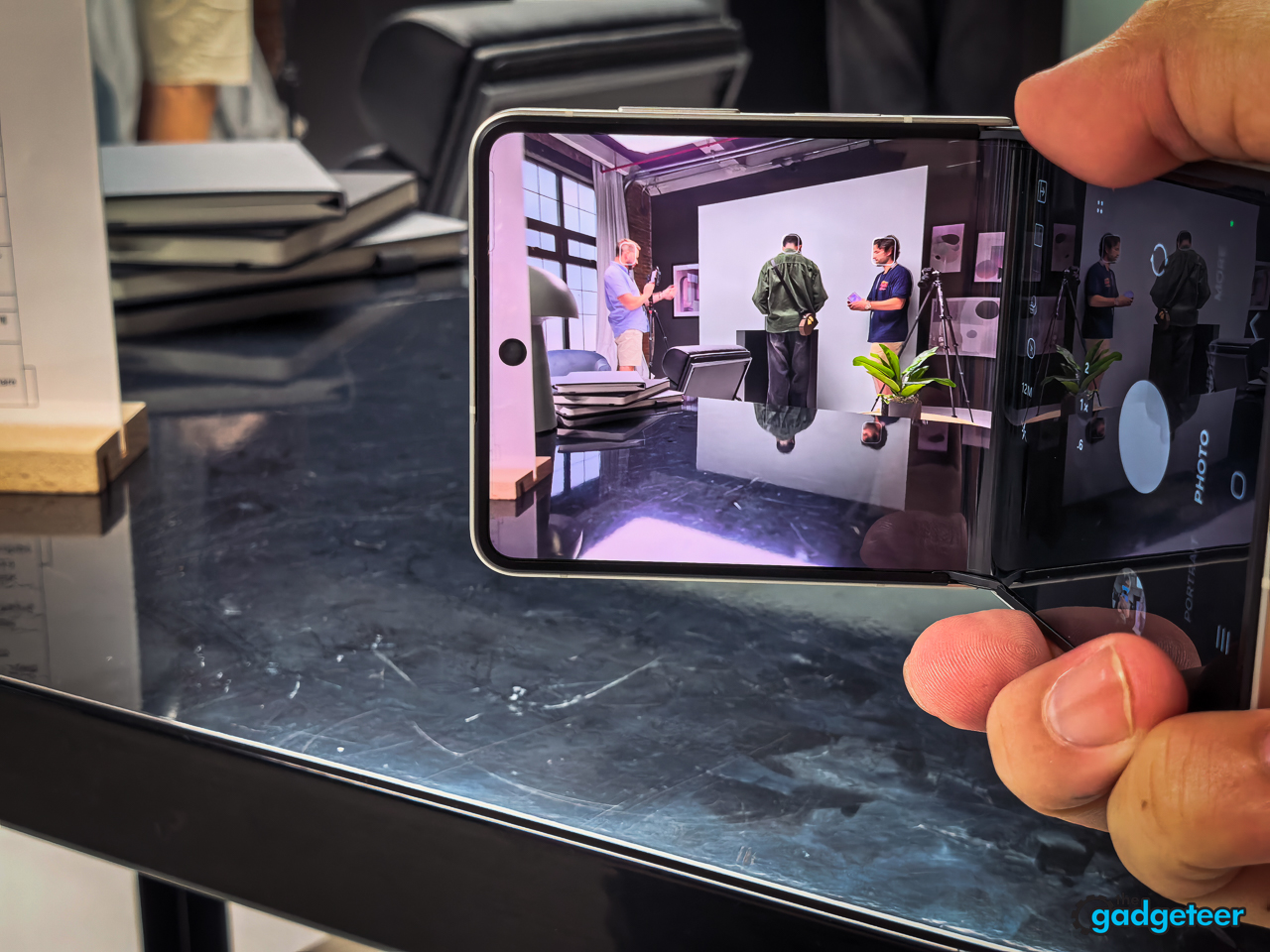
Samsung’s Flip 8 changes look more evolutionary than the standard Fold8 redesign. Its appeal depends on whether the revised FlexWindow genuinely reduces how often owners need to open the phone.
The FlexWindow, not the hinge specification, will decide whether this update feels substantial.
Galaxy Z Fold8, Fold8 Ultra, and Flip8 compared
| Feature | Galaxy Z Fold8 | Galaxy Z Fold8 Ultra | Galaxy Z Flip8 |
|---|---|---|---|
| Starting price | $1,899.99 | $2,099.99 | $1,199.99 |
| Weight | 201g | 215g | 180g |
| Unfolded thickness | 4.5mm | 4.1mm | 6.1mm |
| Primary design | Shorter, wider book-style Fold | Taller premium book-style Fold | Pocketable clamshell |
| Display format | 10:16 cover, 7.6-inch 4:3 inner display | Large productivity-focused Fold displays | Inner display plus upgraded FlexWindow |
| Camera focus | Dual 50MP cameras and flexible framing | Strongest camera and video system | 50MP main plus ultrawide |
| Battery | 4,800mAh | 5,000mAh | 4,300mAh |
| Charging | 45W wired | 45W wired, 20W wireless | Samsung’s U.S. feature page doesn’t list a wired wattage |
| Best suited to | Everyday handling, reading, websites, and media | Cameras, multitasking, and large-screen work | Pocketability and quick outer-screen actions |
Price, preorder, and availability
Preorders are open now. The Galaxy Z Fold8 starts at $1,899.99, the Galaxy Z Fold8 Ultra starts at $2,099.99, and the Galaxy Z Flip 8 starts at $1,199.99. Samsung’s U.S. buy pages list delivery by August 7. These prices replace the pre-launch Fold8 pricing rumors we tracked earlier.
Samsung Galaxy Z Fold8
Price: From $1,899.99
Current offer: Free storage upgrade, up to $1,200 in instant trade-in credit, or up to $1,900 through eligible carrier deals
Where to buy: Samsung
Samsung Galaxy Z Fold8 Ultra
Price: From $2,099.99
Current offer: Free storage upgrade, up to $1,200 in instant trade-in credit, or up to $1,900 through eligible carrier deals
Where to buy: Samsung
Samsung Galaxy Z Flip8
Price: From $1,199.99
Current offer: Free storage upgrade, up to $600 in instant trade-in credit, or up to $1,100 through eligible carrier deals
Where to buy: Samsung
Offers end: August 7, 2026, while supplies last and subject to eligibility
Both Fold models offer 256GB or 512GB with 12GB of memory, plus a 1TB configuration with 16GB. The standard Fold comes in Lavender, Cream, Graphite, and the Samsung.com-exclusive Pistachio. The Ultra comes in Violet Shadow, Cream, Graphite, and the online-exclusive Green Shadow.
The Flip 8 offers 256GB or 512GB with 12GB of memory. Its colors are Pink, Cream, Graphite, and the Samsung.com-exclusive Mint.
Samsung’s preorder configurator currently upgrades 256GB buyers to 512GB at no extra charge. Fold buyers choosing 512GB can move to 1TB through the same offer. Samsung lists up to $1,200 in instant trade-in credit or up to $1,900 through carrier deals for either Fold. The Flip offer reaches up to $600 in instant trade-in credit or up to $1,100 through carriers. Current offer pages show an August 7, 2026 expiration, although qualifying devices, carrier eligibility, and amounts can change.
Trade-ins are limited to one eligible device per purchase, and Samsung requires the old device within 15 days of receiving the new phone. The trade-in program generally cannot be combined with other Samsung, carrier, or retailer promotions unless a specific offer says otherwise. People who reserved before the 9 a.m. ET deadline can also receive a $30 Samsung credit for eligible add-ons during preorder when they use the same email address.
The standard Fold8 is Samsung’s more interesting early bet
The Galaxy Z Fold8 Ultra is Samsung’s specification leader. The standard Galaxy Z Fold8 is the phone that changes the physical premise.
I expected the wider Fold to feel awkward. Instead, its shorter frame and dispersed 201-gram weight made it feel more natural and less top-heavy than I expected. That doesn’t settle battery life, camera quality, durability, or long-term comfort, but it gives the standard Fold8 a clear reason to exist beyond being the cheaper option.
For buyers who put everyday handling first, the Galaxy Z Fold8 is the model I’d pick up first. The Ultra earns its place through cameras, battery, and work-focused hardware. The standard Fold earns attention through shape, balance, and the simple fact that it felt better the longer I held it.



Gadgeteer Comment Policy - Please read before commenting
No mention of support for S-Pen. I can see that the S-Pen does not fit into any of the metal cases but will the S-Pen from older models work with the new Galaxy 8 models?
Probably not. Samsung uses from what I have read, a
titanium alloy film which is suppose to make the screen stronger and less likely to have “the crease”. if that is the case, I doubt the S-pen will work?