

ARTICLE – Hundreds of TikTok influencers trashed their Oura Rings on camera this past year. Some smashed them with hammers. Others filmed themselves tossing them in the trash, set to trending audio. A connection between Oura and Palantir, the defense contractor, sparked the trend. Millions of viewers became convinced their sleep data was heading to the U.S. military.
Price: $349
Where to Buy: Amazon
It made for great content. What the videos skipped was the full picture, though. The Oura Ring 4 is still the top smart ring for health tracking on the market right now. Sleep tracking, heart rate, stress, recovery: it handles all of it in a titanium band most people forget they’re wearing after the first day. That’s a strong feature set for something you can wear to bed without noticing, and the ring’s size alone sets it apart from every smartwatch on the shelf.
Reviews gave it top marks in the smart ring category heading into 2026. So does the controversy hold up once you check the facts? Here’s what we discovered.
The Oura Ring Palantir Connection, Explained
Oura built a separate platform for the military that tracks service member recovery and readiness. Palantir runs the secure government servers on that side. The consumer Oura app and the defense platform sit on completely separate systems. Both the company and outside fact-checkers confirmed the split.
Snopes looked into the claims in December 2025 and called them overblown. The DoD program is voluntary, and anyone enrolled can opt out of data sharing at any time. No review has turned up proof that customer data crosses to the military side.
None of that slowed the backlash. Women who track cycles and reproductive health through the ring felt the sharpest edge of the panic. Fear that personal body data could reach government hands carries real weight given the political climate. The concern made sense even when the specific claims didn’t.
TikTok’s algorithm pushed the most dramatic clips, and people shared before checking facts. By the time Oura responded, the damage was done. Their statement read like a press release, and the slow response gave the story room to grow.
Oura’s stumble was in messaging, not in how it handles data. The mess did surface a real tension: companies collecting body data and defense contractors overlap more each year. Consumers should know where their data lives. The viral debate wasn’t built on solid facts, but the question underneath it matters.
What the Oura Ring 4 Actually Tracks
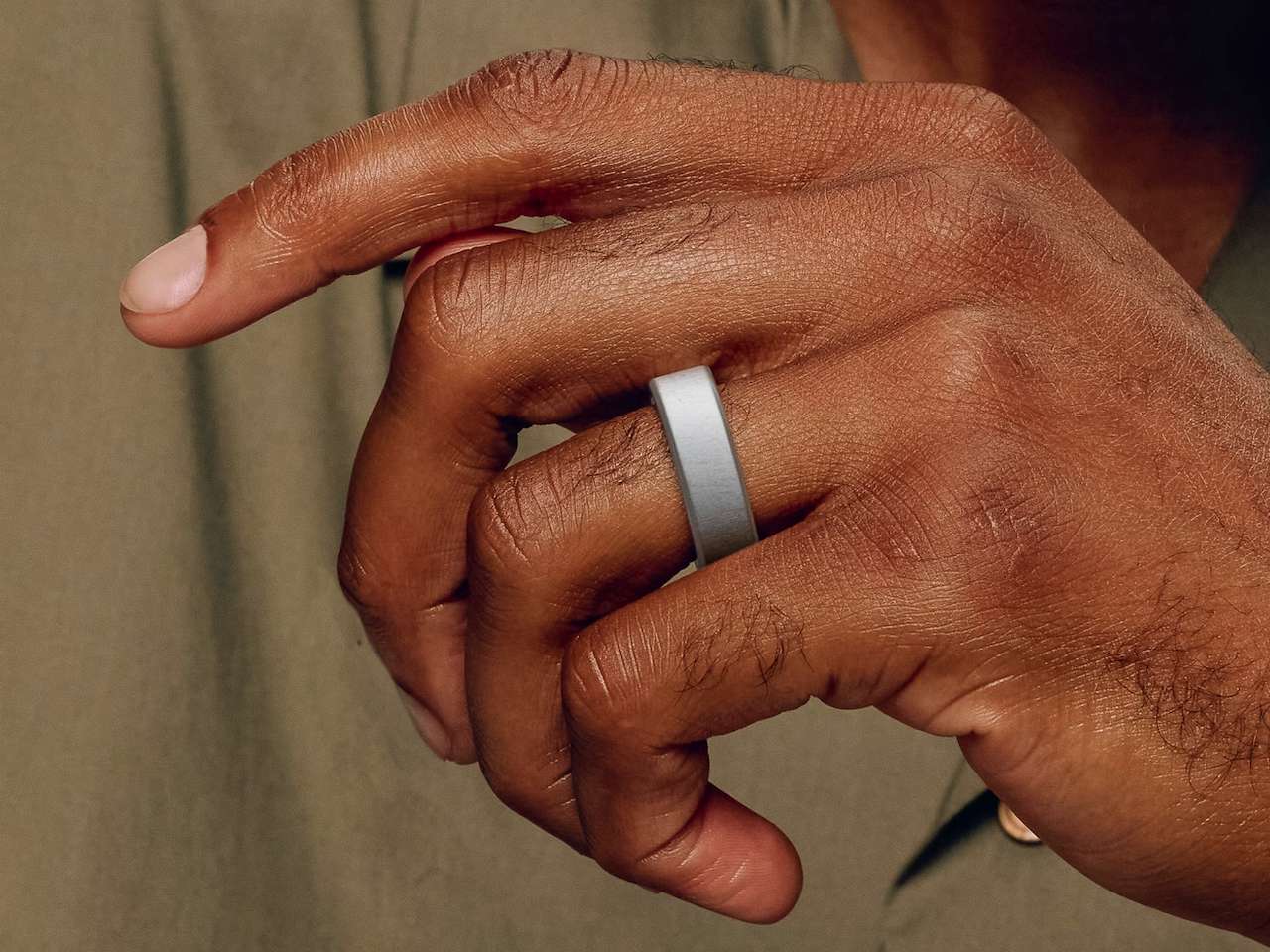
Hardware changes from Gen 3 are worth noting. Oura doubled sensor pathways from 8 to 18 with Smart Sensing, a system that adjusts to how each finger is shaped, reading skin tone, body size, and age. Sensors sit flat inside the ring now, removing the bumps that bothered some Gen 3 wearers. Built from titanium, with a ceramic option in four colors, the Ring 4 handles water to 100 meters and lasts 5 to 8 days per charge.

Oura Ring sleep tracking covers every stage: deep, REM, and light. The ring also monitors 24/7 heart rate, HRV (a measure of how well your body bounces back), SpO2 blood oxygen levels, temperature trends, and stress throughout the day. Each morning you get a Readiness Score that tells you whether to push hard or rest. You stop noticing the ring after the first hour, and that’s the point.
A Runner’s World reviewer said it changed sleep habits and reshaped their relationship with alcohol over two years of daily wear. That kind of shift keeps users coming back. This isn’t replacing a Garmin or an Apple Watch. What the Oura Ring 4 does well is track recovery and sleep in a form that stays out of the way. For anyone serious about Oura Ring 4 sleep tracking over raw fitness metrics, nothing in this size class comes close.
The Oura Ring 4 Subscription, Pricing, and the Orthosomnia Catch
There’s a word showing up in health forums: orthosomnia. It means the anxiety that comes from obsessing over sleep scores. A Reddit thread titled “Why I’m taking off my Oura ring” pulled in users who said the device added stress instead of reducing it. The ring gives you data, and how much power you hand that number is a choice. Setting app limits early is a smart move.
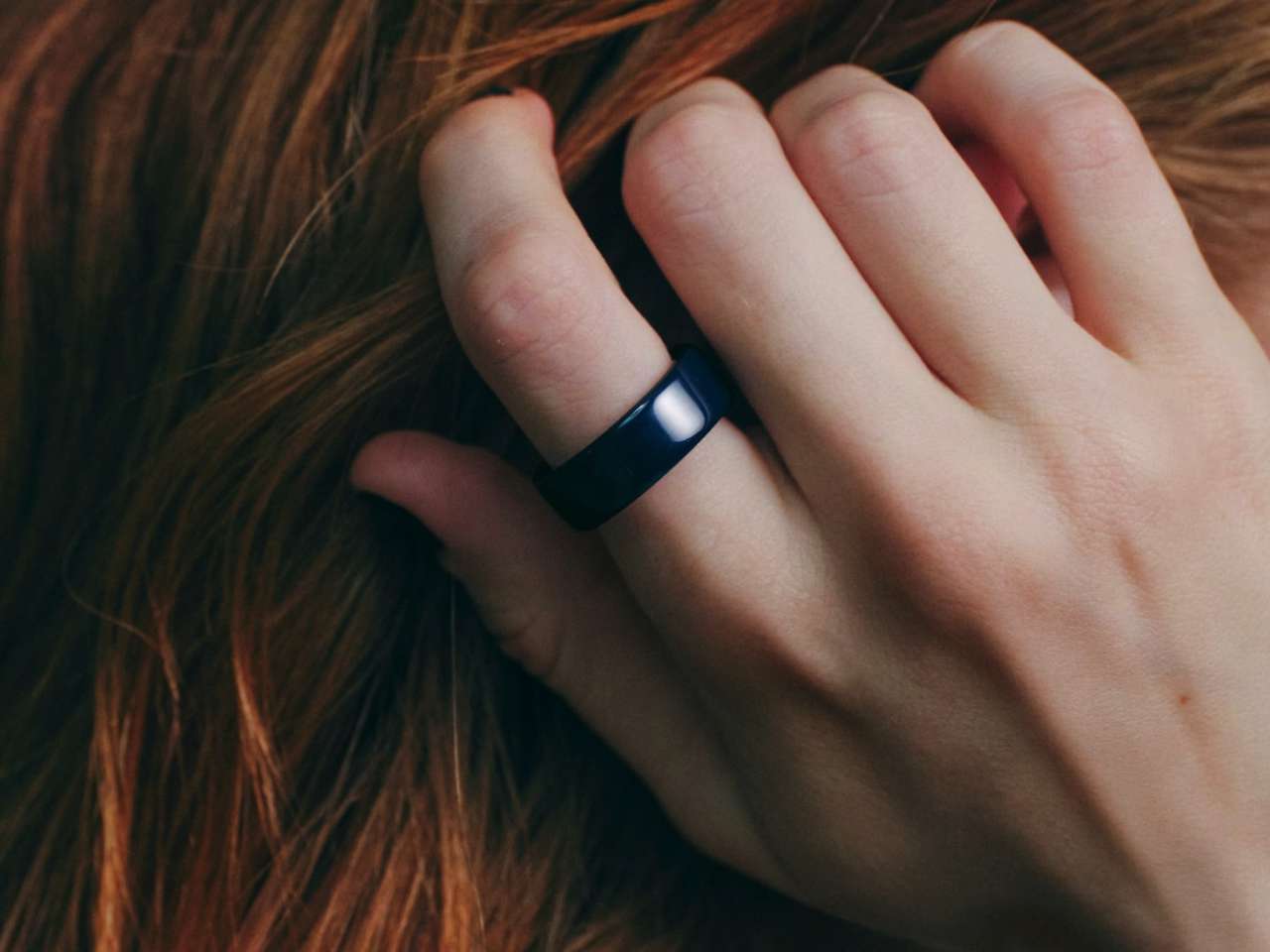
The ring starts at $349 for Silver or Black, $399 for Brushed Silver or Stealth, and tops out at $499 for Gold, Rose Gold, or Ceramic. Full features require the Oura Ring 4 subscription at $5.99 per month or $69.99 per year. Without the subscription, the data thins out fast.
That $70 yearly fee sits on top of hardware, but the math still works: Whoop 5.0 starts at $239 a year with the device included, and Apple Watch Ultra 2 costs $799 outright. At $349 plus $70 a year, the Oura Ring 4 lands in competitive range with the smallest form factor of the three. Both hardware and subscription are HSA/FSA eligible. What sets it apart from cheaper options is how it turns raw numbers into patterns you can act on over weeks and months. Trends matter more than any single score.

Who This Is For
Anyone focused on sleep, recovery, and long-term health tracking will get the most from this ring. Nothing else this small goes as deep.
Skip this if fitness coaching, GPS, or smartwatch alerts top your list. The ring doesn’t try to do those things. Buying it for those reasons leads to quick frustration. The compact size works for the right person and limits everyone else. If health anxiety runs high, the steady stream of scores could add worry instead of calm. Set clear app limits from day one.
Consider what kind of tracker you actually need before spending. The Oura Ring 4 works best for people who want to watch patterns quietly over time. It’s a slow, steady health tool.





Price: $349
Where to Buy: Amazon
And if the Palantir question still bothers you, that’s a fair call on data practices. Just make sure the facts behind that choice come from reporting, not content filmed for clicks. Every outside review confirmed consumer and military platforms are separate. The ring does what it says. Whether the company earns your trust back is a personal question. The Oura Ring 4 starts at $349 from ouraring.com.

Zip Ties Assorted Sizes(4”+6”+8”+12”), 400 Pack, Black Cable Ties, UV Resistant Wire Ties by ANOSON
(as of April 9, 2026 19:57 GMT -05:00 - More infoProduct prices and availability are accurate as of the date/time indicated and are subject to change. Any price and availability information displayed on [relevant Amazon Site(s), as applicable] at the time of purchase will apply to the purchase of this product.)

Gadgeteer Comment Policy - Please read before commenting
Actually, the Palantir connection doesn’t matter. The CLOUD Act allows US authorities to access data from American tech giants stored anywhere. Women who care for their reproductive rights should not use any health tracking device.