
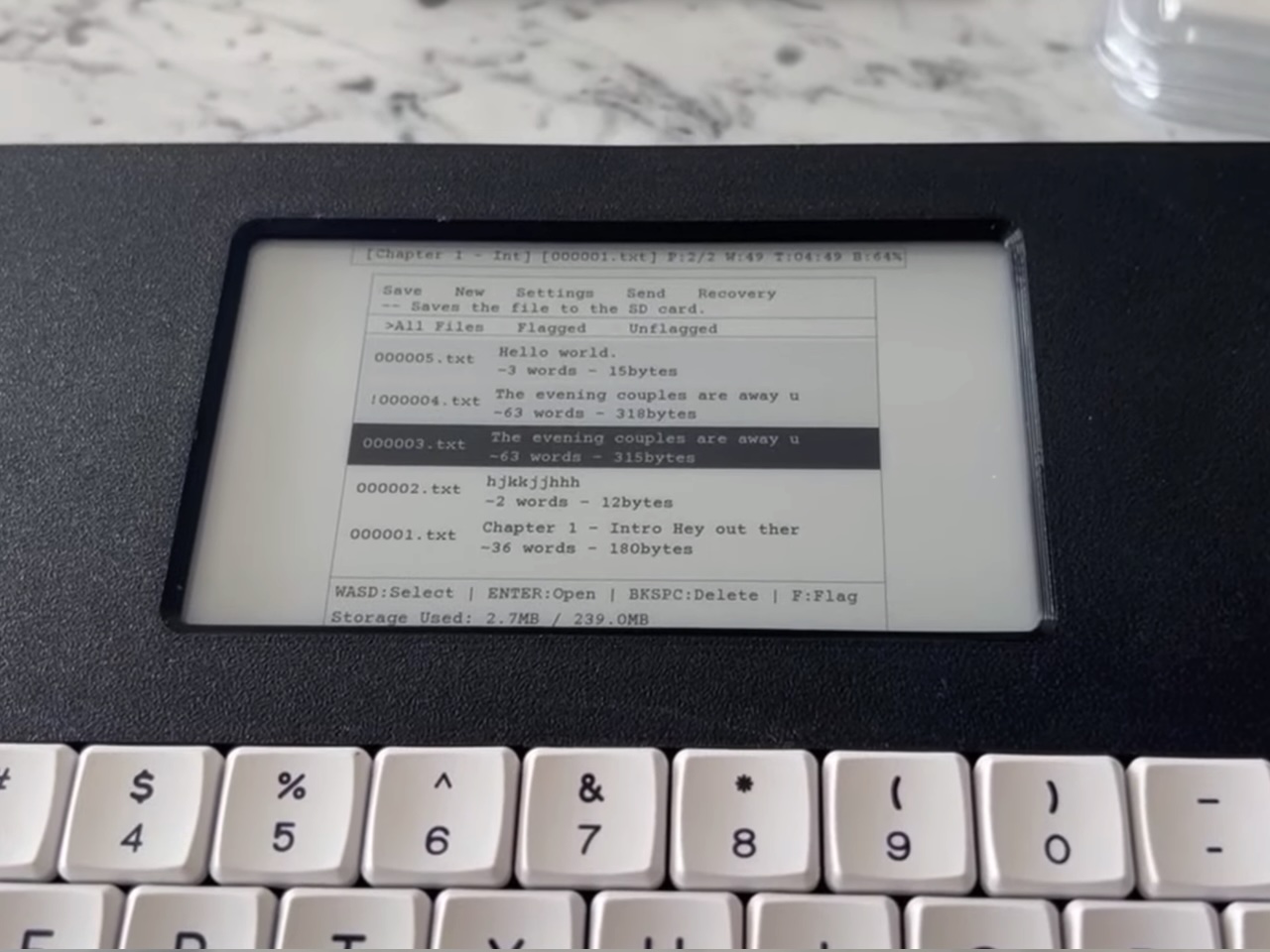
Most productivity tools promise to help you focus while simultaneously offering seventeen ways to not focus. The browser tab you’re supposed to write in sits next to the tab where you’re checking analytics, reading news, and pretending research counts as progress. The Zerowriter Ink doesn’t negotiate with this impulse because it physically can’t connect to anything.
Price: $279
Where to Buy: Crowdsupply
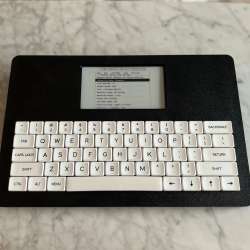
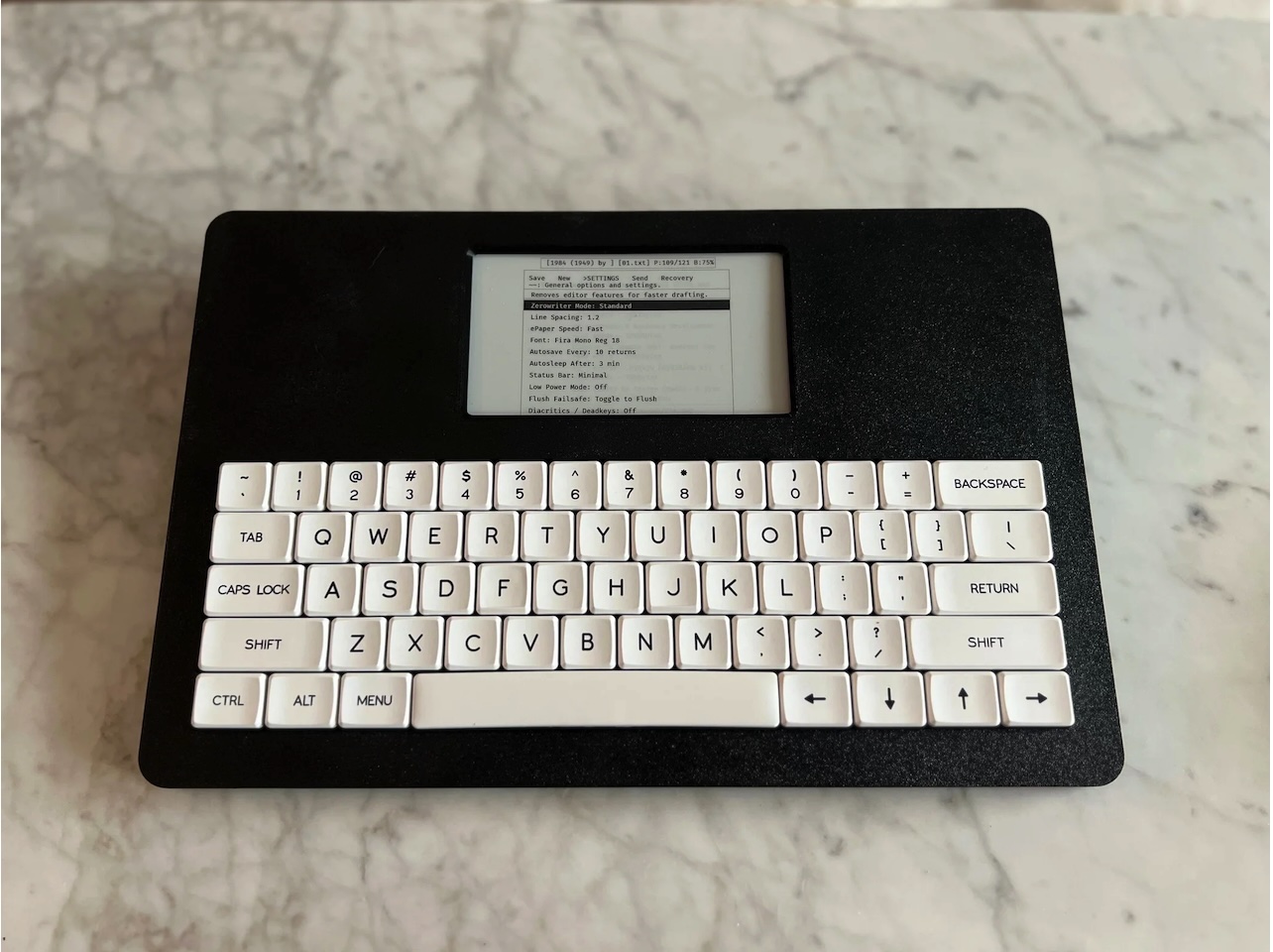
What you’re looking at is an e-paper display attached to a mechanical keyboard with no wireless capability, no app ecosystem, and no way to install either. It’s a word processor that does one thing, which is the opposite of what every other device you own tries to do. The company behind it, Zerowriter, shipped the first batch to backers after raising over $115,000 on Crowd Supply, and new orders are available now for $279 with free worldwide shipping. This isn’t minimalist software running on maximal hardware. It’s purpose-built gear designed around a 5.2-inch Inkplate 5v2 display, a 61-key Kailh Choc Pro Red mechanical keyboard, and a 5,000mAh battery that lasts between 50 and 100 hours of actual typing time depending on how much you pause to think. The device turns on instantly, saves everything as plain text, and has no internet connection to configure or troubleshoot.
Early units have already shipped to backers.
What It Is
The display runs at 1280 x 720 resolution, which doesn’t sound impressive until you see text render on e-ink at that density. Sharpness isn’t the issue with e-paper displays, it’s refresh speed, and the Inkplate 5v2 keeps up with typing without the laggy ghost images that made earlier e-ink devices feel like you were writing through molasses. You press a key, the letter appears, and the screen doesn’t punish you for it. That’s the baseline, and it clears it. The refresh rate won’t match an LCD, but it’s fast enough that you stop noticing it after a few minutes of actual use. What matters is whether the technology gets out of the way, and here it does. E-ink also doesn’t emit light, which means you can stare at this screen for hours without the eye strain that comes from backlit displays.
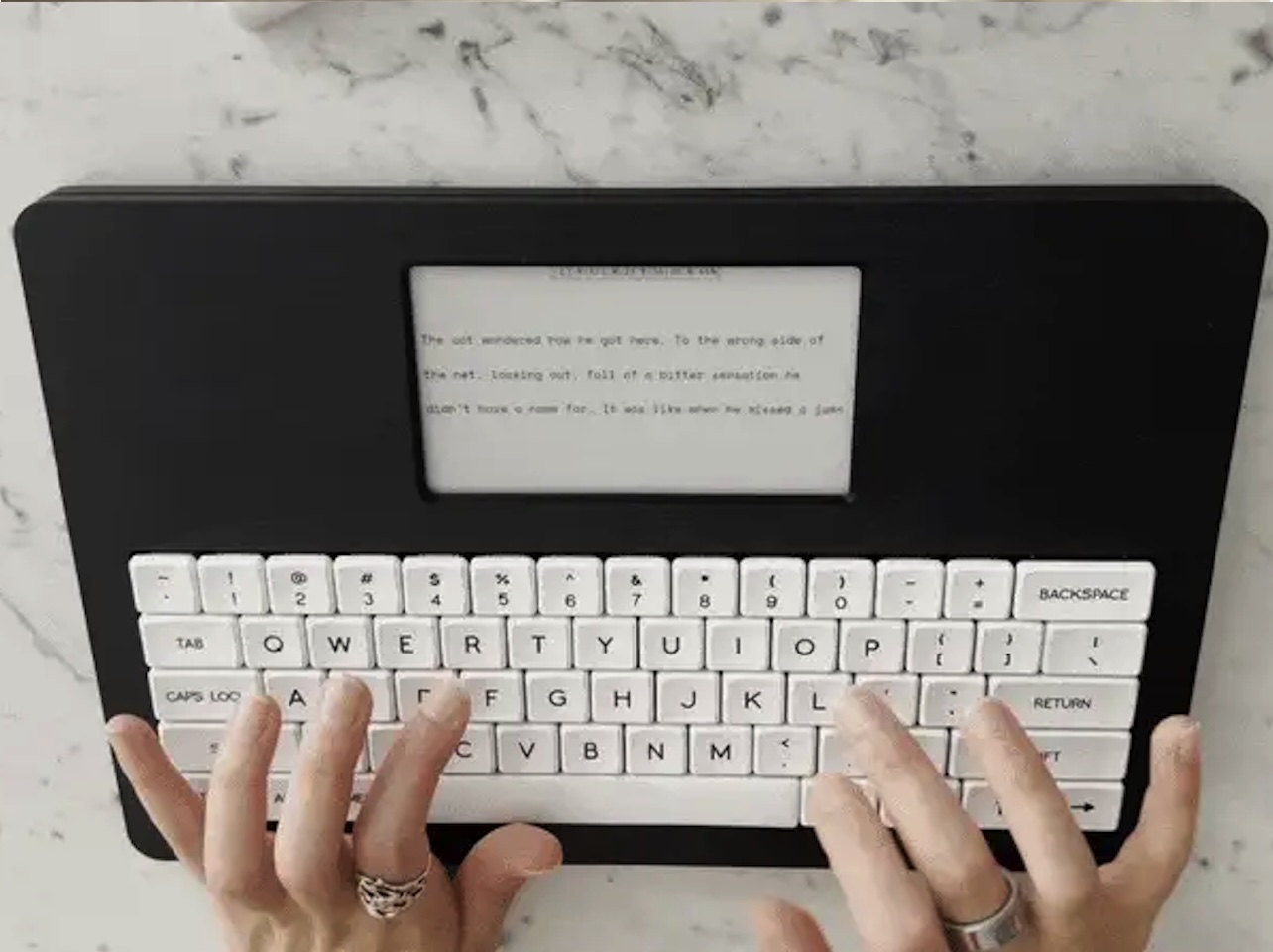
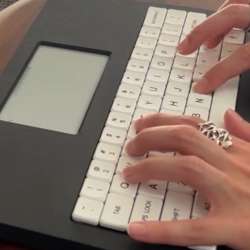
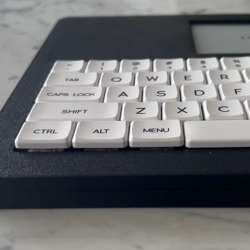
The keyboard uses low-profile mechanical switches with every switch and keycap hot-swappable, so if the stock Reds feel too light or too linear, you can replace them without tools or regret. Layout supports extended ASCII, which covers English, French, German, Spanish, Italian, and Swedish without workarounds. If you write in any of those languages, it’ll handle diacritics and special characters without forcing you into multi-key combos. The typing experience matters here because this device removes everything except the act of putting words on a screen, which means the keyboard can’t hide behind features or shortcuts.
Battery lasts weeks if you write in sessions instead of marathons.
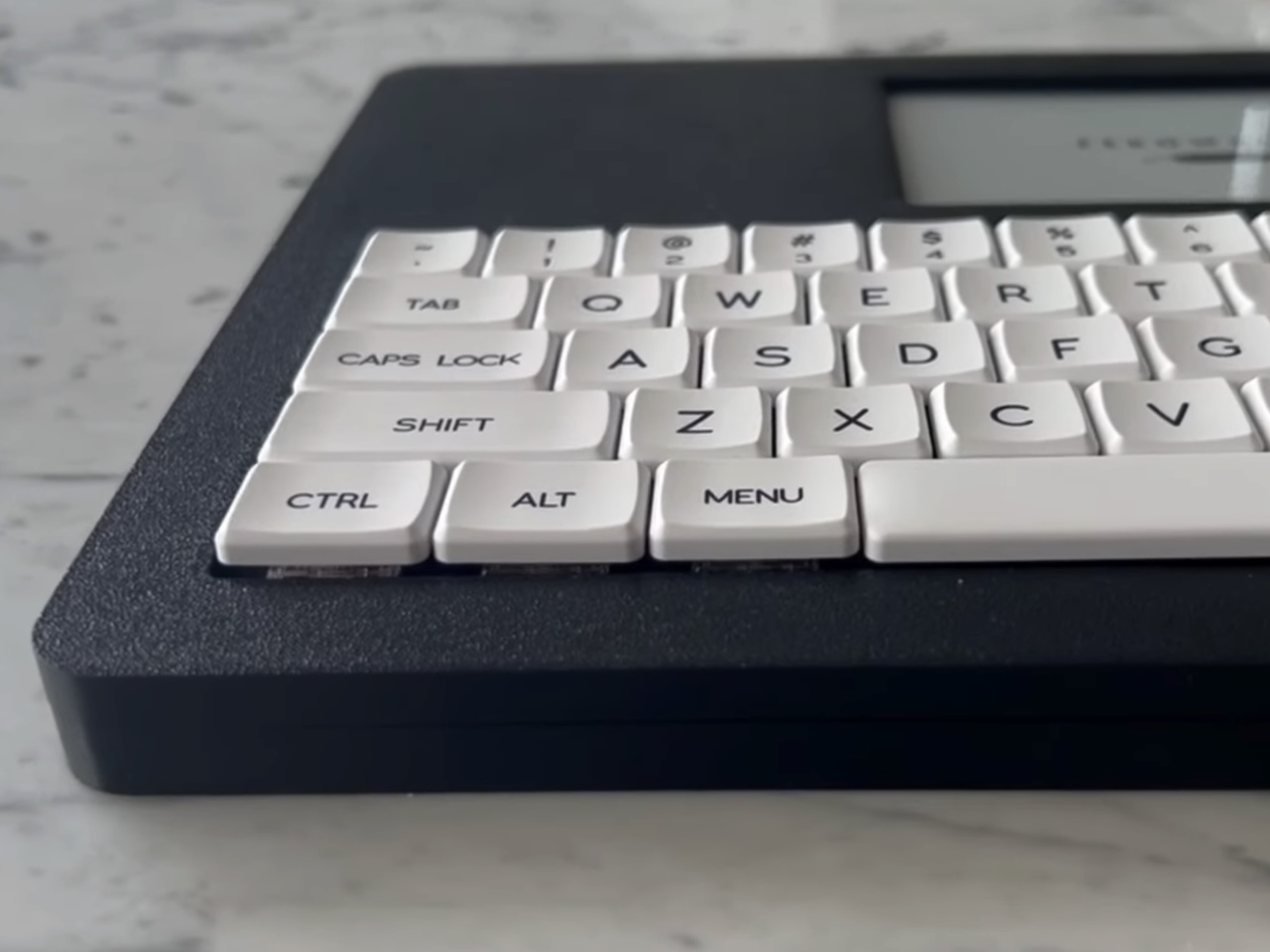
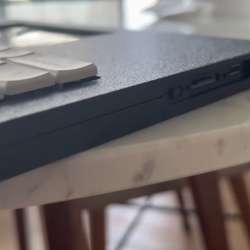
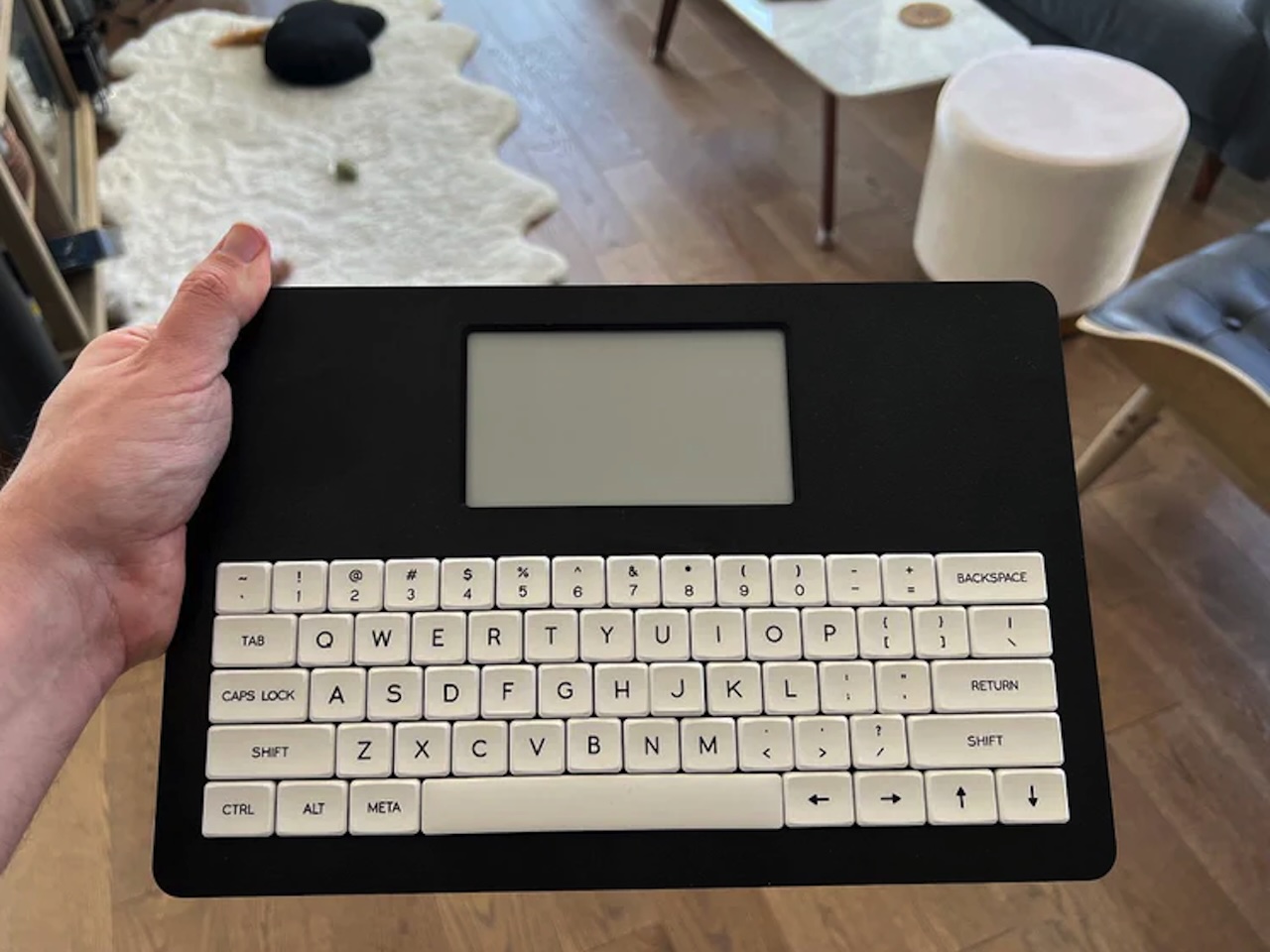
The body measures roughly 12 by 7.5 by 0.6 inches, which fits in most 13-inch laptop sleeves without the weight that comes with an actual laptop. You can take this to a coffee shop and not need to scan for outlets, which removes one more negotiation between you and the work you’re supposedly there to do. Files save as plain text and transfer via USB when you’re ready to edit them somewhere else, because there’s no cloud sync and no wireless transfer option to configure or troubleshoot. The 5,000mAh cell only draws power during key presses, so the more time you spend staring at a blank screen waiting for sentences to arrive, the longer the charge lasts. If you write 500 words a day in 30-minute bursts, you’re looking at a month between charges.
The Actual Point
This device exists to eliminate the decision to get distracted. You can’t check email because there’s no email client, and you can’t install one because there’s no app store, and you can’t browse the web because there’s no browser, and you can’t add any of those because there’s no internet connection to begin with. The Zerowriter removes every exit ramp between you and the sentence you’re trying to finish.
It also includes a drafting mode that locks you out of editing until you finish the draft. You can’t scroll up to revise the opening paragraph for the fifth time because the device won’t let you, which sounds punishing until you realize how much faster a messy 2,000-word draft moves compared to a polished 300-word opening that took an hour. First drafts are supposed to be bad, and this enforces that reality instead of letting you pretend editing counts as writing. Most distraction-blocking apps can be disabled with three clicks and a moment of weakness, but you can’t install a browser on hardware that was never designed to support one.
How It Got Here
Zerowriter, based in Ottawa, Canada, partnered with Soldered Electronics to build this around the Inkplate series of e-paper displays. The collaboration brought together Zerowriter’s specific focus on distraction-free tools with Soldered’s hardware experience in e-ink systems, which is a pairing that makes sense when you look at what e-paper does well and what mechanical keyboards do well. The campaign launched on Crowd Supply and closed at 385 percent of its funding goal, which suggests the market for devices that can’t betray you is bigger than the tech industry wants to admit.
Current orders available now ship in March 2026.
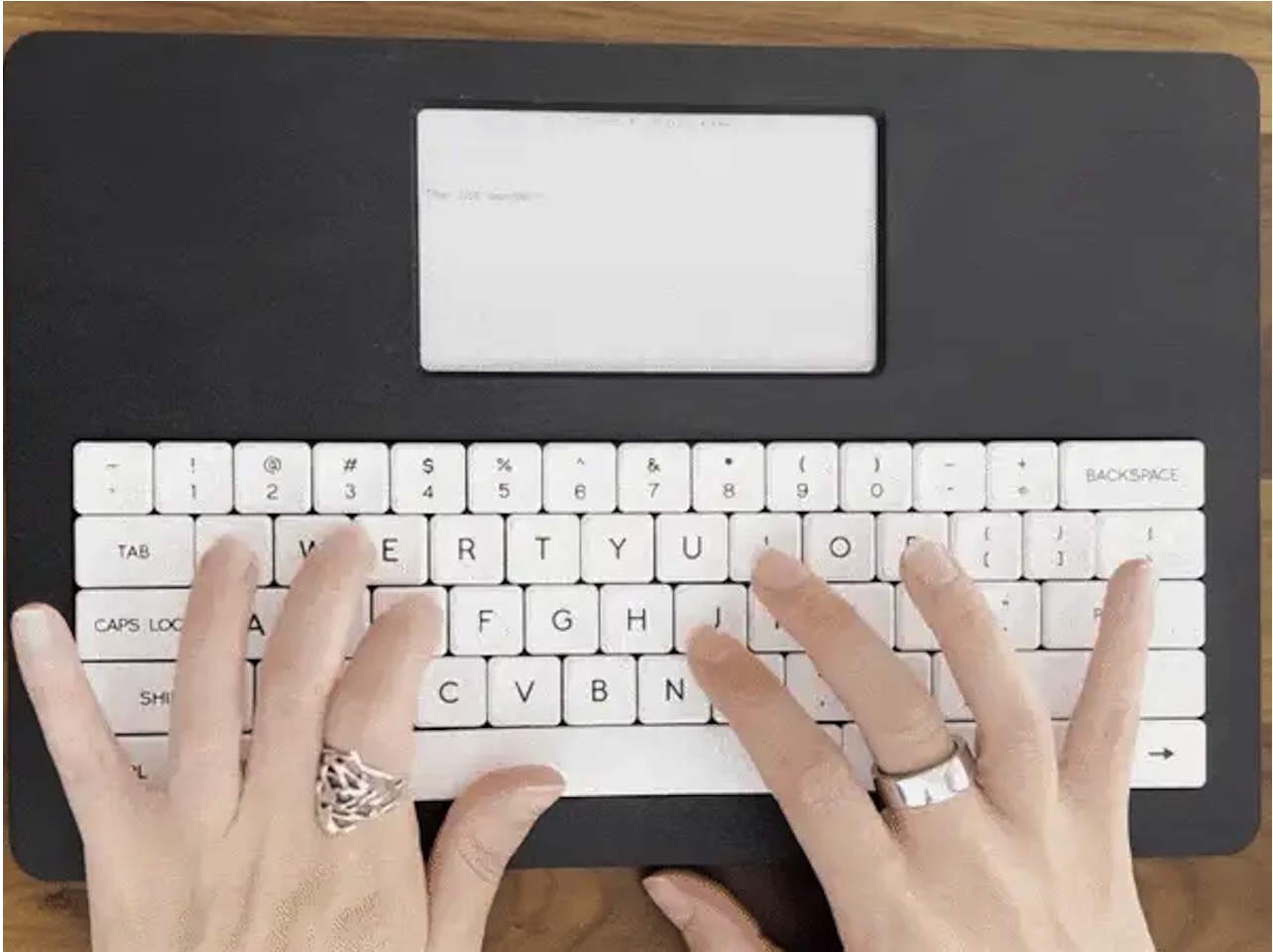
For anyone who wants to build their own version, a Full DIY Kit starts at $200, and the hardware designs and software code are open source, so modifications and forks are fair game if you have the skill and the interest. Optional accessories include a clamshell case kit for $40, which adds physical protection without adding much bulk. The case is worth considering if you’re actually going to carry this around instead of letting it sit on a desk, because the exposed keyboard and screen won’t survive a bag full of other gear without some help. Zerowriter also offers replacement keycap sets and switch packs if you want to customize the typing feel or replace worn components down the line.
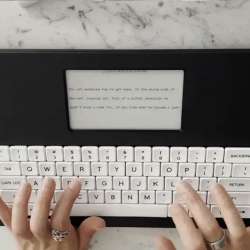
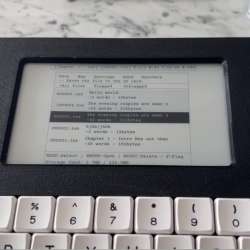
The Zerowriter Ink joins a small category of single-purpose writing devices that includes the Freewrite Alpha and the vintage AlphaSmart line, both of which built their reputations on doing one thing and refusing to do anything else. What separates the Zerowriter from those options is the combination of modern e-paper refresh rates, hot-swappable mechanical switches, and open-source flexibility, which gives you more control over how the device feels and behaves without adding complexity to what it actually does. It’s a word processor that can’t access the internet, and that limitation is the entire selling point. The modularity extends to the firmware, which runs on open-source code that technically allows for custom modifications, though most users won’t need to touch it since the device already does the one thing it’s supposed to do without configuration. The price holds at $279 with free worldwide shipping regardless of where you are, which puts it in range of other distraction-free writing devices while offering more hardware flexibility than most alternatives. The open-source approach means you’re not locked into proprietary formats or vendor-specific ecosystems if you want to modify how the device works.
Who This Is For
This makes sense for anyone who’s tired of negotiating with their own devices. If you open a laptop intending to write 1,000 words and close it 90 minutes later having written 150 words and read 11 articles about something completely unrelated, the Zerowriter removes that option by making distraction physically impossible. It won’t make you a better writer, but it will eliminate the variables that prevent you from writing in the first place. The constraint is the feature, and the limitation is what you’re paying for, which sounds backward until you realize how much energy goes into resisting the urge to open a new tab instead of finishing the paragraph you started 20 minutes ago.
It’s also worth considering if you write in short sessions across the week and don’t want to carry a full laptop. Coffee shop writing, commute writing, lunch break writing, all of those scenarios benefit from a device that fits in a small bag, doesn’t need an outlet, and turns on instantly without boot time or login screens. The instant-on experience removes the friction that kills short writing sessions before they start. You open it, you write, you close it, and the battery lasts long enough that charging becomes a once-a-month task instead of a daily negotiation. The form factor makes it easy to grab on the way out the door without the commitment of carrying a full laptop, which means you’re more likely to actually use it. The e-ink display also means you can write outdoors without glare issues that make LCD screens impossible to read in direct sunlight.
Price: $279
Where to Buy: Crowdsupply
Skip this if you need to research while you write, if your writing process involves jumping between documents, or if you edit as you draft. The Zerowriter is built for people who separate drafting from editing and want a tool that enforces that separation. If your workflow depends on access to notes, outlines, references, or the internet while you write, this device will frustrate you instead of helping you, and you’re better off with a laptop and better self-discipline.

INIU Mini Portable Charger, Small 45W PD Power Bank, 10000mAh USB C in&Out Fast Charging Pocket Size Battery Pack, Travel Essentials Powerbank for iPhone 17 16 15 14 Pro Air, Xiaomi, Samsung S24 etc
(as of March 22, 2026 18:30 GMT -05:00 - More infoProduct prices and availability are accurate as of the date/time indicated and are subject to change. Any price and availability information displayed on [relevant Amazon Site(s), as applicable] at the time of purchase will apply to the purchase of this product.)
