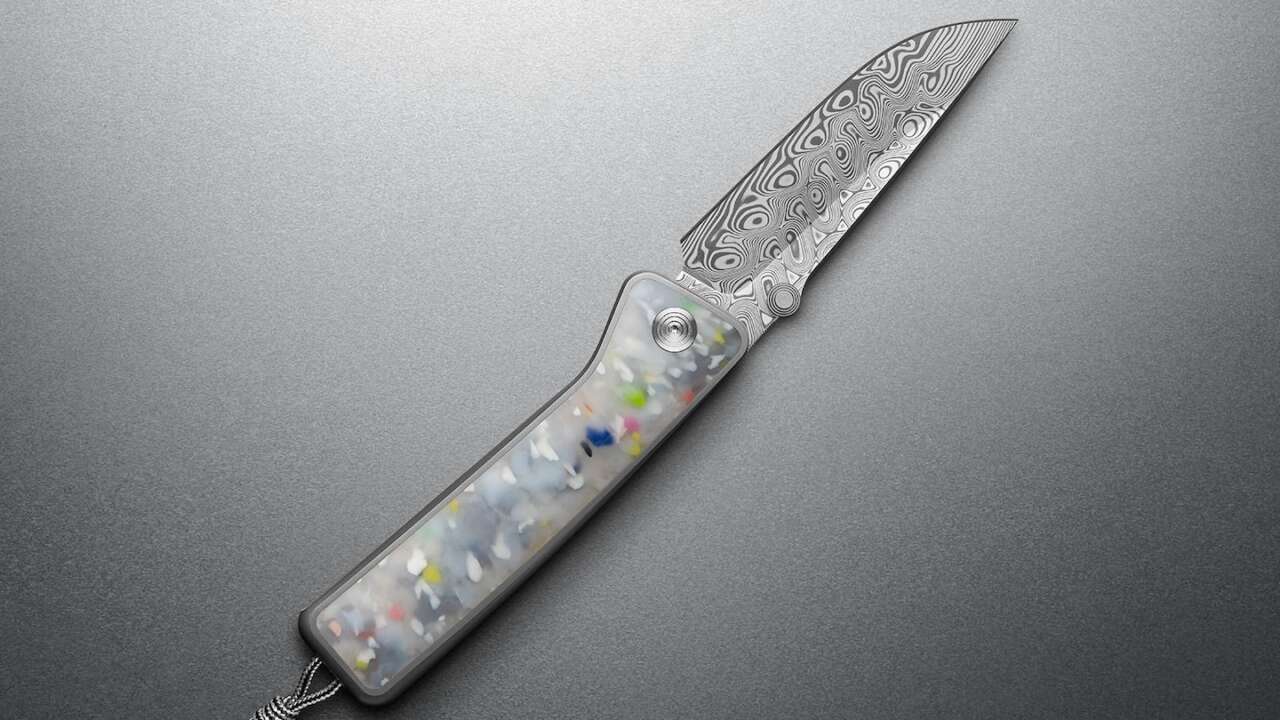
The Barnes already stood out in The James Brand’s lineup, and this new version gives collectors a more unexpected reason to take notice. The frame stays familiar, while the inlays introduce speckled recycled plastic, an unconventional choice for a premium folder.
The Barnes,BPolygood + Damasteel
Price: $1,399
Where to buy: Buy at The James Brand
We cover plenty of limited folders on this desk, and most of them change a handle color and call the job done. This one changes where the material spent its first life, and that shift is the news here.
From reception desks to a pocket knife
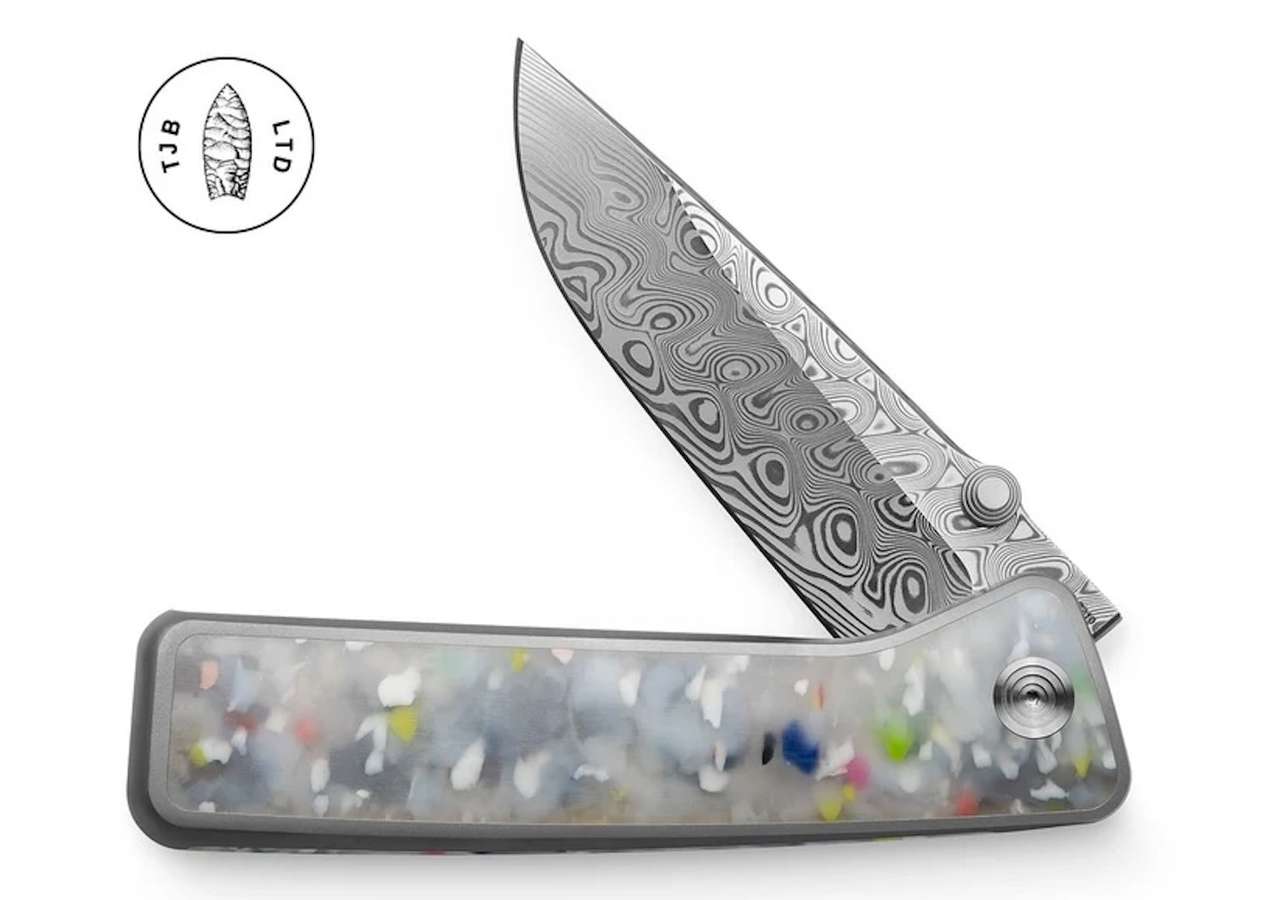
Polygood comes from The Good Plastic Company, a maker founded in the Netherlands that turns discarded plastic into surface panels for reception desks, high-traffic public spaces and wet areas. It’s countertop material, basically. Your next knife handle had a first career in building interiors, which is a stronger résumé than most pocket knives can offer.
Polygood is made from 100% recycled plastic. On the Barnes, it forms the speckled inlays set into the titanium frame, with the colors coming from the recycled material itself. The panels were developed for interiors and public spaces, and the manufacturer accepts used panels and production cuttings through a take-back program. That program doesn’t necessarily cover the finished knife inlays.
Same integral Barnes underneath
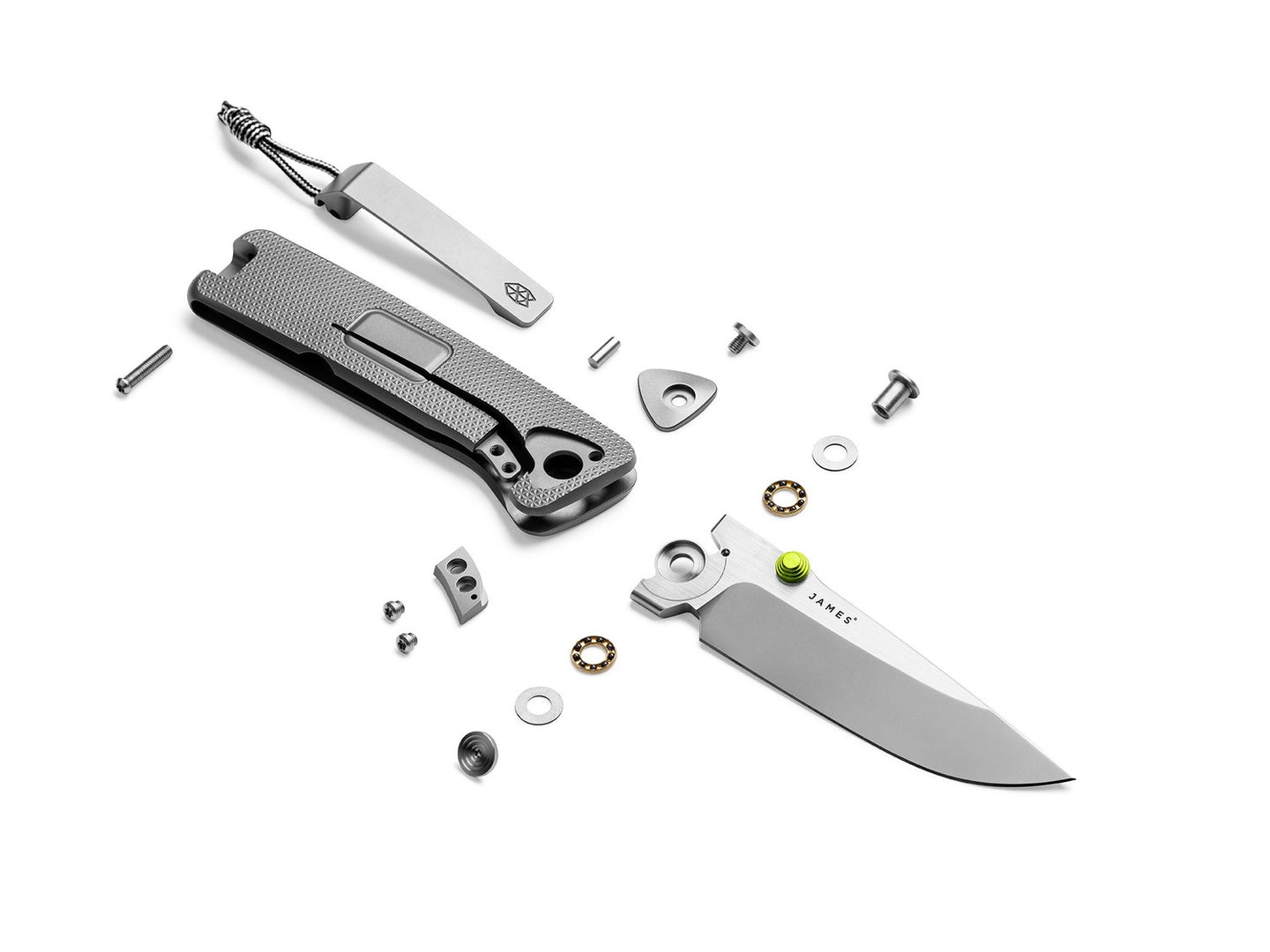
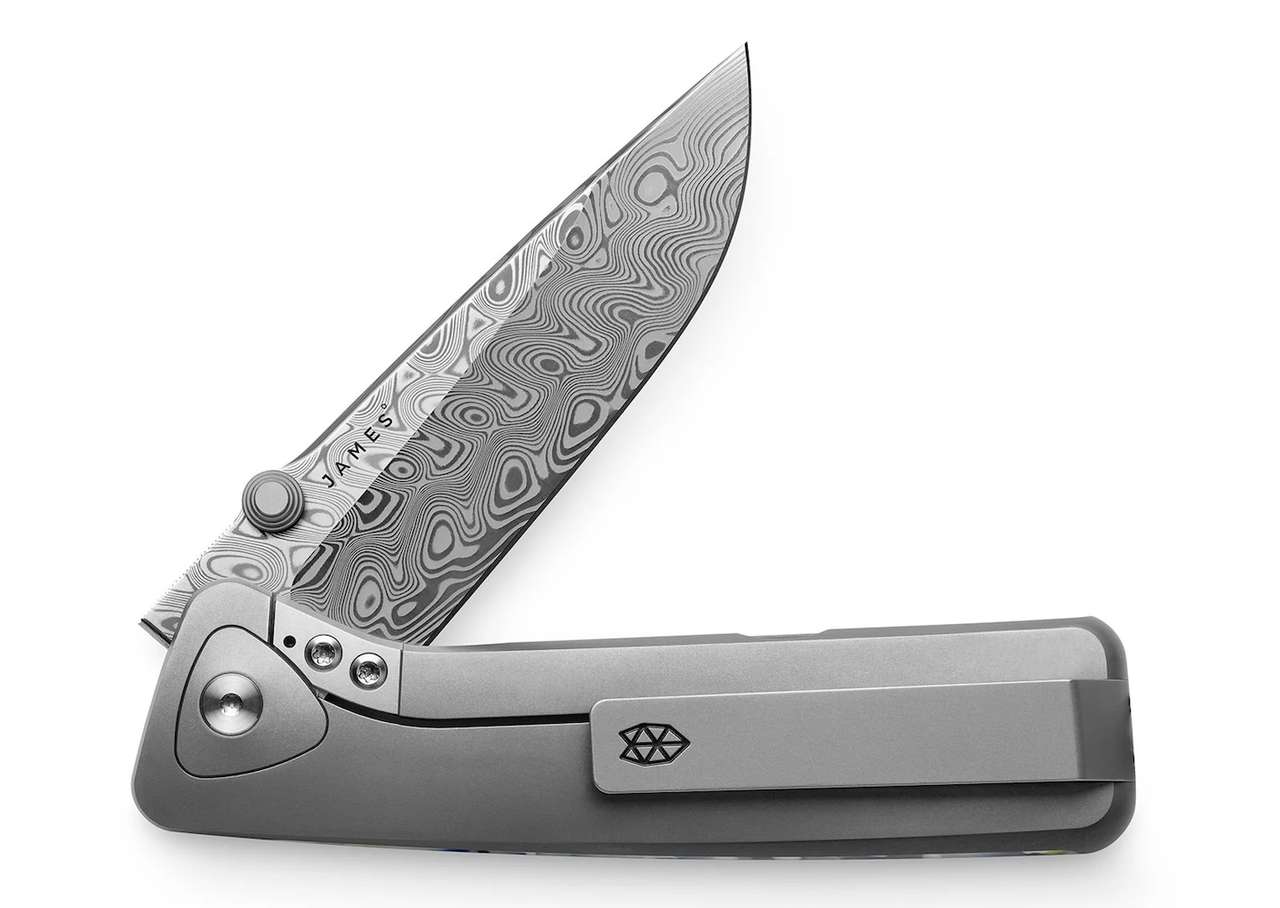
Under the new inlay, the Barnes keeps the construction that made it the brand’s flagship folder in the first place. The frame is CNC-machined from one solid billet of 6AL4V titanium, an integral framelock with fewer parts, no backspacer and no seams along the spine. Nothing underneath changed. The blade runs 3.5 inches, the knife measures 7.8 inches open and 4.5 inches closed, and the pivot is stainless steel turning on ceramic bearings.
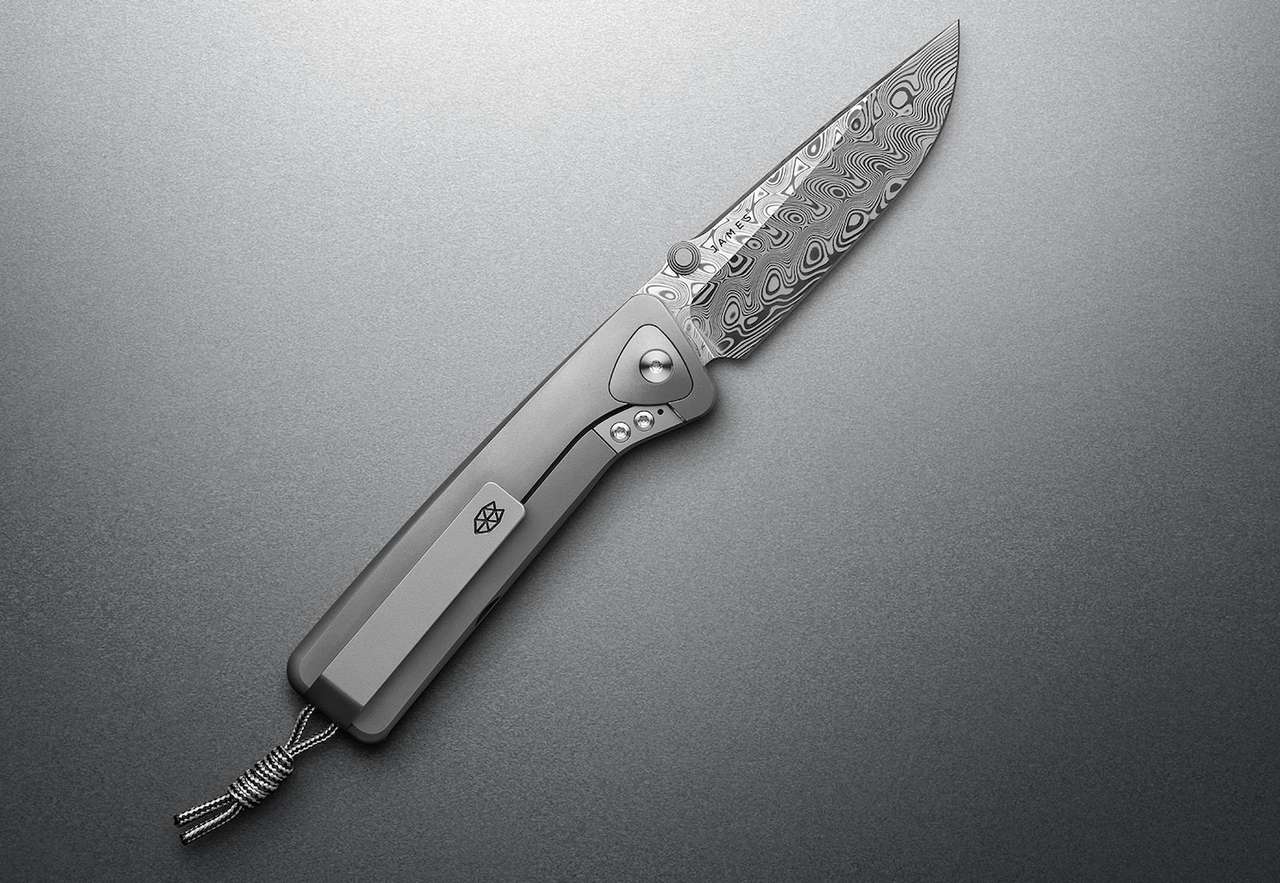
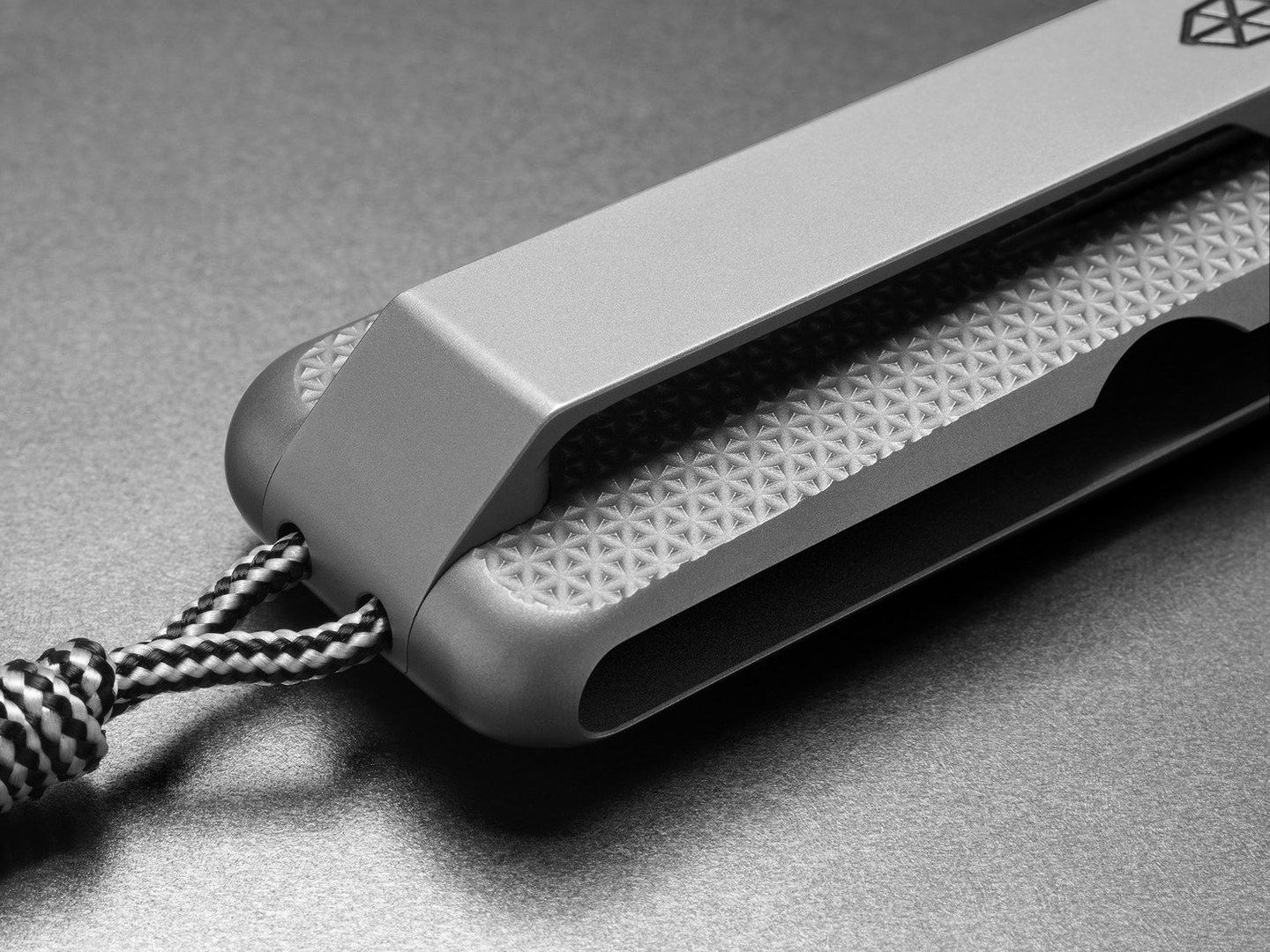
Its clip is machined titanium in a deep-carry layout with no visible hardware, and every Barnes ships with the brand’s first coin design plus a paracord lanyard. The coin adds a thoughtful nod to tradition: a knife given as a gift gets “paid for” with the coin, symbolically keeping the blade from severing the friendship. The knife itself takes its name from a projectile point design more than 11,000 years old, so the history lesson comes free.
Where it sits in the Barnes line
All three live variants sit one click apart with their prices showing today. The Polygood and Damasteel version runs $1,399 with a live buy button on the page, while the Stonewash and Damasteel version runs $1,299 right beside it.
Against those two, the standard titanium version with its M390 blade runs $649, so the Polygood step costs you $100 over the other Damasteel Barnes and a full $750 over the standard knife. That’s real money. You’re paying it for the patterned steel and a material story, not for a bigger or stronger tool.
The plain limit sits right there in that math, stated once: the extra $750 buys the Damasteel blade and the Polygood inlay, while the size, the lock and the carry stay identical to the standard Barnes. Collectors who track the limited Damasteel chapters of this knife won’t blink at that. Anyone shopping for a first premium folder should do the subtraction twice before reaching for a card.
Who this one is for
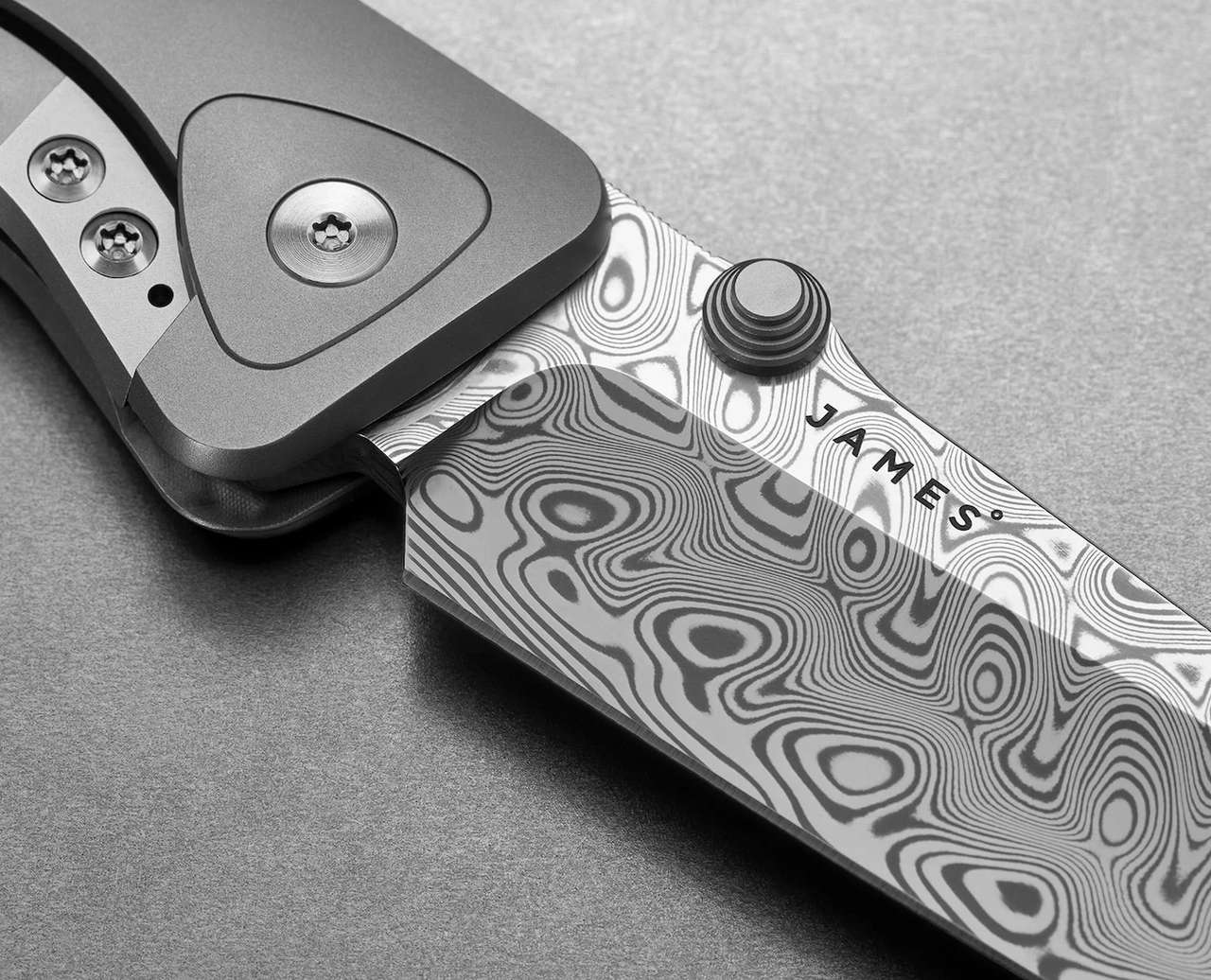
This Barnes is for the collector who already owns the standard knife and wants the chapter where the materials do the talking. The Damasteel pattern and the speckled recycled inlay give you a folder that starts conversations at a desk, at a meetup, anywhere knives come out of pockets. It’s a showpiece that still cuts. The standard Barnes at $649 remains my pick for daily carry, since it brings the same integral frame and a proven blade steel for $750 less.
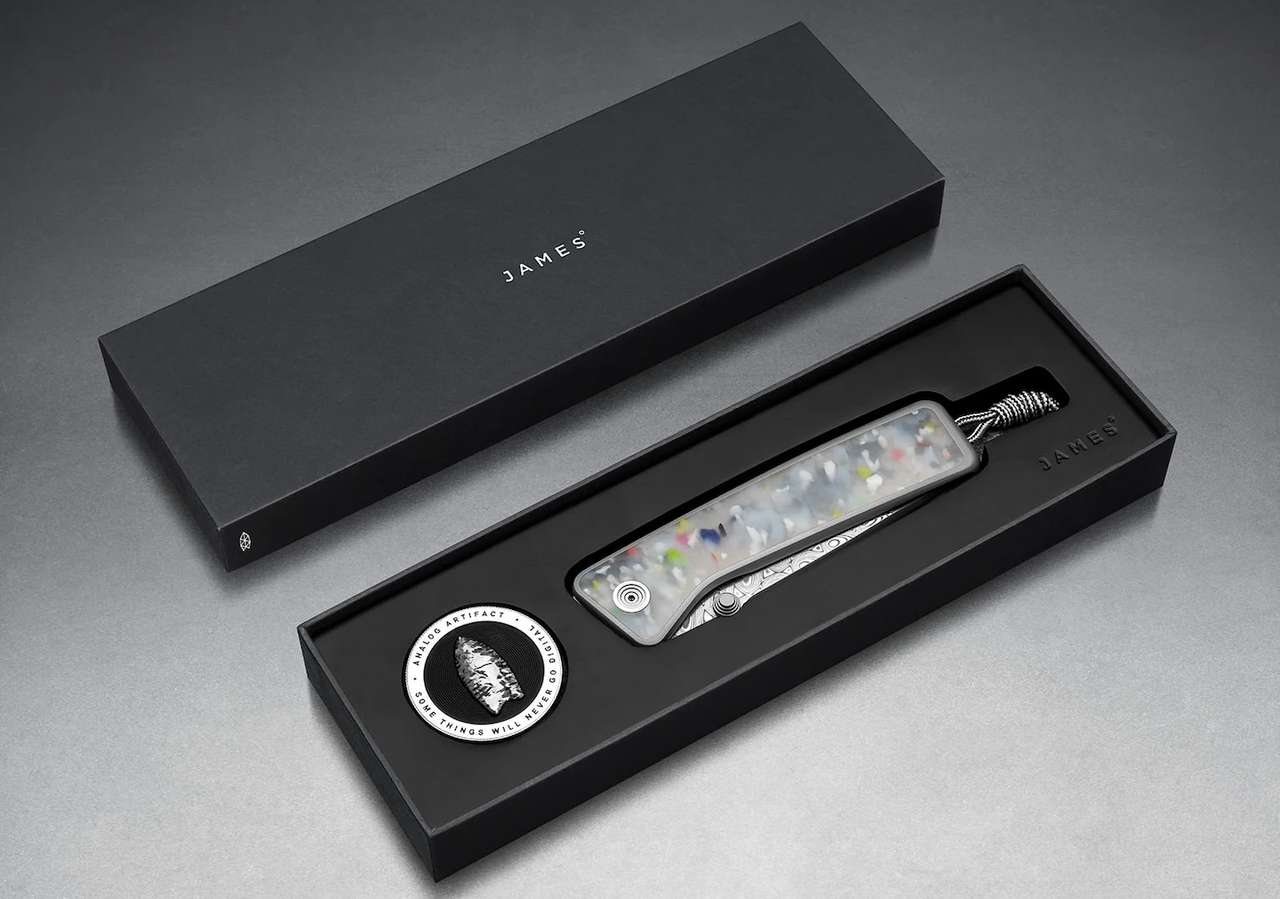
The Barnes, Polygood + Damasteel
Integral 6AL4V titanium frame · Damasteel blade, 3.5 inches · Polygood recycled-plastic inlays
Price: $1,399
Where to buy: Buy at The James Brand
At $1,399, the Polygood and Damasteel Barnes gives collectors a variant with a distinctive materials story. It’s available now from The James Brand, while the $1,299 Stonewash Damasteel offers an alternative for anyone who wants the same blade steel without the inlays. The choice comes down to whether the recycled material’s character and backstory justify the extra $100.