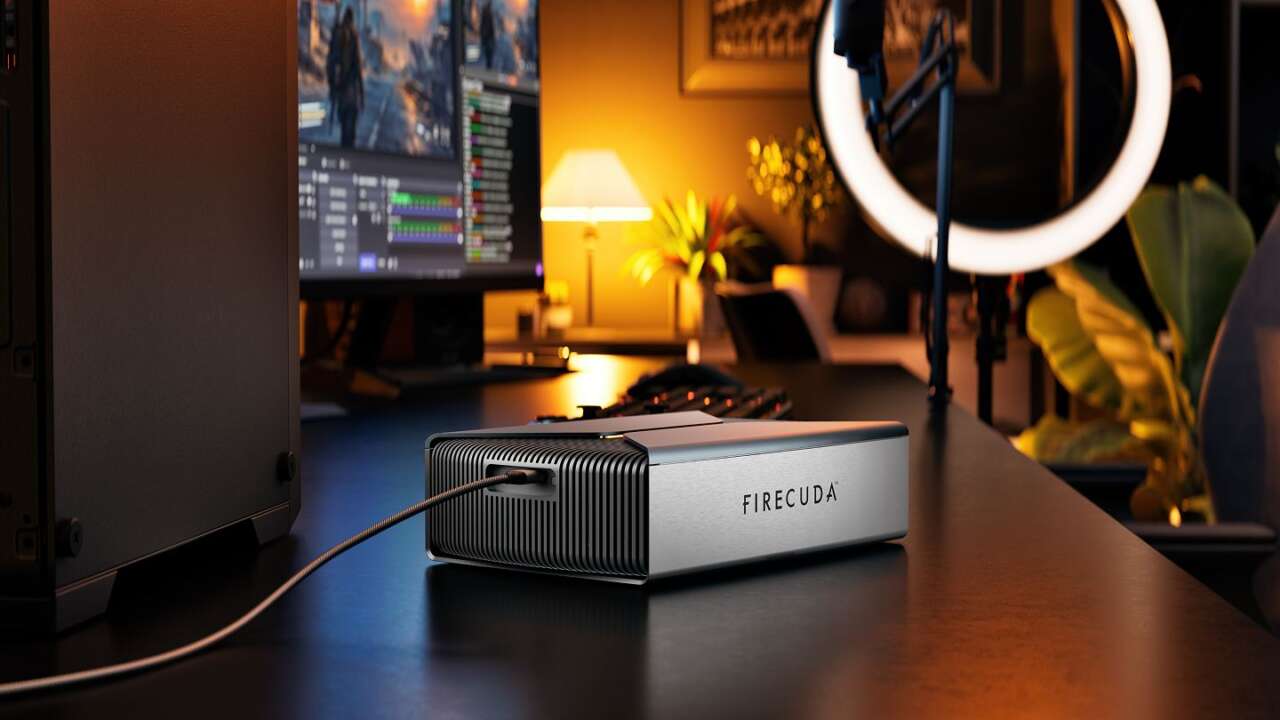
Seagate’s FireCuda Forge is an external drive with a split personality it doesn’t hide: a hard drive of 8TB or 20TB does the storing, and an NVMe SSD you supply yourself does the running. The two sit in one finned box on your desk, and Seagate’s new Alkemi platform decides, file by file, which half holds what.
It isn’t two drives bolted together and left for you to manage. Alkemi presents the pair as one volume, and the sorting happens behind the scenes.
Price: $755.99
Where to buy: Amazon
Gamers and creators get the pitch, and the pitch is the oldest one in storage. Speed costs money per terabyte, capacity doesn’t, so libraries keep outgrowing the fast drive and spilling onto the slow one.
Alkemi keeps the hot files on flash
Alkemi watches how you actually use your files. What you open daily, the game you’re mid-run in, the project on your timeline, that data migrates to the SSD and stays there. Finished exports, last year’s footage, the forty games you swear you’ll finish someday, all of that settles onto the platters, where room is cheap.
Seagate says the placement keeps learning as habits change.
Tiering itself isn’t new. Servers have shuffled hot and cold data between flash and disk for a decade, and Seagate’s own enterprise lines live on the idea. What’s new is the address: a single box on a desk, aimed at a game library instead of a database, with the management hidden from the person who owns the files. No settings page, no migration chore, no second-guessing a cache.
The arrangement asks something real of the box, though. Two storage tiers behind one USB4 cable have to behave like a single drive under load, during a capture, mid-export, with no stutter when a file crosses from flash to platter, and none when a game patches itself in the background. That’s the claim the first reviews will test, because it’s the claim the whole product stands on, and trust like that is built in reviews rather than launch posts.
The SSD spec is a floor, not a suggestion
Here’s the part to read twice. The Forge ships without the SSD, and it won’t run until you install one: an M.2 2280 NVMe drive, PCIe Gen3 or faster, up to 1TB. Seagate’s own minimums ask for 2,400MB/s reads and 2,000MB/s writes, with a DRAM cache recommended, and those floors aren’t conservative padding.
They’re the product’s headline numbers in disguise. Seagate rates the Forge at up to 2,500MB/s read and 2,000MB/s write, and a cache drive that can’t feed the pipe turns the whole exercise into an expensive hard drive with a fancy name.
Fins, light, and a drive you can swap
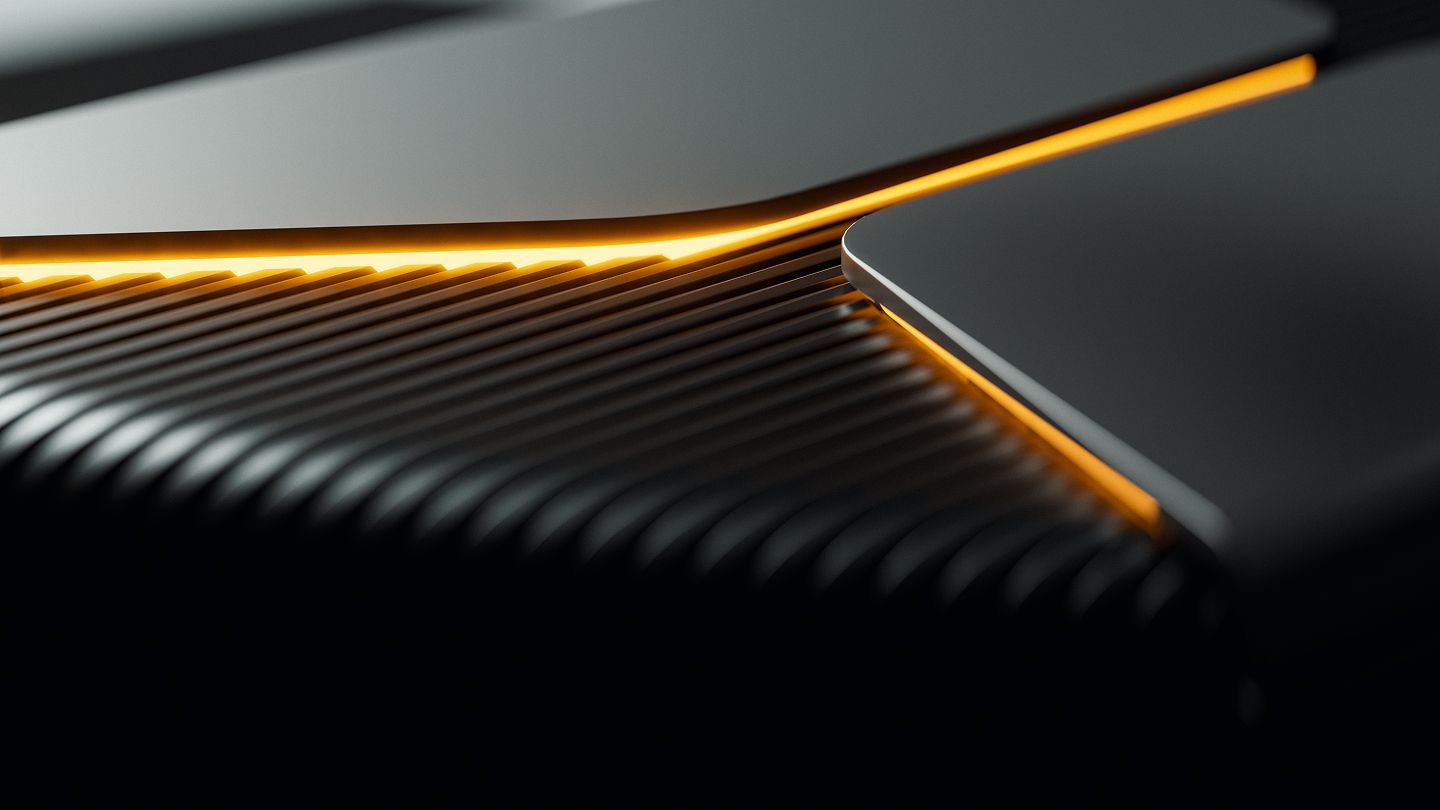
The enclosure wears its cooling on the outside, deep fins running the length of a shell that looks built rather than styled. Programmable RGB lighting runs through it, because a gaming desk product ships with lights the way a wedding ships with cake. It’ll sit there glowing next to your tower, and it’ll match it if you let it.
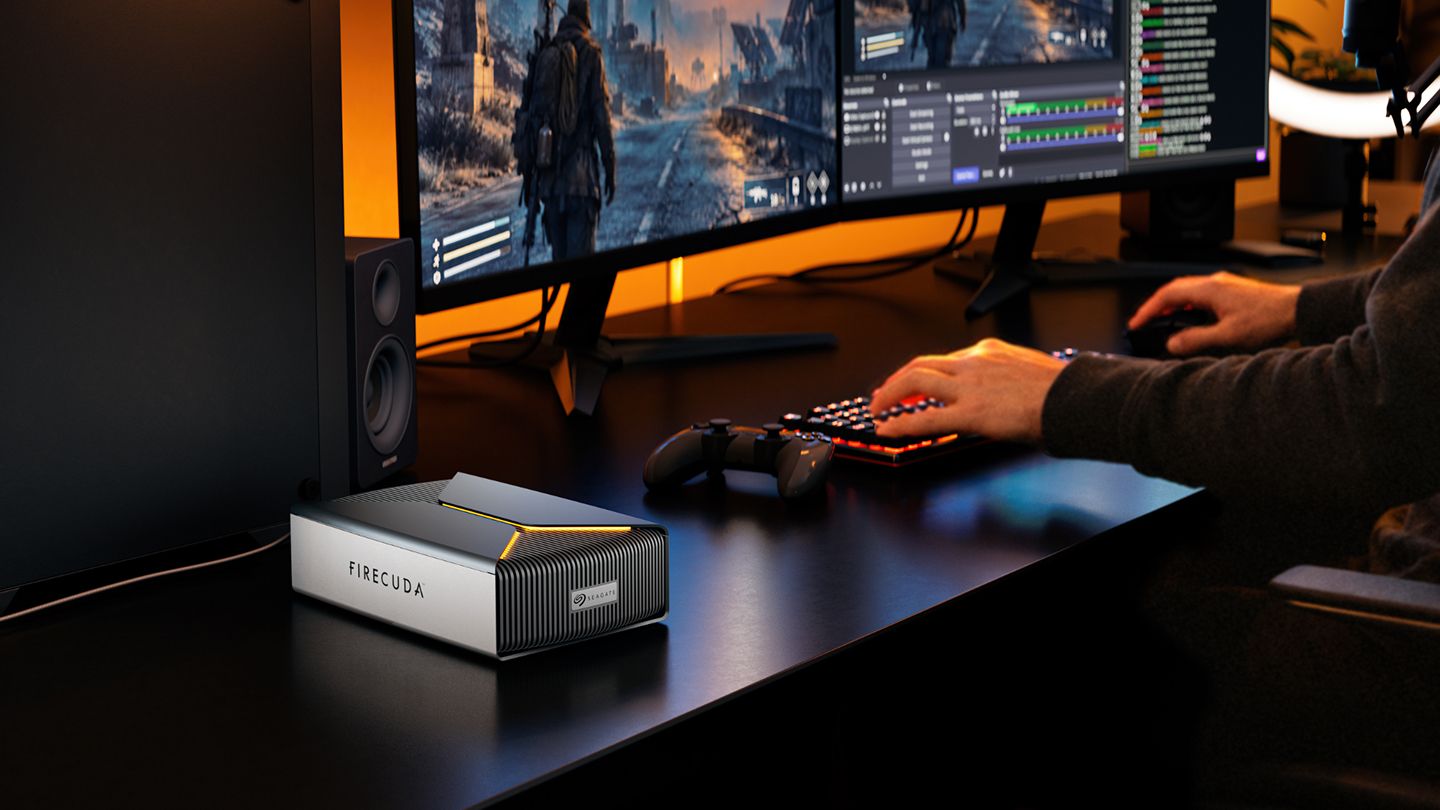
The hard drive inside isn’t sealed away, either. When 8TB stops being enough, the drive comes out and a bigger one goes in, and Seagate built the Forge around that swap instead of treating capacity as a one-time decision at checkout. The SSD ages the same way. Wear out the cache drive or outgrow the 1TB ceiling’s logic, and the box itself stays useful. In a sealed box, a dead platter means a whole new purchase.
USB4 is the right pipe for the claim, too. Capture cards, 4K timelines, a library that streams assets while it records, the bandwidth has to cover the SSD’s half of the act or the platters set the pace for everything.
| Capacities | 8TB, 20TB |
| Model numbers | STNS8000400 (8TB), STNS20000400 (20TB) |
| Interface | USB4 |
| Performance | Up to 2,500MB/s read, 2,000MB/s write |
| Cache drive | User-supplied M.2 2280 NVMe SSD, required; PCIe Gen3 or faster, up to 1TB, 2,400/2,000 MB/s minimum, DRAM cache recommended |
| Hard drive | Upgradeable and user-replaceable |
| Lighting | Programmable RGB |
| Systems | Windows 11, macOS 26 or newer |
| Prices | $699 at Seagate, $755.99 at Amazon (8TB); $899 (20TB) |
What 8TB and 20TB actually cost
The Forge is on sale now through Seagate’s store and its retail partners, and Amazon carries the 8TB model. The 8TB Forge runs $699 from Seagate and $755.99 at Amazon, and the 20TB runs $899, model numbers STNS8000400 and STNS20000400, and both prices buy the box and the platters only. Your SSD budget rides on top, and a 1TB drive that clears Seagate’s speed floor isn’t the cheapest stick on the shelf, and it isn’t optional, either.
Windows 11 and macOS 26 or newer are the supported systems. An Adobe Creative Cloud Pro trial rides along in the box, aimed squarely at the creator half of the pitch. Neither launch price is small, and both undercut what 20TB of pure flash would cost by a wide margin.
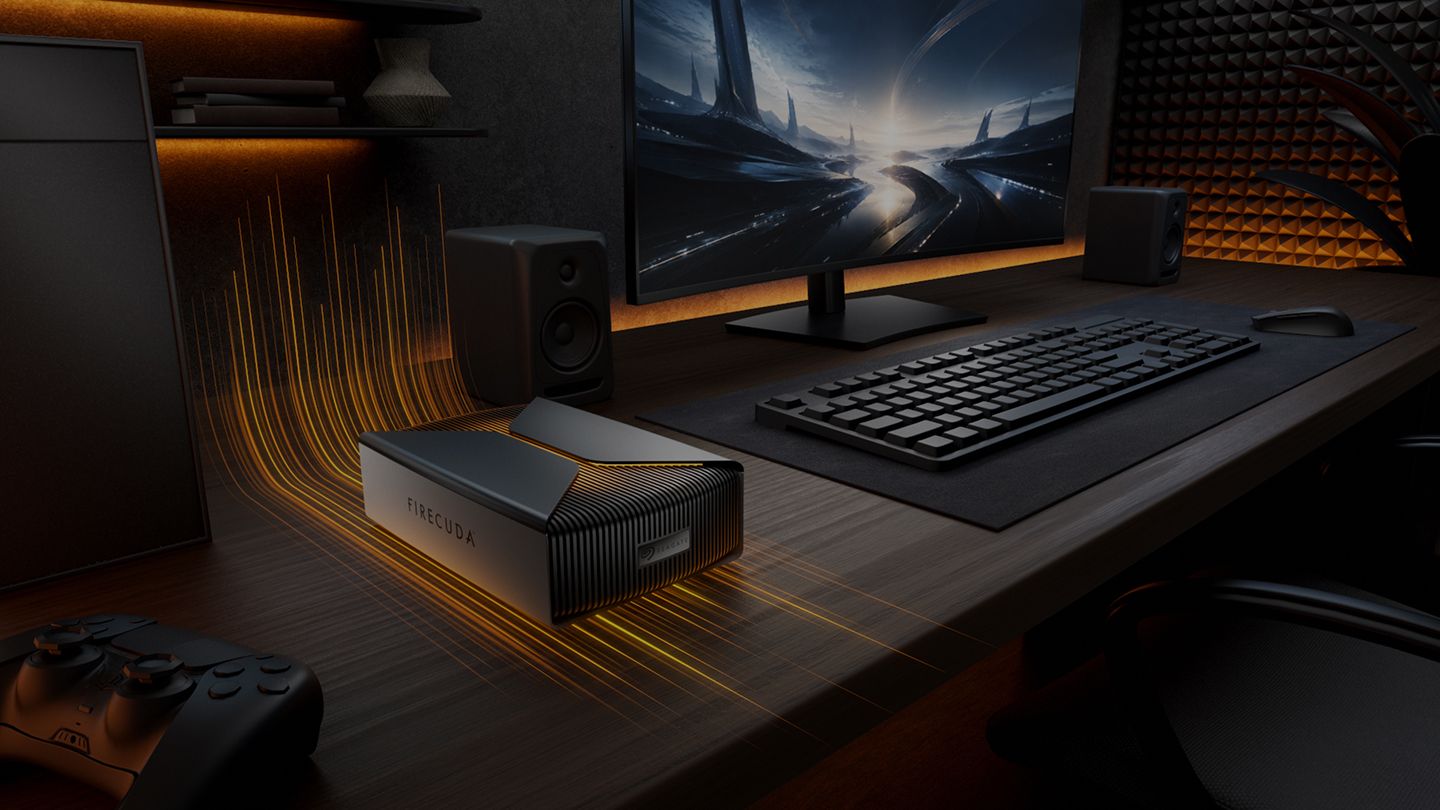
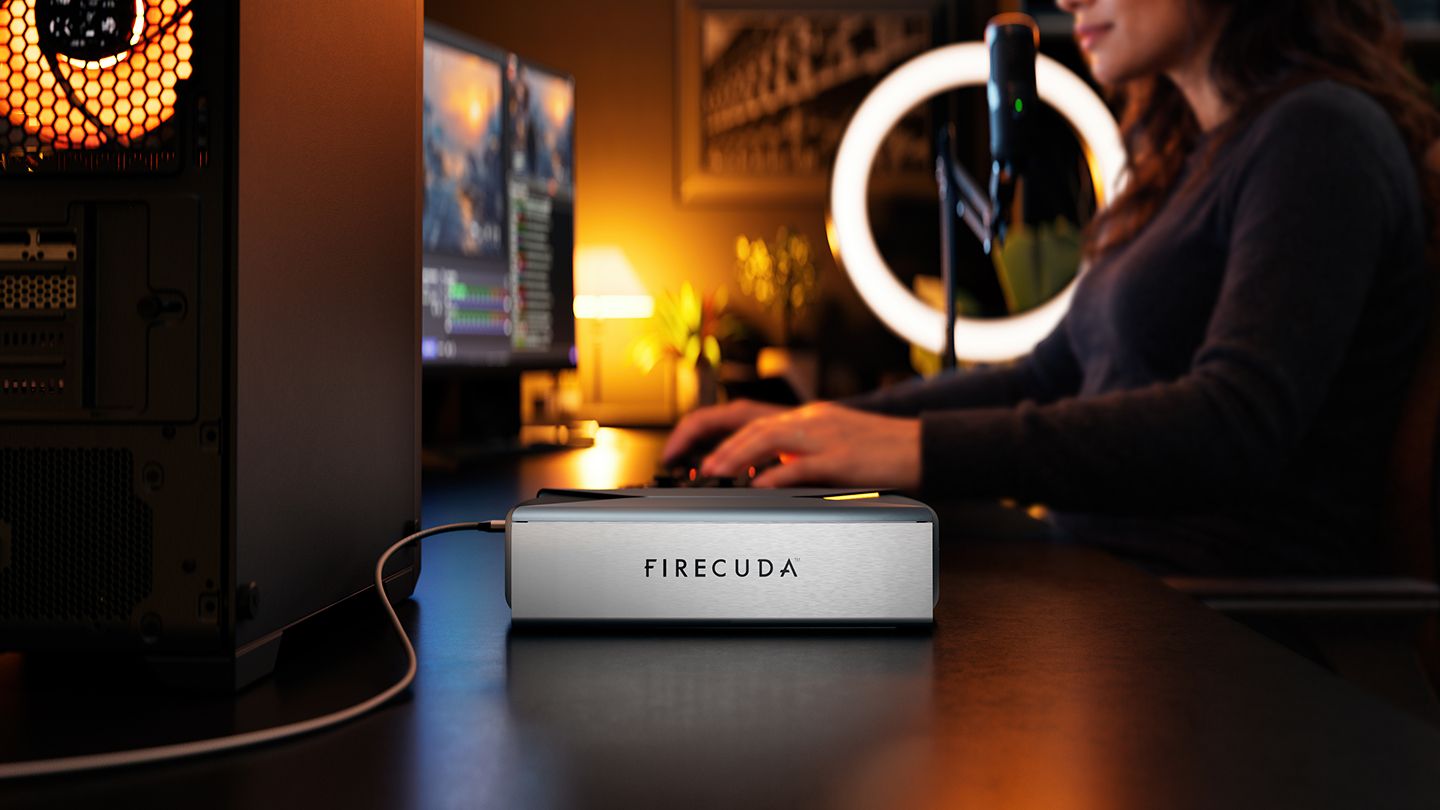
So the buyer is specific. It’s the player whose library passed 4TB two Steam sales ago, or the editor whose project drive and archive drive keep swapping chairs. If your working set fits on one fast SSD, the Forge solves a problem you don’t have, at $699 plus a second purchase.
Everyone else has run this two-drive shuffle by hand for years.
Price: $755.99
Where to buy: Amazon
Alkemi just offers to run it for them, quietly, in one box, at hard drive prices per terabyte. Whether it keeps that promise under a real library is the test that counts, and it’s a test worth watching.