Playing Nintendo 3DS games on a single-screen retro handheld means fitting both game screens onto one display or switching between them. That can make maps, inventory menus, and touchscreen controls less convenient to use.
Price: TBD
Where to Buy: ANBERNIC
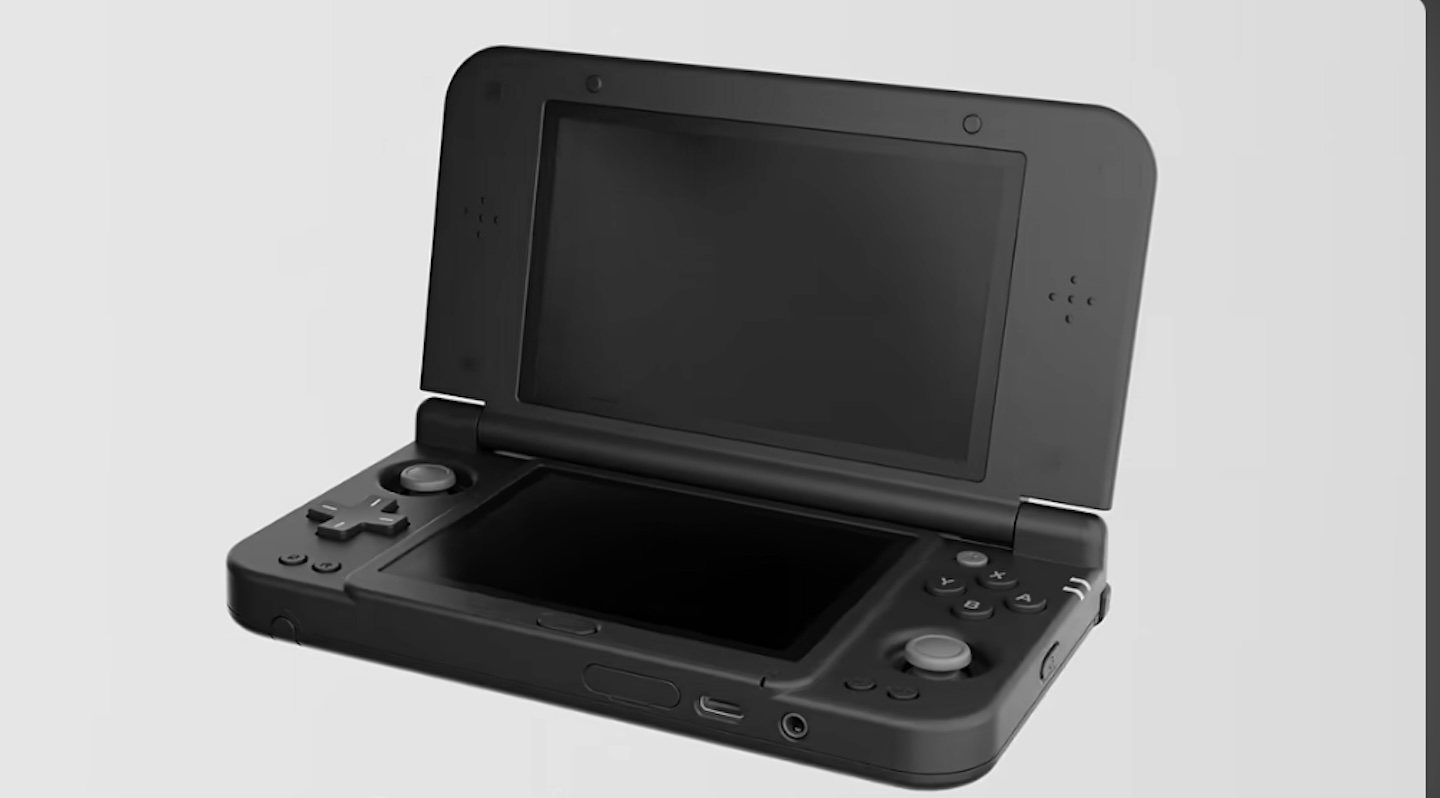
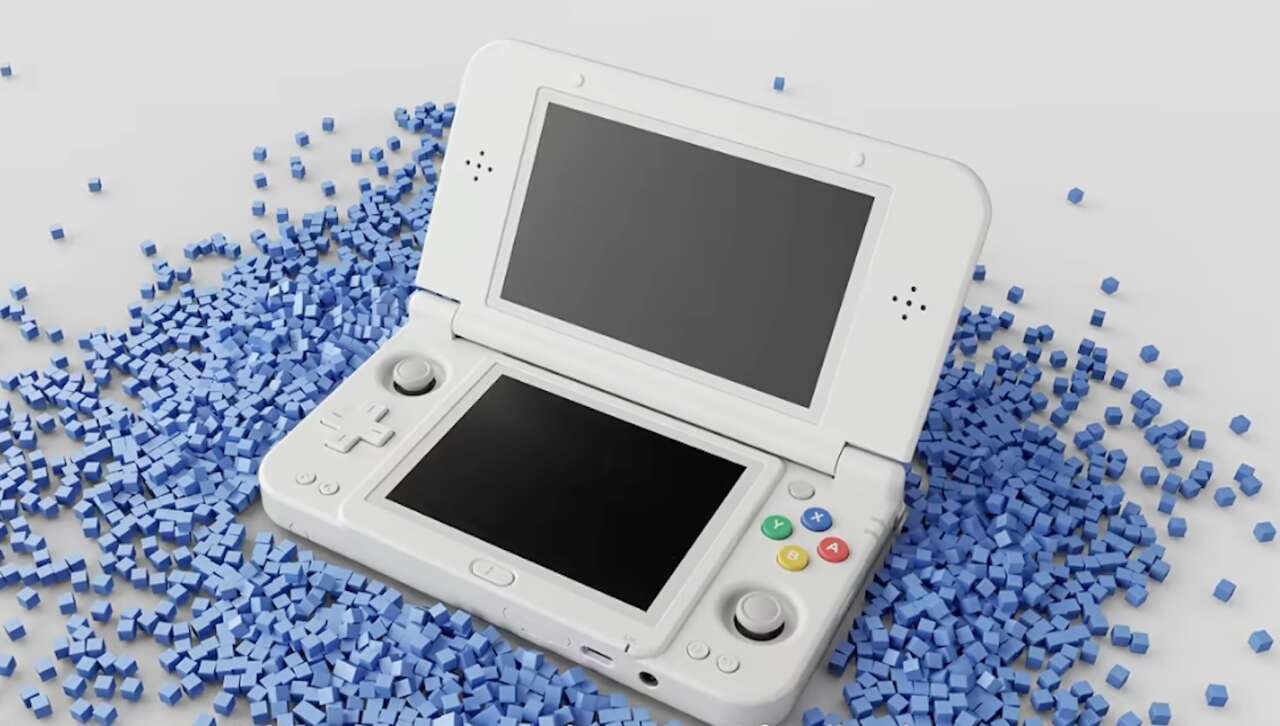
ANBERNIC is bringing back the familiar clamshell design with its upcoming RG DDS (Dream Dual-Screen). Inspired by Nintendo’s New 3DS family, the handheld features two high-resolution displays, a retractable stylus, and Qualcomm’s Snapdragon G2 Gen 2 processor. It also includes active cooling and a 6,000mAh battery.
Unlike ANBERNIC’s earlier RG DS models, the RG DDS uses displays with different aspect ratios that closely match Nintendo’s original 3DS arrangement.
Screen resolutions allow exact 3× scaling
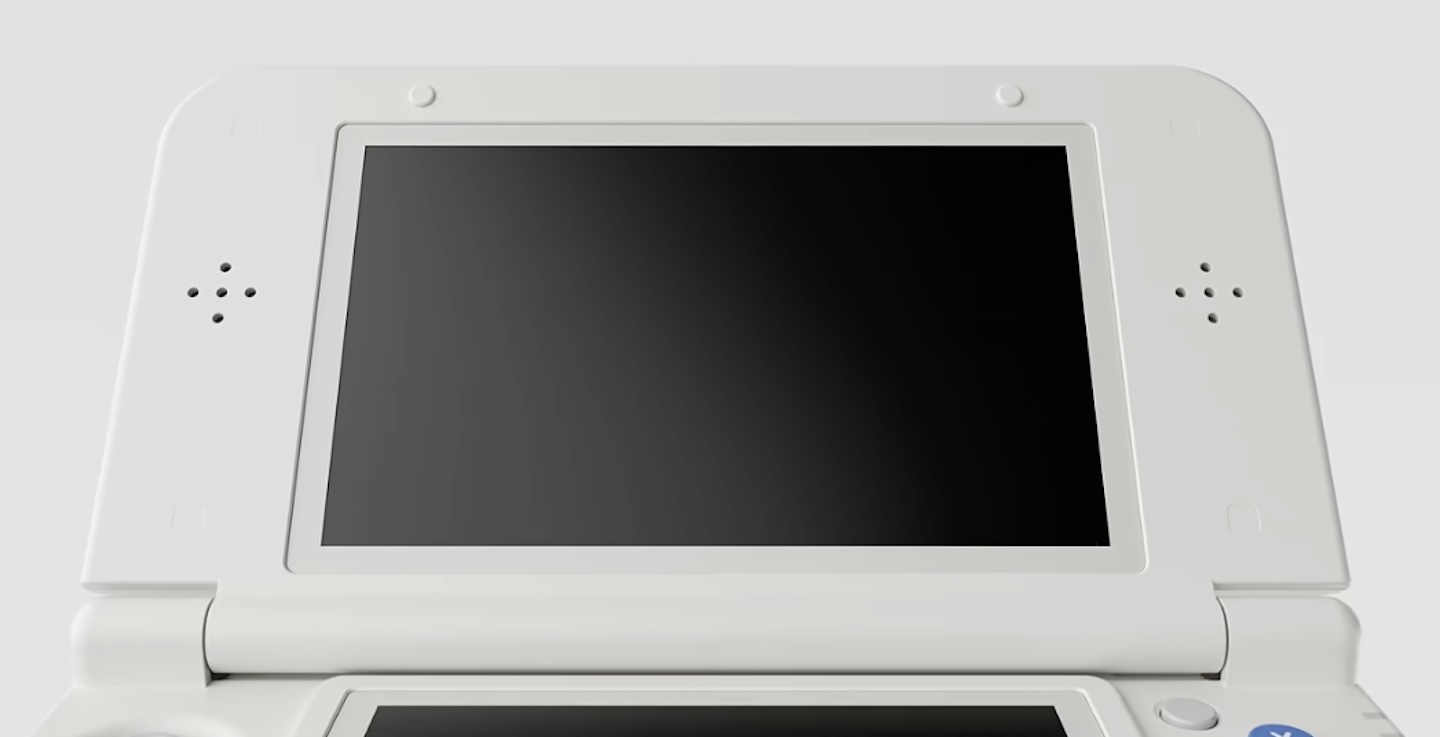
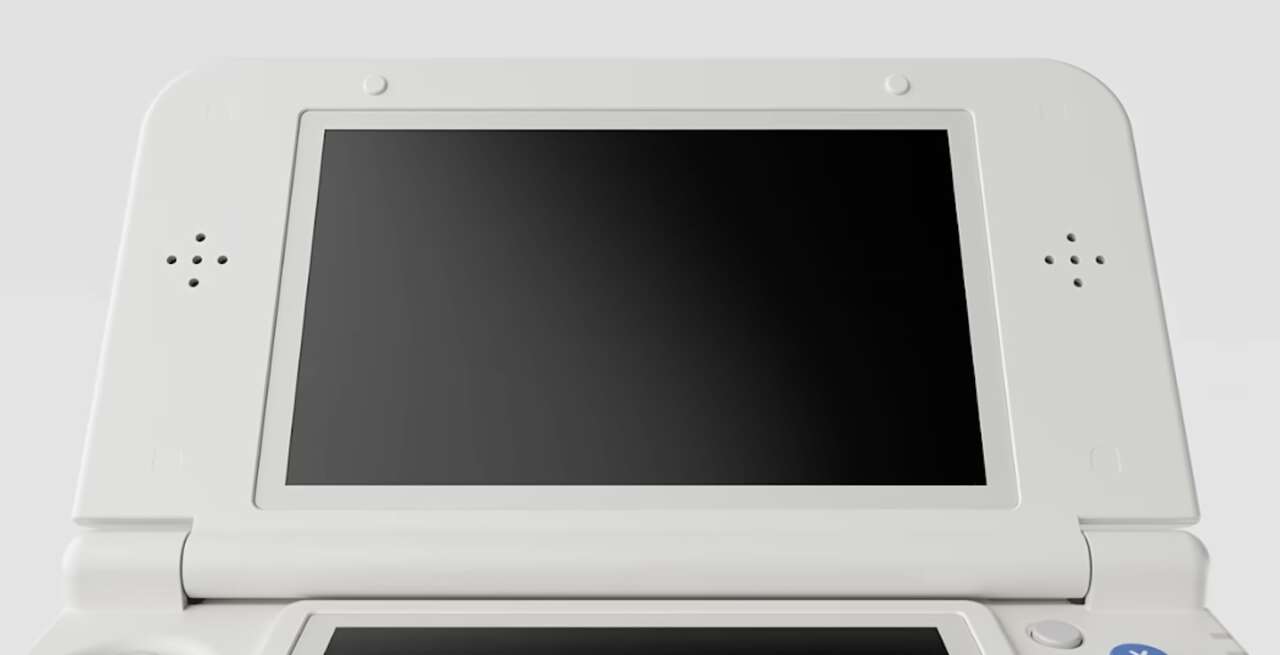
The RG DDS features a 4.7-inch upper display with a resolution of 1200 × 720 pixels and a 4-inch lower touchscreen with a resolution of 960 × 720 pixels. ANBERNIC rates both IPS panels at 500 nits of brightness and approximately 300 pixels per inch.
The upper screen matches a 3× integer scale of the 3DS’s 400 × 240 per-eye image, while the lower screen matches a 3× scale of its 320 × 240 touchscreen image. Compatible software can therefore scale each source pixel to a uniform 3 × 3 block.
The dual-screen layout also lets maps and menus stay below the main action, reducing the need to squeeze both views onto one display or switch between them.
ANBERNIC has not advertised glasses-free stereoscopic 3D support.
Snapdragon G2 Gen 2 and active cooling
ANBERNIC has equipped the RG DDS with Qualcomm’s Snapdragon G2 Gen 2 processor, moving beyond the Rockchip RK3568 hardware used in its earlier dual-screen models.
The processor is expected to provide additional headroom for higher-resolution rendering in compatible games, potentially allowing the RG DDS to make better use of its sharper displays.
Actual Nintendo 3DS emulation performance will depend on the game, emulator, and settings; the announced specifications alone do not guarantee smooth gameplay at 3× rendering resolution.
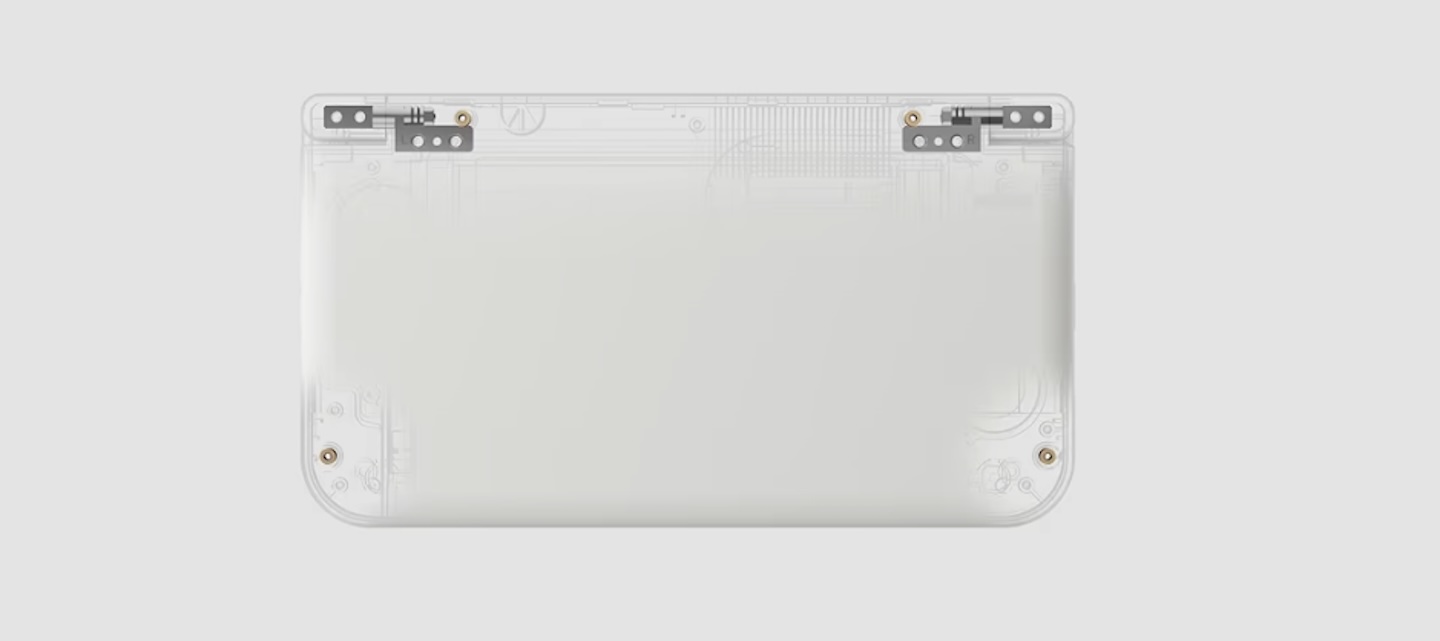
ANBERNIC has included an active cooling system to help manage heat during gaming sessions. This is a practical addition for a compact device equipped with a gaming-focused processor and two screens.
A retractable stylus for touchscreen games
Touchscreen interaction was an important part of Nintendo DS and 3DS gaming. Some titles use the lower display for menus and inventory management, while others rely on drawing, puzzles, and direct interaction with objects.
The RG DDS includes a retractable stylus that stores inside the handheld. This arrangement makes the stylus convenient for games that frequently alternate between physical controls and touchscreen input. Players can use the D-pad and face buttons for movement while reaching for the stylus when a game requires more precise interaction.
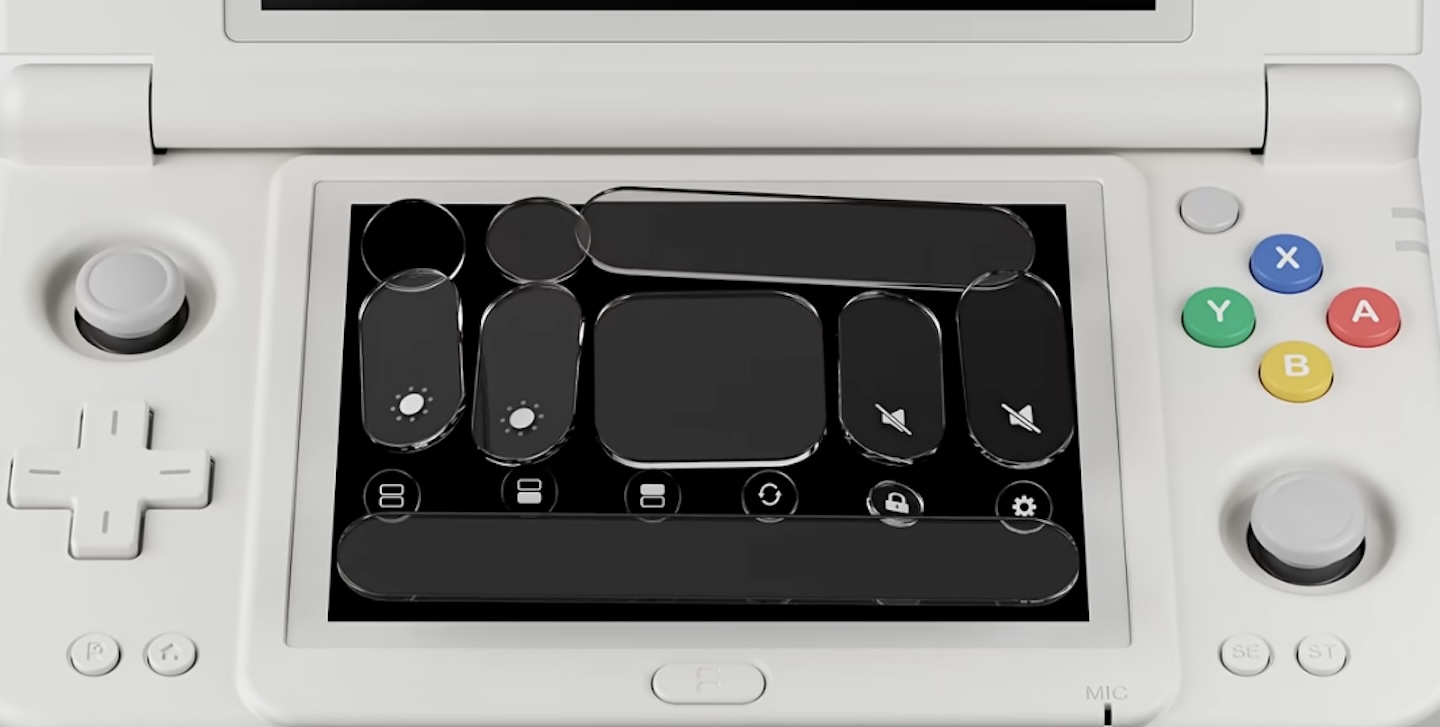
The handheld also includes two analog sticks, shoulder buttons, and a traditional four-button layout. These controls accommodate games that benefit from additional analog input, including titles originally designed for later Nintendo 3DS hardware.
Physical controls and a dedicated touchscreen echo the original dual-screen design, but equivalent touchscreen response and game compatibility have not been established.
A familiar folding design with modern features
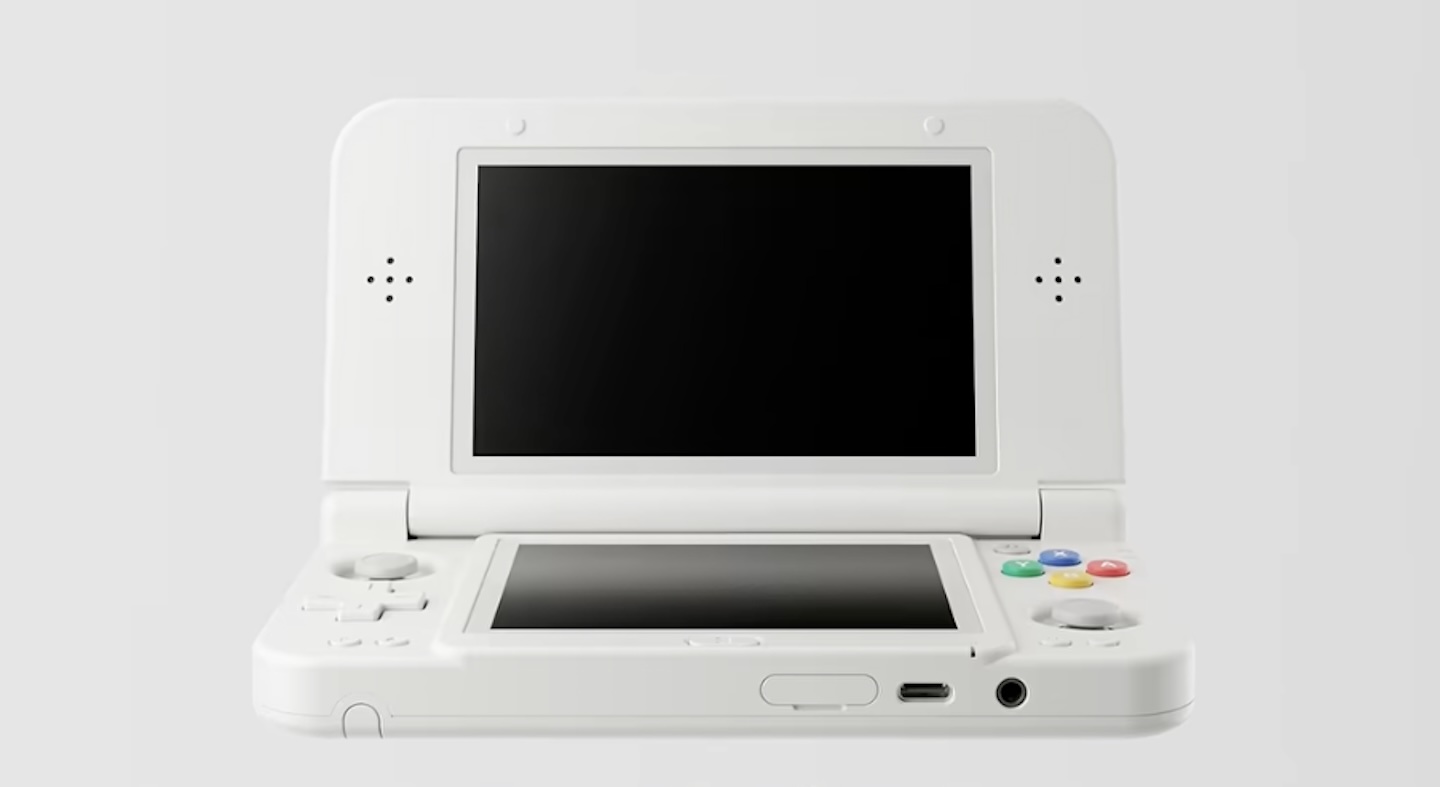
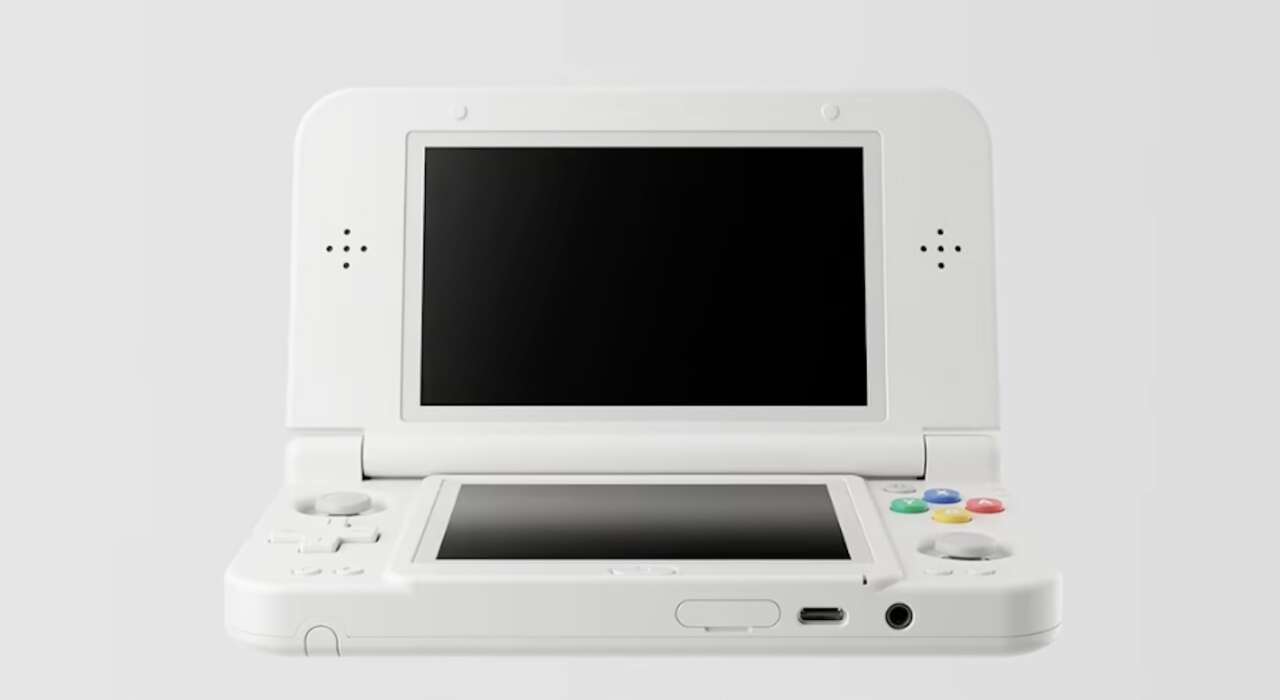
The RG DDS uses a New 3DS-inspired clamshell body that folds shut over both displays. It has been shown in black, white, and blue.
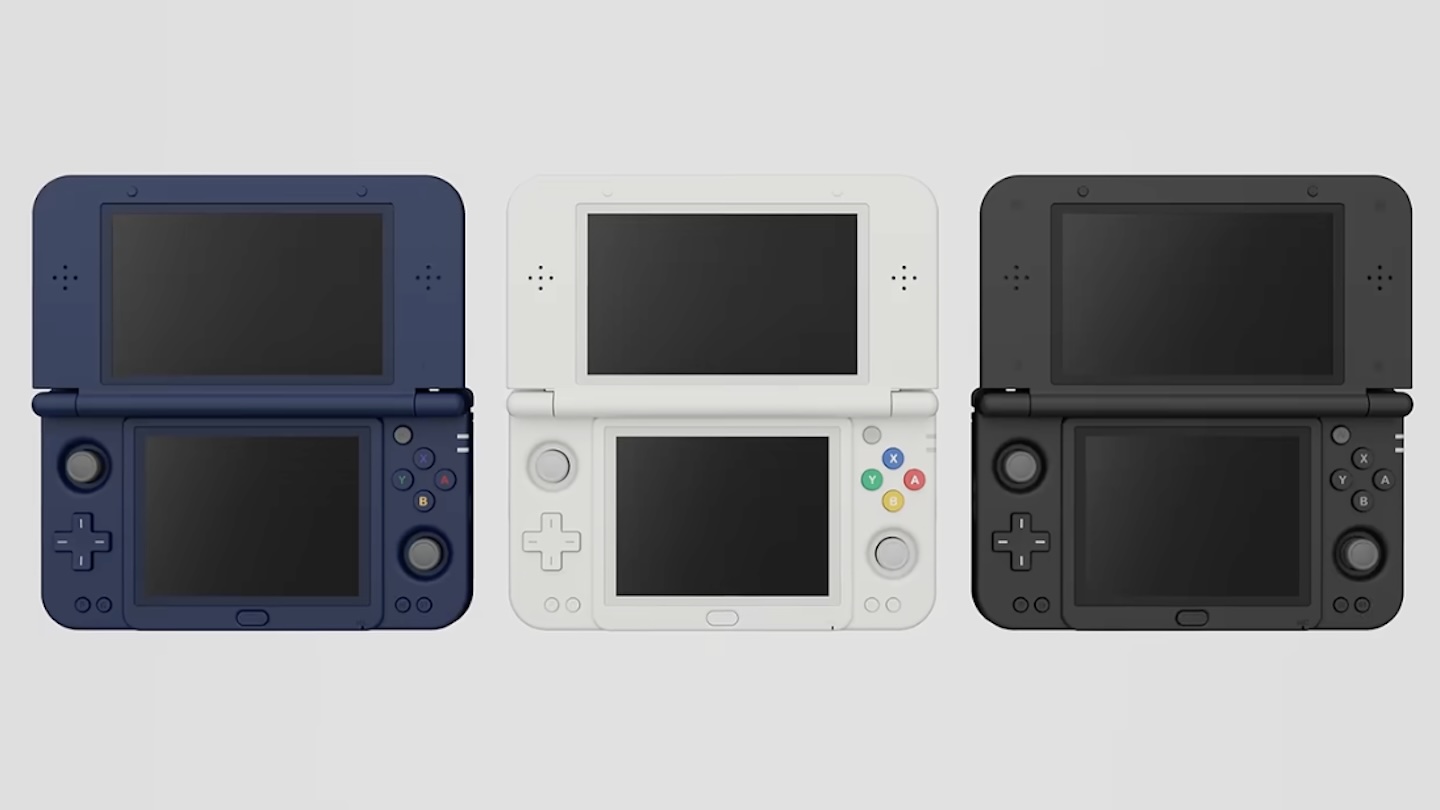
The RG DDS includes front-firing stereo speakers. The announcement also shows a dedicated AI button.
These features give the RG DDS a contemporary hardware design while preserving the familiar appearance of Nintendo’s original clamshell systems.
A 6,000mAh battery for portable gaming
The RG DDS includes a 6,000mAh battery, compared with the 4,000mAh capacity of the RG DS Plus. The increased capacity provides a larger power reserve for the Snapdragon processor and dual displays.
ANBERNIC has not announced an official battery-life estimate, so the number of hours available between charges remains unspecified.
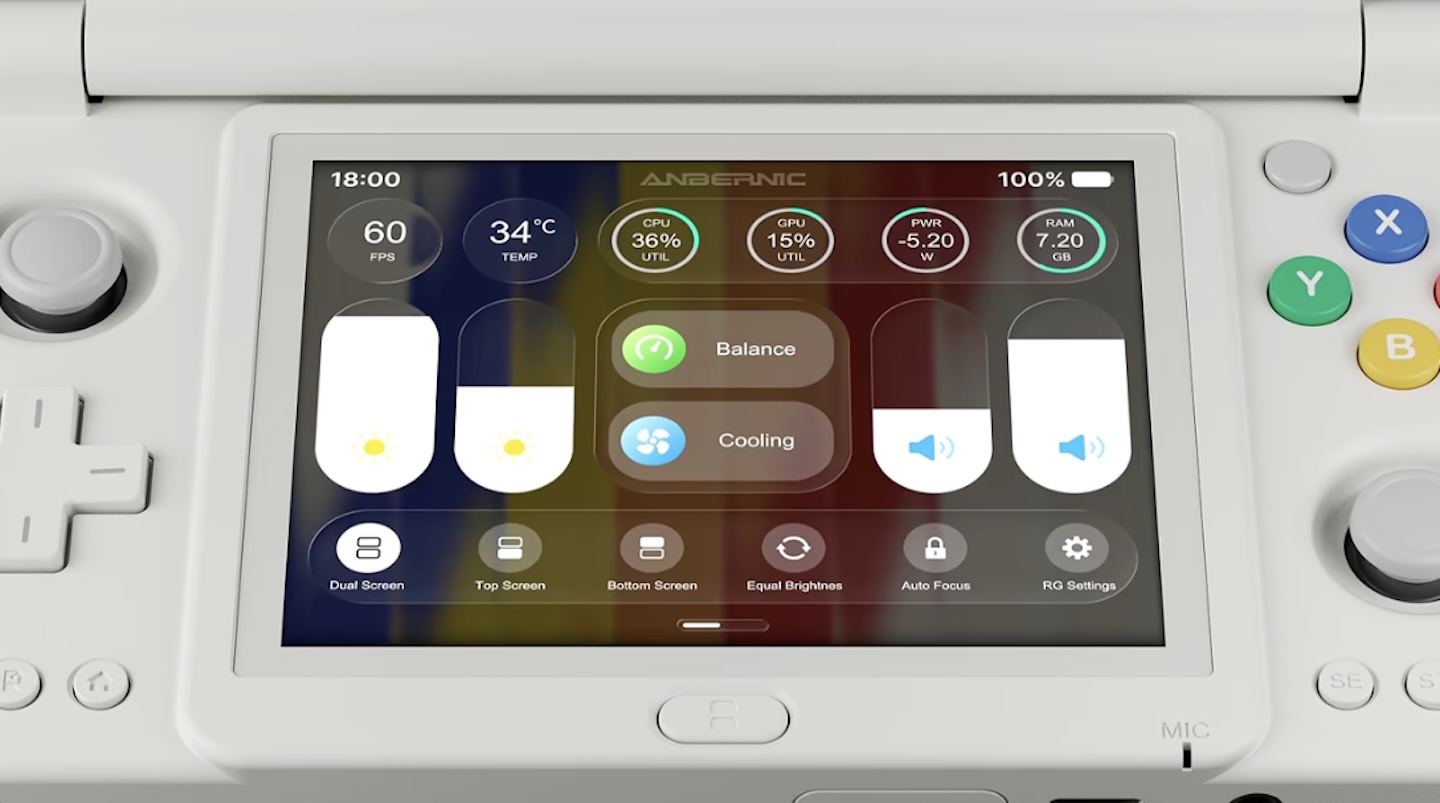
The handheld also features a redesigned software control center for managing device functions and settings. The announcement does not yet provide a complete specification sheet, and the sources checked do not establish the operating system, RAM, storage options, or charging specifications.
Who is the ANBERNIC RG DDS for?
The RG DDS targets retro gamers who want a 3DS-style handheld with matching screen proportions, a built-in stylus, and physical controls. Its Snapdragon G2 Gen 2 offers a stronger hardware foundation than earlier RG DS models, though actual emulation performance remains unproven.
Price: TBD
Where to Buy: ANBERNIC
For players focused on Nintendo DS games, ANBERNIC’s RG DS Plus uses the Rockchip RK3568 processor and dual 4.3-inch displays. The RG DDS adds a larger upper display and a Snapdragon G2 Gen 2 processor, but its pricing and release date have not been announced.