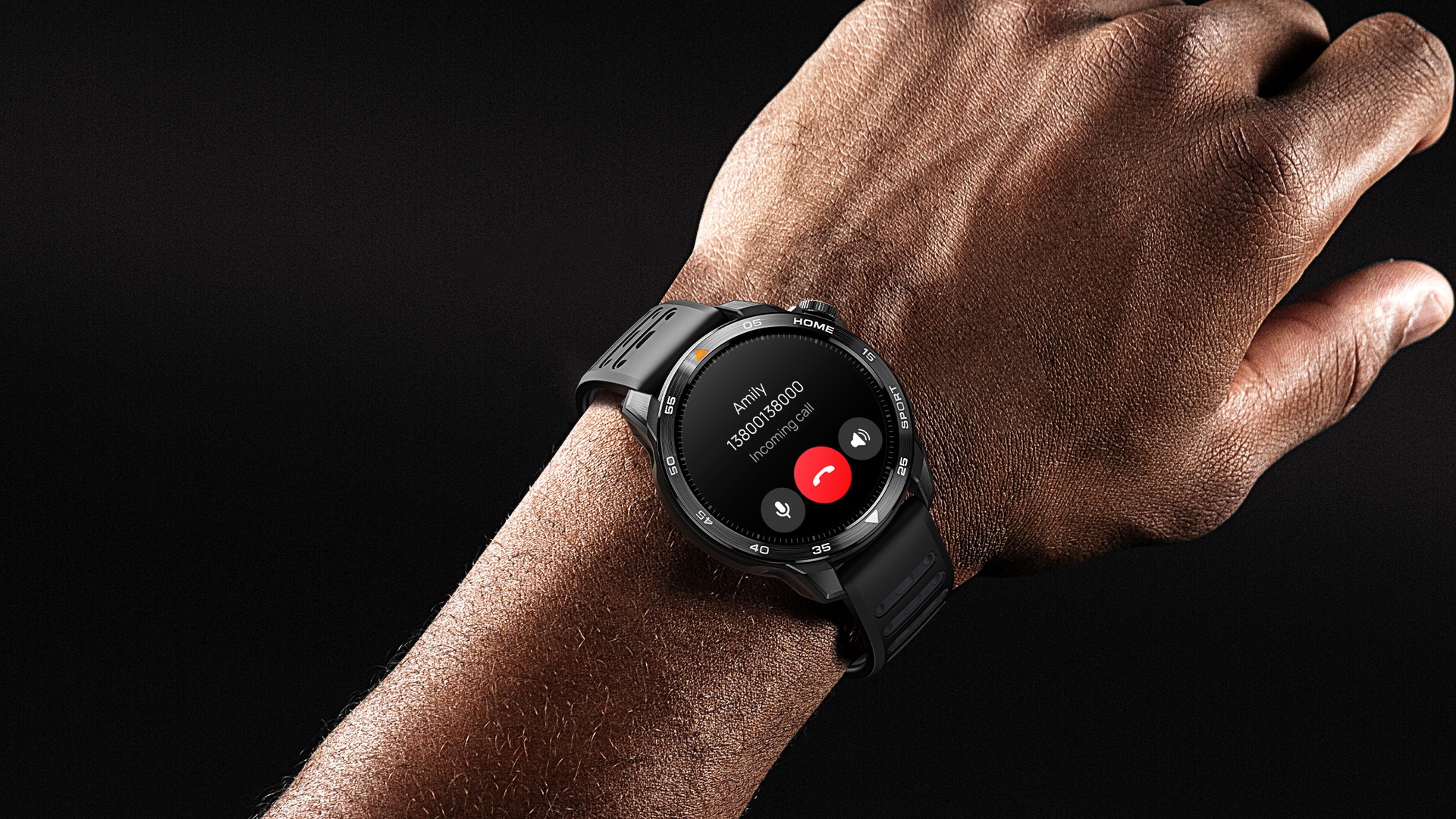
Mibro’s GS Pro2, GS Explorer S, GT and Fit share plenty of smartwatch basics, but they make different choices about navigation, size and materials. The GS Pro2 puts dual-band GPS and running tools into an $89.99 watch. The Explorer S family brings a higher water-resistance rating and outdoor-focused construction, with titanium versions that add offline maps. GT takes the dressier round-watch route, while Fit is the lighter rectangular option.
The Explorer name needs an extra look before you buy. Ceramic, Ti Standard and Ti Premium are three different configurations, and paying for titanium doesn’t make these particular watches lighter. Here’s how their published features compare, including the color and strap choices that change how much watch you’re wearing.
The basics you get across the range
All four families have AMOLED screens, built-in satellite positioning, Bluetooth calling, notifications and fitness tracking through the Mibro Fit app. They work with Android phones and iPhones, and Mibro lists syncing with Strava, Apple Health and Google Fit. Heart-rate, blood-oxygen, sleep and stress tracking are part of the shared package, with readings intended for general wellness information.
The GS Pro2 and Explorer models also list compass, altitude and barometric tools. The useful differences are the GPS bands, navigation features, display brightness, battery ratings and what sits against your wrist. Bluetooth calling still uses a paired phone. A long daily-use battery figure also isn’t the same as continuous GPS endurance.
GS Pro2: dual-band running tools for $89.99
The GS Pro2 is the straightforward choice here if you want to load a running route without spending Explorer money. Its L1+L5 dual-band GNSS supports five satellite systems, and it can keep up to 10 routes imported through the app in GPX, KML or TCX format. Forward Up and North Up views, plus vibration and screen-color deviation alerts, help you follow the route you’ve prepared.
Mibro Coach adds running plans, while pace, cadence, stride length, training load and recovery-time estimates give a workout more context. The watch includes Sprint, Olympic and Free triathlon modes and a dedicated padel mode. Its 1.43-inch, 466 × 466 AMOLED display is larger in diameter than the Explorer’s screen, with a rated peak brightness of 1,200 nits.
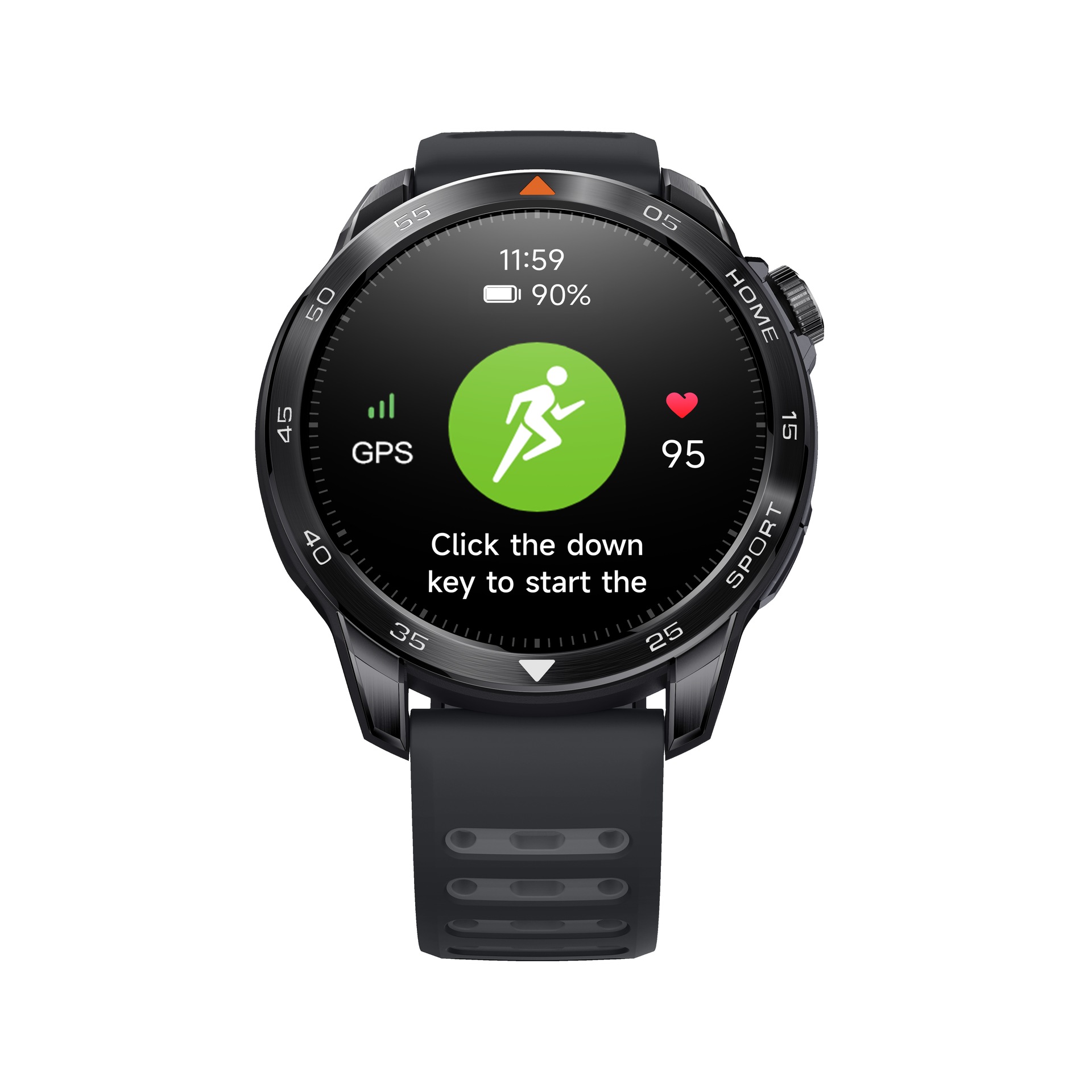
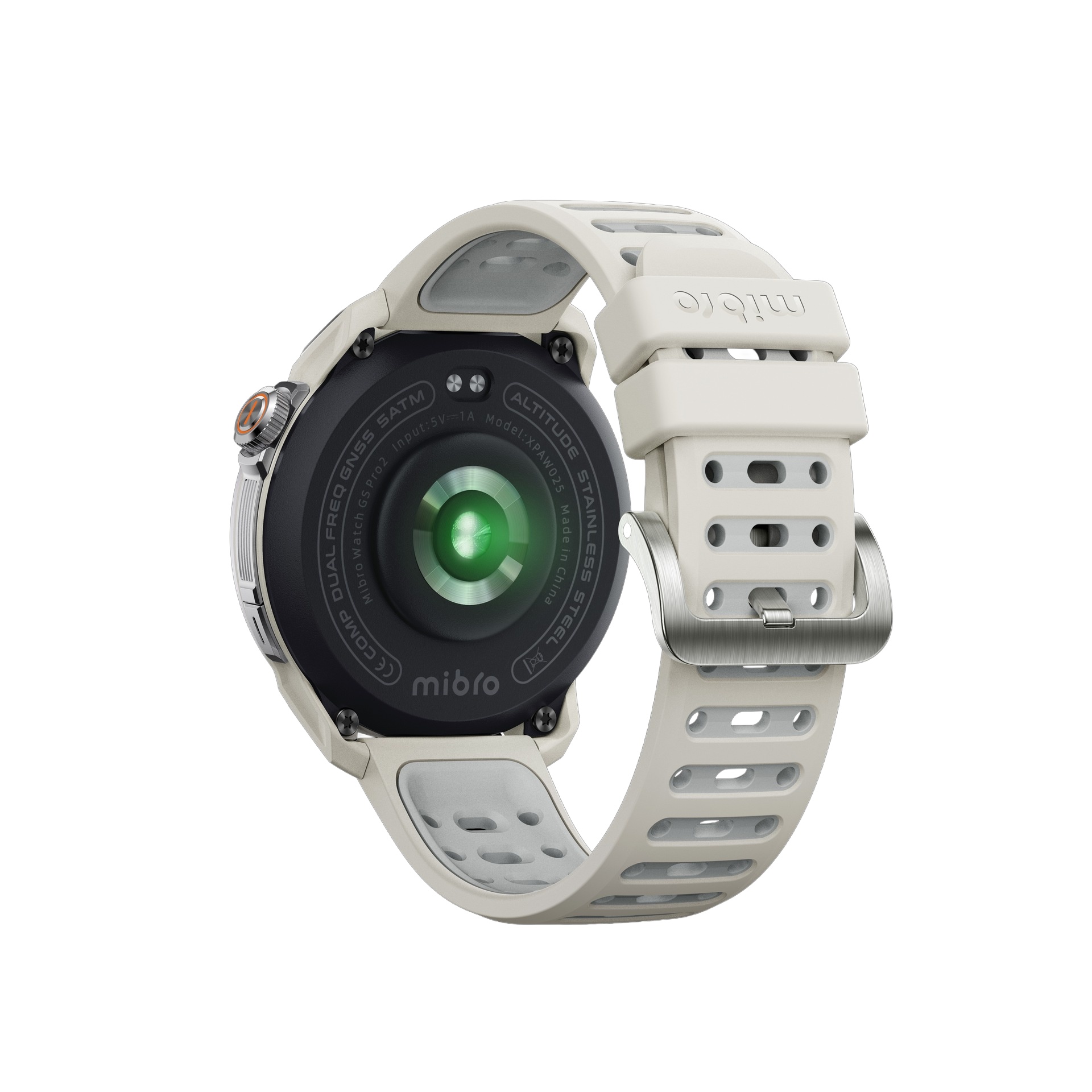
The tradeoff is fit and water-use limits. This is a 48mm watch, weighing a listed 61.6 grams with silicone or 49.6 grams with its woven strap. Mibro rates it for up to 20 days of daily use or 20 hours in GPS mode. Its 5 ATM rating comes with a specific restriction: the current product guidance limits each water exposure to 30 minutes and excludes prolonged soaking, hot showers, high heat or humidity, and steam-heavy conditions. Mibro also says to rinse it with fresh water after seawater use. Keep those limits in mind if long swims are part of your routine.
Dark Gray and Light Beige have the same core specifications, and both exact Amazon variants were $89.99 when checked. Each includes silicone and woven straps. Choose the finish you prefer; this color change doesn’t buy extra navigation features.
Price: $89.99 in Dark Gray or Light Beige
Where to buy: Amazon, Dark Gray or Light Beige
GS Explorer S ceramic: the lower-cost outdoor build
The ceramic Explorer S adds a nano-ceramic bezel, a reinforced-polymer body and Corning Gorilla Glass. It has a 10 ATM rating, waypoint marking and track-back navigation. The 47.8mm case is close to the GS Pro2’s diameter, but its 1.32-inch, 466 × 466 AMOLED screen is smaller. Mibro rates that display at up to 1,500 nits.
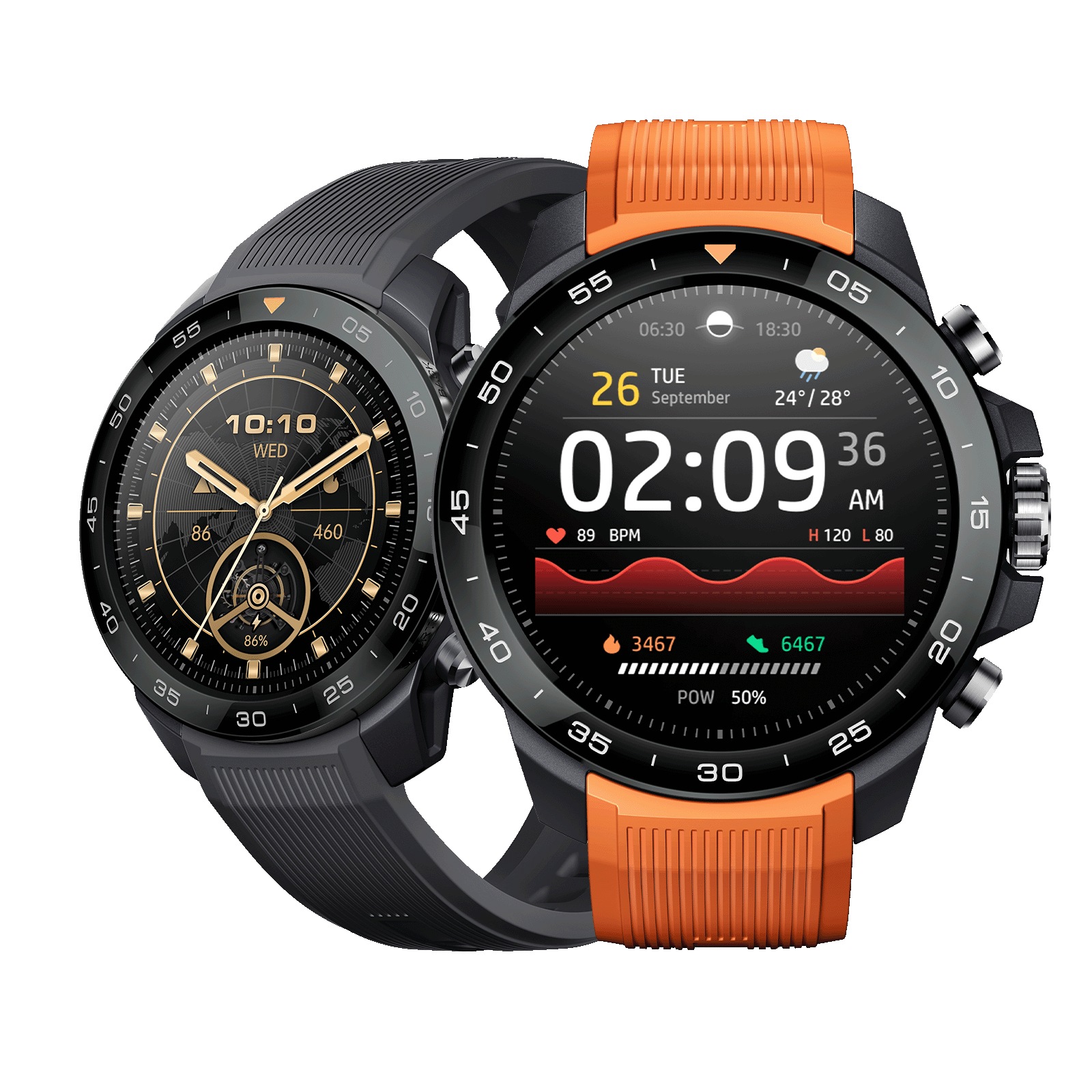
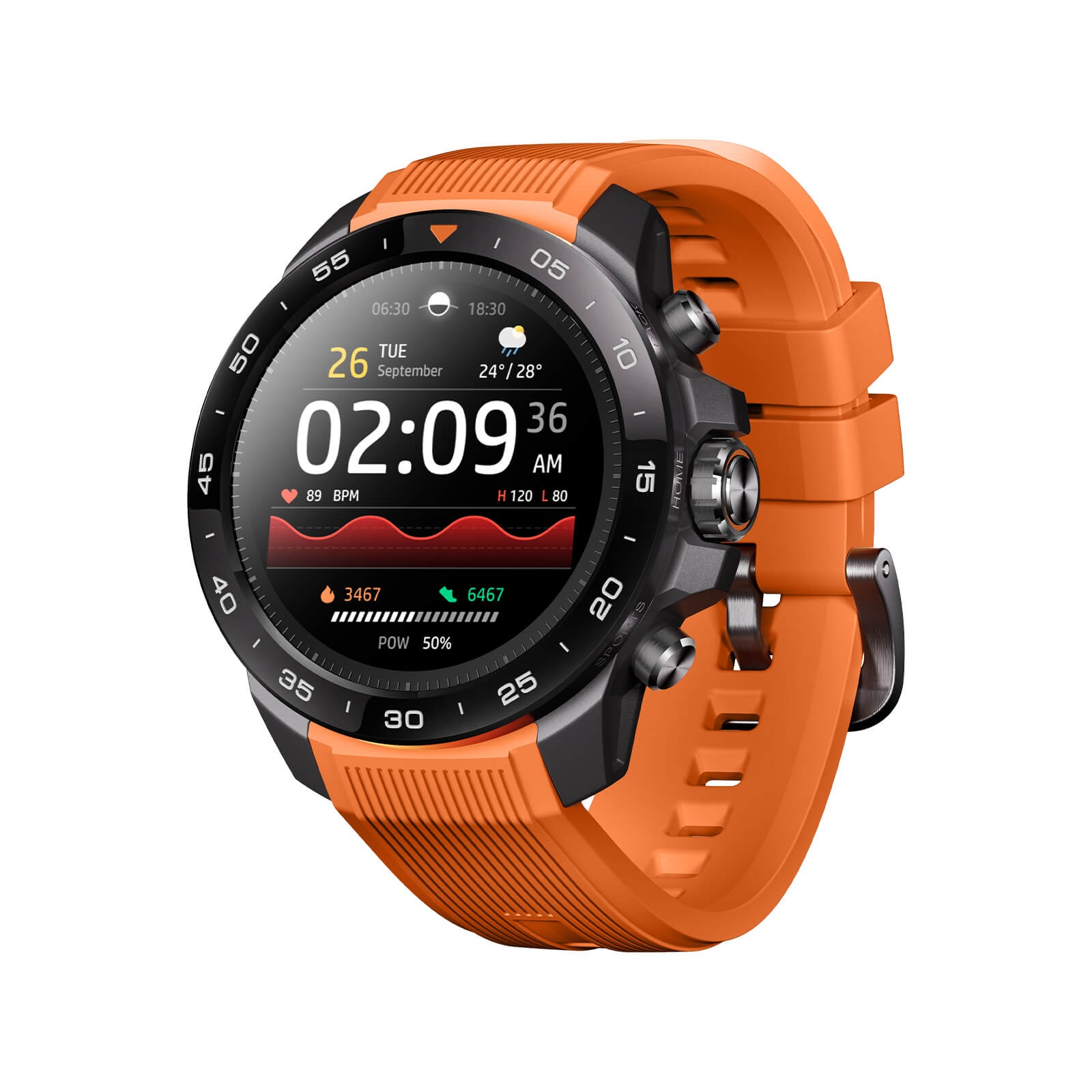
Its navigation is the distinction to understand before choosing a version: the ceramic model offers waypoint guidance and track return; the titanium versions add downloaded vector maps. Ceramic still gets dual-band L1+L5 positioning, the same listed 20-day daily battery life and 25-hour GPS runtime as the titanium models, and two silicone straps.
At a listed 71 grams with silicone, ceramic is also the lightest Explorer configuration here. Compared with GS Pro2, the appeal is its ceramic bezel, higher water-resistance rating, higher brightness rating despite the smaller screen, and five extra hours of claimed GPS runtime. You’re also taking on more weight.
There’s a water-use conflict across the Explorer family: Mibro advertises freediving to 30 meters, while the general manual linked from these product pages warns against deep submersion, long soaking and hot water. Get Mibro’s model-specific guidance before diving. The 10 ATM rating alone isn’t permission for 100-meter dives.
Price: $149.99 on Amazon; Mibro’s US store also lists $143.99
Where to buy: Amazon or Mibro
Explorer S-Ti Standard: spend more for offline maps
Ti Standard is the meaningful navigation upgrade. It adds offline vector maps that you download and transfer through Mibro Fit before heading out. Each downloaded map covers a 50 × 50-kilometer area, giving you more surrounding context than a route line alone. Route following, deviation reminders, waypoints and return navigation sit alongside that map view.
The titanium construction still incorporates reinforced polymer, and this version includes gray and orange silicone straps. Its case dimensions, display, dual-band GPS, water rating and listed daily/GPS battery life match the ceramic Explorer.
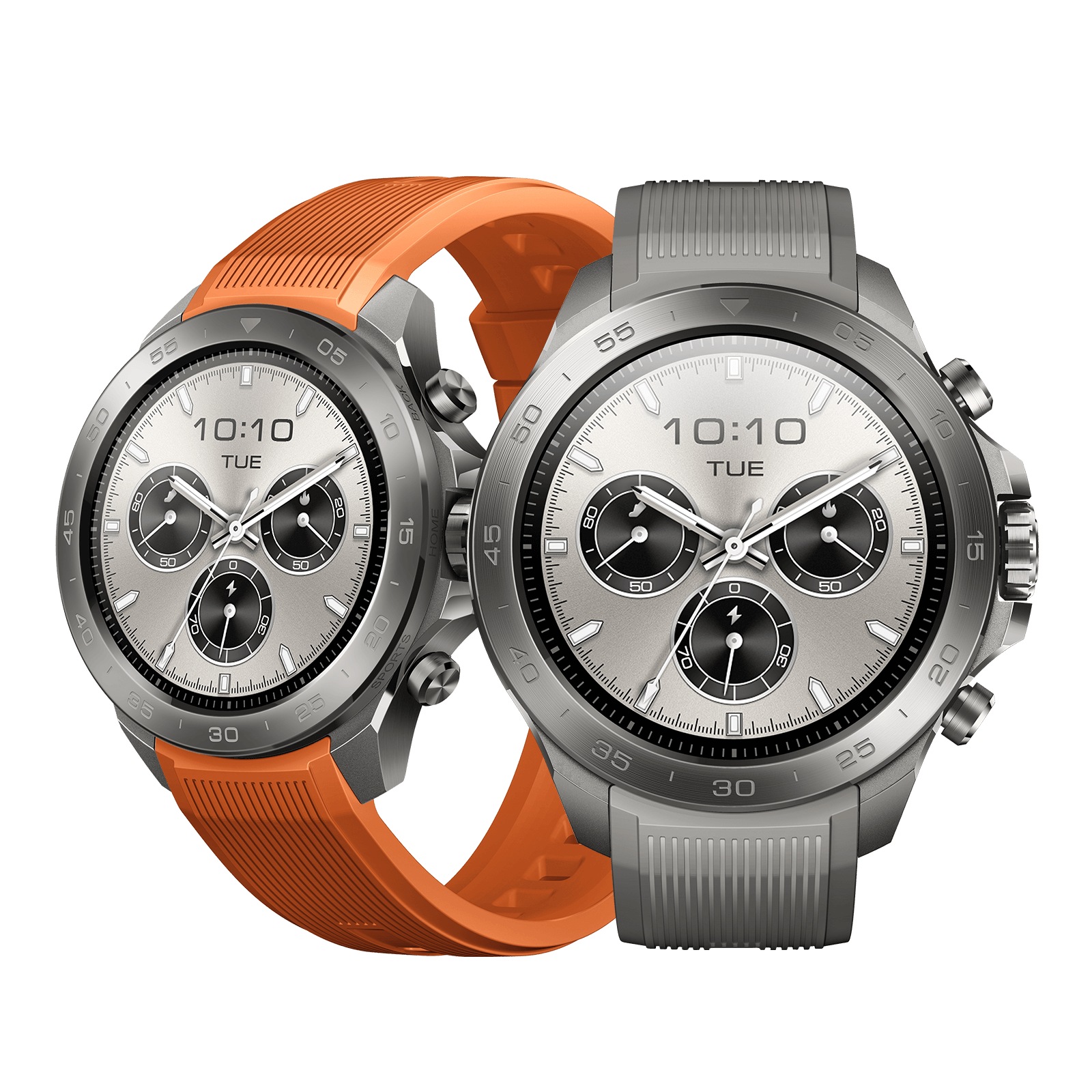
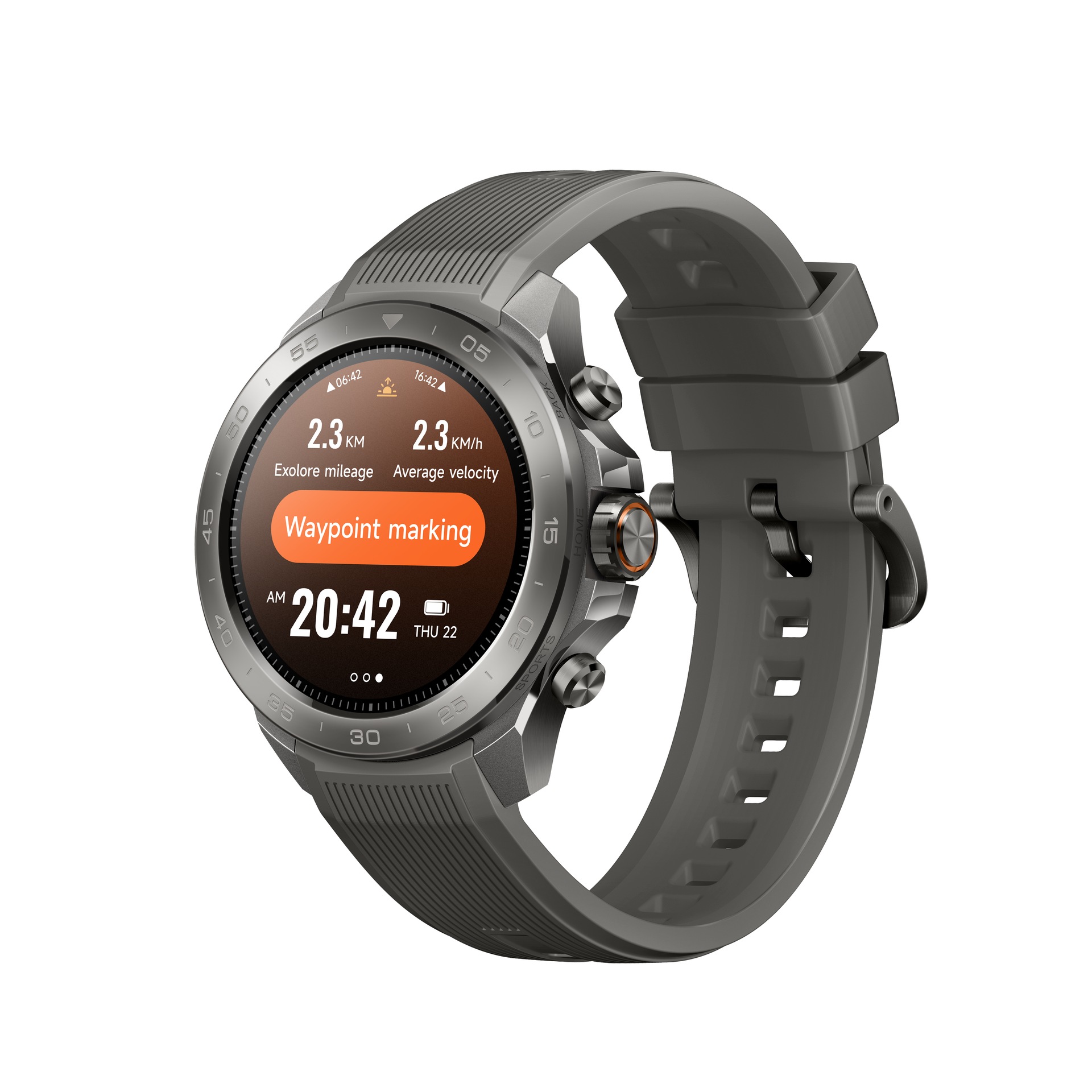
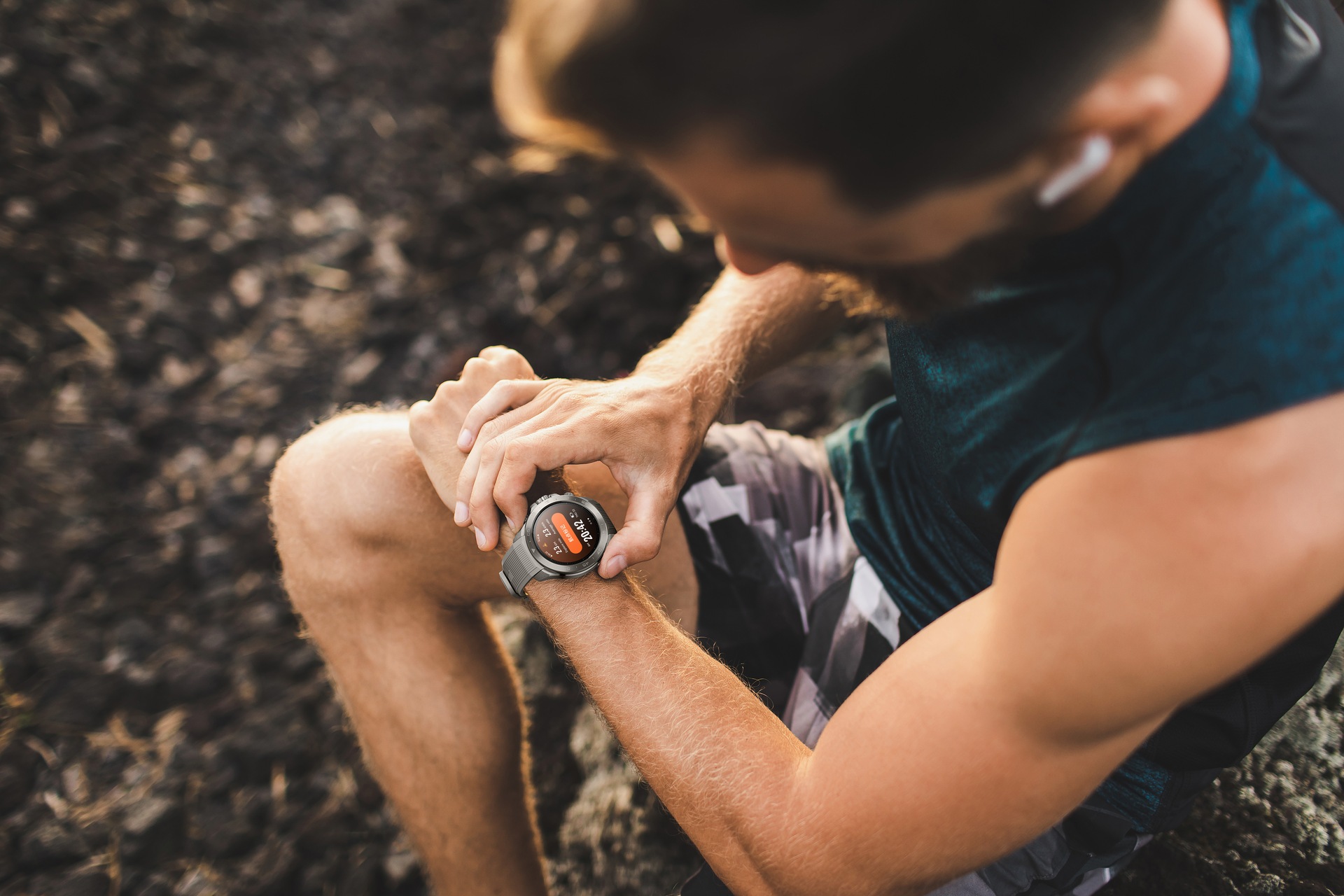
That makes maps the stronger reason to upgrade than a promise of better GPS accuracy or longer battery life. It also isn’t a weight-saving move: Mibro lists 76.15 grams with silicone, compared with the ceramic model’s 71 grams. If you want Explorer maps and prefer an exercise-friendly strap, Standard avoids the extra cost and weight of the bracelet version.
Price: $227.99 on Amazon
Where to buy: Amazon
Explorer S-Ti Premium: the titanium-bracelet version
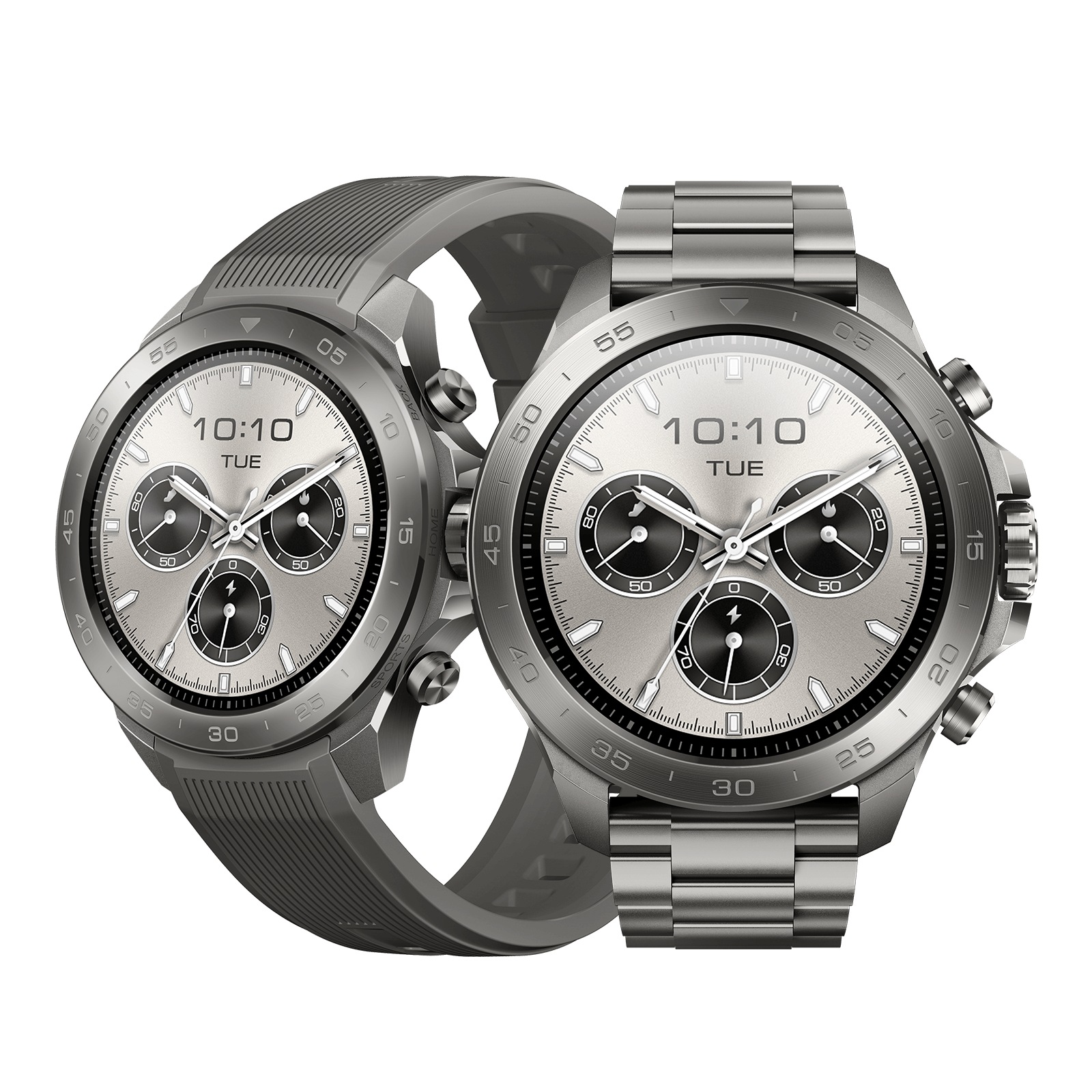
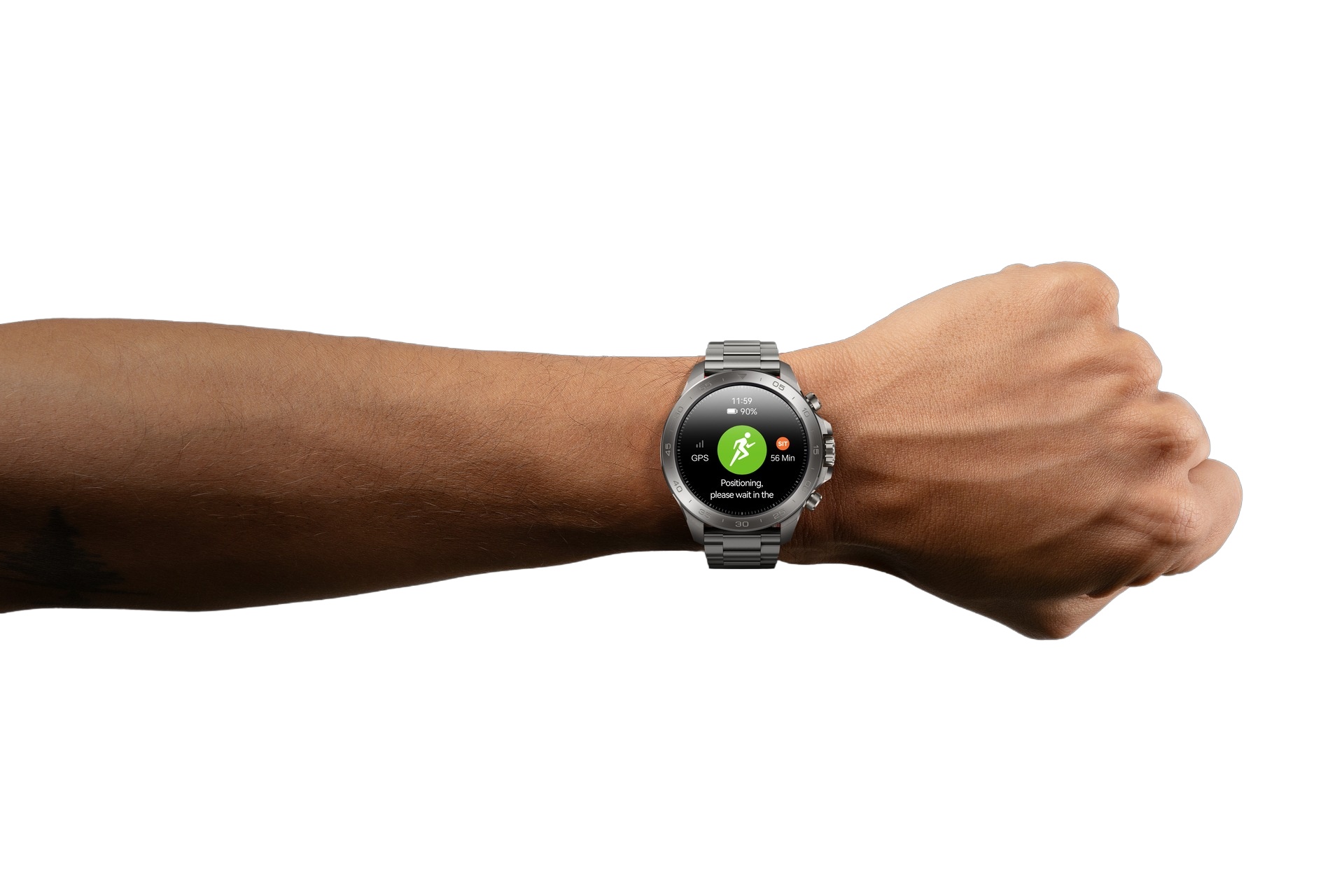
Ti Premium, also sold as Full Ti, adds the titanium bracelet and includes a silicone alternative. It keeps the same listed display, offline-map functions, dual-band positioning, water rating and daily/GPS battery figures as Ti Standard. The higher price buys the different finish and strap configuration.
The bracelet makes a noticeable difference on the specification sheet: 110 grams total, versus Standard’s 76.15 grams with silicone. For a more metal-heavy everyday look, that may be the point. For running or wearing a watch overnight, decide whether you want the bracelet enough to pay more and carry that extra weight. The name Full Ti doesn’t mean every component is titanium; Mibro still lists reinforced polymer in the construction.
Price: $329.99 on Amazon
Where to buy: Amazon
GT: a round watch with dressier strap choices
GT uses a 46mm round case combining 316L stainless steel and reinforced polymer, with a 1.43-inch, 466 × 466 AMOLED screen. The Silver version pairs a steel bracelet with a silicone strap; Dark Gray, listed as Black on Amazon, pairs leather with silicone. Those choices matter more than the color alone: Mibro lists 129.4 grams with the steel bracelet, 57.42 grams with leather and 63.67 grams with silicone.
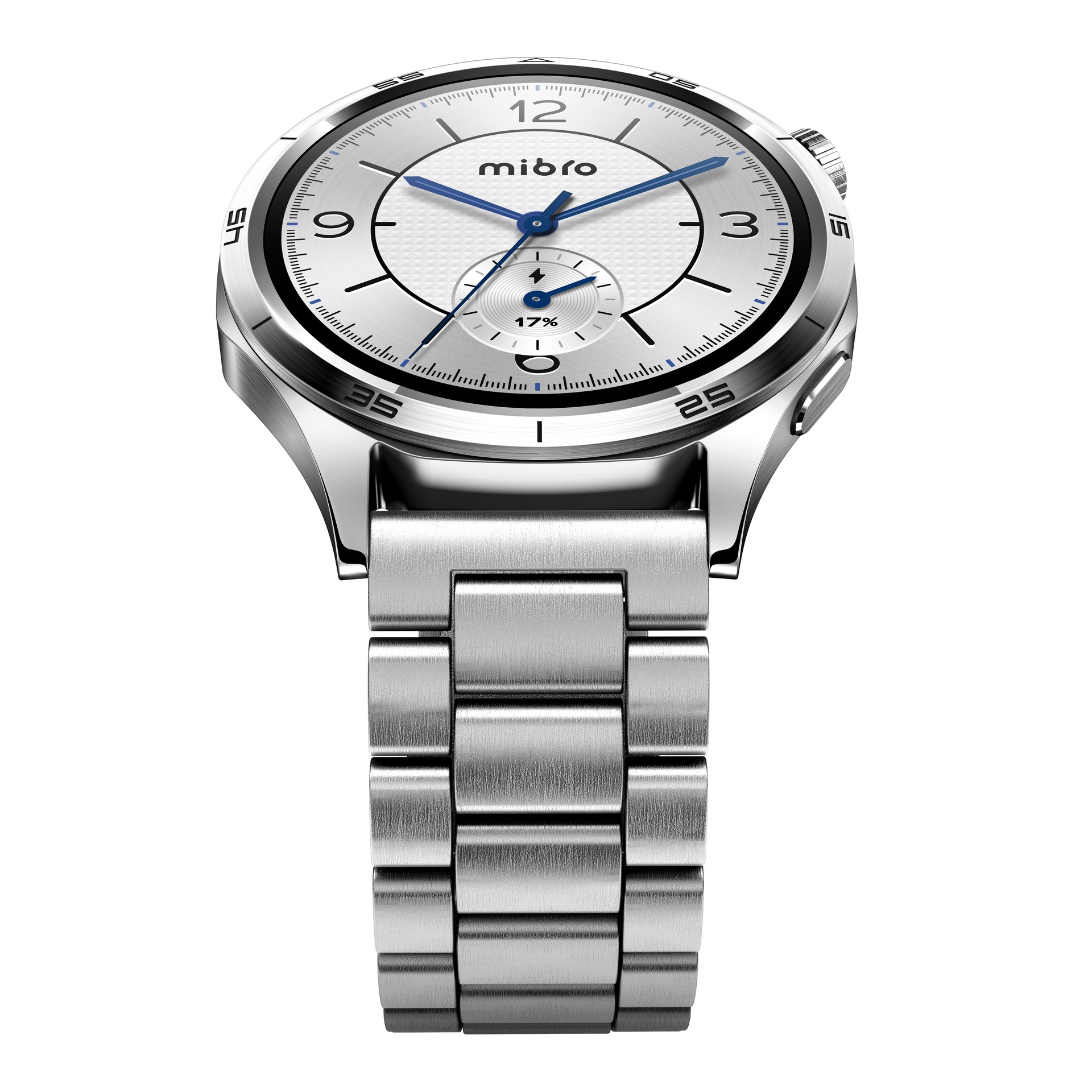
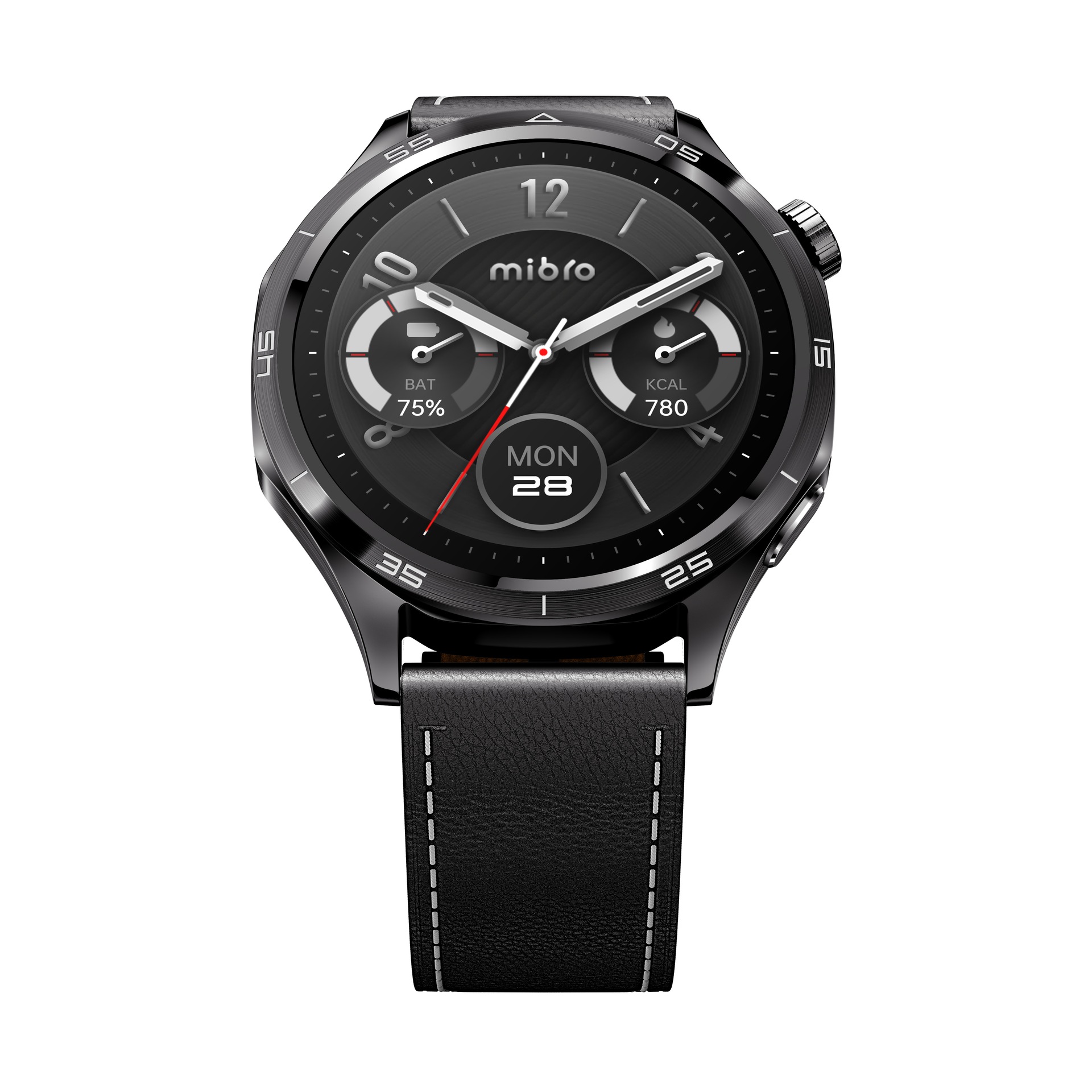
It has built-in five-system GPS, but the official specification explicitly says L1-only rather than the dual-band L1+L5 positioning in the GS models. Its display is rated at up to 600 nits, its water-resistance rating is 5 ATM, and the typical-use battery claim is eight days. You’re choosing the round styling and strap package over the brighter display and longer daily-use ratings in the GS range.
GT and Fit also advertise AI voice or text Q&A, schedule reminders and generated watch faces. Those are extras for everyday use alongside calls, notifications and activity tracking. GT is the one to consider if you want that feature mix in a traditional round shape with a dress strap already in the box.
Price: $109.99 on Amazon, with a $30 coupon shown that requires eligibility and application; Mibro’s US store lists the Silver version at $79.99
Where to buy: Amazon, Silver, Amazon, Black or Mibro, Silver
Fit: the narrower, lighter rectangular option
Fit changes the shape as well as the materials. Its aluminum-alloy and reinforced-polymer body measures 43.9 × 36.5mm, with a rectangular 1.75-inch, 390 × 450 AMOLED display. The screen’s diagonal isn’t directly comparable with the round watches’ diameters, but the narrower case is a clear alternative to their 46–48mm round bodies.
Mibro’s US-store Dark Gray package includes woven and silicone straps; its Silver package includes a Milanese metal-mesh strap plus silicone. Check the included bands on your selected retailer’s listing. Mibro lists 32.79 grams with woven, 41 grams with silicone and 67.34 grams with the metal strap. On the same silicone-strap basis, Fit is substantially lighter than GT’s 63.67 grams, and its woven configuration is the lightest wearing option in this comparison.
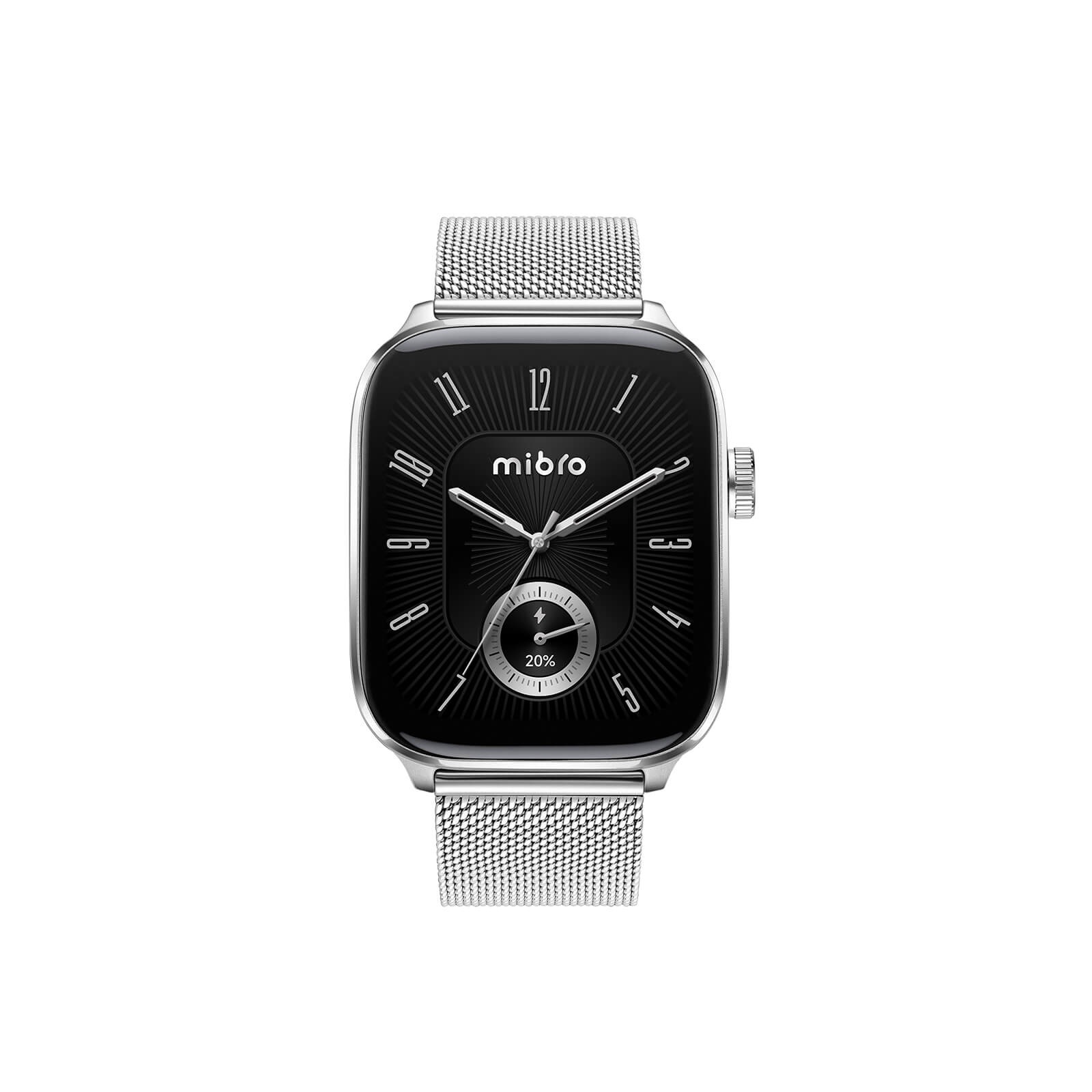
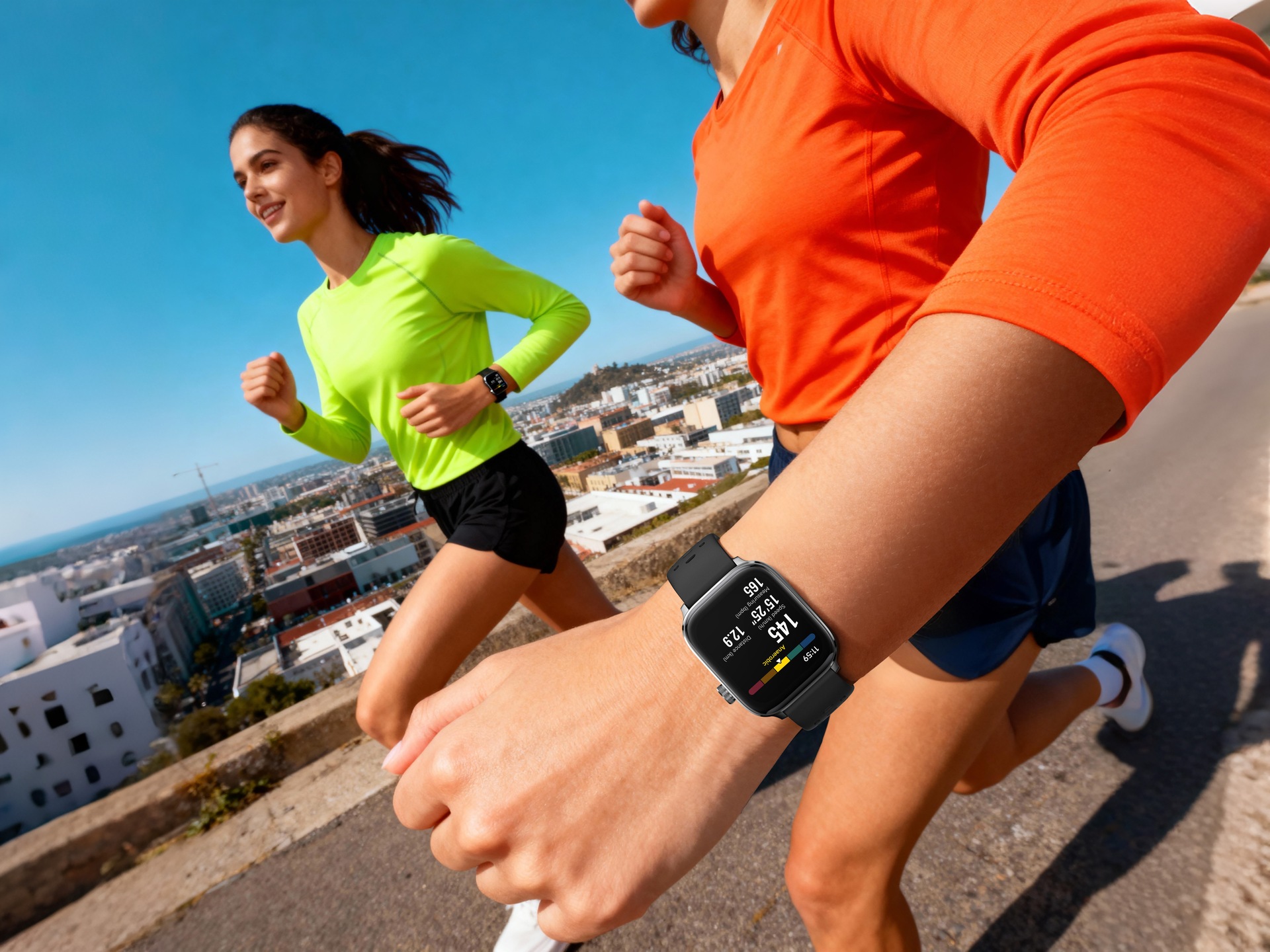
Fit has built-in five-system GPS, although the current public specification doesn’t establish dual-band support. It also lists altitude and barometric tracking and a dedicated padel-analysis feature alongside the AI functions shared with GT. Its up-to-eight-day daily battery rating and 600-nit brightness match GT, so the reason to choose it is the shape, weight and feature combination rather than a battery or brightness upgrade.
Fit is rated 5 ATM, but Mibro expressly excludes surfing, diving and hot springs. Its broader activity tracking doesn’t erase those limits.
Price: $74.99 for Black/Dark Gray or $79.99 for Silver on Amazon
Where to buy: Amazon, Black or Silver
Which Mibro fits your routine?
For running routes on a budget, start with GS Pro2. Choose the ceramic Explorer S for its outdoor construction and navigation tools when you don’t need downloaded maps. Ti Standard adds those maps; Ti Premium adds the bracelet while keeping the same published core capabilities.
GT and Fit make a different choice easier. GT gives you the round dress-watch shape and steel or leather styling, while Fit keeps the body narrower and the weight down. Pick the actual strap package, too: a metal bracelet can change how much watch you’re wearing far more than a small difference in case size.