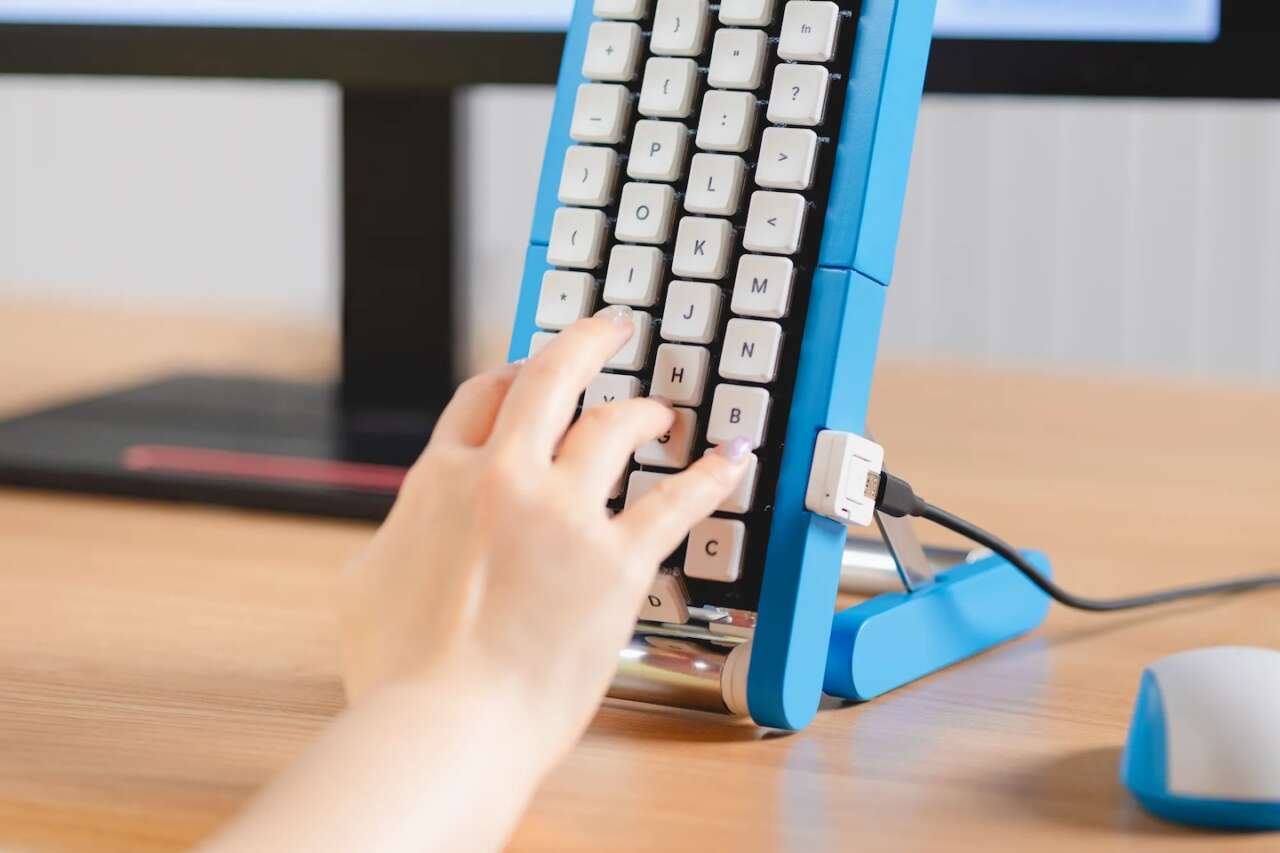
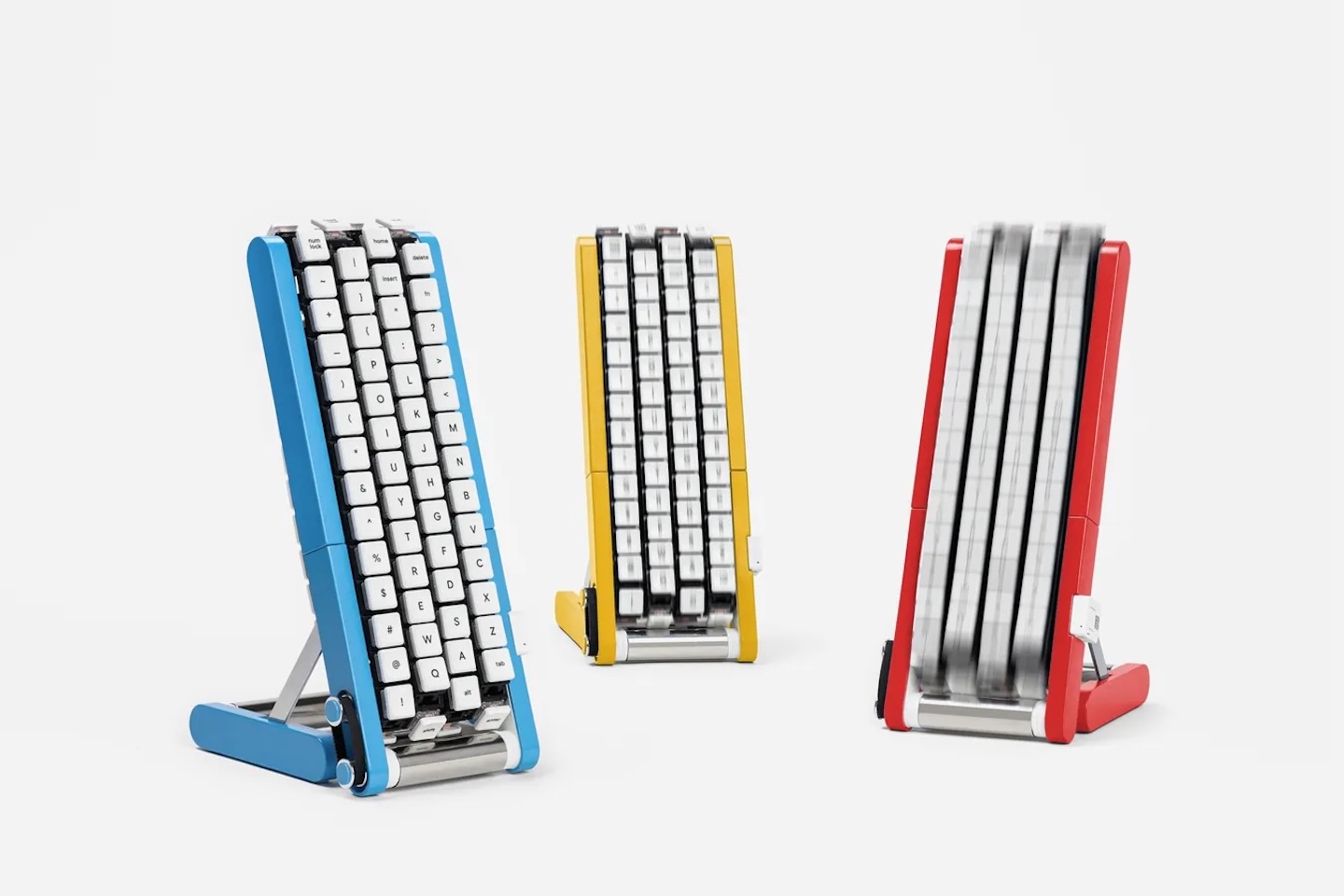
Most keyboard innovation promises faster typing, greater comfort, or less hand movement. Google Japan’s latest Gboard concept takes that last idea literally: instead of making you reach for the keys, it brings them toward your fingers on four looping conveyor belts.
Called the Gboard “Kurukuru” version, this is not a new feature for the Gboard app on your phone. It is a physical DIY keyboard concept announced on October 1, 2026, with open-source designs rather than a retail price or purchase link.
The joke is obvious. The design question underneath it is more interesting: why should the typist always have to move to the key?
The keyboard does the moving
Kurukuru has four rotating belts, each carrying 29 keys. Rather than reaching across a fixed layout, you wait for the character you want to arrive and press it at the right moment. Google says the design supports direct entry of uppercase and lowercase letters.
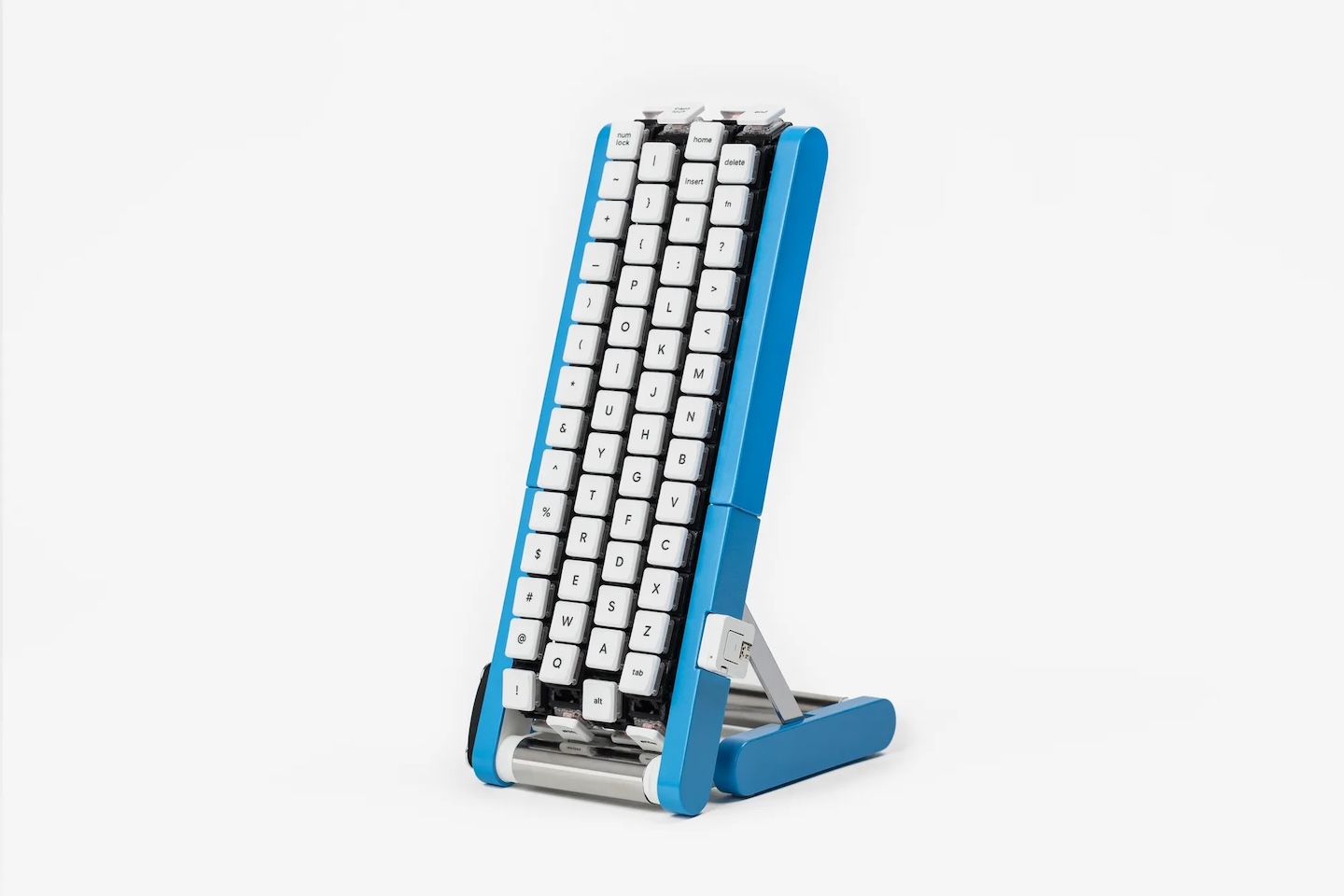
Google pitches it as a way to enter every character with one hand, leaving the other free for a mouse, or a cup of tea. In the same playful spirit, it suggests using two Kurukuru units to pursue greater productivity with both hands. Those are the concept’s selling points, not demonstrated performance benefits.
The result turns typing into a timing exercise. Your fingers may have less distance to travel, but the letters now have a commute of their own.
Less reaching, more waiting
The concept shifts the challenge from reaching to timing. Bringing keys to a relatively fixed typing position could reduce the need to move across the keyboard, but you still have to wait for the right character and catch it as it passes.
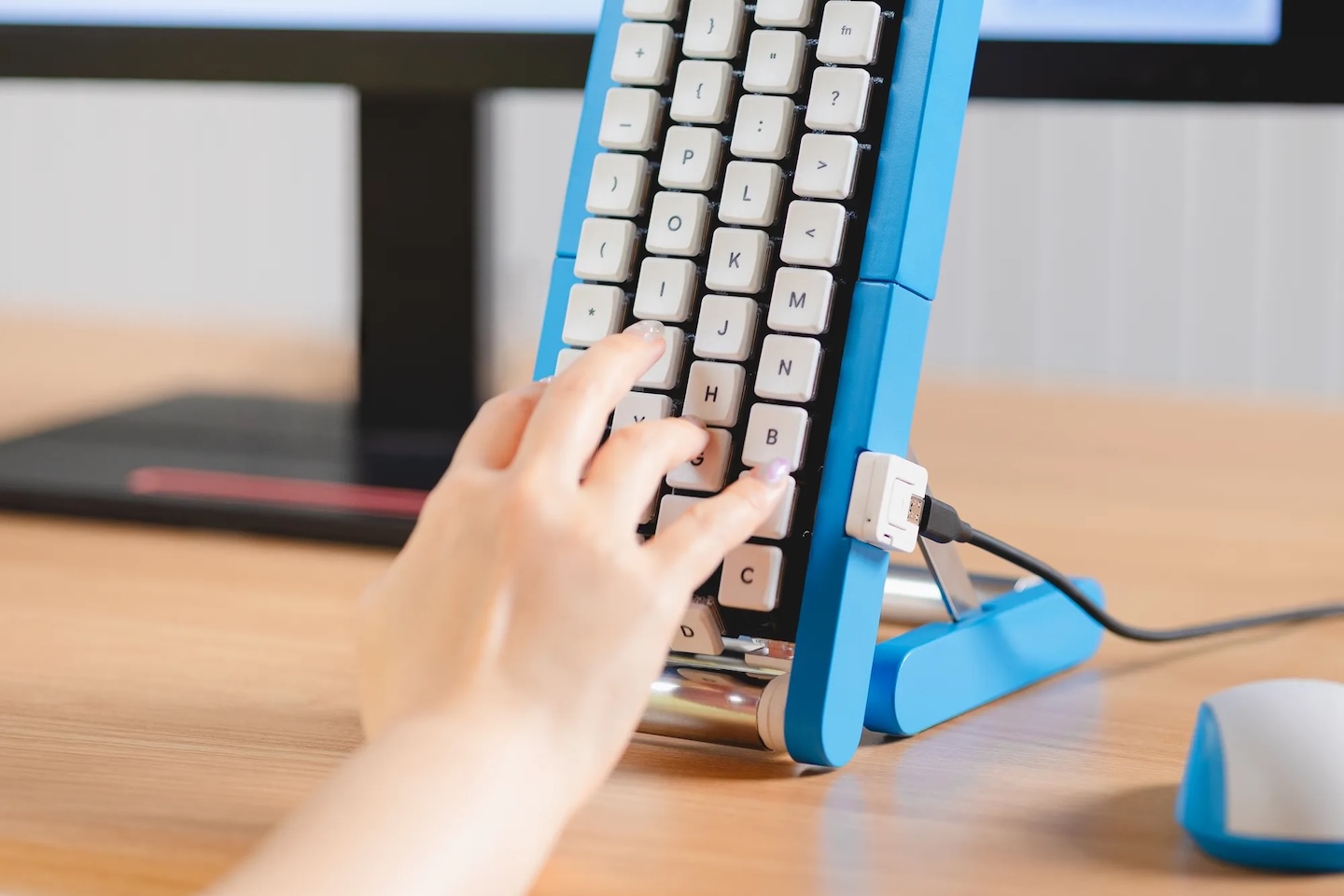
Google also floats a possible high-speed mode, along with longer and shorter versions. These are ideas mentioned in the announcement, not confirmed features of a forthcoming retail device.
Neither the announcement nor the build guide provides usability testing that establishes improvements in comfort, accessibility, typing speed, or accuracy. For now, Kurukuru is an unusual interaction experiment, not a proven ergonomic solution.
That distinction matters. Moving the keys instead of your hands is an intriguing design choice, but it does not automatically make typing easier.
Open source, not on sale
Google says it has no plans to sell Kurukuru. Instead, it has released designs so people can build a similar device themselves.
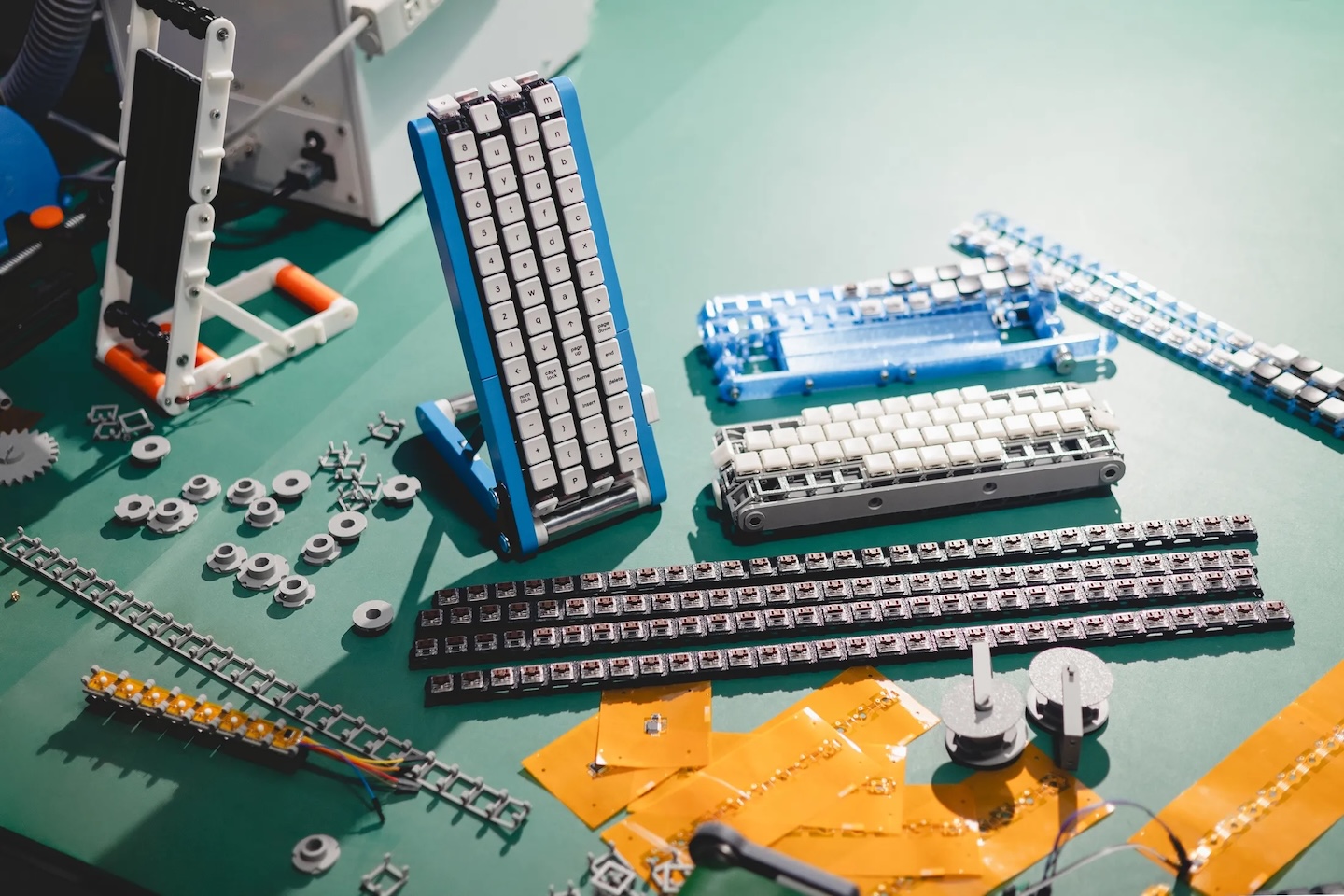
The build guide includes 3D-print files, a parts list, mechanical assembly steps, and firmware resources. Its moving-key version uses 116 low-profile switches and keycaps, a geared motor, a motor driver, and an ATOMS3 Lite controller. This is a substantial assembly project, not a keyboard kit you simply plug in.
There is also an important limitation: the guide lists electronics and wiring documentation as “coming soon.” It separately identifies a functional Bluetooth keyboard edition that is also still forthcoming. The available instructions should therefore not be mistaken for a finished guide to a fully functional wireless keyboard.
Even the announcement date carries a keyboard joke. Google chose October 1 as a nod to the familiar 101-key layout, making this the latest entry in its long-running series of unconventional keyboard proposals.
The plans are the real hook
The moving belts make Kurukuru worth watching. The published plans give makers something to examine beyond the spectacle: a mechanism they can assemble, study, and potentially adapt. Google’s guide documents how the belt links, switches, rollers, and drive system fit together.
That does not establish practical value for everyday typing. It does make the project more interesting than a novelty with no way to explore its construction.
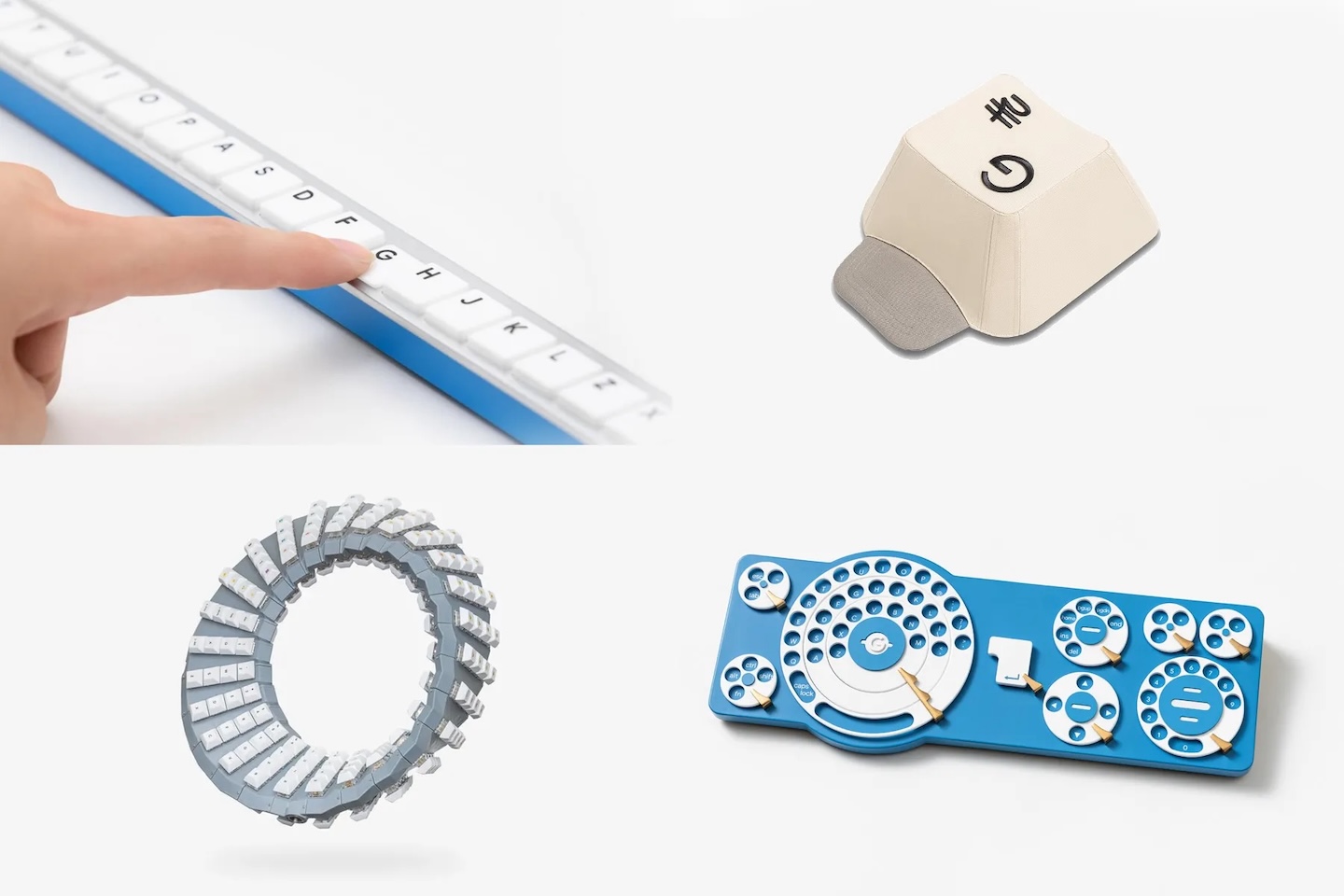
For gadget readers, the appeal is not a buying recommendation. It is seeing a familiar object rebuilt around an unfamiliar idea. Google Japan has not announced a keyboard to order; it has shared an experiment in what happens when the keys do the traveling.