
Changing weather can turn a comfortable home into a daily thermostat-adjustment exercise. Cool mornings become warm afternoons, temperatures fall again overnight, and someone inevitably ends up changing the thermostat several times a day.
A smart thermostat can reduce that routine, but only if installation and everyday use do not create another problem. Compatibility matters more than the longest feature list. Some thermostats require a dedicated C-wire for continuous power, while others can operate without one on compatible systems. Your heating and cooling equipment ultimately determines whether installation is a straightforward DIY project or something better left to a professional.
These five thermostats prioritize approachable installation, simple daily controls, and scheduling or automation that can help manage unpredictable seasonal temperatures.
Quick comparison
| Thermostat | C-wire requirement | Best for | Main advantage |
|---|---|---|---|
| Sensi Lite Smart Thermostat | Not required on many conventional systems | Straightforward DIY upgrades | Simple app-guided installation |
| Google Nest Learning Thermostat (4th Gen) | Usually not required on compatible systems | More automated temperature control | Learns preferences and supports Matter |
| ecobee Smart Thermostat Essential | C-wire or Power Extender Kit | Touchscreen and smart-home users | Simple controls with preheating and precooling |
| Amazon Smart Thermostat | C-wire power required | Alexa households | Straightforward Alexa integration |
| Honeywell Home X2S Smart Thermostat | 24VAC C-wire required | Users who prefer familiar controls | Traditional operation plus smart scheduling |
This table is only a starting point. HVAC configurations vary, so check the manufacturer’s compatibility tool before buying, even when your existing wiring appears to meet the requirements.
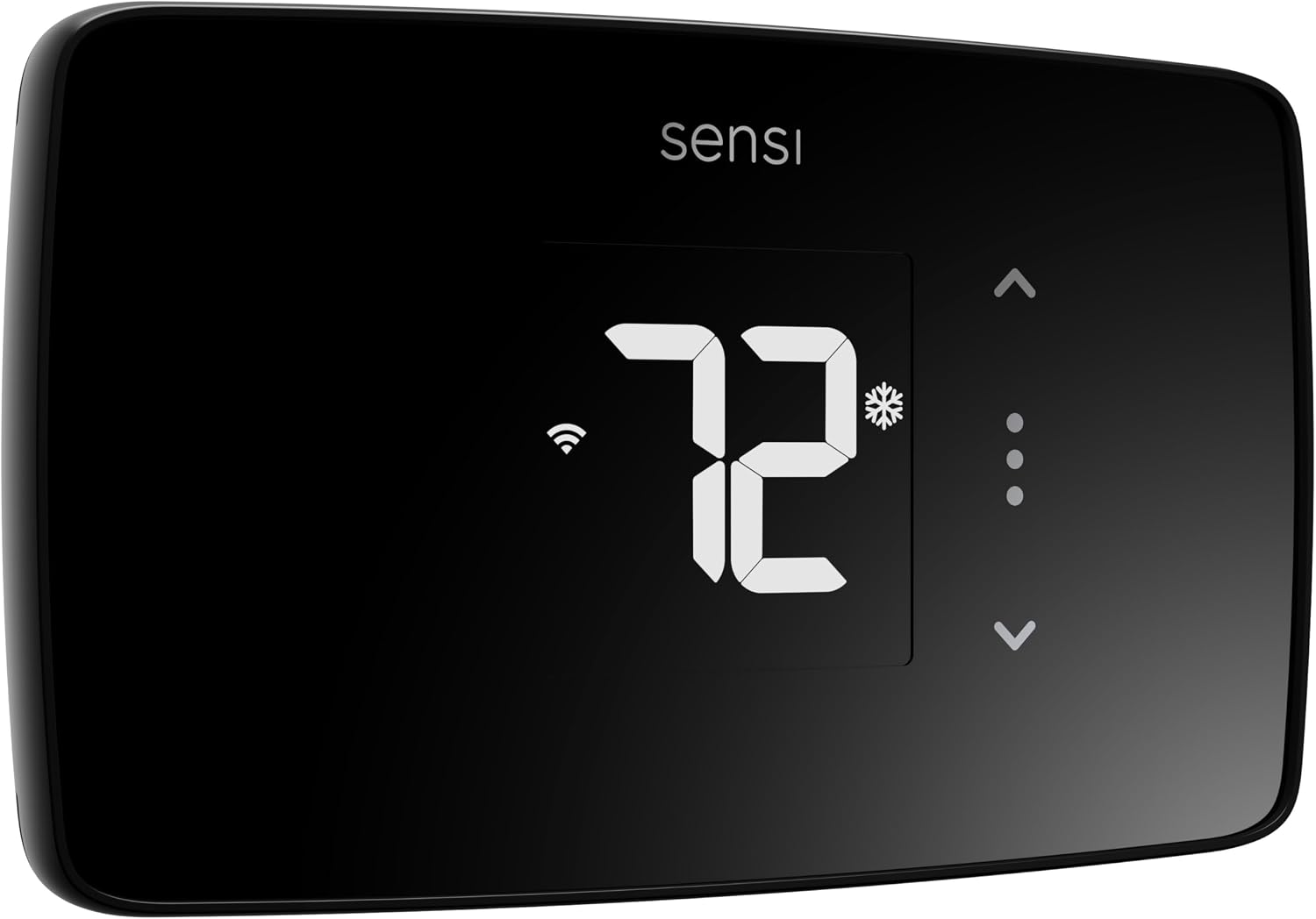
1. Sensi Lite Smart Thermostat: A straightforward place to start
Replacing a thermostat gets easier when the installation process tells you what to do with the wires already coming out of the wall. The Sensi Lite Smart Thermostat is designed around that approach.
Sensi says its app provides step-by-step installation instructions and is designed to get the thermostat installed and connected in 30 minutes or less. The process includes identifying your existing thermostat connections and labeling the wires before transferring them to the new thermostat.
Price: $65
Where to Buy: Amazon
Its biggest potential advantage is that a C-wire is not required for every installation. Sensi says the Lite can operate without one on many conventional heating and cooling systems. However, a C-wire is required for heat-only, cool-only, and heat-pump installations.
Once installed, Sensi provides app-based temperature control and scheduling, making it easier to adjust your routine as outdoor temperatures change.
The 30-minute installation figure comes from Sensi rather than independent testing, so it should not be treated as a guarantee. Existing wiring and HVAC configuration can substantially change the amount of work involved.
The Sensi Lite is a strong candidate for someone who wants straightforward smart controls and has a compatible HVAC system, particularly when a conventional system does not provide a C-wire.
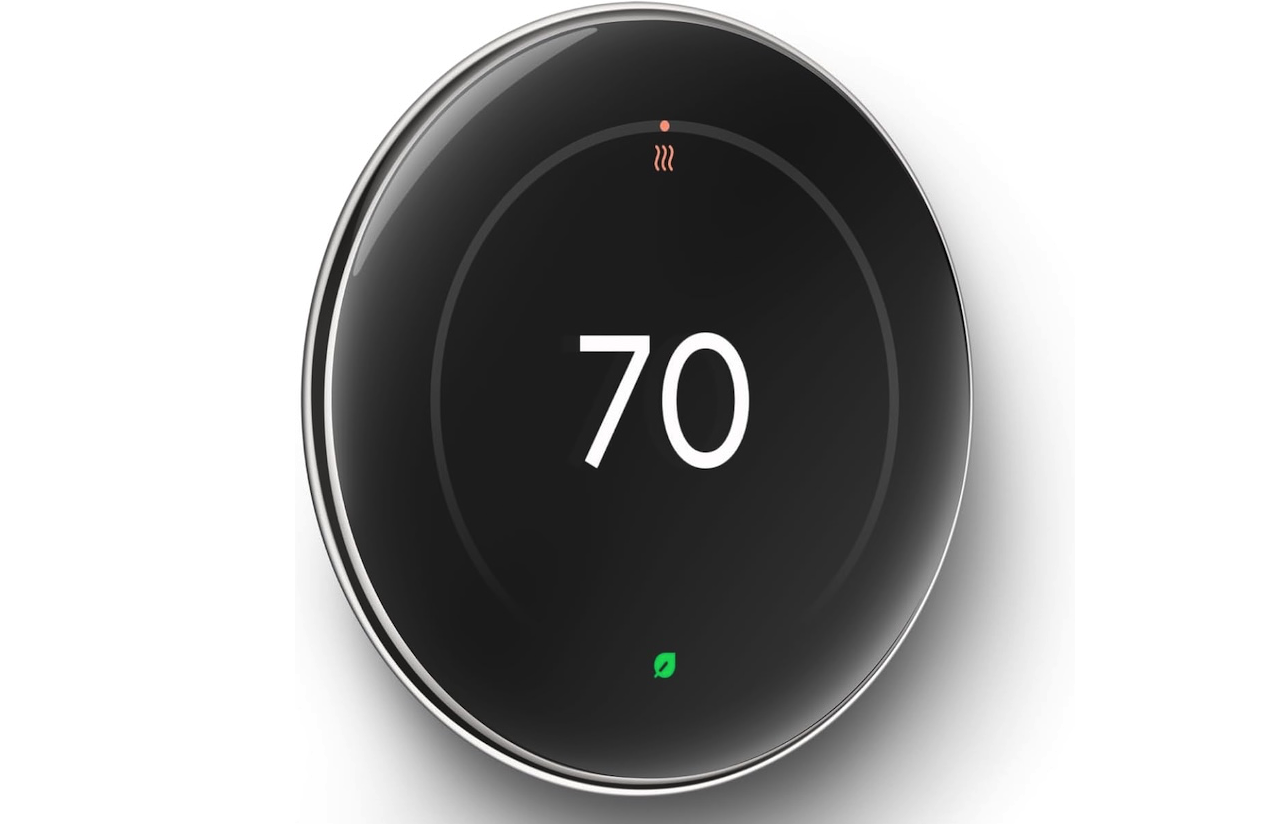
2. Google Nest Learning Thermostat (4th Gen): A smart option without a C-wire
Before buying a smart thermostat, one of the first things to check is whether a wire is connected to the C terminal behind your current thermostat. Discovering that you do not have one can complicate an otherwise simple upgrade.
The Nest Learning Thermostat (4th Gen) is designed to reduce that obstacle. Google says its Power Sharing technology allows the thermostat to operate with or without a common wire on compatible systems. The company says fewer than 1% of installations require a C-wire or Nest Power Connector to provide sufficient power.
Price: $239.99
Where to Buy: Amazon
Google says the thermostat works with most 24V HVAC systems, including gas, electric, oil, forced-air, heat-pump, and radiant configurations. Installation and setup run through the Google Home app, and the package includes wiring labels and mounting hardware.
The “Learning” part becomes useful after installation. Rather than depending entirely on a fixed schedule, Nest is designed to learn temperature preferences and automate some adjustments. It also supports Google Home and Matter.
Those features do not eliminate the need for a compatibility check. Google’s less-than-1% figure describes supported installations generally and does not guarantee your particular HVAC system will work without additional hardware.
Nest is worth considering if you want more automation, especially when the absence of a C-wire makes other smart thermostats less convenient.
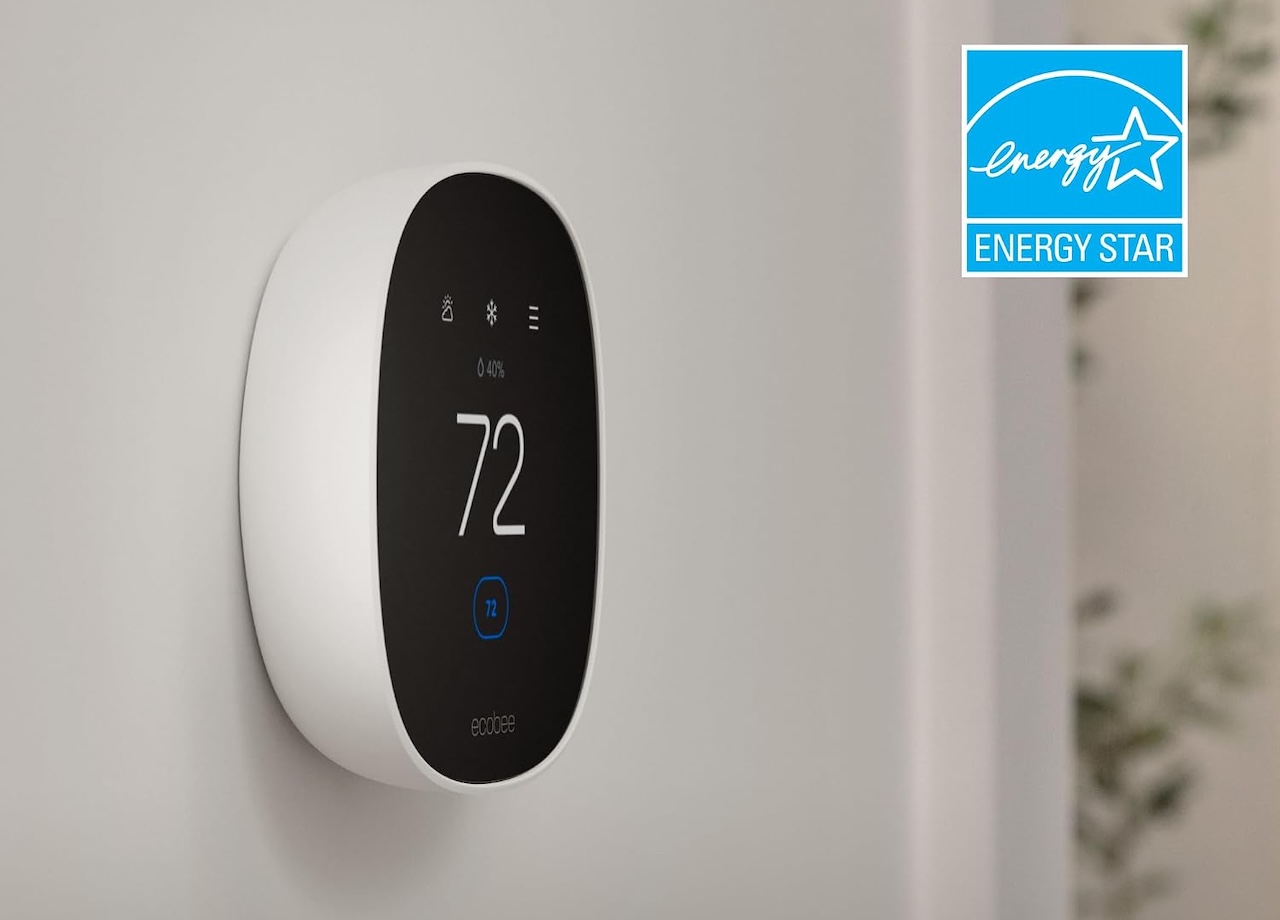
3. ecobee Smart Thermostat Essential: Simple controls with useful automation
A thermostat does not need an enormous feature list to be useful when temperatures are changing. It needs to maintain the temperature you want and make schedule changes easy.
The ecobee Smart Thermostat Essential combines a 2.8-inch color touchscreen with app control and compatibility with Amazon Alexa, Google Assistant, and Apple HomeKit. Its built-in sensors measure temperature and humidity.
Price: $139.99
Where to Buy: Amazon
Ecobee also provides preheating and precooling. The company says the thermostat learns how long your HVAC equipment takes to reach the requested temperature and can start heating or cooling accordingly. That is a manufacturer-described capability rather than evidence that every home will achieve specific energy savings.
Installation is guided through the ecobee app, but power requirements deserve attention. The Essential normally receives 24VAC power through its R and C terminals. Homes without a C-wire can use ecobee’s separately sold Power Extender Kit, which installs at the furnace or air-handler control board.
That makes the Essential especially approachable when a C-wire is already available. Choose it if you want uncomplicated touchscreen controls, broad smart-home compatibility, and useful scheduling without moving up to ecobee’s more elaborate thermostats.
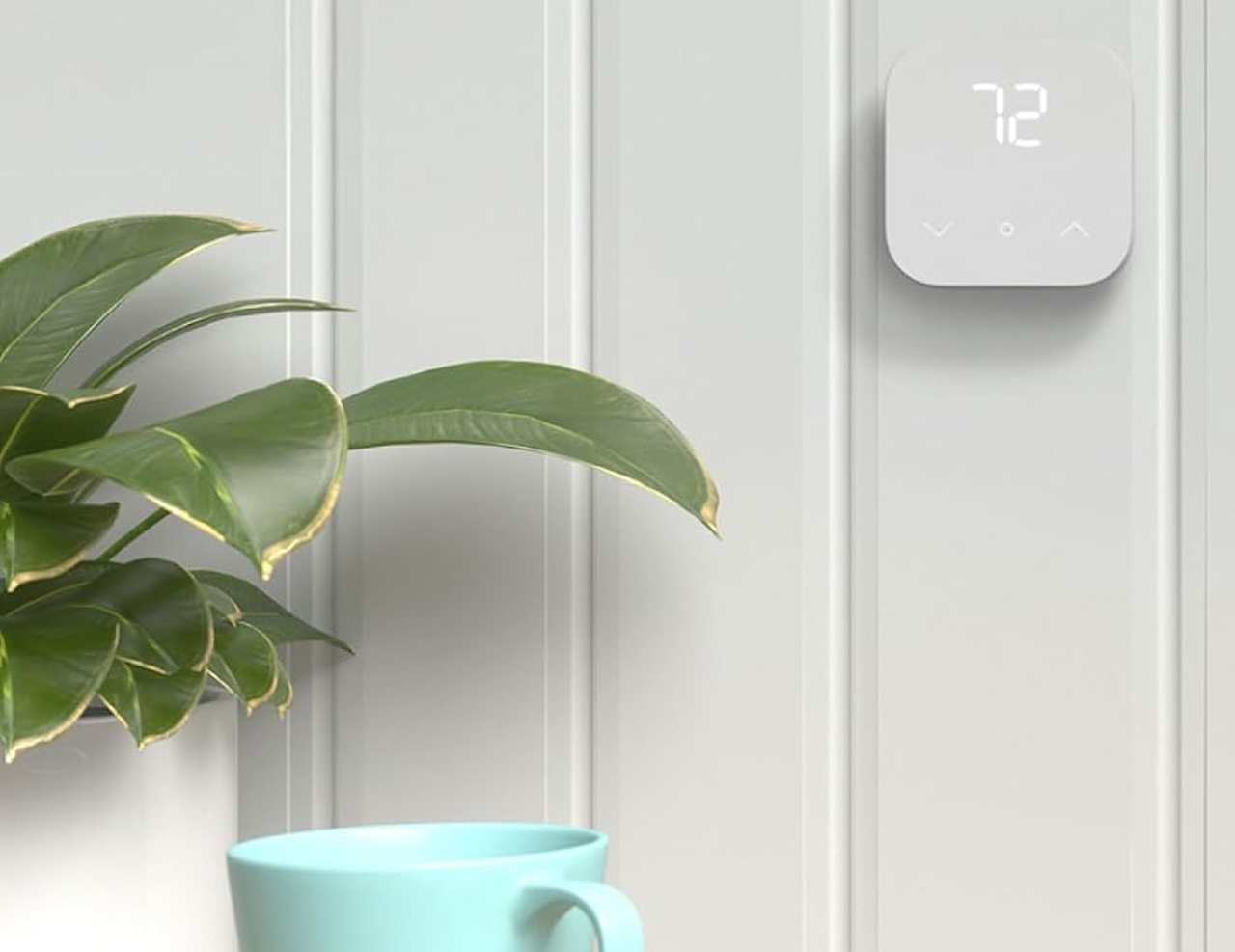
4. Amazon Smart Thermostat: An uncomplicated choice for Alexa homes
A smart thermostat becomes less convenient when it introduces another ecosystem nobody in the house actually uses.
The Amazon Smart Thermostat is particularly logical for households already using Alexa. Installation is guided through the Alexa app, and Amazon instructs users to photograph and label their existing thermostat connections before disconnecting anything.
Price: $135.98
Where to Buy: Amazon
After installation, Alexa provides another way to control temperature and incorporate the thermostat into supported smart-home routines. That keeps the learning curve relatively small if Alexa devices are already around the house.
The important limitation is power. Amazon’s installation instructions require C-wire power. If an appropriate connection is not available, additional wiring work or a compatible C-wire adapter may be necessary. The thermostat also is not compatible with high-voltage systems such as those marked 110V or 220V.
Amazon instructs users to shut off HVAC power before installation and verify that it is actually off before touching the wiring.
The Amazon Smart Thermostat is easiest to recommend when compatible C-wire power is already present and Alexa is already part of your household.
5. Honeywell Home X2S Smart Thermostat: Familiar controls with smart features
Not everyone wants a thermostat that behaves like a miniature tablet. Sometimes a large display and straightforward controls are preferable when all you want to do is make the room warmer or cooler.
The Honeywell Home X2S Smart Thermostat takes that more traditional approach while adding Wi-Fi connectivity. It supports 5-1-1, 5-2, seven-day, and one-week scheduling, or scheduling can be switched off. Remote control is available through the First Alert by Resideo app, and the thermostat works with Amazon Alexa, Google Assistant, and Apple Home.
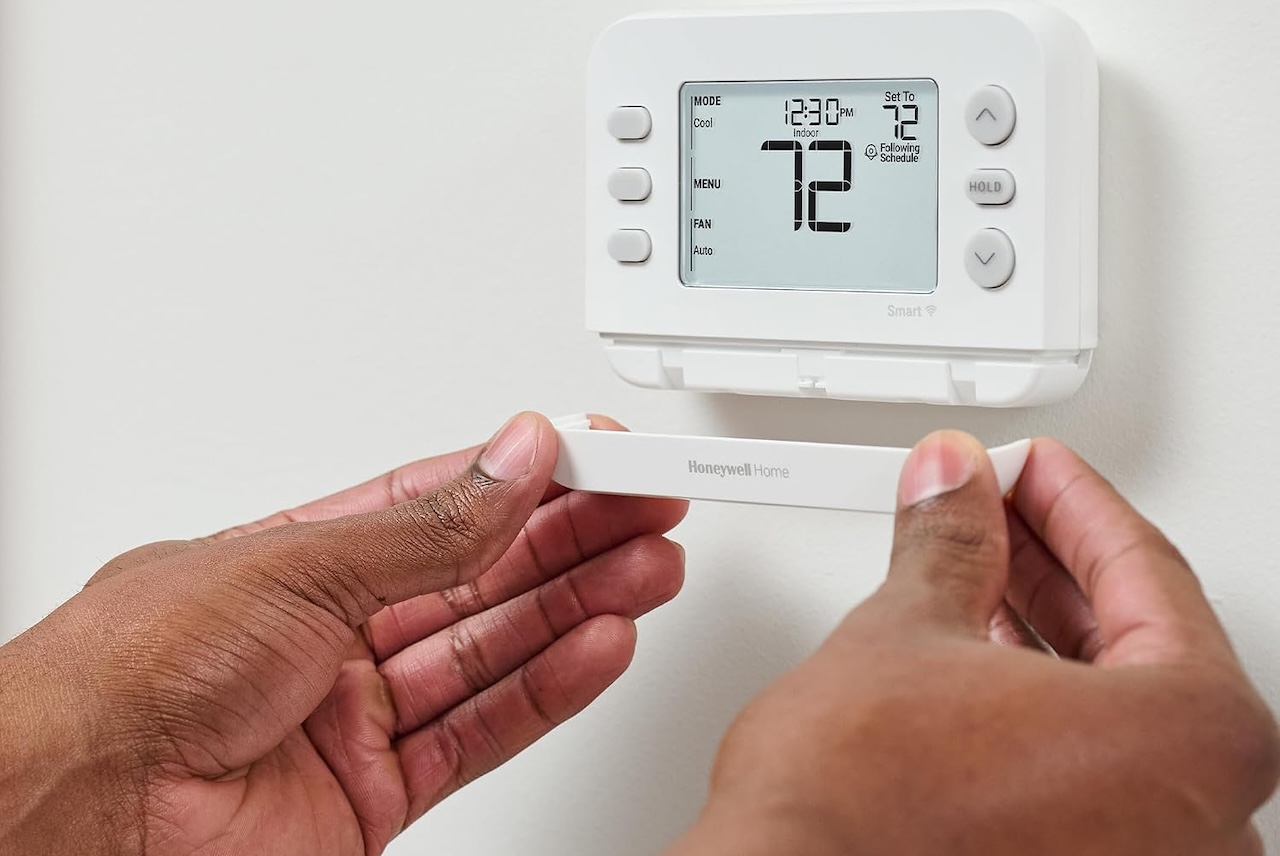
Price: $70.10
Where to Buy: Amazon
Honeywell uses its UWP wall plate, which is designed to simplify installation and compatible future upgrades. The X2S supports several common 24V conventional and heat-pump systems but is not compatible with 120-to-240V electric baseboard heating.
The important requirement is a 24VAC C-wire. That makes installation considerably more straightforward when the appropriate common wire is already connected.
The X2S is a good fit for someone who wants scheduling and remote smart-home control without abandoning a familiar thermostat-style interface.
Which easy-to-use thermostat fits your home?
Before comparing smart features, look at your HVAC system and existing thermostat wiring. C-wire availability and system compatibility can affect installation difficulty more than the thermostat’s feature list.
The Sensi Lite is particularly approachable on compatible conventional systems where it can operate without a C-wire. Google’s Nest Learning Thermostat reduces the C-wire obstacle across many supported systems while adding more automation. The ecobee Essential offers a clean touchscreen and broad smart-home compatibility, while Amazon’s thermostat makes sense for an Alexa-centered home with suitable wiring. Honeywell’s X2S combines familiar thermostat operation with scheduling and connected controls.
Whichever one you choose, use the manufacturer’s compatibility checker before ordering and switch off HVAC power before touching thermostat wiring. If installation requires changes at the furnace or air-handler control board and you are not comfortable doing that safely, professional installation is the better option.
Changing weather is unpredictable enough. Keeping your home comfortable should not mean constantly walking back to the thermostat.