
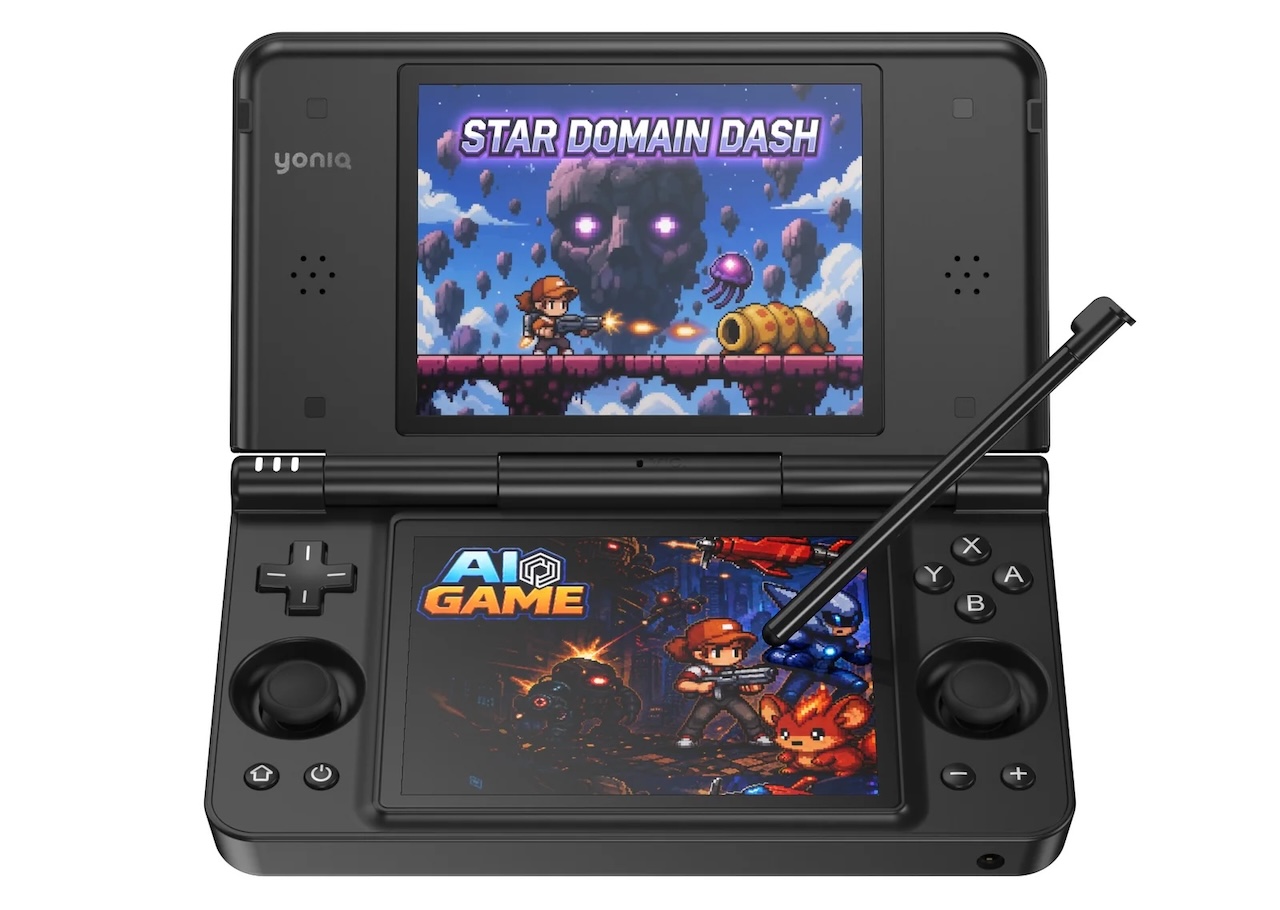
A handheld gaming console should solve a simple problem: it should make playing away from a TV or desk more convenient. It needs to be comfortable enough for a real session, portable enough to bring along, and clear about what games it can actually run.
Price: $159
Where to Buy: Yoniq
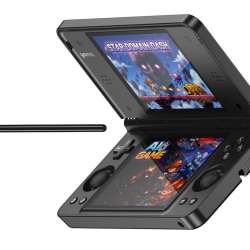
The Yoniq Duo Dual-Screen Handheld Gaming Console promises an interesting variation on that idea. Its second screen could potentially make menus, maps, inventory, and other game information easier to access without interrupting play. But a second display is only useful when a device has the software, hardware, and game support to give it a meaningful role.
That is where the current Yoniq listing falls short. The page confirms the concept and a few broad selling points, but it does not provide the details a buyer needs to judge performance, compatibility, or value. The Duo may have a compelling idea behind it. Right now, though, the missing information is a much bigger story than the extra screen.
What Yoniq Says the Duo Is
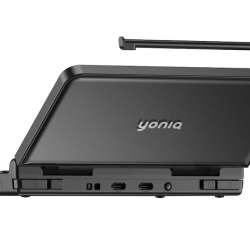
Yoniq lists the Duo as a dual-screen handheld gaming console, highlighting portable play, console-style controls, and gaming or multitasking potential. It is clearly positioned as a compact console rather than a phone accessory.
But the listing never specifies the controls, screen layout, or what the second display does during gameplay. That makes it difficult to judge how the Duo’s marketing claims translate to real-world use.
Why a Second Screen Needs More Than a Sales Pitch
A second screen can be genuinely useful. It could keep game maps, inventories, chat, control references, or companion information visible while the main display stays focused on gameplay. A well-designed dual-screen interface might also make navigating menus more convenient.
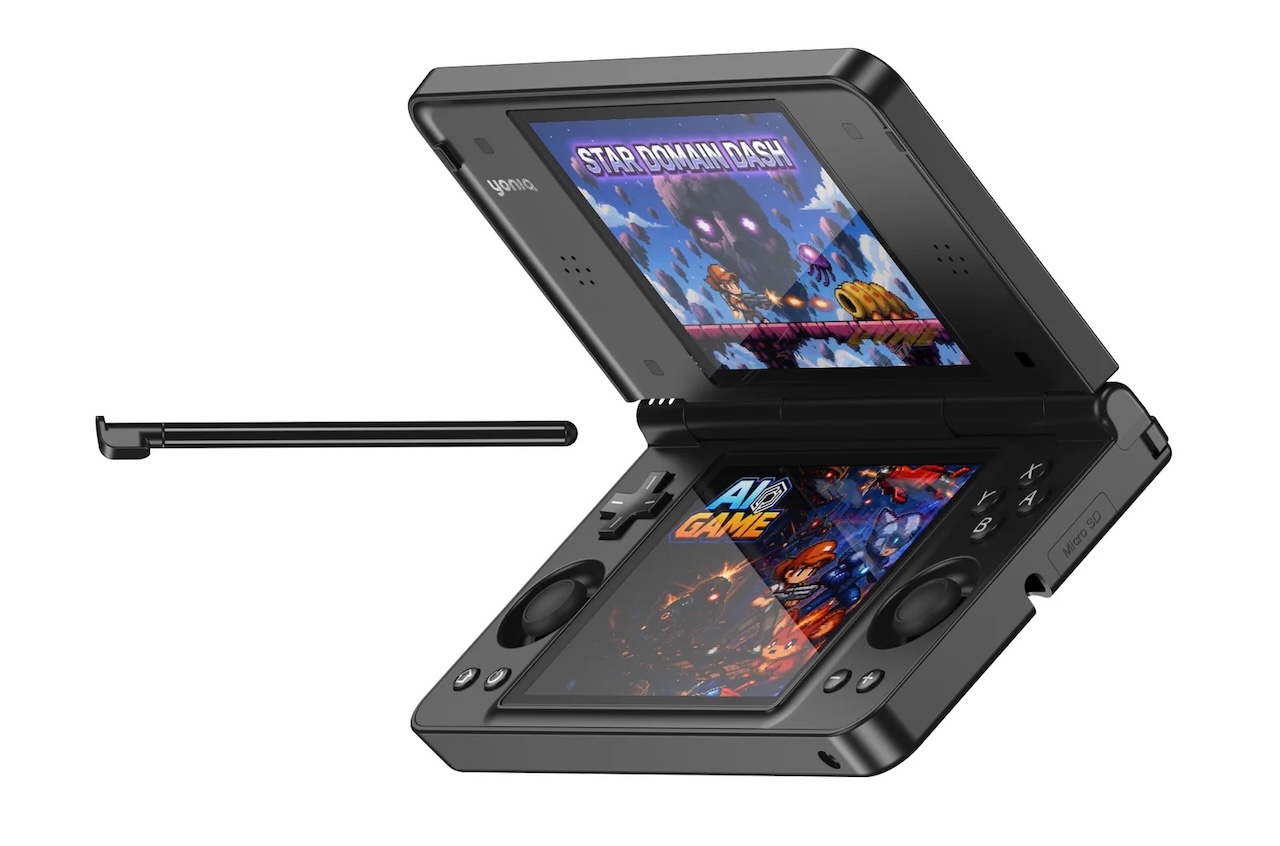 Those are potential benefits of the format, not confirmed Yoniq Duo features. The important question is whether a game, app, or operating system is designed to take advantage of two displays. If it is not, a second screen can become a feature with no clear everyday purpose. It may add visual interest, but not necessarily make a game more enjoyable or easier to play.
That is why Yoniq needs to explain the Duo’s software experience. Does the device run a dedicated game interface? Does it support a known operating system? Are particular game platforms, services, or titles compatible? Can the second screen display controls, menus, or supplemental information? The current product page does not say.
The Specifications Buyers Need Are Missing
Yoniq has not yet shared a full specification sheet for the Duo, leaving room for the company to clarify key details as the handheld moves closer to wider availability. Screen specifications, performance hardware, storage, battery life, charging, weight, dimensions, and touch support will all help show how the Duo fits into the growing handheld market.
Just as important, Yoniq can strengthen the Duo’s appeal by outlining its software and gaming plans. Details on the operating system and support for native games, retro emulation, cloud gaming, PC streaming, or mobile apps would help buyers understand who the device is built for.
That information will be especially useful for different kinds of players. Retro fans will want to know which platforms are supported and how games are loaded, while cloud gamers and PC owners will look for service and remote-play compatibility. Travelers, meanwhile, will want realistic expectations for battery life and portability.
The Duo’s dual-screen design gives Yoniq an opportunity to stand out. A more complete picture of its capabilities would make it easier to see where it could shine alongside established handhelds.
The GamePatch Copy Creates More Questions
The product page also includes a “How It Works” section for GamePatch, Yoniq’s smartphone touchscreen gamepad. It explains how users apply touch-control patches to a phone screen for compatible mobile games.
Because that guidance relates to a separate Yoniq product, it does not yet explain how the Duo itself works. A clearer, Duo-specific walkthrough would help prospective buyers understand its controls, display setup, included accessories, and intended gaming experience.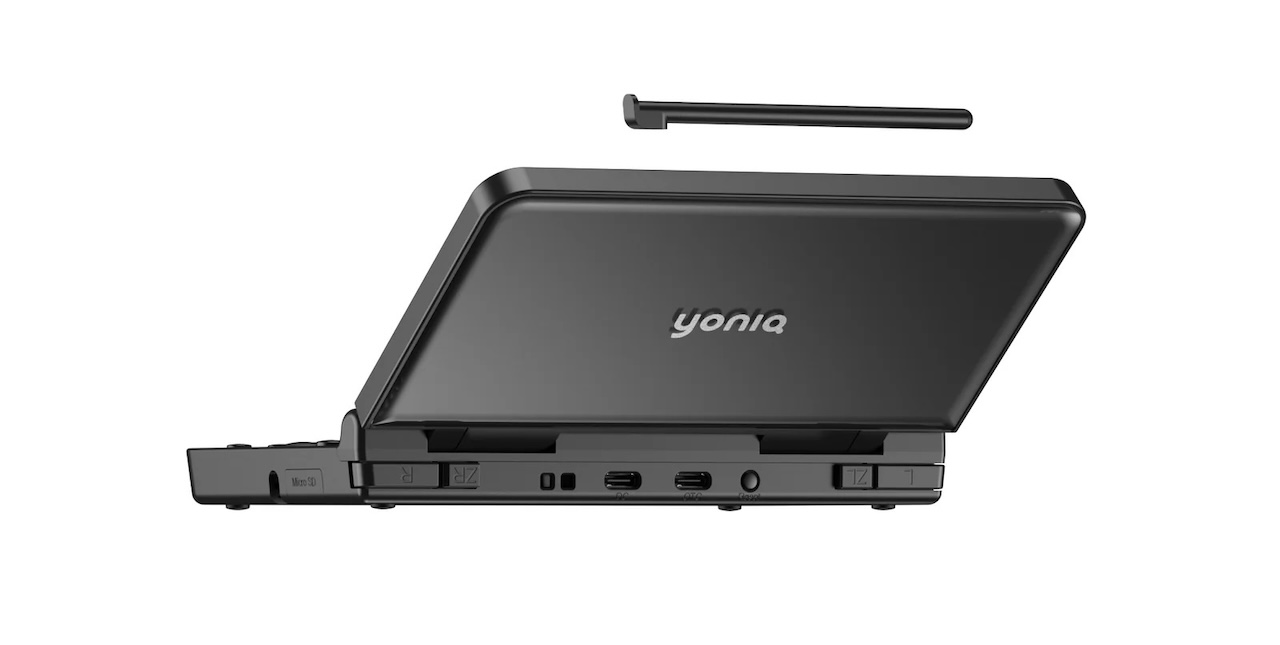
Yoniq also has an opportunity to expand the listing with details on charging, software, game compatibility, warranty coverage, and customer support. Adding that information would give the Duo a more complete product story and help buyers better appreciate what makes its dual-screen approach different.
The Listed Price Is Not a Current Deal
Yoniq listed the Duo at $159, down from $199, when checked. That $40 reduction could be attractive for a dual-screen handheld if the device’s specifications and software support were clear.
Buyer Fit: Watch It, Do Not Buy Blind
The Yoniq Duo may eventually appeal to players who want a compact handheld with physical controls and a dual-screen design. The concept has potential, particularly if Yoniq can demonstrate a useful second-screen interface and publish a complete technical specification list.
For now, it is not a confident recommendation for retro players, cloud gamers, PC streamers, or anyone seeking a proven portable console. Those shoppers need clear compatibility, performance, battery, and support information before spending money.
Price: $159
Where to Buy: Yoniq
Right now, the best fit is the curious observer, not the checkout-ready gamer. Wait for Yoniq to clarify what the Duo runs, what the two screens do, and when it will actually be available to purchase. Until then, its extra screen remains an interesting idea rather than verified value.
