Your phone has a flashlight, but that’s a little like saying it has a proper zoom lens because you can pinch the screen.
A dedicated light makes sense when you need sustained illumination under a hood, more reach on a dark trail, hands-free task lighting, UV inspection, or controls that do not require unlocking your phone. In 2026, EDC flashlight makers are doing more than chasing lumen numbers: they’re making pocket lights more versatile.
This year’s models include flat lights with UV and lasers, rotating heads, selectable color temperatures, RGB lighting, wearable designs, replaceable batteries, and several-thousand-lumen burst modes.
This list includes lights with credible evidence of a 2026 debut or a new 2026-specific version, not older models that merely remain on sale. Output, runtime, throw, impact resistance, and water-resistance figures are manufacturer specifications unless noted otherwise; maximum lumen figures are not necessarily sustainable output.
Here are 10 of the most interesting EDC flashlight releases we’ve found from 2026 so far.
1. Wuben X5: Three pocket tools in one flat flashlight
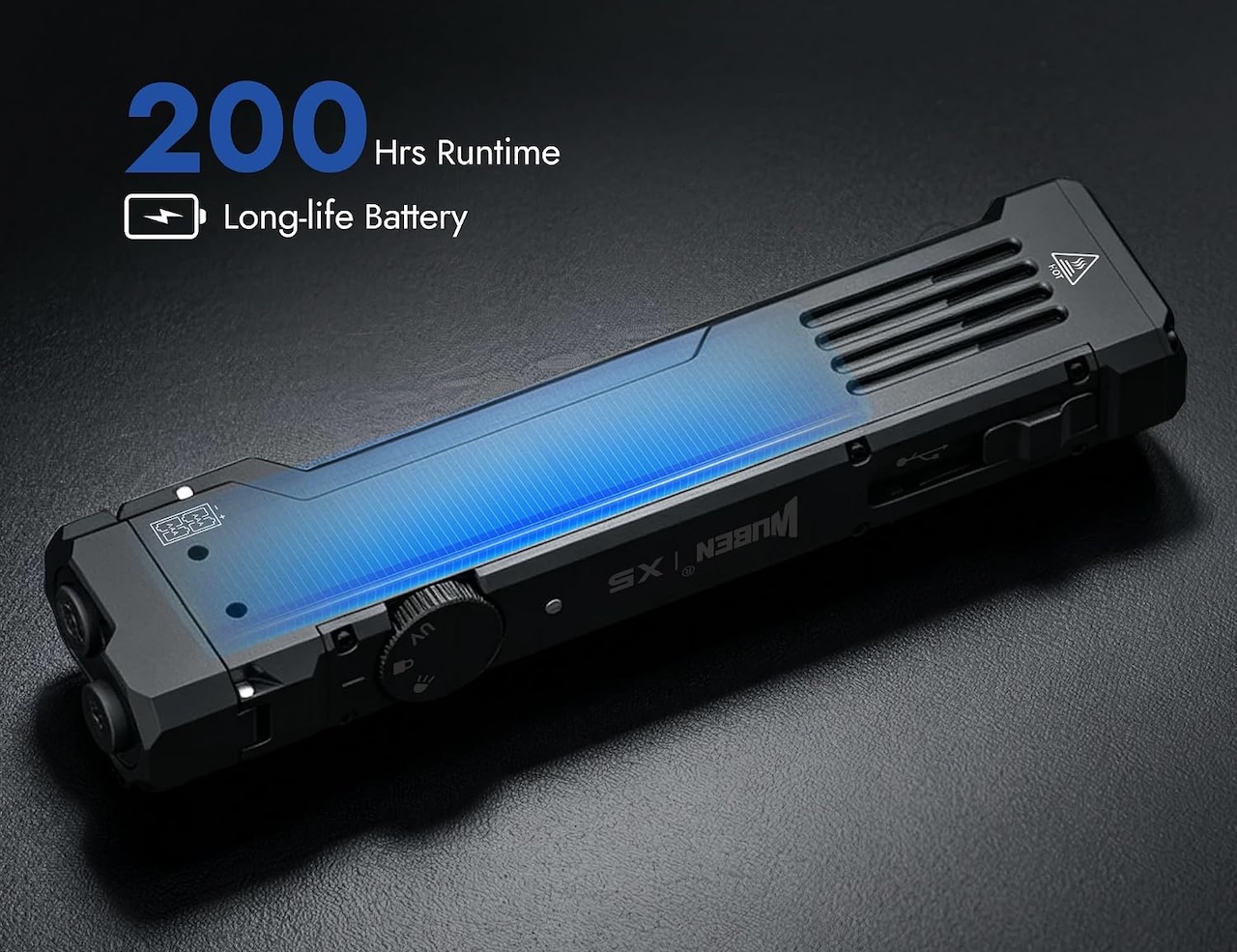
The Wuben X5 shows where EDC flashlights are headed: a flat body that combines three pocket tools instead of another aluminum tube with an LED at one end.
It pairs a white light rated for up to 1,300 lumens and 118 meters of throw with a 365 nm UV light and green laser, each with separate controls. Wuben showed an early prototype at ISPO 2025, but says the finished X5 launched in June 2026, qualifying it for this roundup.
Price: $79.95
Where to Buy: Amazon
Its removable 1,200 mAh rechargeable battery supports USB-C charging and AAA backup power. Wuben rates the X5 at IP65 with 1-meter impact resistance; those are manufacturer specifications, not independent test results.
Buyer fit: The X5 is for someone who likes the idea of replacing several pocket gadgets with one device. White light handles everyday illumination, UV adds inspection capability, and the laser gives it another useful role for pointing and marking.
2. Acebeam UC3A: A tiny flashlight with a 270-degree RGB side light
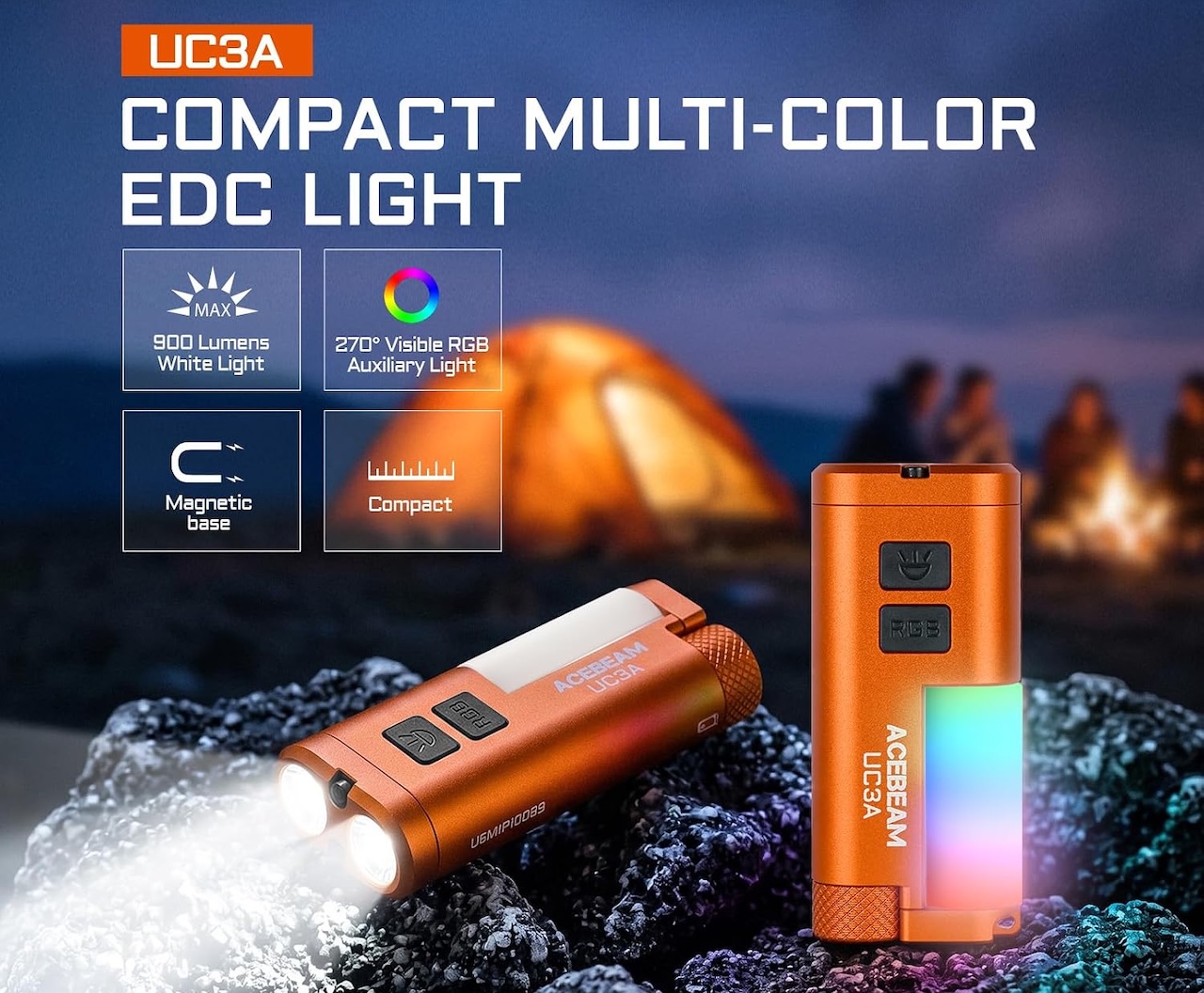
The Acebeam UC3A is built for times when a forward-facing beam is not enough. Launched May 20, 2026, it pairs two front LEDs rated for up to 900 lumens and 85 meters of throw with an RGB auxiliary light that wraps around 270 degrees of the body.
That makes it useful as a tiny area light or signal beacon, with separate controls for its main and RGB lighting. It includes a 400 mAh USB-C rechargeable 10440 battery but also accepts a replaceable 10440 cell or AAA battery.
Price: $19.99
Where to Buy: Amazon
Acebeam rates it IP68 with 1.5-meter impact resistance; those are manufacturer specifications, not independent test results.
Buyer fit: Choose the UC3A if you want a compact EDC light that can also handle close-range area lighting or signaling.
3. Nitecore EDC09: A flashlight that lets you choose the right white light
Brightness gets the attention, but beam color can matter just as much. Introduced at SHOT Show 2026, the Nitecore EDC09 offers 3000K warm, 4500K neutral, and 6500K cool-white modes, rated at CRI 97, 83, and 73, respectively.
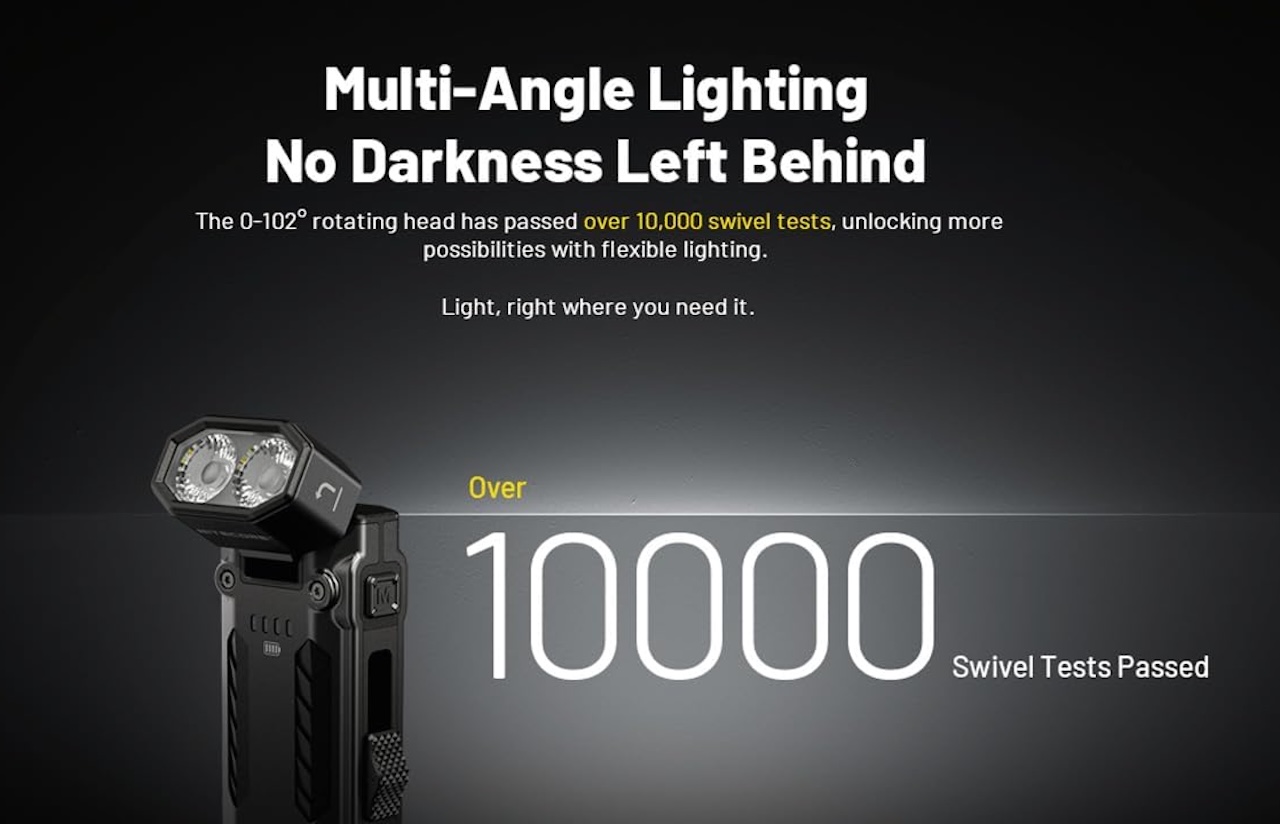
Warm, high-CRI light is better suited to jobs where color accuracy matters, while cooler light prioritizes output and reach. Its head rotates 102 degrees, and Nitecore rates it for 1,600 lumens and 153 meters of throw.
Price: $69.95
Where to Buy: Amazon
A built-in 1,100 mAh battery charges via USB-C, while a magnetic base and two-way clip enable hands-free use. Nitecore rates the EDC09 IPX6 with 2-meter impact resistance.
Buyer fit: Pick the EDC09 if beam quality, color temperature, and positioning matter more than maximum output.
4. Nitecore EDC17: White light, UV, and a laser in a 16 mm-thick body
Debuting at SHOT Show 2026, the Nitecore EDC17 packs a white light rated for up to 1,500 lumens and 230 meters of throw, a 365–375 nm UV light rated up to 1,350 mW, and a green laser rated below 5 mW into a 16 mm-thick body.
It weighs 106 grams and uses a slide switch and separate mode button, with a built-in 1,500 mAh battery that recharges via USB-C. It also has a detachable silicon nitride ceramic glass-breaking tip, reinforcing its role as a pocket tool rather than just a flashlight.
Price: $94.95
Where to Buy: Amazon
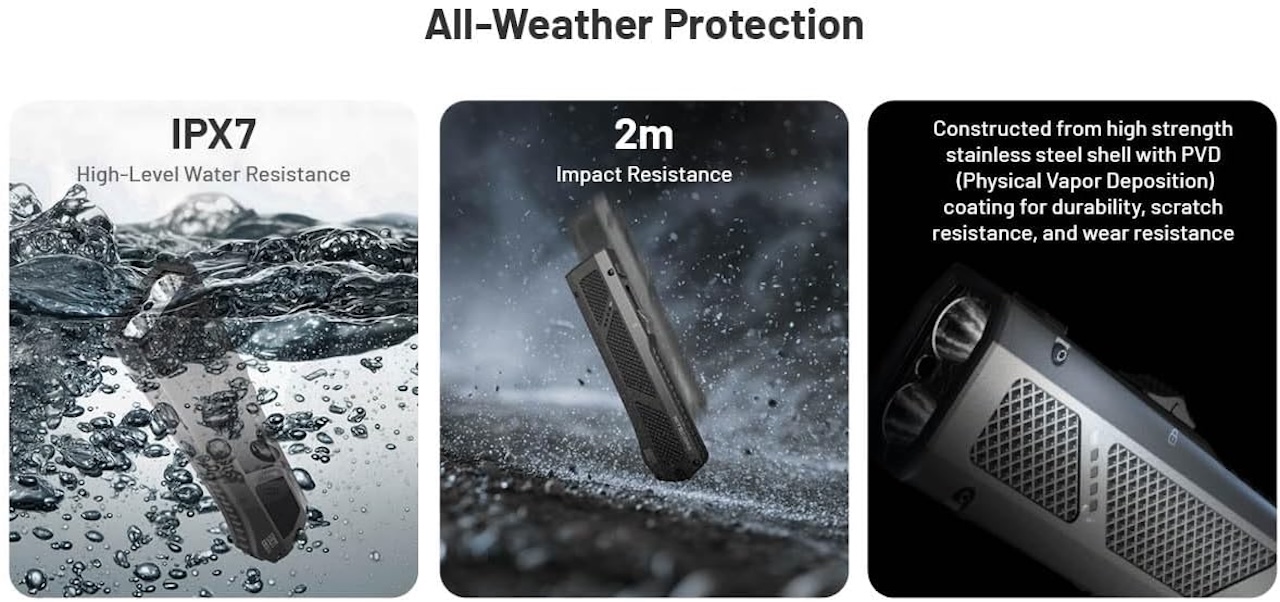
Nitecore rates the EDC17 IPX7 with 2-meter impact resistance.
Buyer fit: The EDC17 suits anyone who wants white light, UV, and a laser often enough to justify combining them in one pocketable tool.
5. Nitecore EDC37: When 1,000 lumens isn’t enough
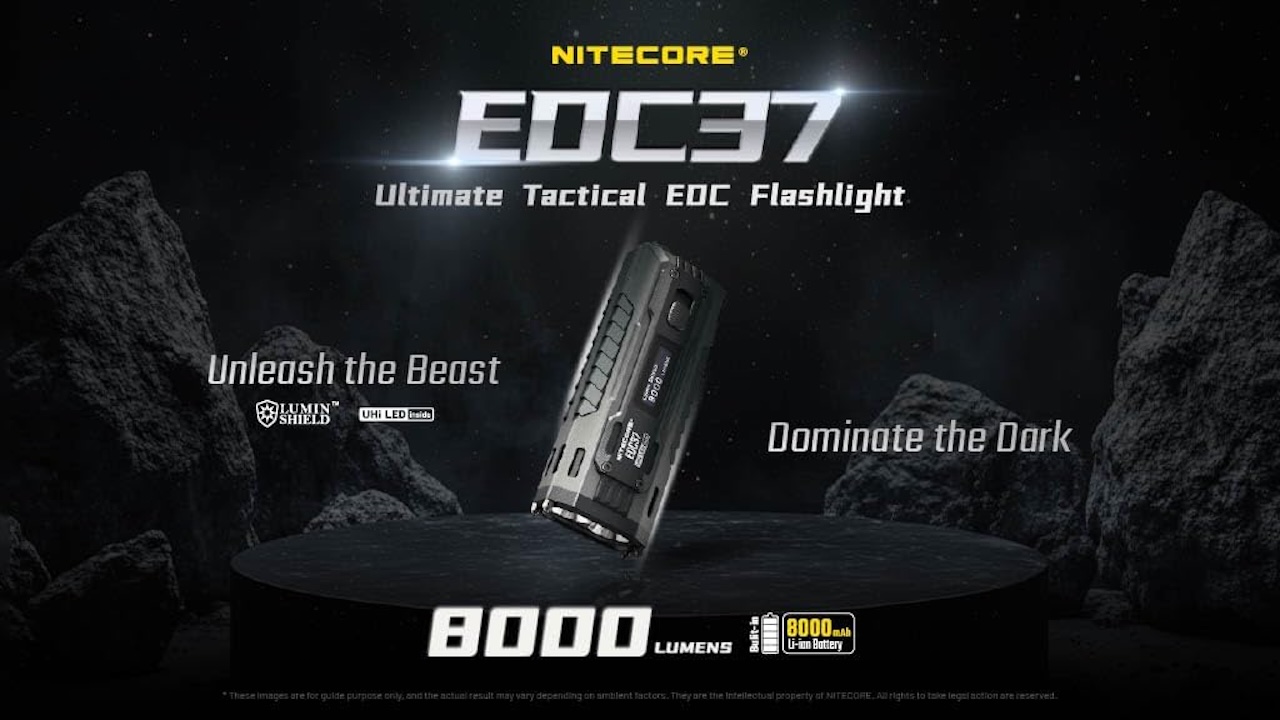
The Nitecore EDC37 represents the high-output end of 2026 EDC lights. It uses two UHi 20 MAX LEDs and an 8,000 mAh built-in battery, with a manufacturer-rated maximum of 8,000 lumens and a 3,000-lumen Search mode rated for 420 meters of throw.
That 8,000-lumen rating is a Lumin Shield burst mode, not continuous output. Nitecore’s automatic temperature regulation reduces brightness during extended high-output use to manage heat.
Price: $139.95
Where to Buy: Amazon
At 199 grams, the EDC37 is considerably heavier than the EDC17, but that bulk buys more battery capacity and output potential. An OLED screen shows output, battery level, and estimated runtime; USB-C handles charging. Nitecore rates it IP54 with 2-meter impact resistance.
Buyer fit: Choose the EDC37 if you need exceptionally high burst output and long-range reach from a still-pocketable light, and can accept the added size and weight.
6. Olight Baton 4 Pro: The conventional flashlight isn’t dead
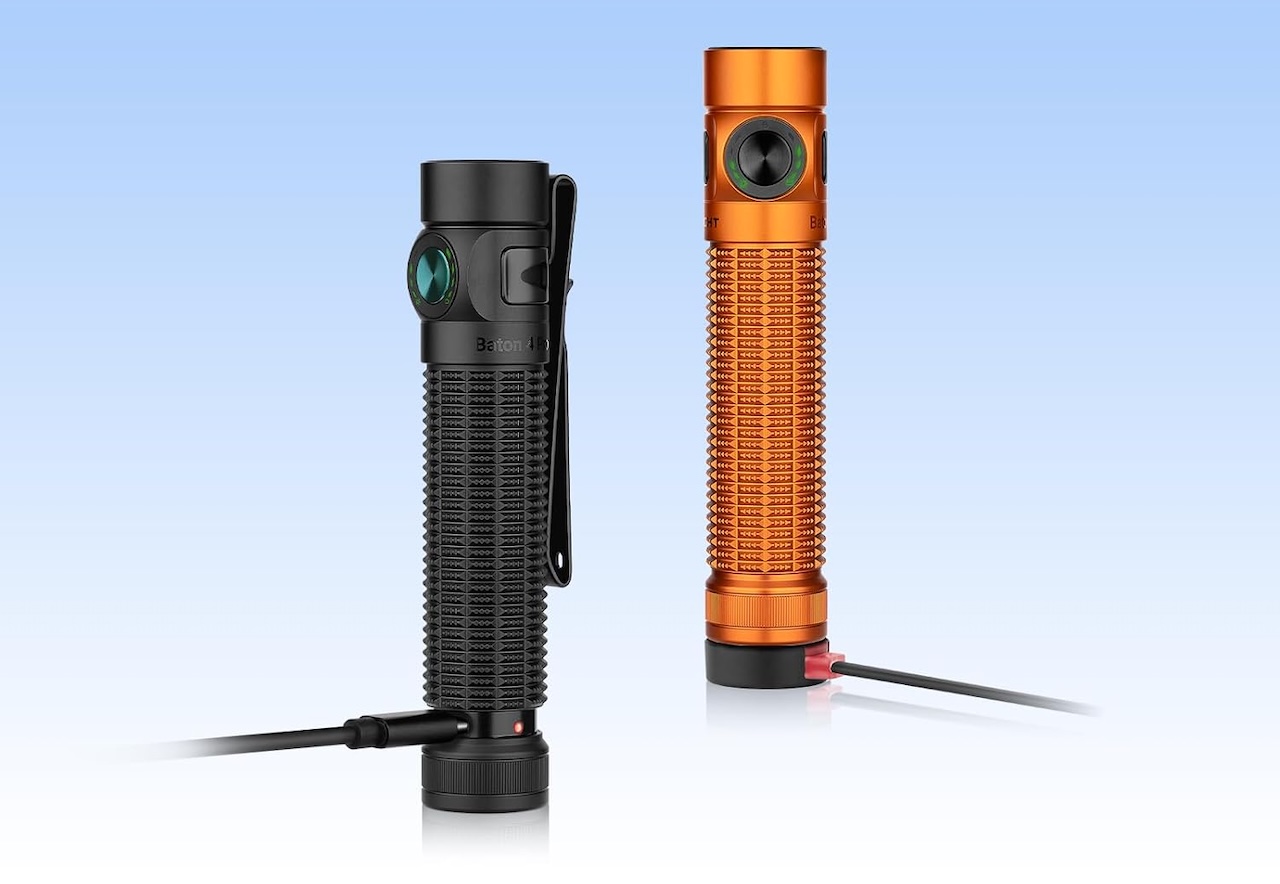
Not every 2026 EDC light needs a laser, UV emitter, RGB LEDs, or a rotating head. Introduced as part of Olight’s April 2026 Baton Series, the Baton 4 Pro refines the familiar compact flashlight formula instead of turning it into a multitool.
It is rated for up to 1,600 lumens and uses a user-replaceable rechargeable battery. A concealed rotating USB-C port adds normal cable charging, so it is not entirely dependent on a proprietary magnetic charger.
Price: $69.99
Where to Buy: Amazon
Side and tail switches offer different ways to control the light. Its appeal is practical rather than flashy: replaceable power and standard charging are useful long after a novelty feature loses its appeal.
Buyer fit: The Baton 4 Pro is for buyers who want a premium, straightforward EDC flashlight with flexible charging and replaceable power.
7. Olight Baton Ultra: The premium version of the Baton idea
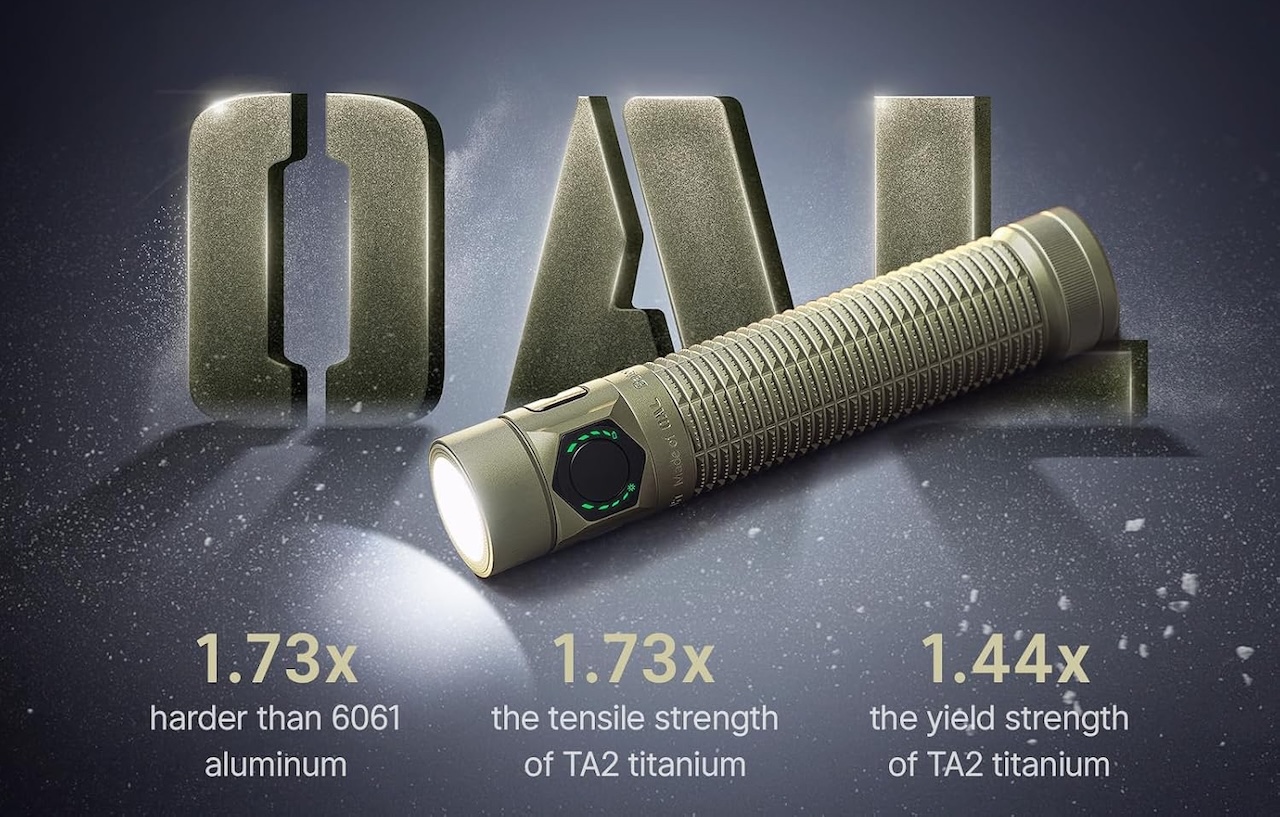
The Baton Ultra applies the same formula as the Baton 4 Pro but raises the stakes on materials and performance. It arrived alongside the Baton 4 Pro in Olight’s 2026 Baton Series, with a manufacturer-rated 1,800 lumens and 300 meters of throw.
Its key differentiator is an O-Aluminum unibody. Olight says this proprietary material is nearly twice as strong as standard 6061 aluminum in its own comparison; that is a manufacturer claim rather than an independent durability result.
Price: $69.99
Where to Buy: Amazon
The Baton Ultra also uses Olight’s EIP 1 LED, a replaceable 3,500 mAh 18650 battery, side and tail switches, concealed USB-C charging, and magnetic charging support. The upgrade buys a premium body material, somewhat higher output, and much greater rated throw.
Buyer fit: Choose the Baton Ultra if its longer 300-meter rated throw and premium construction justify the price premium. Otherwise, the Baton 4 Pro is the more practical general-purpose pick.
8. Klarus E5 Ultra-2026: A new flat multifunction EDC option
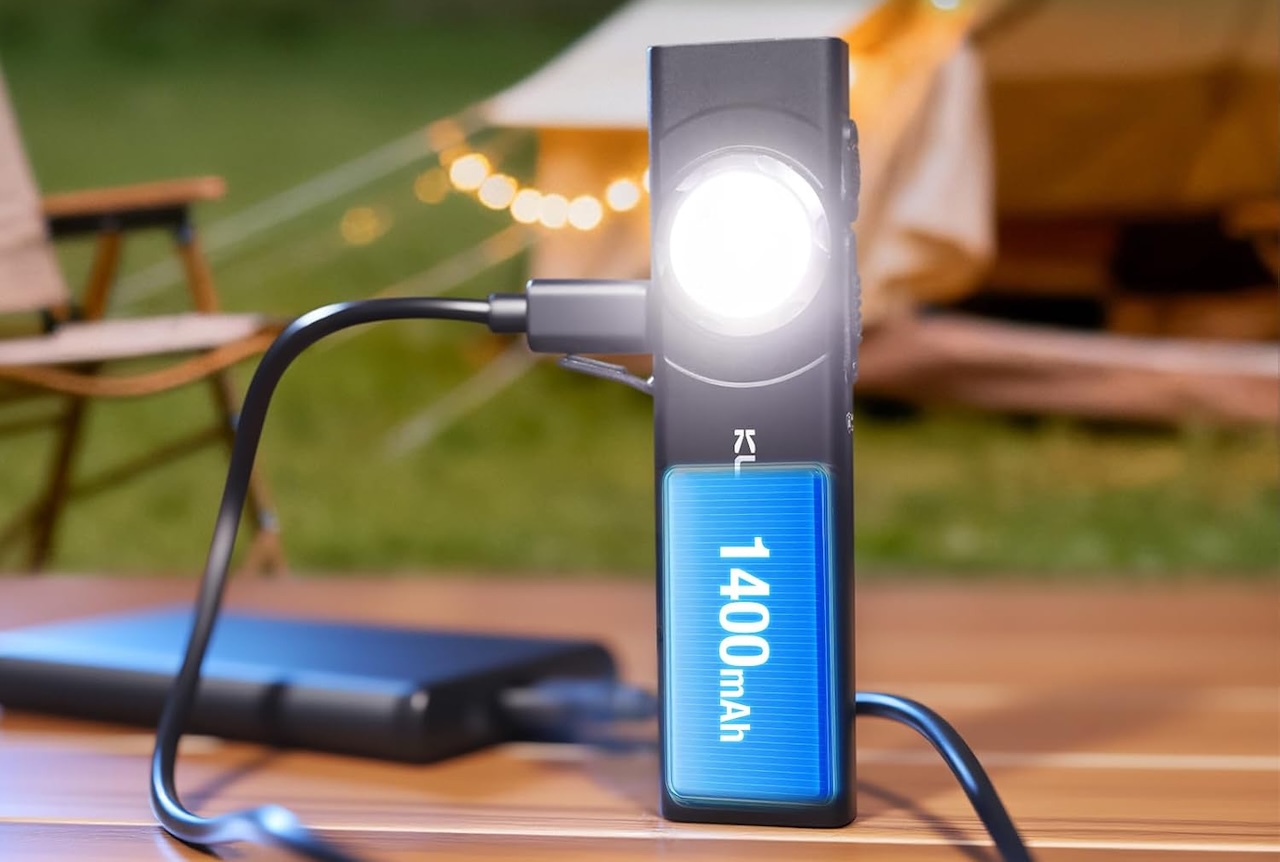
Klarus labels the E5 Ultra-2026 as both “New” and “E5 Ultra-2026” in its product catalog, making it a defensible inclusion in a roundup focused on current-year models. The company describes it as an ultra-slim flagship EDC flashlight with three light sources.
Like other flat EDC lights on this list, it reflects the move away from single-purpose tube lights toward compact tools that combine multiple lighting functions. That added capability only matters if it is useful enough to earn a place in your pocket, but it is one of the clearest design trends of 2026.
Price: $22.95
Where to Buy: Amazon
Detailed numerical specifications were not as readily documented in the primary material reviewed, so this entry intentionally avoids repeating unverified figures.
Buyer fit: Consider the E5 Ultra-2026 if you want a slim, multifunction flat light and prefer a Klarus alternative to the growing number of multi-emitter EDC models.
9. Sofirn SE1: A flashlight you can wear
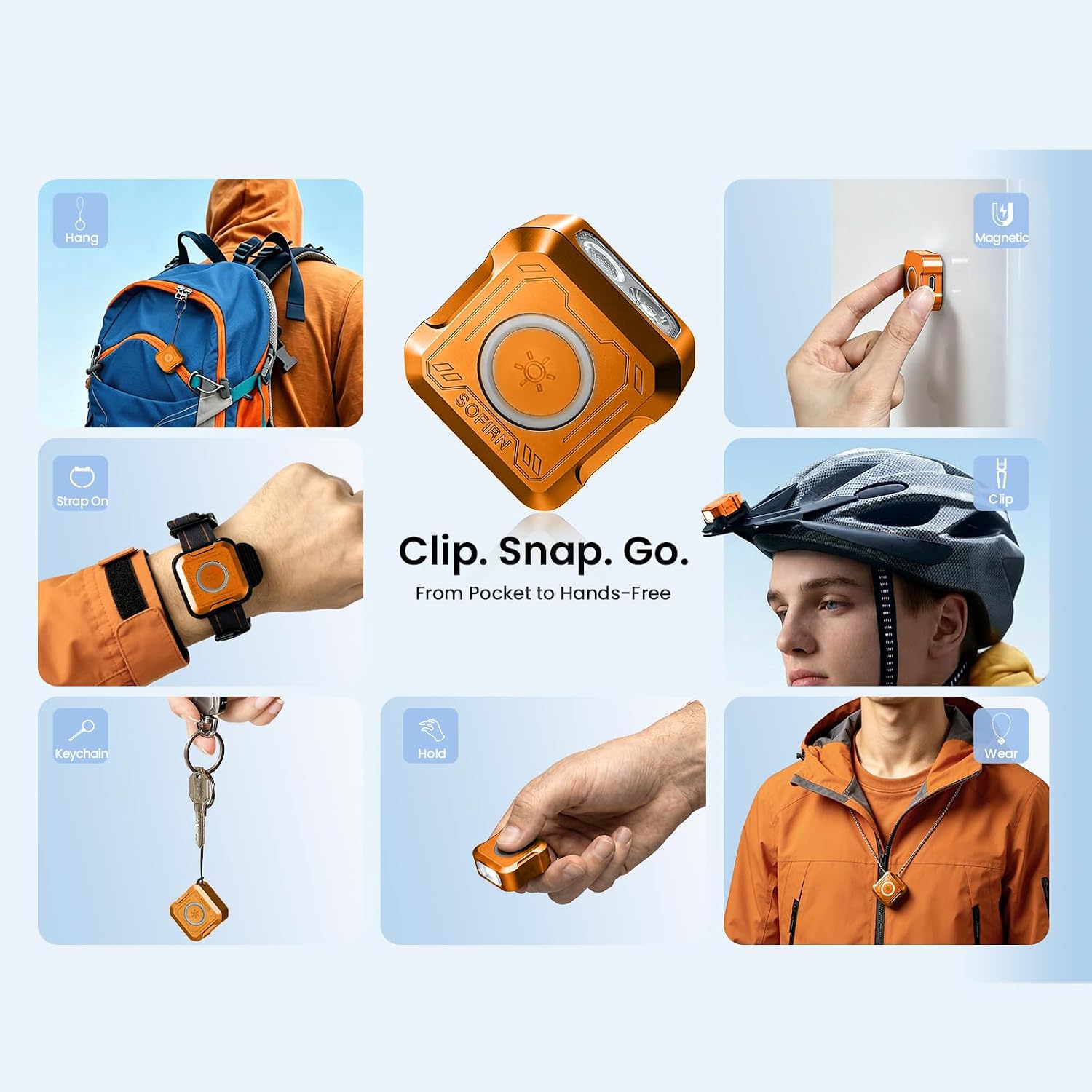
The Sofirn SE1 is designed not to stay in your hand. It is a quick-release wearable EDC light built around a magnetic clip system, with a white light rated for up to 300 lumens, a 360-degree RGB signal ring, and a 120 mW UV light.
At 20 grams, it is in a different carry class from high-output pocket lights such as the 199-gram EDC37. You can clip it to clothing or gear, hang it, or attach it to a suitable metal surface.
Price: $19.99
Where to Buy: Amazon
The trade-off is a non-replaceable battery. USB-C handles charging, and Sofirn claims more than 10 hours of runtime in moonlight mode.
Buyer fit: The SE1 makes sense if hands-free use and low weight matter more than maximum output or beam distance, such as for dog walking, gear organization, or backup illumination.
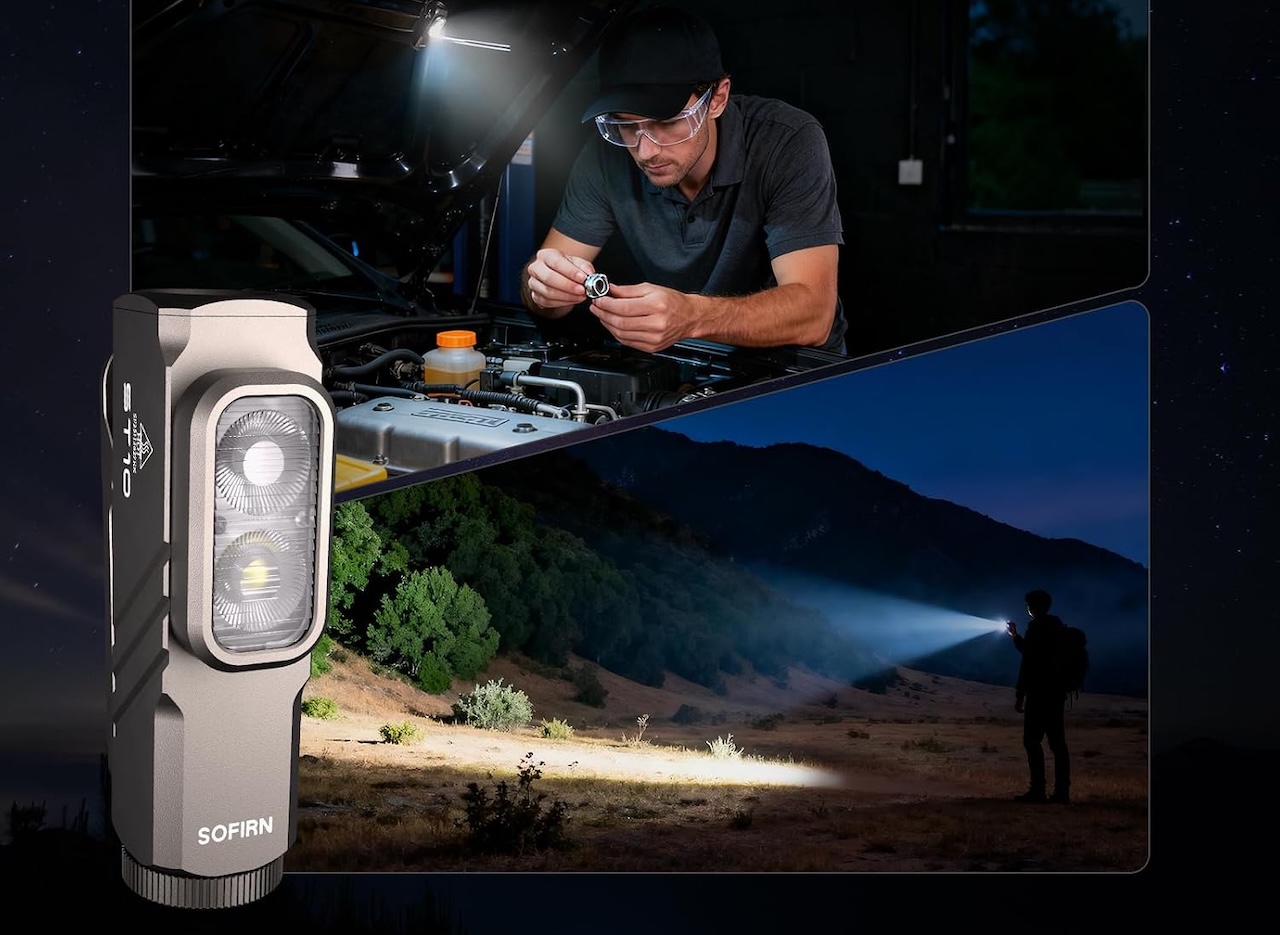
10. Sofirn ST10: A mini work light that can fall back to AA batteries
Rechargeable batteries are convenient until you have nowhere to charge one. The Sofirn ST10 solves that problem simply: it accepts an AA battery.
Its primary beam is rated for up to 1,000 lumens, with a side floodlight and 660 nm red light that make it closer to a miniature work light than a conventional single-beam flashlight. Its included 900 mAh 14500 cell has a built-in USB-C charging port, but the flashlight can also run on AA batteries.
Price: $39.99
Where to Buy: Amazon
There are trade-offs with AA power: Sofirn says the battery indicator and lockout mode do not work with an AA installed. The ST10 measures 69.3 x 33.8 x 20.4 mm, weighs 49 grams without a battery, and includes a magnetic tail and clip. Sofirn rates it IP66 with 1-meter impact resistance.
Buyer fit: The ST10 is a practical choice for a compact work-oriented EDC light, especially if battery flexibility matters more than an ultra-thin body.
What 2026 EDC flashlights are changing
The big 2026 story is not simply more lumens, it is broader utility. The Wuben X5 and Nitecore EDC17 combine white light, UV, and lasers; the EDC09 adds selectable color temperatures and a rotating head; the UC3A provides wide-area RGB lighting; and Sofirn’s SE1 and ST10 emphasize wearable and work-light functionality.
Battery strategies are diverging, too. Some lights use large integrated packs to maximize output and runtime, while others, including the X5, UC3A, Baton 4 Pro, Baton Ultra, and ST10, prioritize replaceable or alternate battery options.
Neither approach is inherently better. Integrated batteries can use limited space efficiently, while replaceable cells can extend a flashlight’s life and provide a fallback when charging is unavailable.
Which 2026 EDC flashlight should you carry?
Choose the Wuben X5 or Nitecore EDC17 for a multifunction pocket tool with white light, UV, and a green laser. Choose the Nitecore EDC09 if beam quality, color accuracy, and hands-free positioning matter more than novelty.
The Nitecore EDC37 is the high-output outlier, though its 199-gram weight puts it in a different carry category. The Baton 4 Pro and Baton Ultra are better for buyers who want a conventional premium flashlight, while the Klarus E5 Ultra-2026 offers another flat, multifunction option.
For compact carry, the UC3A adds area and signaling lighting, the Sofirn SE1 prioritizes wearable hands-free use, and the ST10 adds the useful security of AA battery compatibility. The right flashlight is not necessarily the brightest: it is the one with useful features, acceptable size and weight, intuitive controls, and a power system that fits how you actually use it.