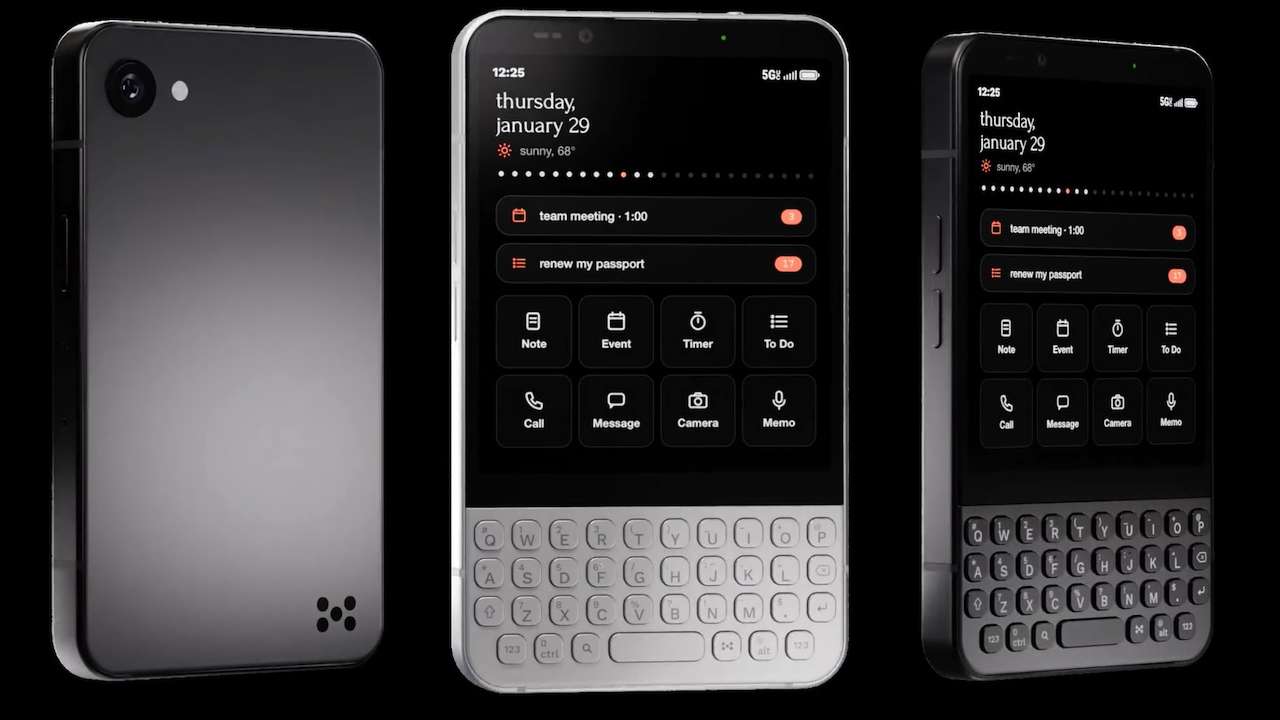
The Minimal Phone 2 is trying to prove that a physical keyboard can make a modern phone feel quieter. Right now, it asks buyers to trust that promise before it shares the details that decide whether the phone will fit their lives.
Price: TBD
Join the waitlist: Minimal
Minimal Company’s Minimal Phone 2 page is live with a waitlist, a smaller and more refined form factor, an improved keyboard, an aluminum body, and updated software. That’s enough to make the sequel interesting. It isn’t enough to make joining the line an easy call.
The best thing about the announcement is also its central tension. A phone built for focus can’t just look less distracting. It still has to handle the ordinary jobs that pull people back to conventional smartphones: calls, messages, navigation, payments, work apps, carrier support, and the little emergencies that don’t wait for a digital-detox plan.
What happened
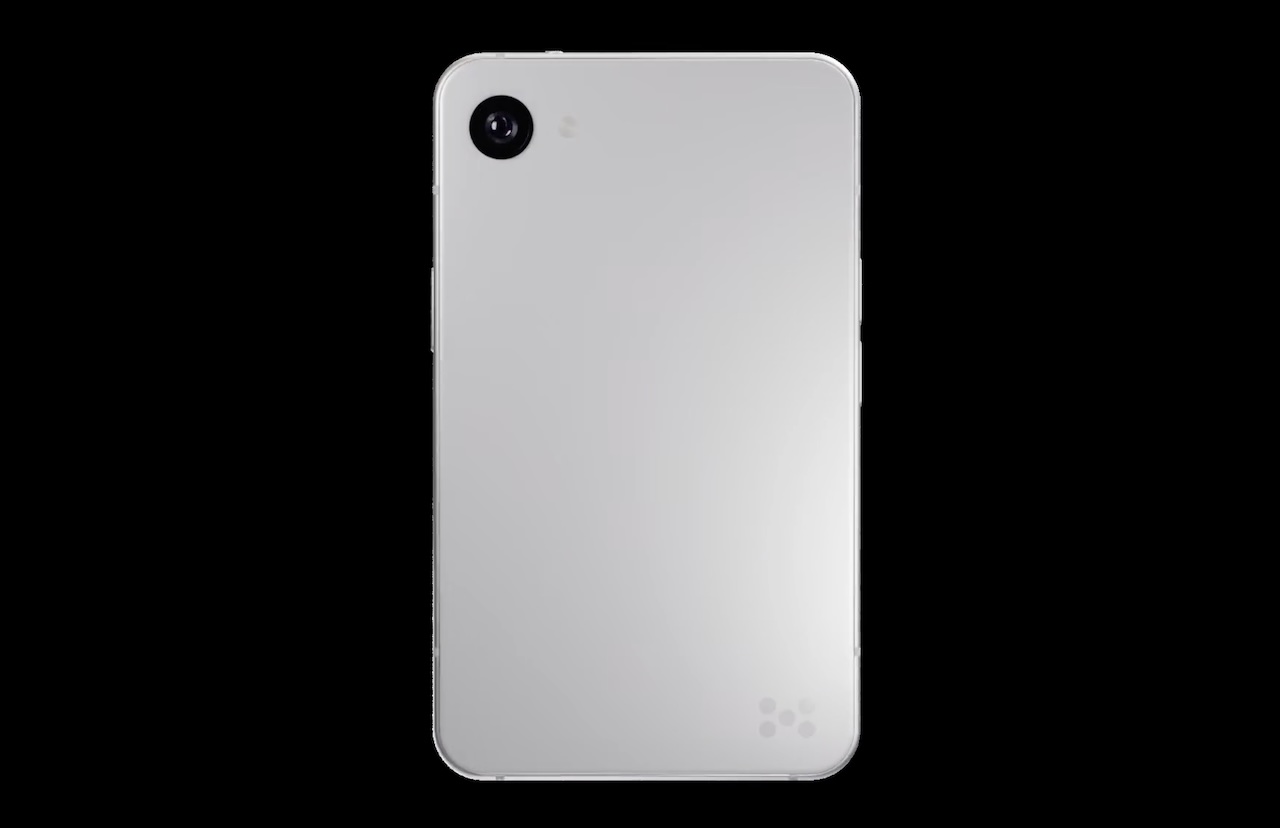
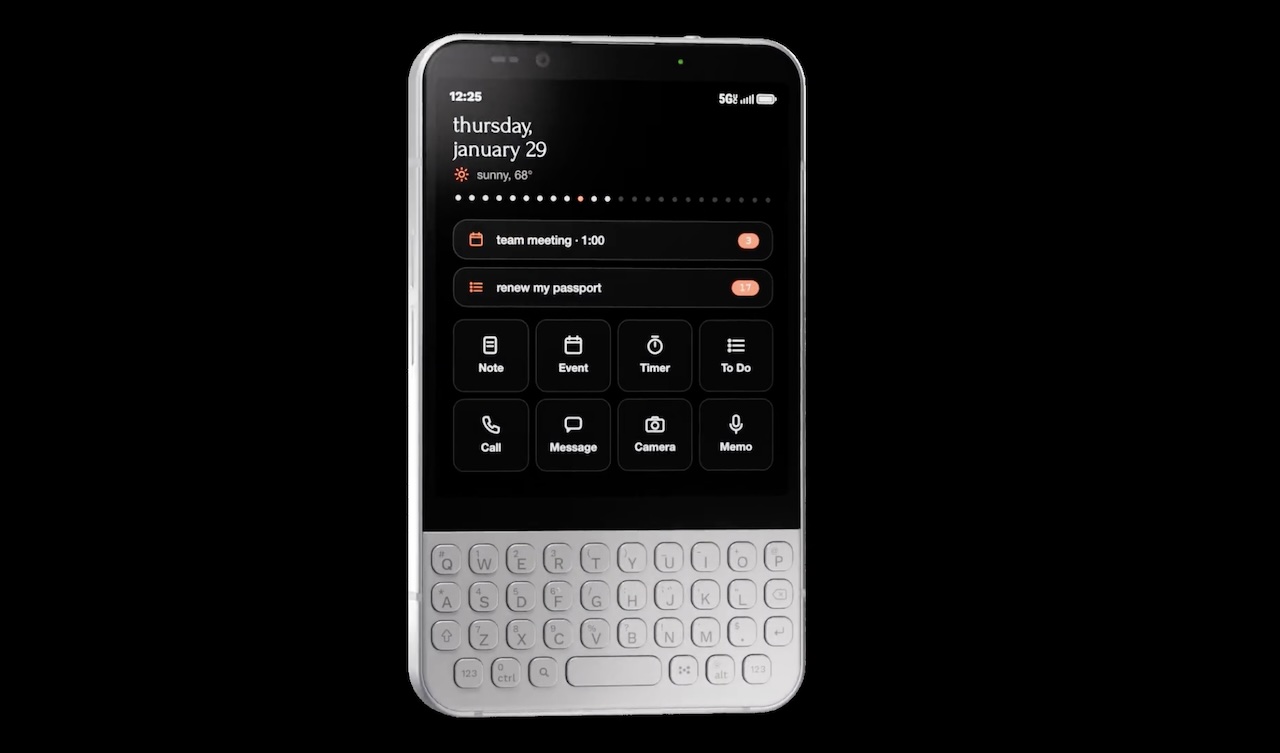
Minimal Company says it has spent the past year developing the Minimal Phone 2 and waited to announce it until it had a working phone rather than a concept or render. The company describes a better physical keyboard, a premium aluminum body, and software designed to be faster and calmer than before.
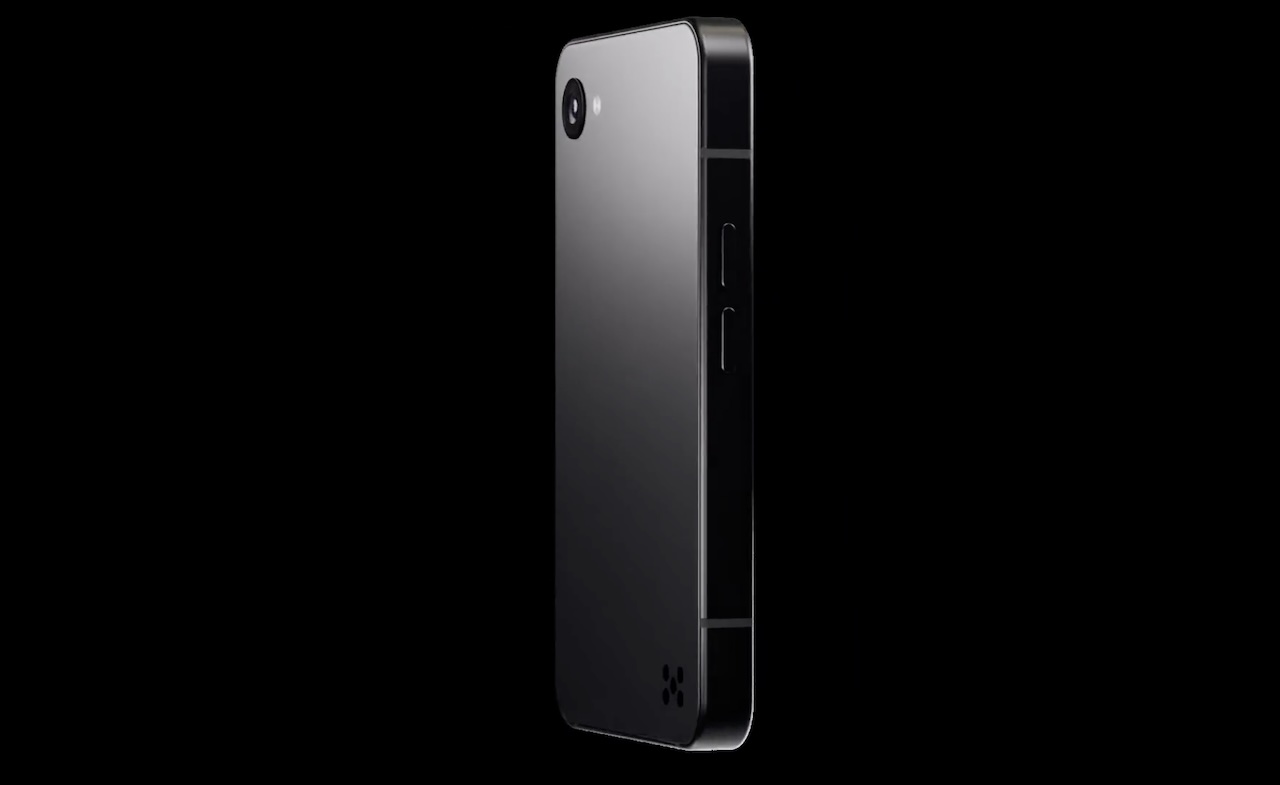
The confirmed changes also make the sequel feel less like a straight repeat of the original. Minimal says the phone now uses an OLED display, adds 5G, changes the camera layout, and revises the button layout. That gives the hardware story more substance than a keyboard tune-up alone.
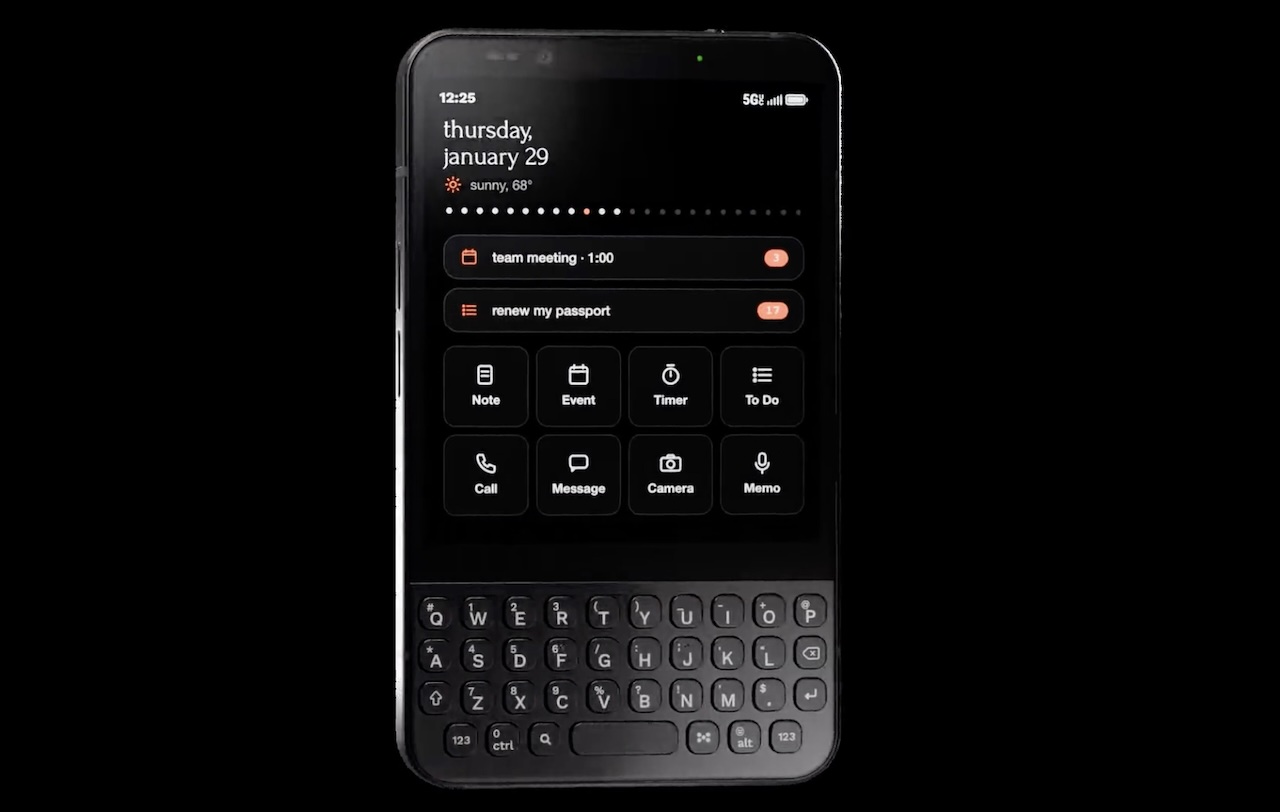 The page currently says the phone is coming soon. Visitors can join a waitlist for updates and early-bird discounts. There’s no listed retail price, ship date, carrier list, storage configuration, or full specification sheet.
That puts the Minimal Phone 2 in a different bucket from a phone you can compare and buy today. It’s a reservation for information, not a purchase decision.
Why it matters
The easy read is that OLED makes the Minimal Phone 2 less minimal. That is not the most useful test for buyers. The better question is whether the new hardware removes daily friction without rebuilding the same attention trap the original phone was trying to avoid.
A sharper screen can make maps, camera previews, photos, QR codes, transit apps, and accessibility settings more practical. 5G can also make the phone feel less like a compromise when someone needs navigation, hotspot use, or a quick download away from Wi-Fi. Those are not entertainment-first upgrades by default. They are baseline phone jobs.
 The more useful data point is price pressure. The original Minimal Phone launched with a $399 Indiegogo perk for the 6GB RAM and 128GB storage model, while Minimal’s current store lists the first-generation phone at $449.99 for 6GB/128GB and $499 for 8GB/256GB. If the sequel adds OLED, 5G, aluminum, camera changes, and a revised button layout, the buyer question is not just whether it keeps the old focus promise. It is whether Minimal can add those modern basics without pushing the phone into a price tier where people expect a more complete everyday smartphone.
That is where the keyboard still matters. If the physical keys make short replies, notes, and search feel deliberate instead of sticky, the OLED display does not automatically break the focus pitch. The risk is not color. The risk is whether the software, app limits, and button layout keep common tasks quick enough that users do not drift into the same feeds they were trying to escape.
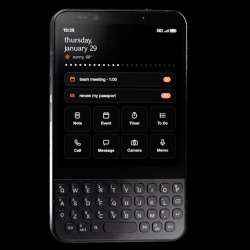
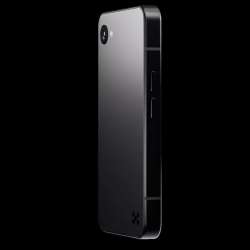
The aluminum body and smaller form factor sound promising too, but they’re company claims until people can use the finished hardware. Build quality, key feel, screen legibility, button placement, camera behavior, battery life, and app behavior all live in the gap between an announcement and a phone someone can recommend.
Key details buyers need
A focus phone can be a smart compromise. It can also become an expensive second device if it loses the services a reader actually needs. Minimal hasn’t yet answered the questions that decide which one this will be.
 Before putting money down, prospective buyers should still wait for the details that decide whether this can be a daily phone rather than a niche second device. That starts with a final price and shipping window, but it also includes supported carriers and network bands, the rest of the battery, camera, processor, and storage specifications, NFC or payment support, app compatibility for work and family routines, and clear warranty, return, and support terms.
 What is confirmed: the Minimal Phone 2 moves to OLED, adds 5G, and changes the camera and button layout. What still needs confirmation is how those changes work in daily use, which carriers support the phone, and what the final spec sheet includes.
Those aren’t picky footnotes. They decide whether the confirmed upgrades make the phone more usable, and whether the final price still makes sense against the original phone’s $399 launch anchor and current $449.99 to $499 pricing.
What is still unclear
The Minimal Phone 2 is worth watching if you miss typing on real keys and want a phone that’s designed to reduce the urge to keep scrolling. Minimal Company has identified a real frustration: many people want a connected phone without inviting every spare minute into an app feed.

The move to OLED and 5G answers two of the biggest baseline questions, and the revised camera and button layout suggest Minimal is reworking more than the keyboard. Those changes help the sequel feel more credible as a modern phone, but they also shift the burden of proof. Minimal now has to show that the added hardware value is enough to justify whatever price comes next.
Price: TBD
Join the waitlist: Minimal
But wait before treating this as an alternative to your current phone. Until Minimal publishes final pricing, availability, carrier support, and the rest of the specifications, the practical question isn’t whether the phone sounds appealing. It’s whether it can handle the non-negotiable parts of your day.
The Minimal Phone 2 has a clear job. Now it needs to show the receipt.