
idfa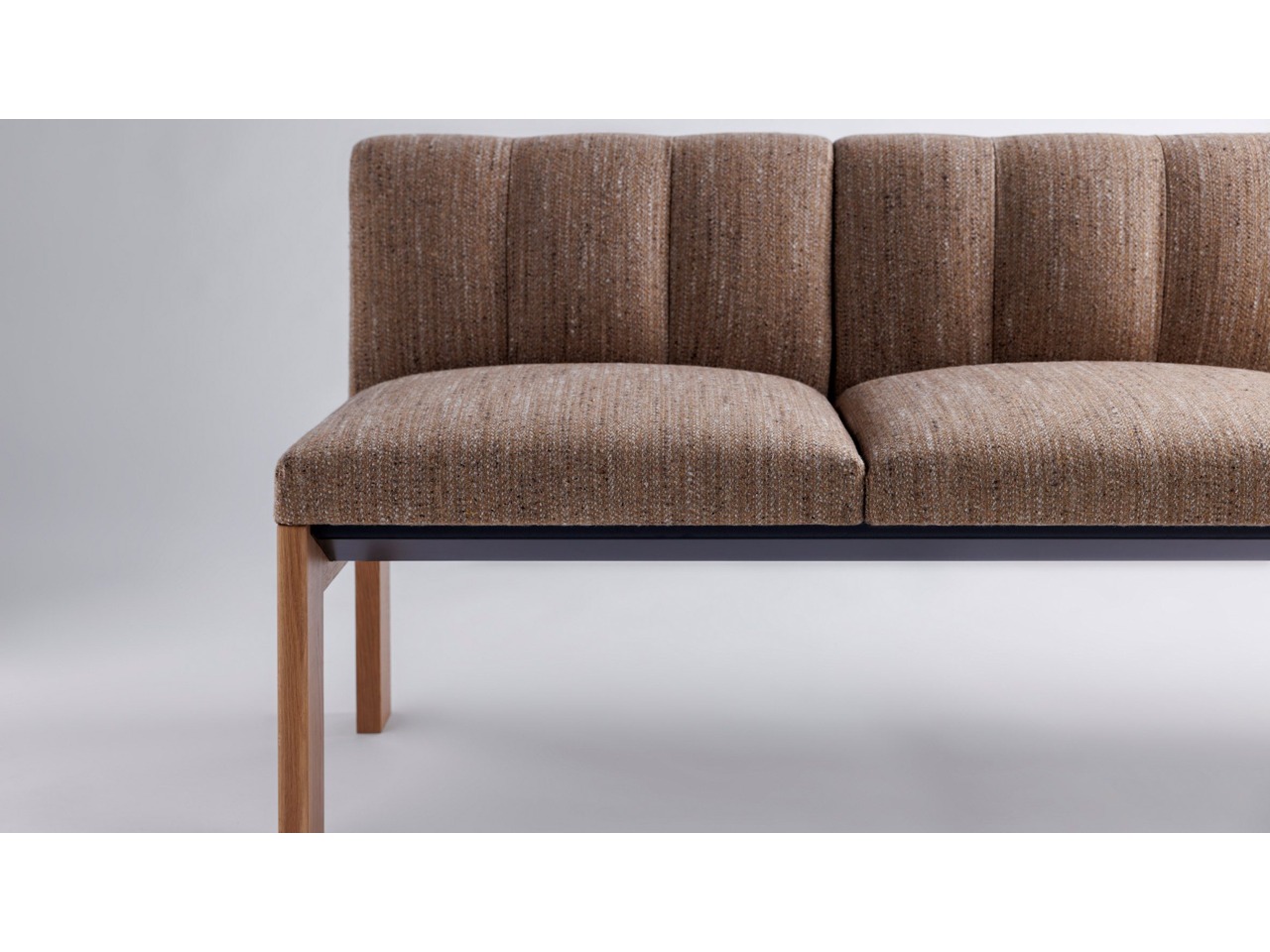
A new material doesn’t need to change the look of a gadget to change how it’s made.
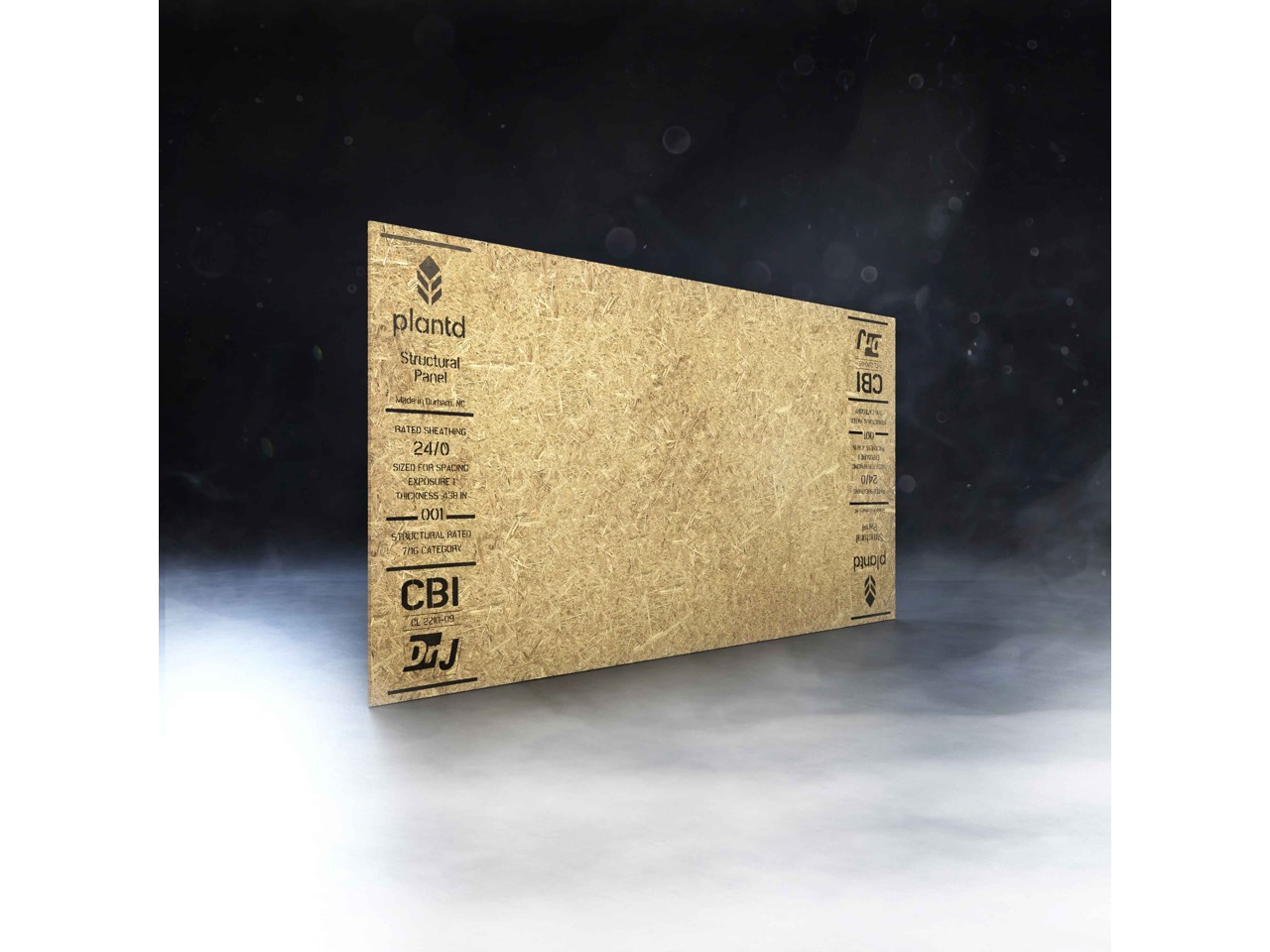
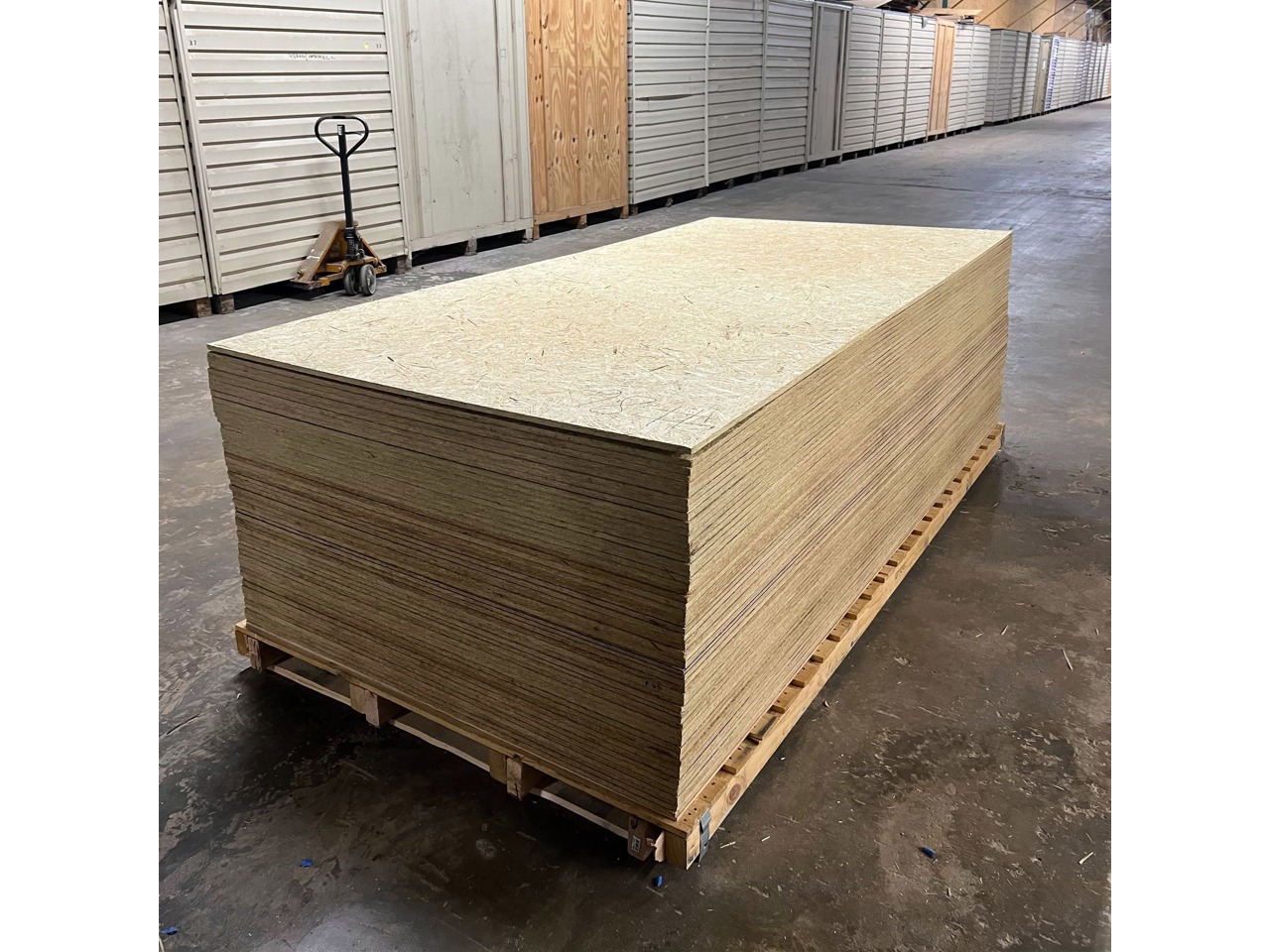
Plantd makes structural panels from perennial grasses pressed with heat. The panels were developed as an alternative to oriented strand board and plywood, not as a phone shell or laptop skin. Their use in furniture raises a more useful question for consumer technology: could an alternative material replace hidden parts inside a gadget without forcing a manufacturer to redesign the entire product?
That’s important to buyers because the parts we never see still affect durability, repair, waste, and the likelihood that a device gets a second life.
Company: Plantd, Inc. | Founded 2021 | Oxford, North Carolina
Funding: $47.5M raised | 70+ employees | 150,000 sq. ft. production facility
Product: Carbon-negative structural panels made from perennial grass, designed as a drop-in replacement for OSB and plywood
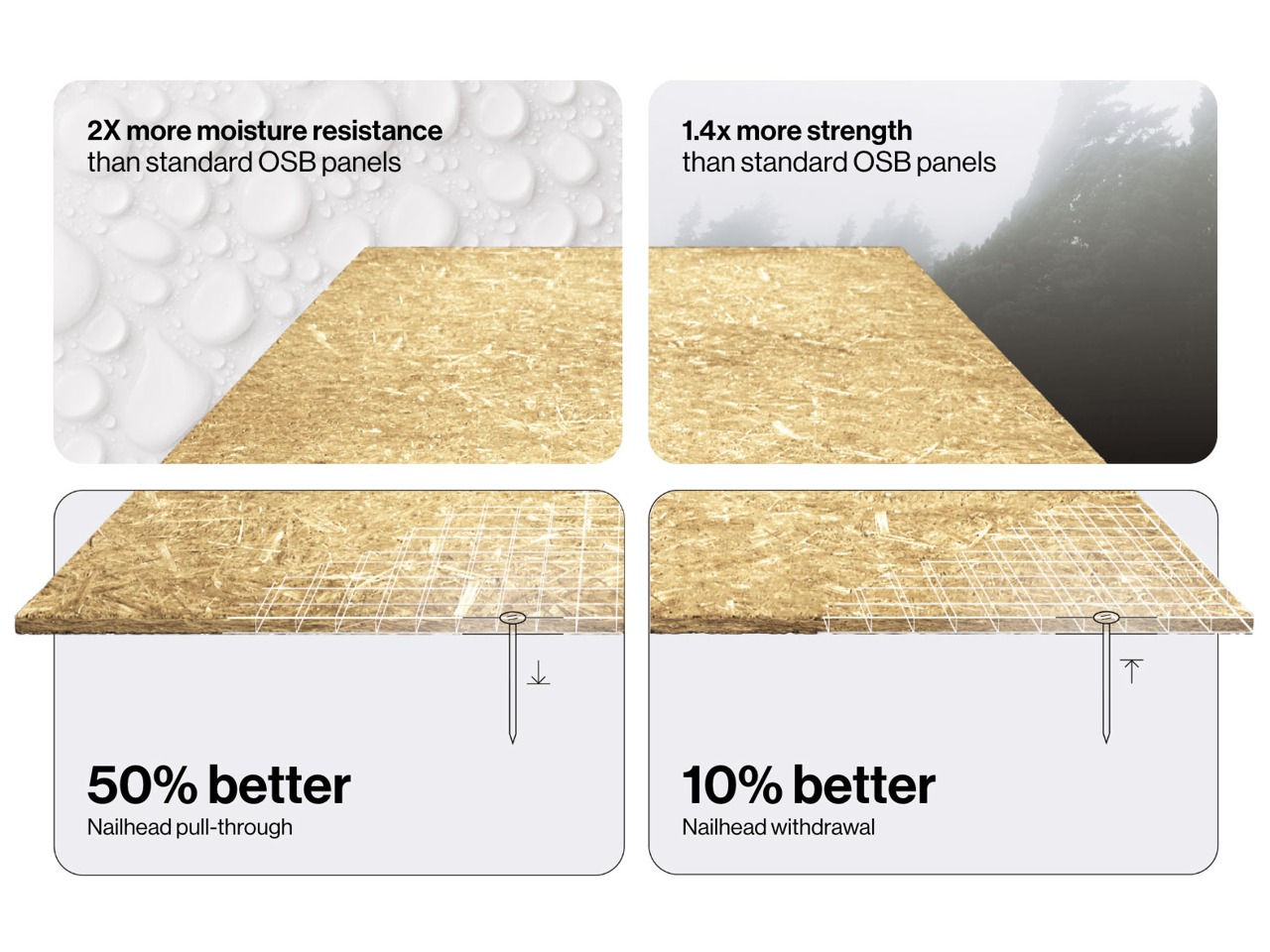
Performance claims: 2x more moisture resistant, 1.4x stronger than standard OSB
Where to Buy: Pre-order at plantdmaterials.com
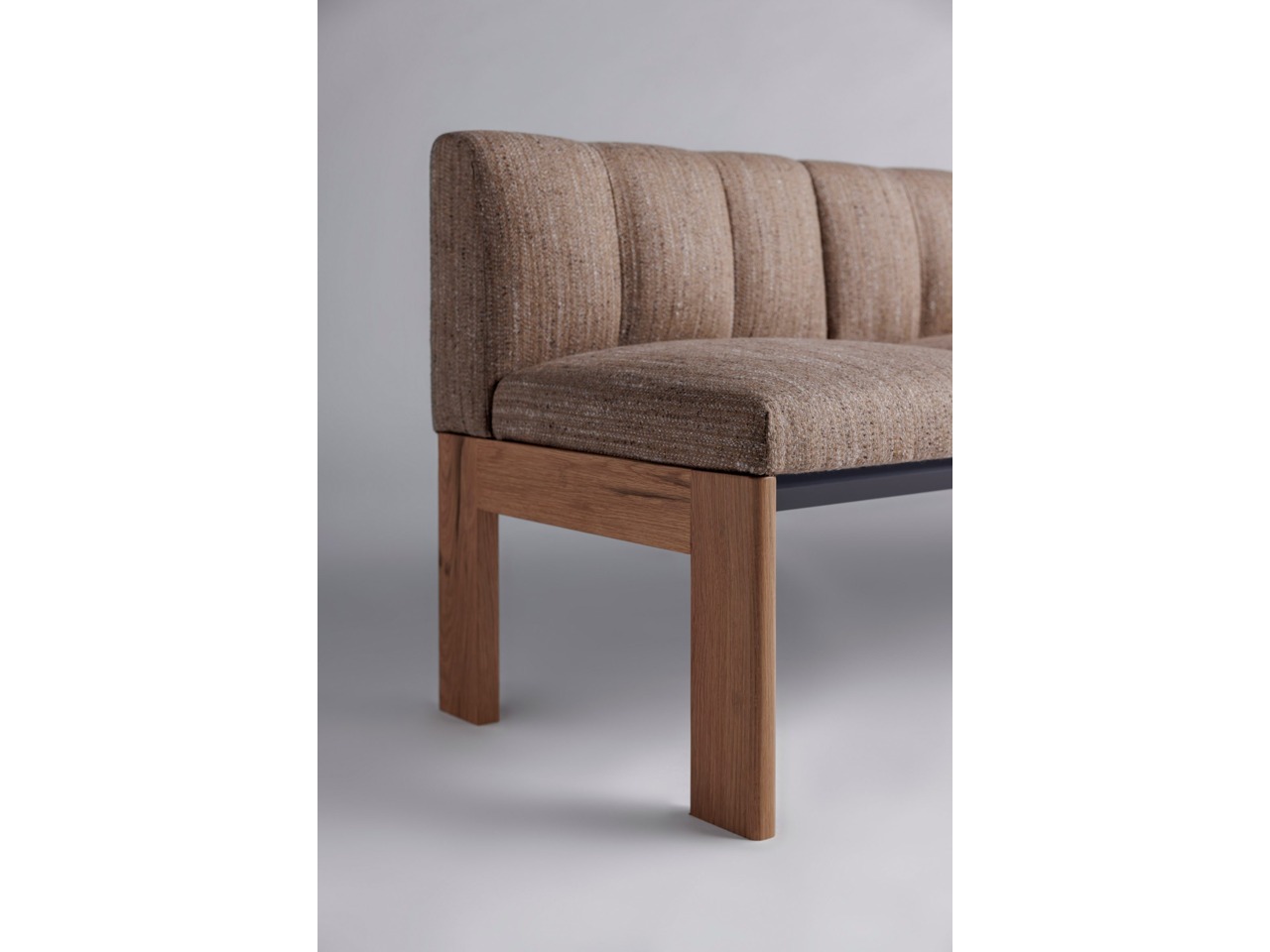
North Carolina furniture company Studio TK used Plantd panels as the hidden structural core of its Clique Luxe modular furniture collection. The panels ran through existing CNC equipment, accepted face staples, nails, and screws, and required no production or design changes.
Those are manufacturer claims, not independent testing. Still, they identify the hurdle that many sustainable-material demos skip. A new material has to work inside a real manufacturing process before it can become useful in a real product.
The best place to change a gadget is often the part nobody sees
Studio TK didn’t use the grass panel as a visible finish. It used it where customers would normally find OSB, as a structural core beneath the finished furniture.
That choice gives a manufacturer a contained experiment. The outside of the product can stay familiar while the company measures machining time, fastener strength, durability, and serviceability inside.
Consumer electronics could use the same strategy. A phone maker isn’t likely to replace a glass back with a rough fiber panel just to make a sustainability claim. A speaker company can’t casually change a cabinet if it affects resonance, screw retention, or assembly time.
The most plausible first applications are inside the product:
- Internal frames and braces
- Speaker supports and backing boards
- Battery trays and spacers
- Monitor stands and rear structures
- Smart-home enclosures
- Protective packaging inserts
These parts do not need to look luxurious. They need to hold their shape, accept fasteners, survive vibration, arrive in consistent dimensions, and remain reliable over the product’s useful life.
Plantd’s furniture application doesn’t prove that its panels can do those jobs inside electronics. It does show a path for testing the question.
The environmental claim needs more than a plant-based ingredient
Plantd markets its panels as a carbon-negative replacement for standard OSB. The company also says it is moving from harvesting wild grasses to growing its own feedstock, with 400 acres planted.
Those claims are interesting, but they aren’t a complete lifecycle assessment for every product category. The environmental result depends on cultivation, binders, heat used during pressing, transportation, service life, repair, manufacturing waste, and end-of-life handling.
A gadget made with less fossil-based material isn’t automatically the better choice. If the replacement travels farther, fails sooner, uses a difficult-to-recycle binder, or makes repair more destructive, the overall result may be less impressive than the raw material suggests.
For a buyer, the useful question is not simply, “Is this gadget made from grass?”
It’s:
- Which component changed?
- What material did it replace?
- How much of the product does that component represent?
- Does the new material last as long?
- Can a technician remove it during repair?
- What happens to it when the product is discarded?
That component-level accounting is less exciting than a green marketing label, but it gives buyers and designers something they can evaluate.
What gadget designers could learn from the furniture test
Consumer technology has a material problem that rarely appears on a specification sheet. A product can gain a faster processor, brighter display, or smarter assistant while its internal structure remains difficult to repair, replace, or recover.
Material choices affect whether a device uses screws or permanent adhesive, whether a battery can be accessed, whether a broken component can be replaced, and whether the product can survive a second owner.
The Studio TK example suggests a sensible design rule: start with one defined job inside a familiar workflow. Compare the new material with the old one. Measure the failure points. Then decide whether the change improves the whole product.
A laptop speaker bracket, monitor rear frame, or smart-speaker support could provide a useful test. The product would still need to meet the requirements of electronics manufacturing, including tight tolerances, heat cycles, vibration, drop testing, compliance standards, long-term supply, and consistent density.
That’s why the furniture application is relevant but limited. Furniture provides a middle step between a construction panel and a small portable device. It involves repeatable cutting, fasteners, modular parts, and large production surfaces. It may help prove process reliability before a material is asked to survive inside a phone, laptop, or speaker.
The hard part is scaling the supply chain
A material can work in one product and still fail as an industry input.
Gadget manufacturing demands high-volume consistency across multiple factories and regions. A manufacturer needs confidence that the material will be available years after launch, not just during a limited demonstration. It also needs predictable color, density, moisture resistance, machining behavior, yield, and cost.
Plantd’s reported move toward dedicated fields illustrates the point. A material transition is also a supply-chain transition. The feedstock, processing equipment, binder system, logistics, and quality controls all have to grow with the product ambition.
The next useful evidence will not be another concept render. It will be boring, measurable data:
- Panel density and dimensional tolerances
- Binder chemistry
- Energy used during pressing
- Manufacturing yield and scrap rate
- Transportation distance
- Screw retention after repeated service
- Resistance to moisture, heat, and vibration
- Repair and disassembly behavior
- End-of-life identification and recycling options
Until manufacturers publish those details, pressed grass remains an interesting material experiment, not evidence that a better gadget is already on the way.
The Gadget Take
Plantd’s collaboration with Studio TK doesn’t prove that grass panels are ready for phones, laptops, or smart speakers. It does show a credible bridge from a building material to a manufactured object.
The panel entered a known workflow, worked with familiar tools and fasteners, and performed structural work without changing the visible product. That is the part gadget designers should test, while buyers should wait for evidence about durability, repair, and full lifecycle impact.
Sustainable product design doesn’t need to begin by reinventing the entire device. A manufacturer could give an alternative material one job, compare it with the conventional material, publish the failure data, and see whether the result survives production and repair.
The future of sustainable gadget design may begin with the part nobody sees.
Company: Plantd, Inc. | Founded 2021 | Oxford, North Carolina
Funding: $47.5M raised | 70+ employees | 150,000 sq. ft. production facility
Product: Carbon-negative structural panels made from perennial grass, designed as a drop-in replacement for OSB and plywood
Performance claims: 2x more moisture resistant, 1.4x stronger than standard OSB
Where to Buy: Pre-order at plantdmaterials.com
