
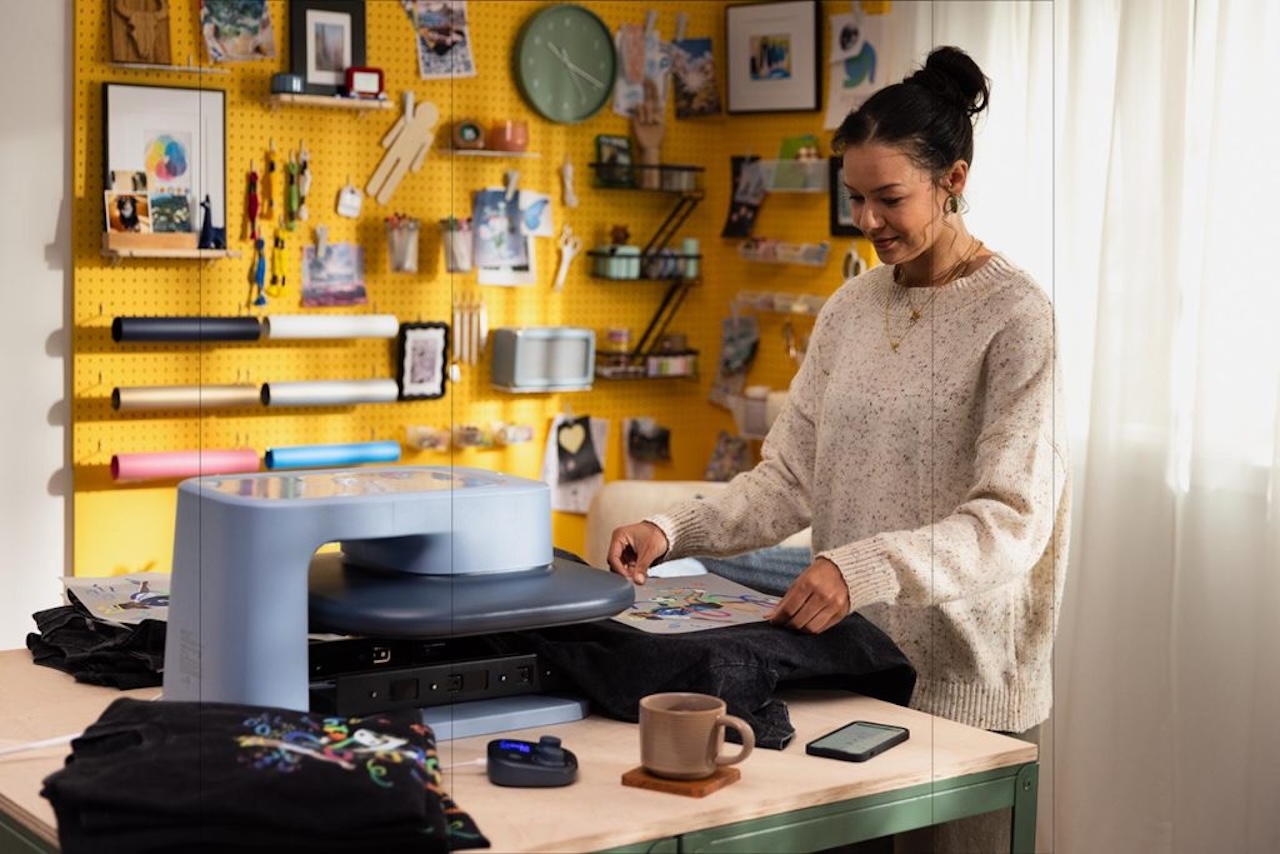
The Cricut AutoPress 2 sells for $379 on Amazon, against a $999 starting price for the original AutoPress. It also brings a larger 15 by 15 inch heat plate, adjustable pressure up to 220 pounds, and a slide-out tray in place of the original’s clamshell. For crafters who outgrew a handheld press but don’t need a commercial shop machine, the redesign matters as much as the lower price.
💡Price: $379
Where to Buy: Amazon
Cricut announced the machine on July 28. U.S. sales began that day through Amazon, which holds the press exclusively for its first 90 days, with Cricut.com and other online retailers scheduled to follow later this year.
A larger press changes the projects that fit on the table
The original AutoPress used a 12 by 15 inch plate. Cricut says the new 15 by 15 inch surface suits full-size apparel, hoodies, blankets, and high-volume projects, which is the kind of work that pushes a smaller plate into multiple passes.
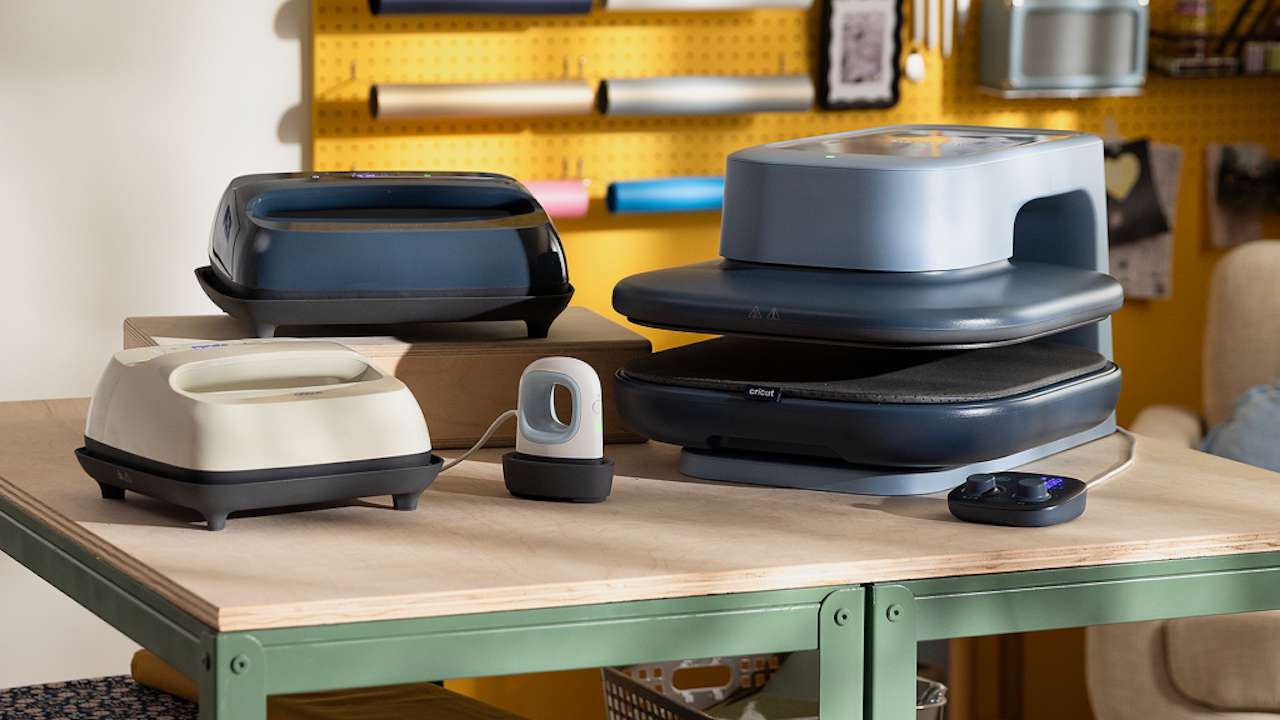
That extra width is the headline spec, but the bigger change is structural. Cricut says the AutoPress 2 drops the hinging clamshell design of the original for a slide-out tray, so the work area comes toward you for positioning and then moves back under the heat plate. Anyone who has tried to align a transfer inside a deep clamshell knows why that layout can save a project.
Adjustable pressure replaces the original’s fixed squeeze
Cricut says the AutoPress 2 supports adjustable pressure from 44 to 220 pounds. The company describes the original AutoPress as using roughly 50 pounds of fixed pressure. That range lets you tailor pressure for thicker blanks and different transfer materials.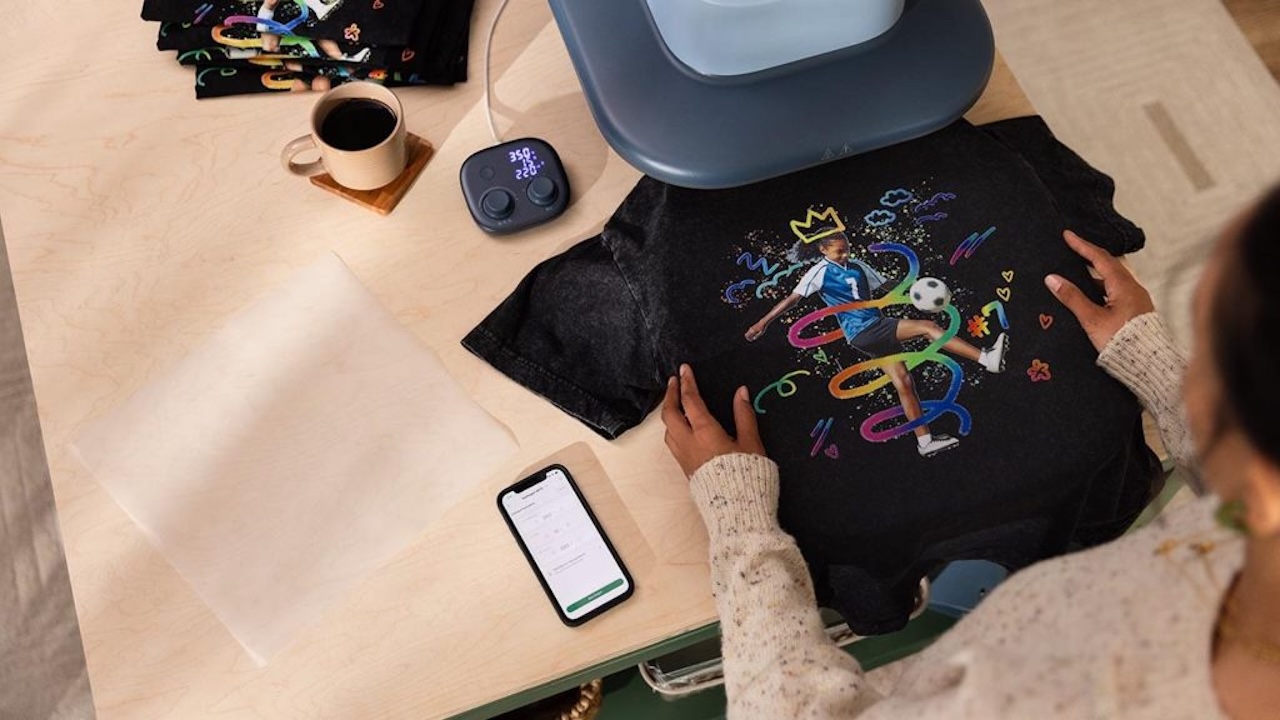
The machine also supports materials up to 1.8 inches thick, according to Cricut, which is slightly less clearance than the 2 inches the original AutoPress handled. The gain here is control, not capacity.
Thicker blanks are where a fixed pressure press usually stops being useful.
Zero Effort pressing now takes orders from your phone
Cricut built the AutoPress 2 around what it calls hands-free Auto Mode. The press closes and opens on its own once a project is loaded, and four customizable presets speed up repeat jobs. Cricut says the plate reaches 410°F, up from 400°F on the original.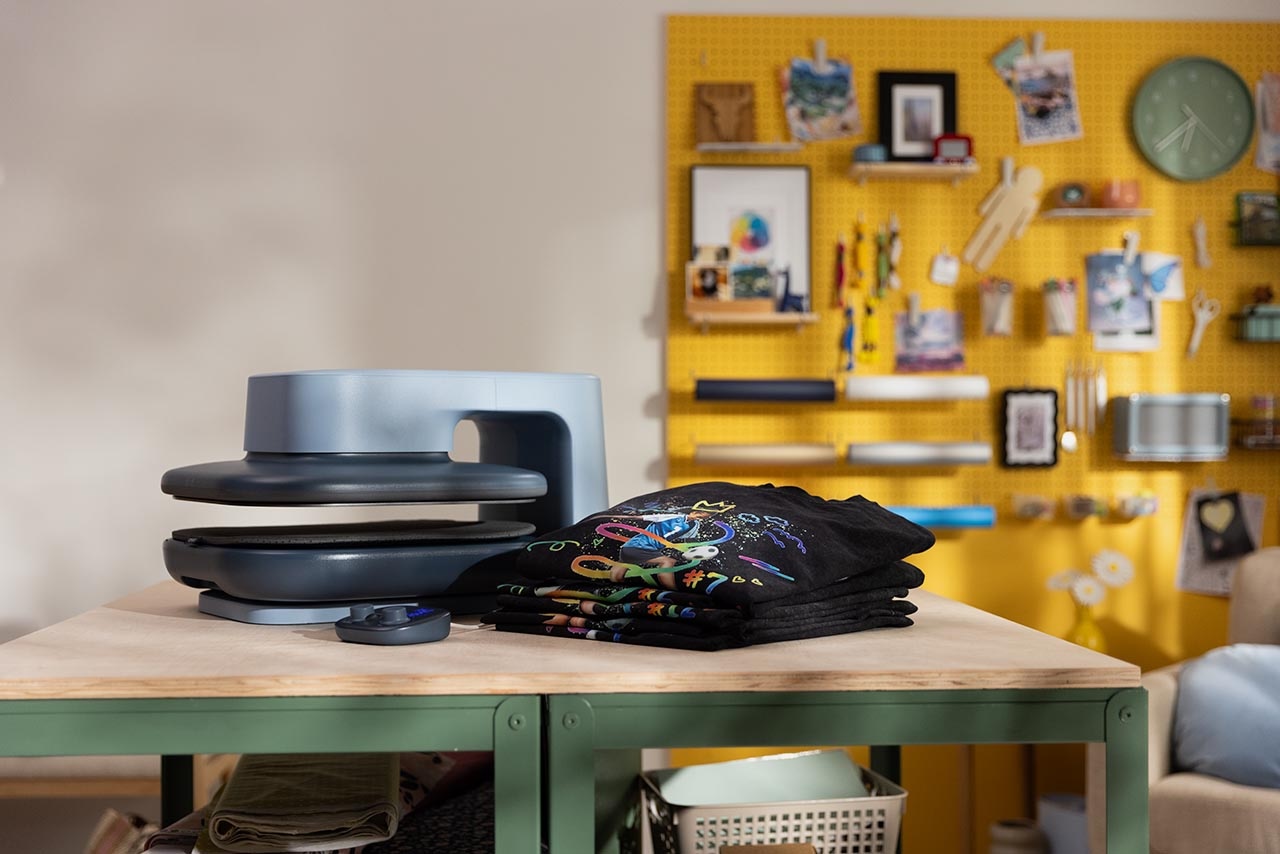
The quieter upgrade is Bluetooth, because the original AutoPress was never Bluetooth enabled. Sending time, temperature, and pressure from the Cricut Design Space mobile app is new to this model, and Cricut Heat Guide integration supplies the recommended settings for each material.
How the AutoPress 2 compares with the EasyPress and the original
Cricut positions the AutoPress 2 as tabletop equipment rather than a handheld tool. The company describes the EasyPress as a simple handheld heat press and the AutoPress line as tabletop machines, and that split decides whether you need this one at all. If you’re pressing one shirt at a time on a mat, the smaller tool still covers you.
The original AutoPress is the closer comparison. It used a 12 by 15 inch plate, weighed 53.2 pounds, heated from 170 to 400°F, and shut off after 13 minutes of inactivity, according to Cricut’s Help Center. Its pressure was fixed, and you closed it by hand rather than from an app.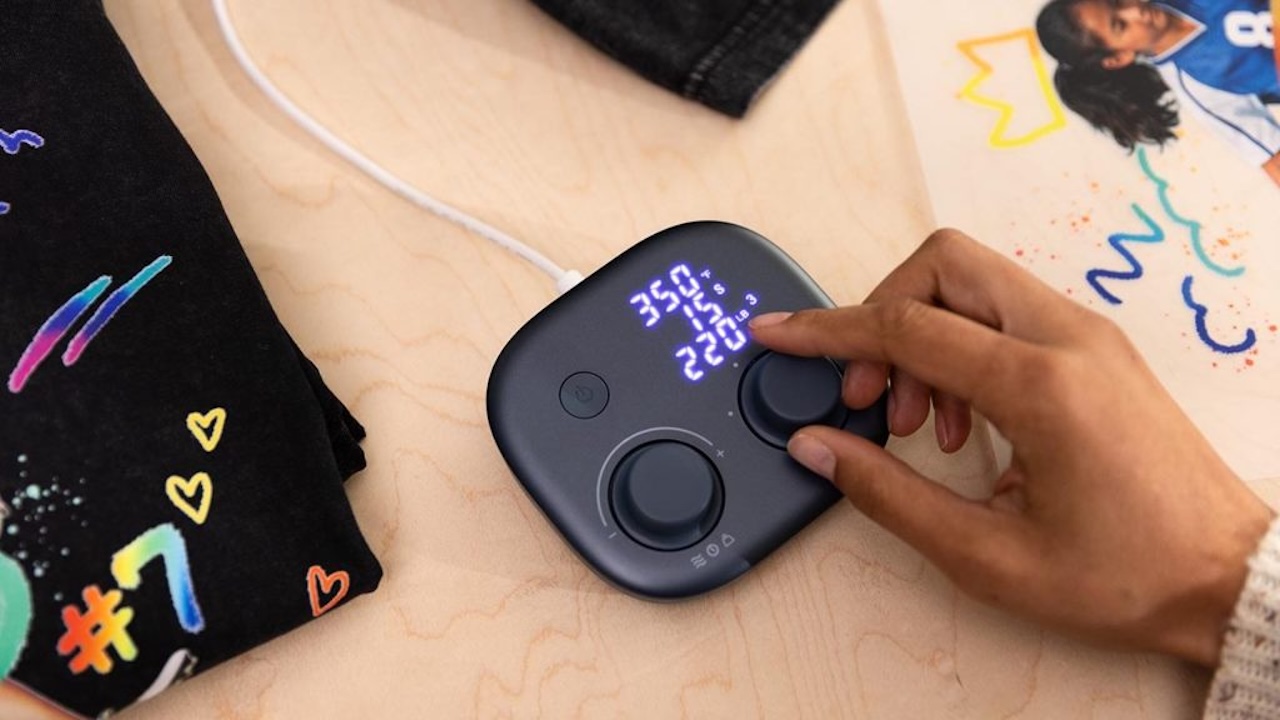
What $379 buys over that machine is width, control, and connectivity: three more inches across the plate, a pressure range instead of one setting, and app control the original never had. Cricut also claims even, edge-to-edge heat distribution across the new plate, which matters more as the surface grows. The tradeoff is clearance, down from 2 inches to 1.8.
TG take
The AutoPress 2 looks like Cricut correcting the two limits that define a basic heat press: too little workspace and too little control. A 15 inch plate and pressure range up to 220 pounds don’t make every project effortless, but they push this machine closer to the point where a serious hobby can stay at home instead of moving to a shared studio.

💡Price: $379
Where to Buy: Amazon
Buy it if your projects have outgrown a small press and you want repeatable settings without a commercial machine’s footprint. Wait if you only make occasional decals, because the larger work surface won’t repay its price on a few shirts a year. The pressure range is the spec worth deciding on here, not the plate size.
Auto Amazon Links: No products found.
