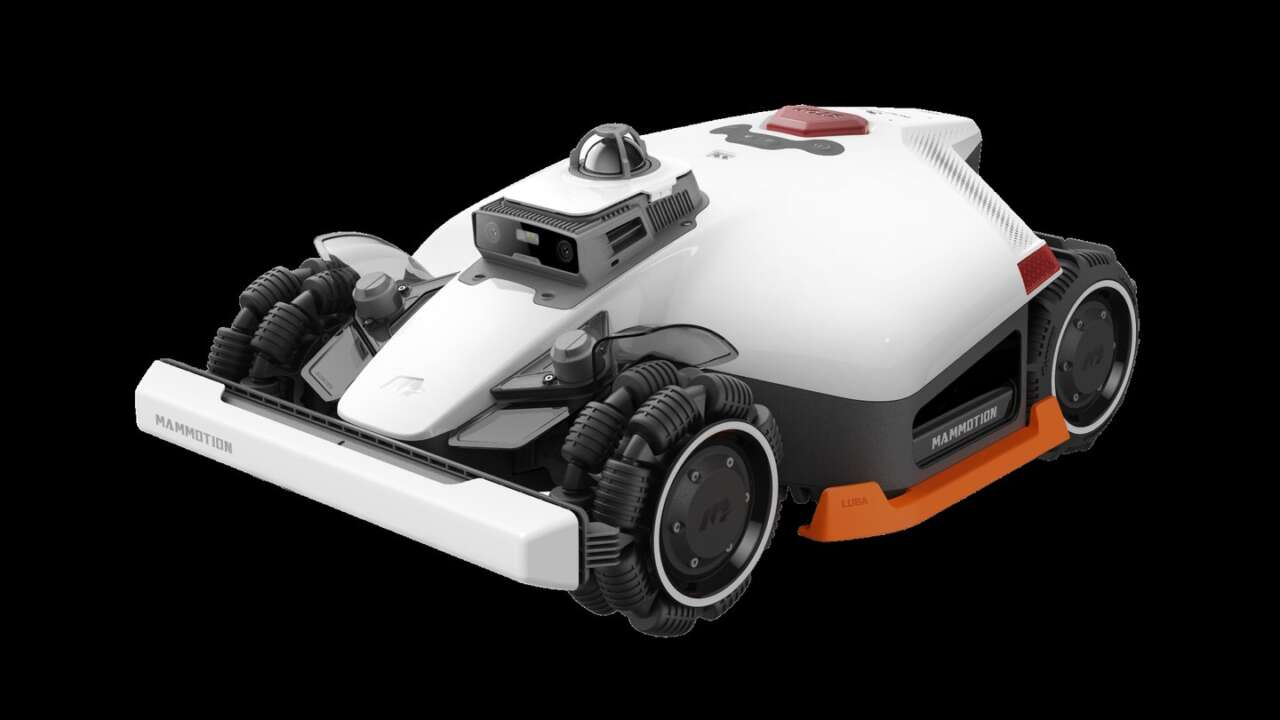
The mowing season ends quietly. The grass slows down, the robot runs less often, and one weekend the dock just sits there with nobody home.
That weekend decides whether the mower wakes up clean in March or spends spring waiting on a battery. Every maker publishes a winter routine, and most steps agree: clean it, charge it, bring the dock in, store it dry; The battery step is where they split, wide; Here’s the routine in the order you’d actually run it.
Know when the season is over
Roborock’s guide names three signs; Grass growth has slowed hard for 7 to 14 straight days, and the mowing pattern stays visible long after a cut. Nighttime temperatures hold at 41 to 46°F, or the first frost is in the forecast. The lawn stays wet and soft, standing water or leaves sitting on it for days; Don’t mow through frost, frozen ground, or snowfall to squeeze out one last cut.
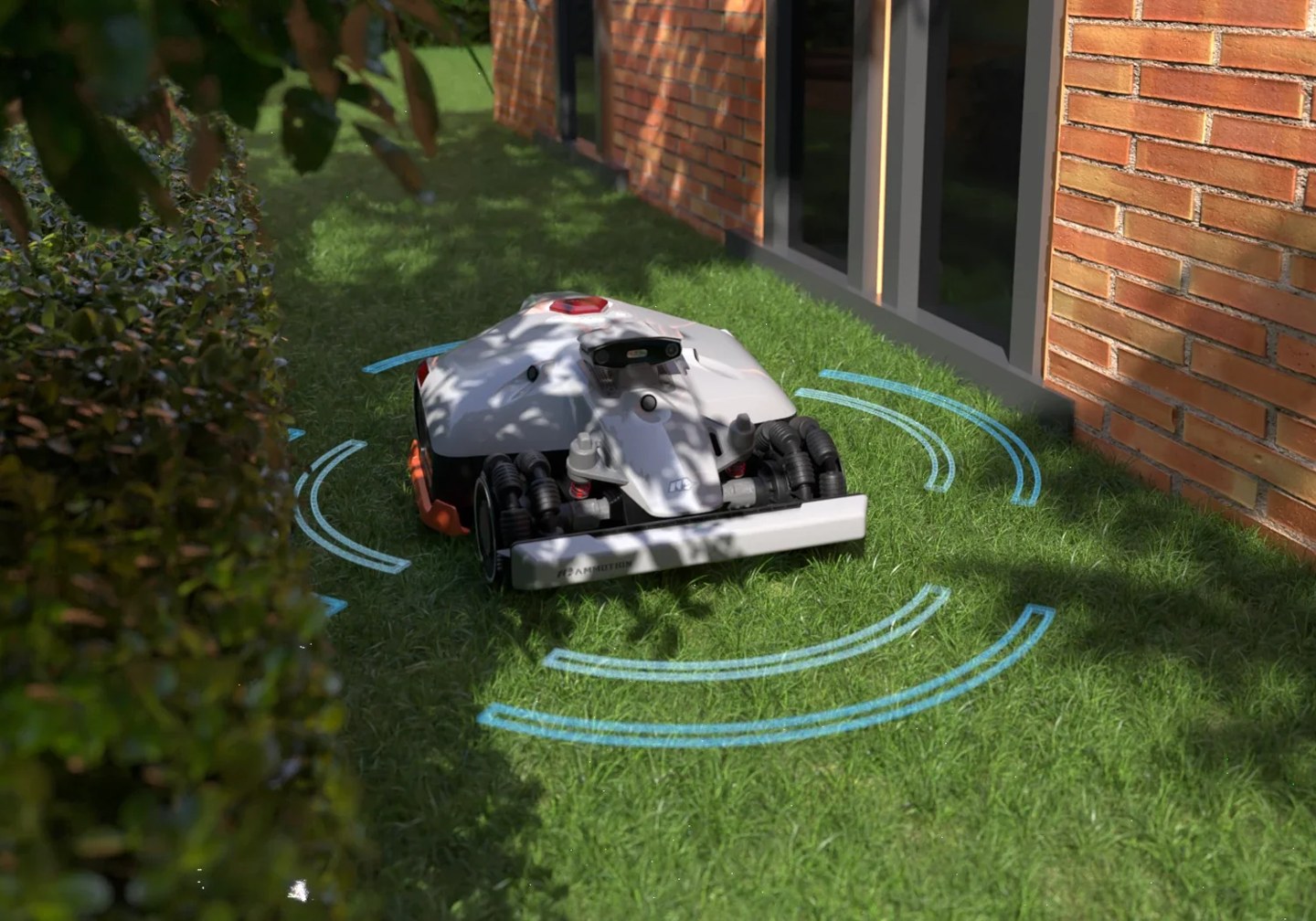
Roborock calls that out directly: frozen lawns damage easily, and a mower working them takes the beating too. Wait for the signs instead.
Leave the grass long on the last mow
Husqvarna’s first winter note is about the lawn, not the machine: don’t mow the grass too short before winter. Longer grass protects itself better through the cold.
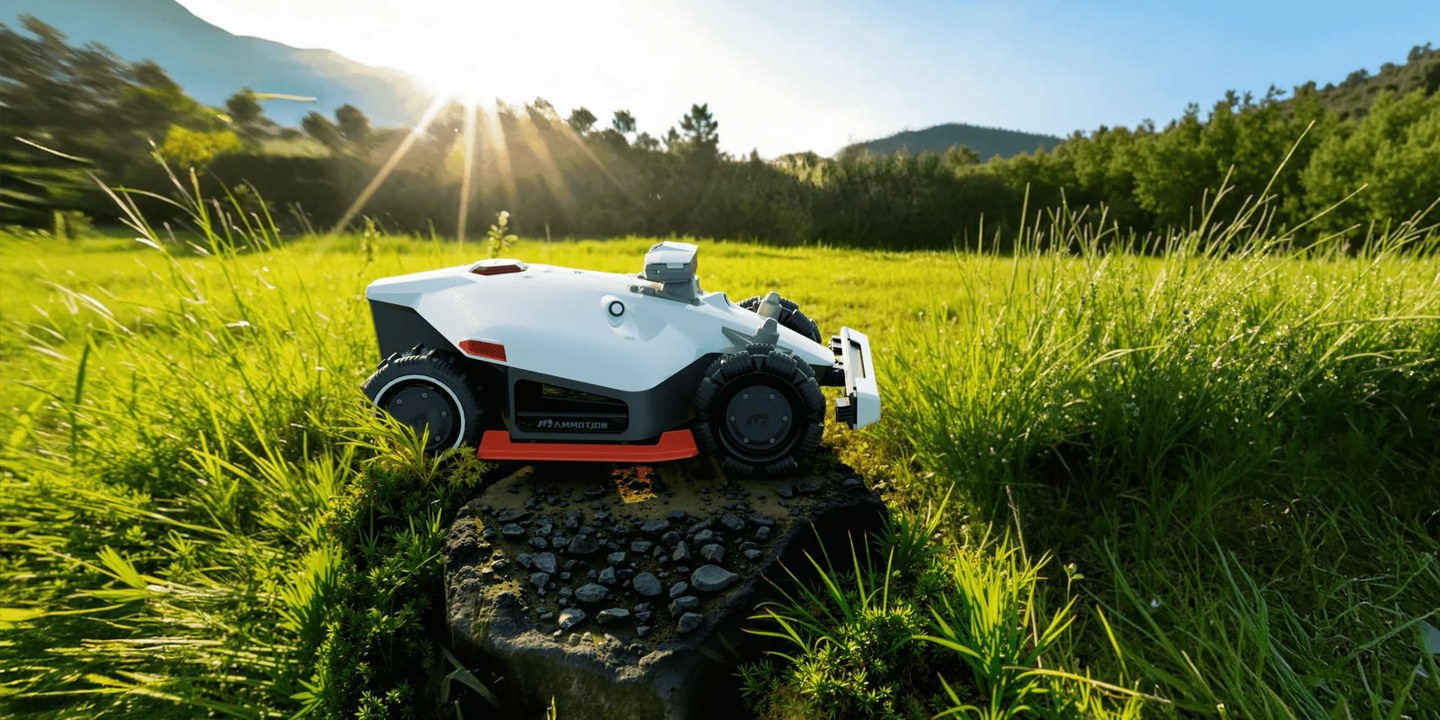
If the lawn got away from you in October, step the height down over several sessions instead of scalping it in one. Roborock’s rule is a third: never take more than one-third of the current grass height in a single session; Run that last mow when the grass and the ground are mostly dry, not right after frost or heavy rain.
Turn the schedule off first
Mammotion’s routine starts in the app, before any tools come out. Disable every scheduled mowing task so the mower can’t start itself while your hands are under it; Do the same in any brand’s app. Husqvarna owners get one extra decision at this step. Keep GeoFence active if the mower will be stored inside its GeoFence area; If it’s moving outside that area for the winter, disable GeoFence before you turn the mower off; Then power the machine down.
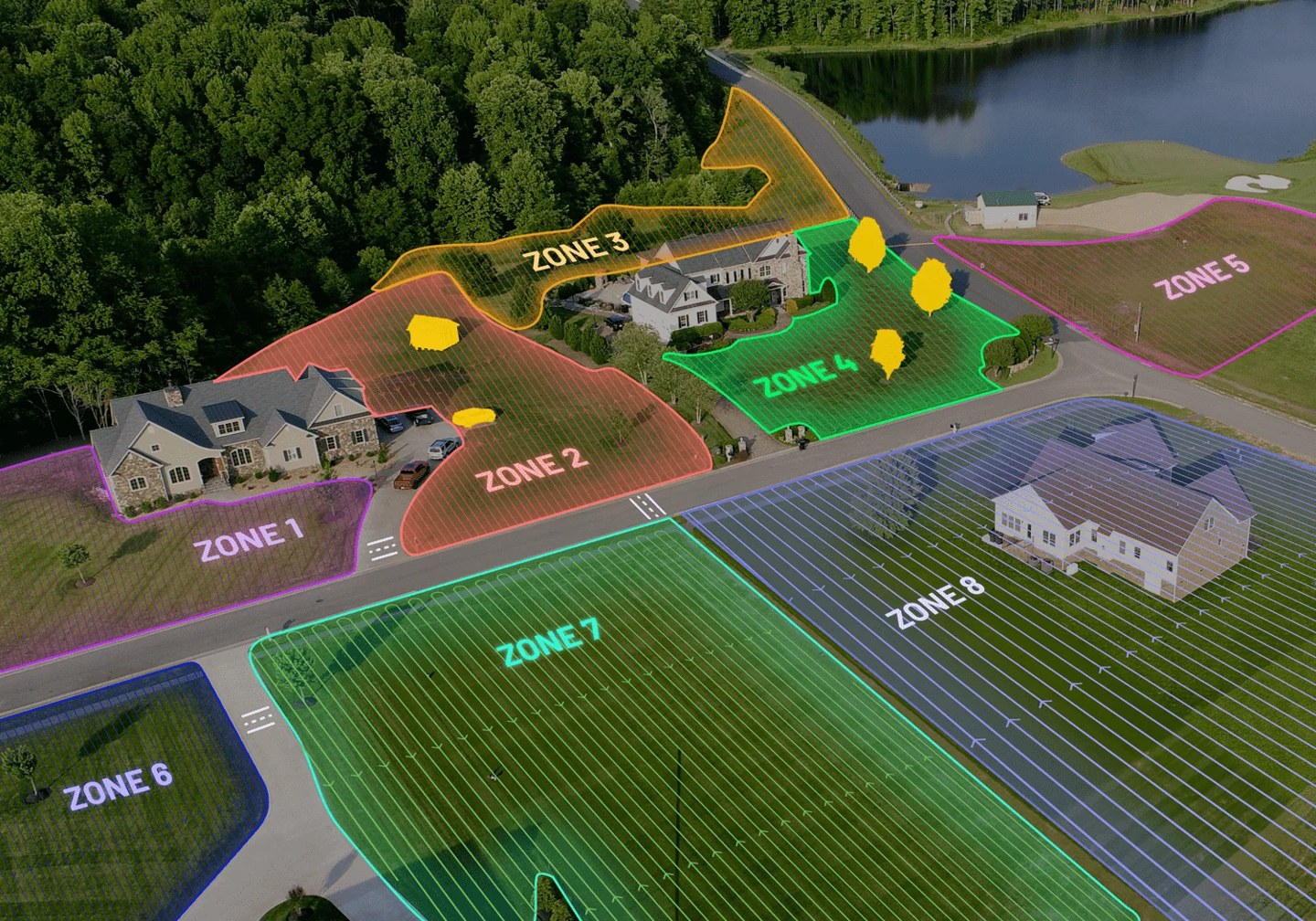
Every maker’s cleaning steps start with the mower off. Roborock adds one check first: the compartment cover screws fully tightened, sealing the mower before water gets near it.
Clean it like it’s going on a shelf
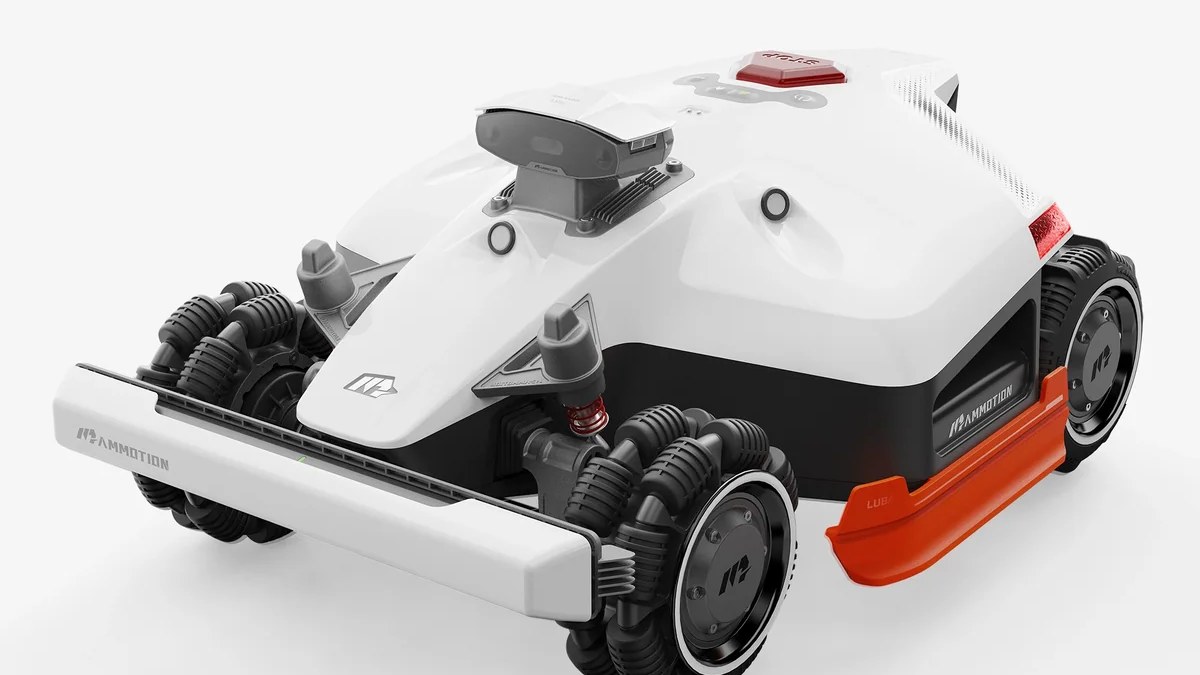
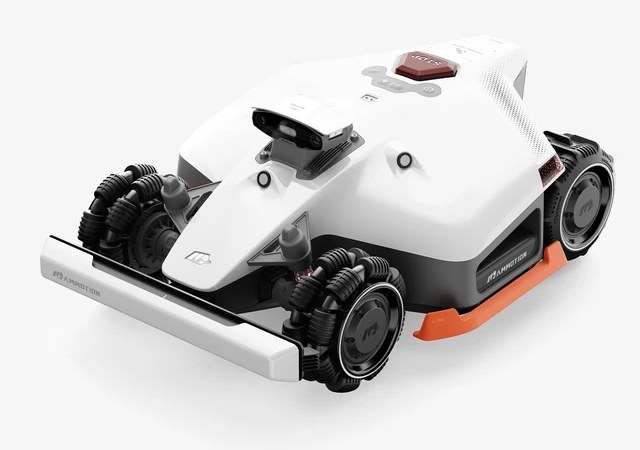
Flip the mower gently onto a cushioned surface, and keep pressure off the vision module while it’s upside down, Mammotion’s warning. Gloves go on before hands go near the deck.
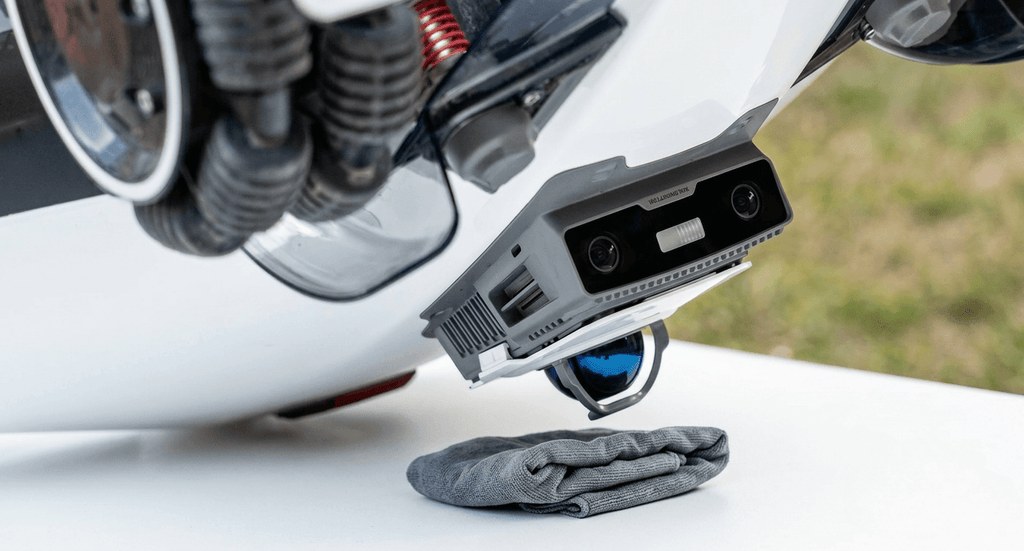
Brush the undercarriage clear of packed grass and mud. Husqvarna’s cleaning list runs the body, the chassis, the blade disc, and every moving part. Mammotion adds the front bumper: pop it off, brush out the connection ports, dab a little WD-40 on them for protection, and reinstall the bumper once everything is dry.
Water stays low-pressure; A garden hose is fine on the underside, and Mammotion allows a low-pressure washer. A high-pressure washer forces water into electronics and seals, and both Mammotion and Roborock ban it outright.
Cameras and sensors get a cloth instead of the hose. Roborock’s method: dampen the camera lenses first, then wipe them with a soft cloth, and give the LiDAR sensor the lint-free cloth; Wipe the mower’s charging contacts with a soft, dry cloth. Then let the machine dry completely before storage; after a wash, Mammotion wants it upright for at least 30 minutes, longer if the deck still feels damp.
Blades off, or blades fresh
Gloves stay on for this part. On a LUBA, double-click the cutting button first to drop the disc to its lowest position.
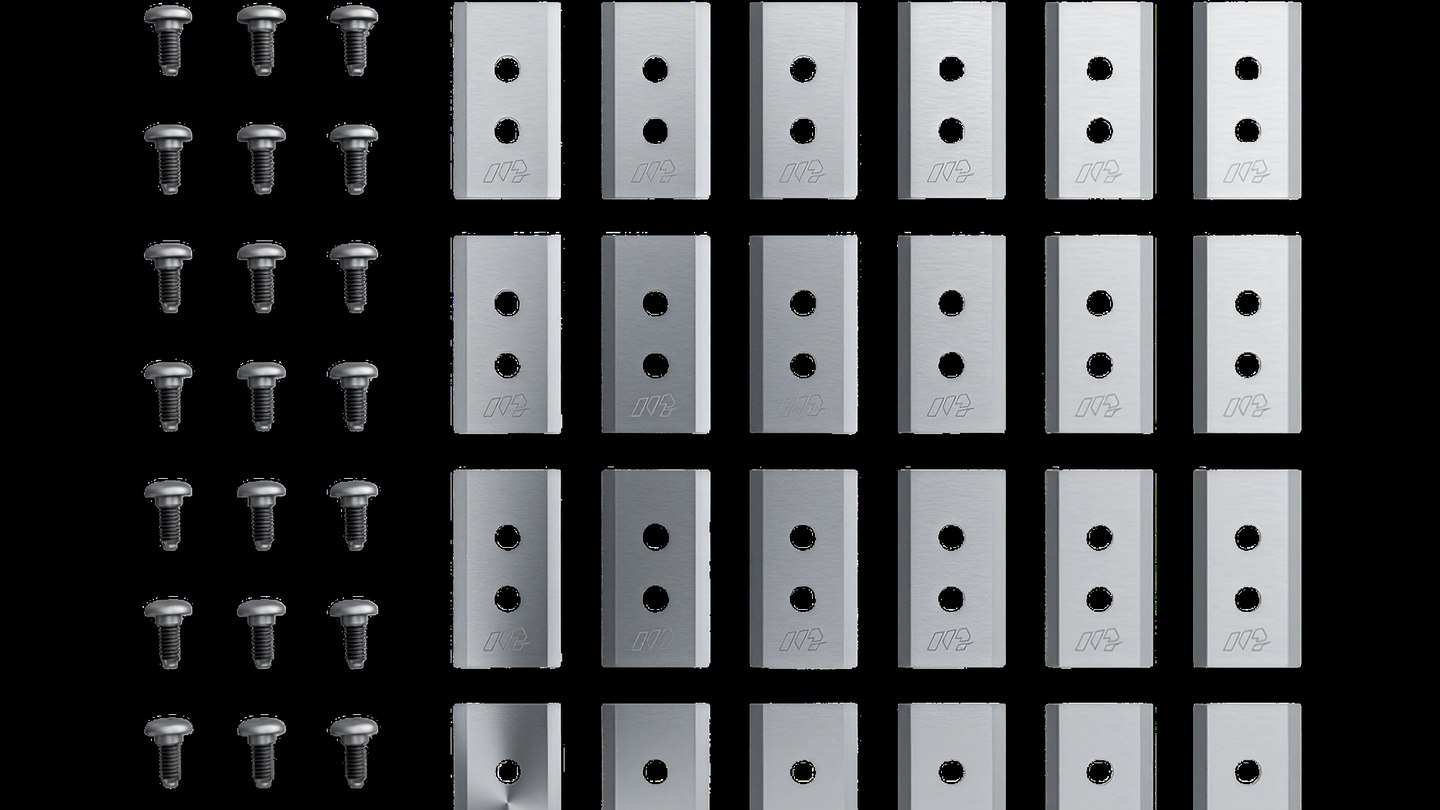
On a Mammotion, a Phillips screwdriver takes the blades and the cutting plate off together. While it’s open, inspect the lifting seal sleeve for damage, and check that the adapter bracket nuts are tight; The plate goes back on with new blades when the old set is spent, screws snug, every blade spinning free.
Husqvarna Endurance Automower Blades (595084411)
Price: $25.09
Where to buy: Buy on Amazon
Navimow’s guide pulls the blades off before the wash; Roborock removes blades and screws and replaces them as a set in spring instead of storing fresh ones on the machine. Husqvarna asks for a wear check: blades and bearings inspected before storage, wheels rotated by hand, listening for squeaks from the wheel bearings.
Each brand sets its own battery number
This is where the manuals split, so use the number printed for your brand instead of a generic lithium rule from a forum; Husqvarna: charge it fully, then switch it off; Most Automowers need nothing else all winter. Husqvarna rates the packs for up to 18 months of storage without a recharge, and only some older models ask for a charge every three months.
Mammotion: at least 80% before storage, and several of its models’ manuals ask for a full charge instead, so check yours; Drive the robot off its charging station in the app once it’s charged. Then set a date: recharge at least every 90 days, back up to 80%, or to full where the manual asks for full.
Segway Navimow: at least 85%, then hibernate. Hibernation is a setting in the app, not a plain shutdown. It draws less power than switching off, and a hibernating mower wakes in spring only after a charge.
Skip hibernation and the recharge cycle is every three months. Segway prints the same pair of steps in every winter guide it publishes, from the i1 up to the X4.
Roborock is the outlier at 50 to 70%. A long sit at 100% or near empty costs capacity the pack won’t get back, so its mowers store mid-charge at room temperature, 59 to 77°F. Don’t leave it plugged in while it sits, and don’t charge it below 39°F; bring it indoors first; One line every maker shares: never store the mower flat; Mammotion spells out why. A pack left empty for months can deep-discharge past the point it recovers from.
Bring the dock in too
Husqvarna brings the charging station and the power supply indoors and leaves the boundary wire and guide wire in the ground. Disconnect the wires at the station, protect the ends (Husqvarna sells a connector box, and its manual suggests a container with grease), and tag each wire so reconnecting in spring takes minutes.
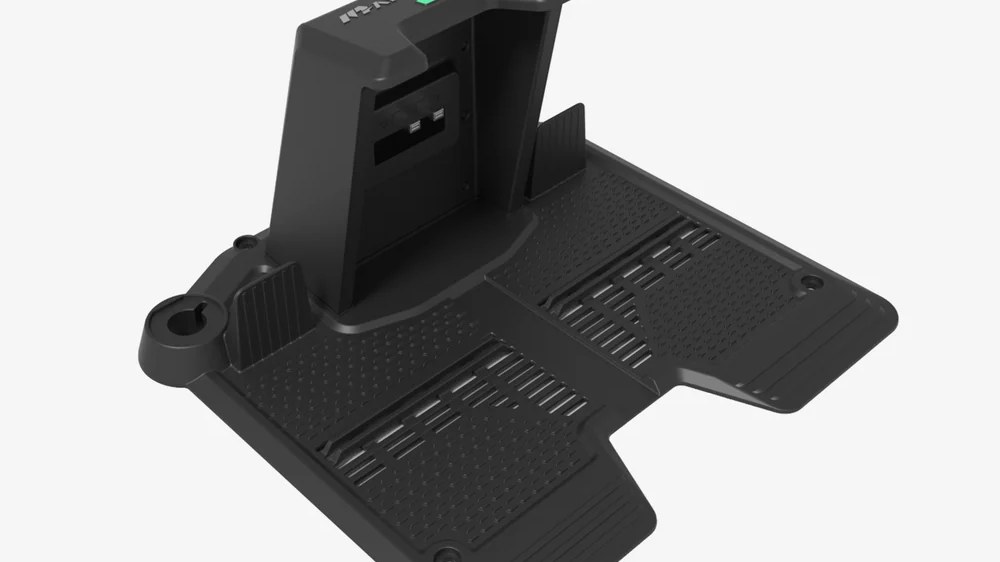
If the station has to stay outside, it stays connected to the mains and the wires for the whole winter. Mammotion disconnects everything.
Power, cables, and accessories come off the charging station, then the station gets brushed, wiped with a damp cloth, and dried thoroughly before it goes indoors with the mower. Dirt left on the contacts corrodes over a winter; Mammotion scrubs now so charging stays stable next season. Navimow ships four silicone pegs in the box for exactly this job.
Unplug the station, back out its four screws, and press the pegs into the ground where it sat, so next season’s install lands in the same spot. Disconnect the station and antenna cables, then pack the mower, station, antenna, and cables into the box. A Navimow Garage, if one’s fitted, comes off the station and stores with the rest; Roborock splits its station in two; Unplug it, rinse the base plate, and wipe the charging contacts and docking markers clean.
The upper part of the station comes off and stores indoors. The base plate can stay outside all winter; Its cables come off and store indoors in a dry place too.
Antennas stay where they were surveyed
RTK setups punish casual moves; Roborock says leave the reference station in its original position and put a protective cover over it; move it, and the lawn gets remapped in spring. Navimow covers a wall or roof antenna with a plastic bag or protective cover against rain and dust. A ground-mounted Navimow antenna loses its head and pole to storage while the base stays exactly where it is, and moving that antenna means a new map too.

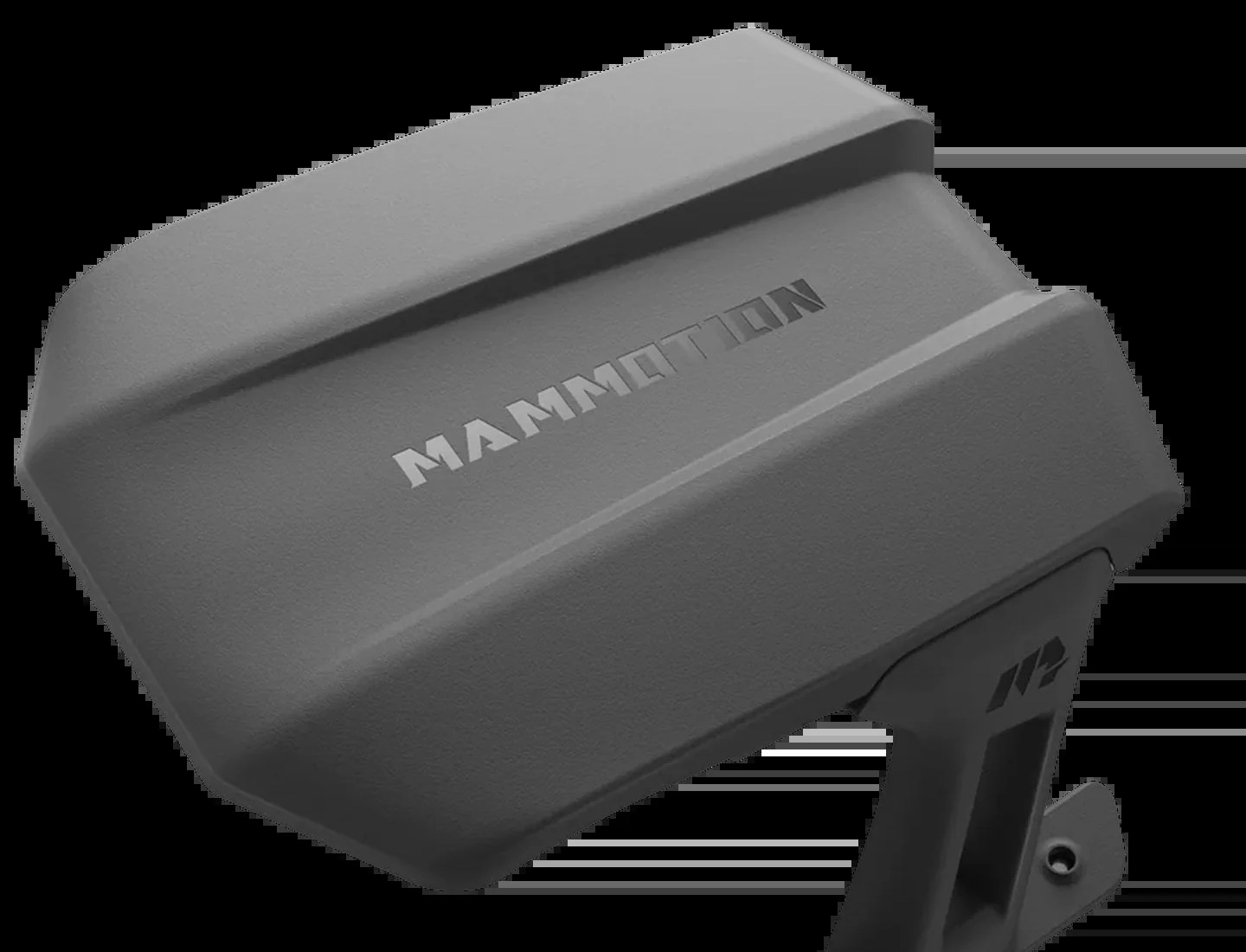
Mammotion’s manuals fold the RTK reference station into the same routine as the mower and its charging station: all three get stored properly rather than left to winter outside on their own. Its surveyed spot is part of the map.
Store it dry and on its wheels
Every maker lands in the same place: indoors, dry, frost-free. Husqvarna wants mower and charging station above freezing, parked on all of their wheels on level ground, or hung on the Automower wall hanger; Navimow gives its storage band as 41 to 113°F. Roborock’s room-temperature figure is 59 to 77°F.
Robot Lawn Mower Cover, 420D Heavy Duty
Price: $19.77
Where to buy: Buy on Amazon
The mower goes in dry, on a flat surface, covered or in a dust-free spot, with nothing heavy stacked on top of it. An unheated shed that freezes and runs humid fails Mammotion’s version of indoors, even though it’s technically under a roof; Keep kids and pets away from it while it sits.
Check on it once a month
Roborock’s winter inspection is monthly, and its list starts with the room. Check the storage spot for dampness and condensation. Check the mower for rust, mold, or insect damage, and confirm nothing has tipped it over or stacked weight on it.
Check the battery: on a Roborock, if it’s dropped below 50%, charge it back into the 50 to 70% band and power it off again. After severe storms, Roborock adds an outdoor check: inspect the base plate and the RTK reference station for snow, ice, standing water, and fallen branches before anything gets powered back on. The Mammotion 90-day recharge and the three-month Navimow top-up, for mowers that didn’t hibernate, land on the same calendar visit.
Spring runs the list backwards
Clear the lawn first: branches, stones, hoses, toys, and the rest of what winter dropped on it; Husqvarna’s restart order runs station back in place, wires connected, power connected, and a green light showing on the charging station. Roborock starts one step earlier: the station and its accessories should be clean and free of oxidation before power goes anywhere near them; Blades and screws go on as a fresh set.
Check the Wi-Fi connection and run the firmware update before the first real mow. A Navimow comes out of hibernation only after a charge.
A Husqvarna has to sit fully charged before it will leave the charging station; Run the first mow at a higher height and work down over a few sessions, following the same one-third rule. Roborock wants the first 10 to 20 minutes supervised: leaving the station, returning to charge, obstacle avoidance, edge cutting, emergency stop. Check that the map, the no-go zones, and the schedule still match the yard you actually have now; One dry afternoon covers all of it.
Done before the first hard freeze, spring startup takes ten minutes. Skipped, spring starts with a dead pack and a parts order.