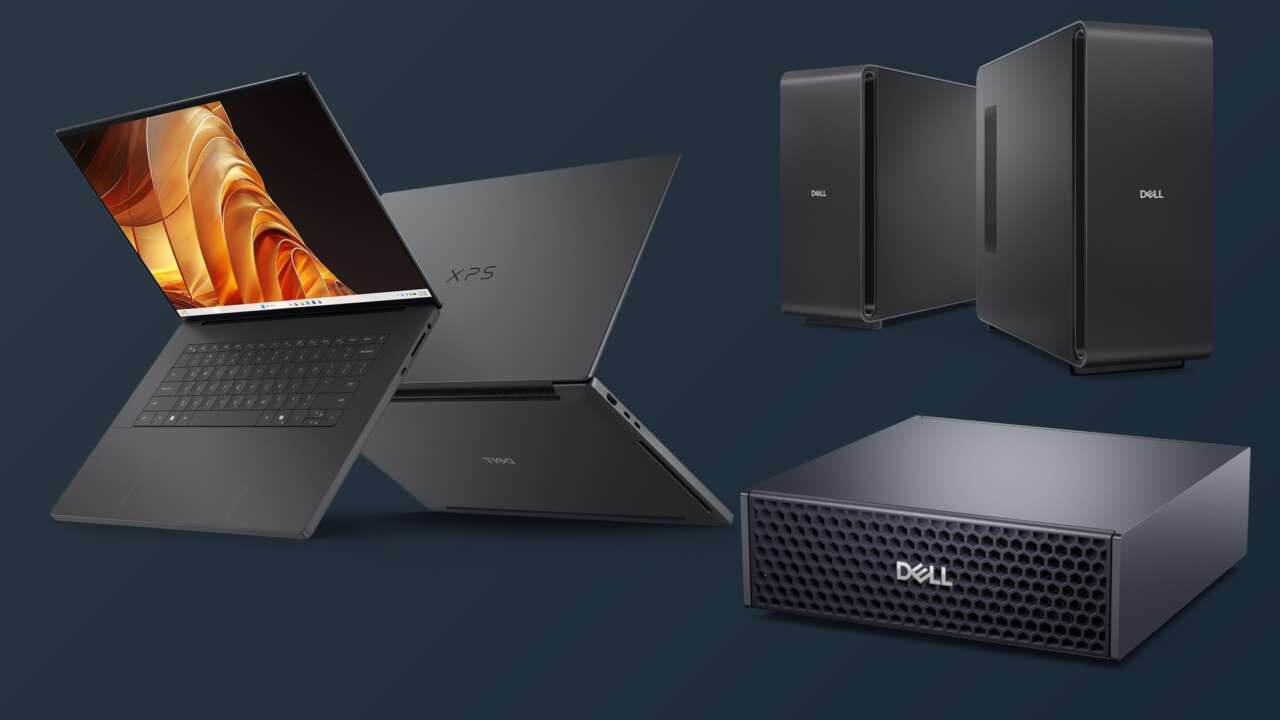
Dell’s new XPS 16 Creator Edition puts up to 128GB of memory within reach of both its CPU and GPU. That shared capacity gives large local AI models, complex 3D scenes and demanding video projects more room than a smaller graphics-memory allocation. The laptop is just 17.8mm thick, and Dell says U.S. preorders start October 7 at $3,799.99 through Best Buy.
It’s the portable member of a three-part announcement. A compact Dell Creator Edition Desktop takes the same RTX Spark platform to a desk, while the much larger Dell Pro Precision with GB300 is getting Windows support for enterprise AI development. Those two are coming later; the XPS is the one Dell is opening for preorders now.
Price: $3,799.99 for 32GB/512GB
Where to buy: Best Buy preorder
The XPS gets a shared memory pool and useful ports
RTX Spark brings an Arm-based NVIDIA Grace CPU and Blackwell RTX graphics together with unified memory. Dell lists configurations with up to 20 CPU cores, up to 6,144 GPU cores and up to 128GB of that shared memory. The $3,799.99 Best Buy preorder configuration has 32GB of memory and a 512GB SSD; the 128GB figure is the range’s maximum.
For a creator, the practical appeal is giving graphics and AI workloads access to a much larger pool than the dedicated video memory in many laptops. Memory capacity still isn’t a speed measurement, but it changes the size of the project or model you can fit on the machine. Dell also includes NVIDIA’s CUDA stack, which is important for developers working with software built around NVIDIA GPU acceleration.
The connections deserve attention of their own. Dell’s published port list includes:
- Three USB4 Type-C ports, rated up to 40Gbps, with DisplayPort 2.1 and Power Delivery
- HDMI 2.1b
- A full-size SDXC v7.1 card reader
- A universal audio jack
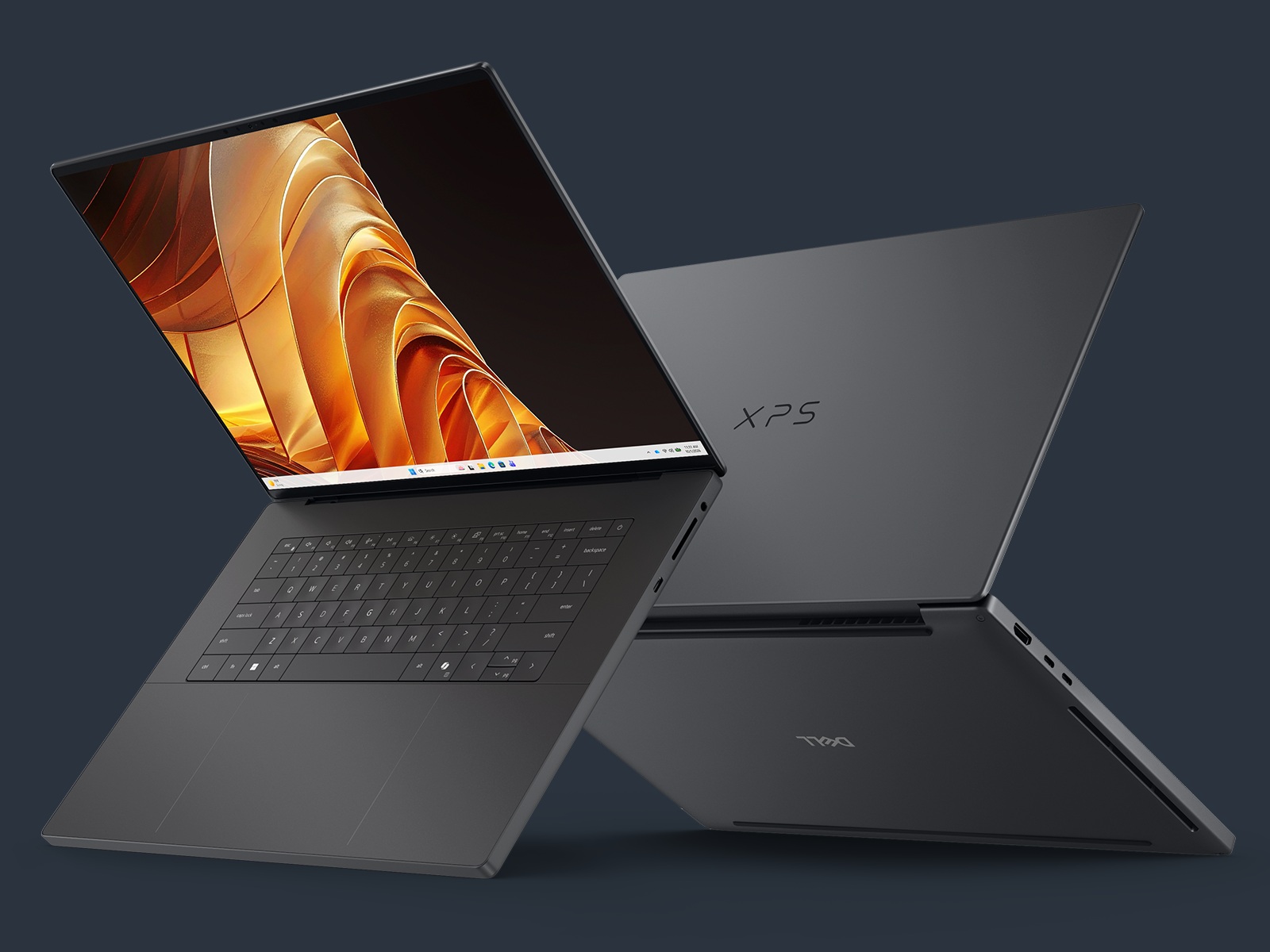
That full-size card slot is particularly useful for photographers and videographers. You can bring camera footage straight into the laptop without making a card-reader dongle part of every shoot. HDMI adds a direct connection for a separate display, and Dell says any of the three USB-C ports can handle charging. There’s no USB-A port in the announced list.
A tandem OLED screen for the work in front of you
The 16-inch display is a 3200 × 2000 tandem OLED panel with a variable refresh rate from 20Hz to 120Hz. It can drop its refresh rate when the image is static and raise it for smoother motion.
Dell specifies 100% DCI-P3 coverage, factory calibration to Delta E below 2 and Pantone Validation. The screen also carries VESA DisplayHDR True Black 600 certification, with peak brightness listed at up to 1,000 nits. Peak brightness describes the panel’s brightest highlights; it isn’t a promise of sustained full-screen brightness.
The chassis uses CNC-machined aluminum and a glass touchpad. Dell says its cooling design includes a wider 8mm heat pipe and its largest, thinnest XPS fans yet. That’s an engineering change worth testing once review units arrive, especially when the laptop is rendering or running an AI workload for more than a few minutes.
Windows software takes two routes
The processor architecture makes application support part of the buying decision. Dell says Blender, DaVinci Resolve, Adobe Photoshop and Adobe Premiere run natively on RTX Spark Windows PCs. Existing x86 applications can run through Microsoft’s Prism emulation, with MATLAB among Dell’s examples.
For gaming, the announcement includes support for Easy Anti-Cheat, BattlEye and the Xbox PC app, alongside NVIDIA ray tracing, DLSS and Reflex. That gives the platform several important pieces of the Windows gaming ecosystem. Individual game and plug-in compatibility still depends on the software you use, so a working native application doesn’t establish that every extension or game in your library is supported.
Developers also get support for tools including GitHub Copilot, Claude Code, ComfyUI and Cursor. The draw is a single Windows machine that can move between creative applications and local NVIDIA-accelerated AI work.
The desktop is built to stay at the desk
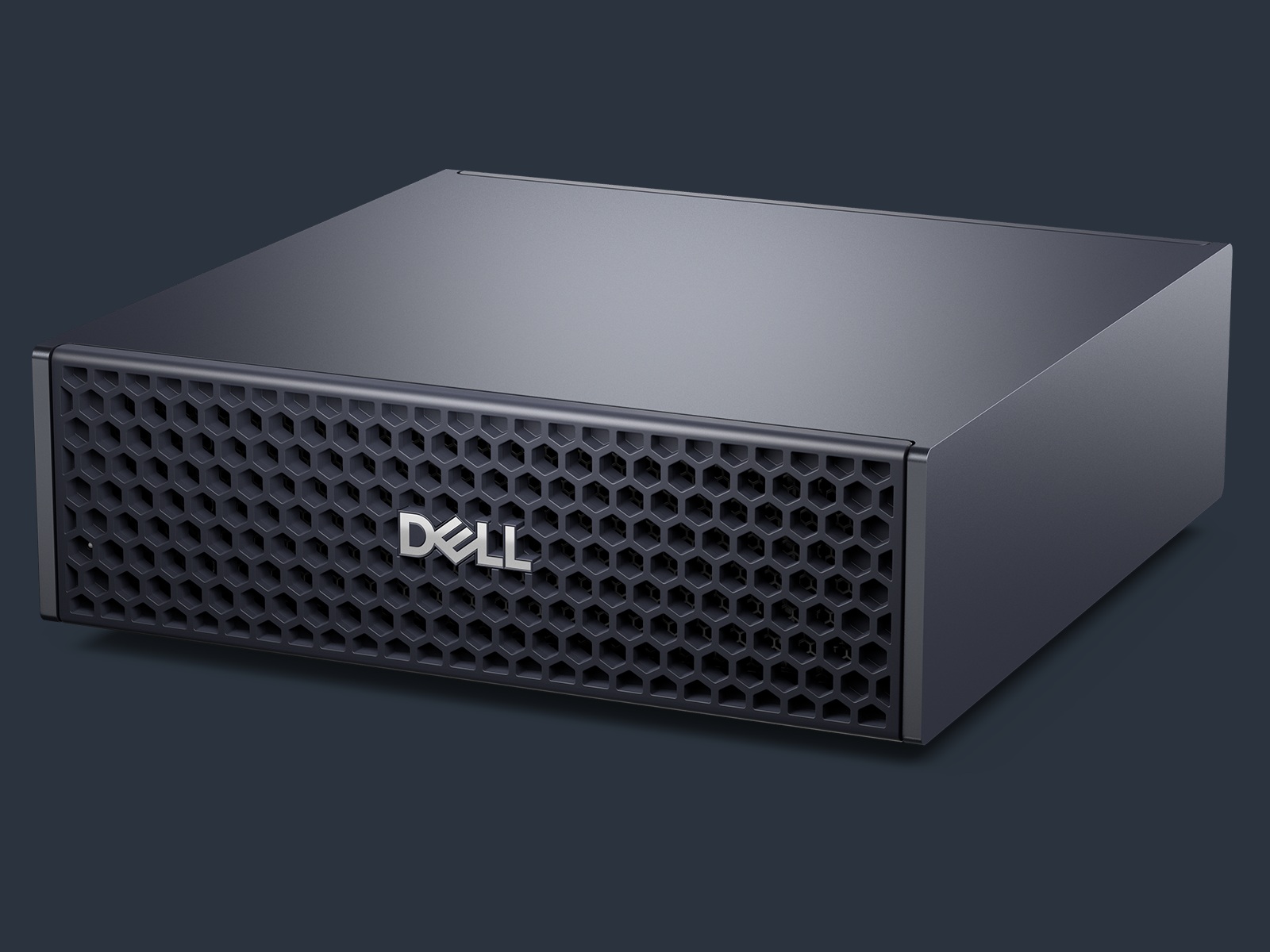
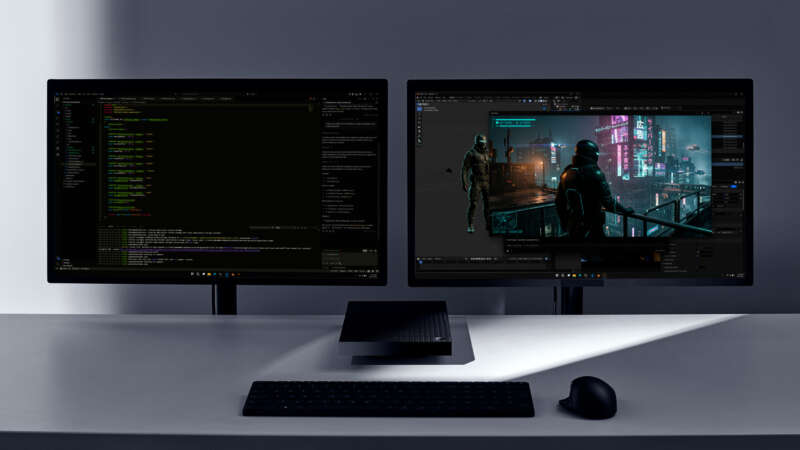
The Dell Creator Edition Desktop pairs RTX Spark with up to 128GB of unified memory in a compact enclosure. Dell positions it for longer renders and continuous local AI jobs, with more thermal headroom than the laptop.
Its published performance ceiling is up to one petaflop of FP4 compute, and Dell says it supports AI models with up to 200 billion parameters. FP4 is a low-precision AI calculation format, so that figure shouldn’t be read as a general-purpose processing-speed score. Model size alone also doesn’t tell you how quickly a particular model will respond.
Dell hasn’t put a price or a firm release date in this announcement. The desktop remains “coming soon,” so there’s no preorder offer to attach to it yet.
GB300 brings a different scale of AI hardware
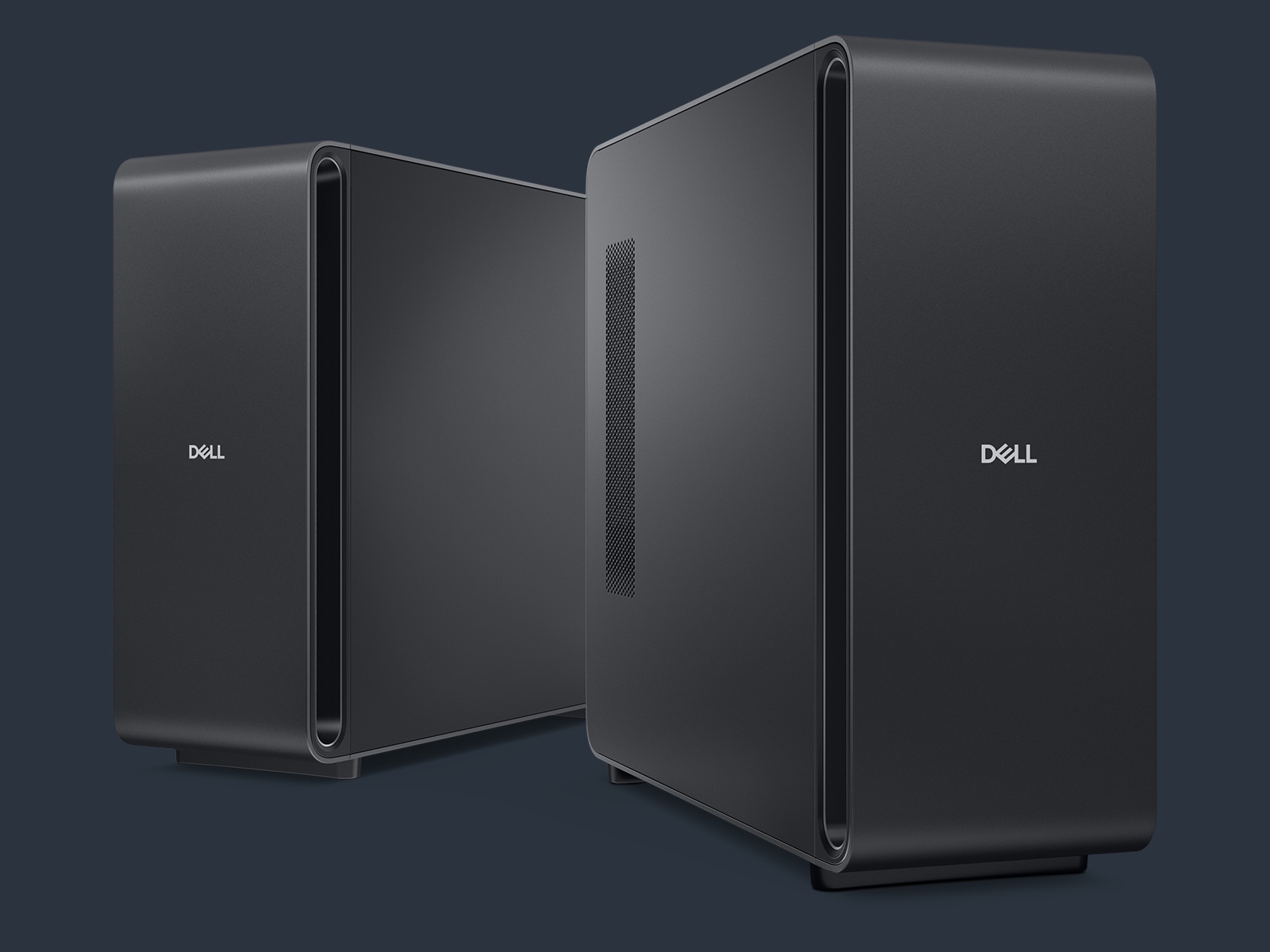
The third system is for teams whose projects are far beyond a creator laptop. Dell Pro Precision with GB300 combines the NVIDIA Grace Blackwell Ultra Desktop Superchip with 748GB of coherent memory. Dell rates it at up to 20 petaflops of FP4 compute and says it can support models with up to one trillion parameters locally.
The October announcement is that Windows is coming to this deskside system. Windows Subsystem for Linux gives developers access to Linux AI frameworks and NVIDIA’s CUDA ecosystem alongside their Windows applications. Dell is also moving the former Pro Max with GB10 and Pro Max with GB300 names under the Pro Precision brand.
Price: $3,799.99 for 32GB/512GB
Where to buy: Best Buy preorder
For most Gadgeteer readers, the XPS 16 is the immediate buying question. Its combination of a large shared memory pool, tandem OLED screen and built-in camera-card reader makes a clear pitch to creators who want NVIDIA’s AI tools in a portable Windows machine. The desktop and GB300 extend that idea to sustained desk-based work, but their pricing and release dates are still to come.