
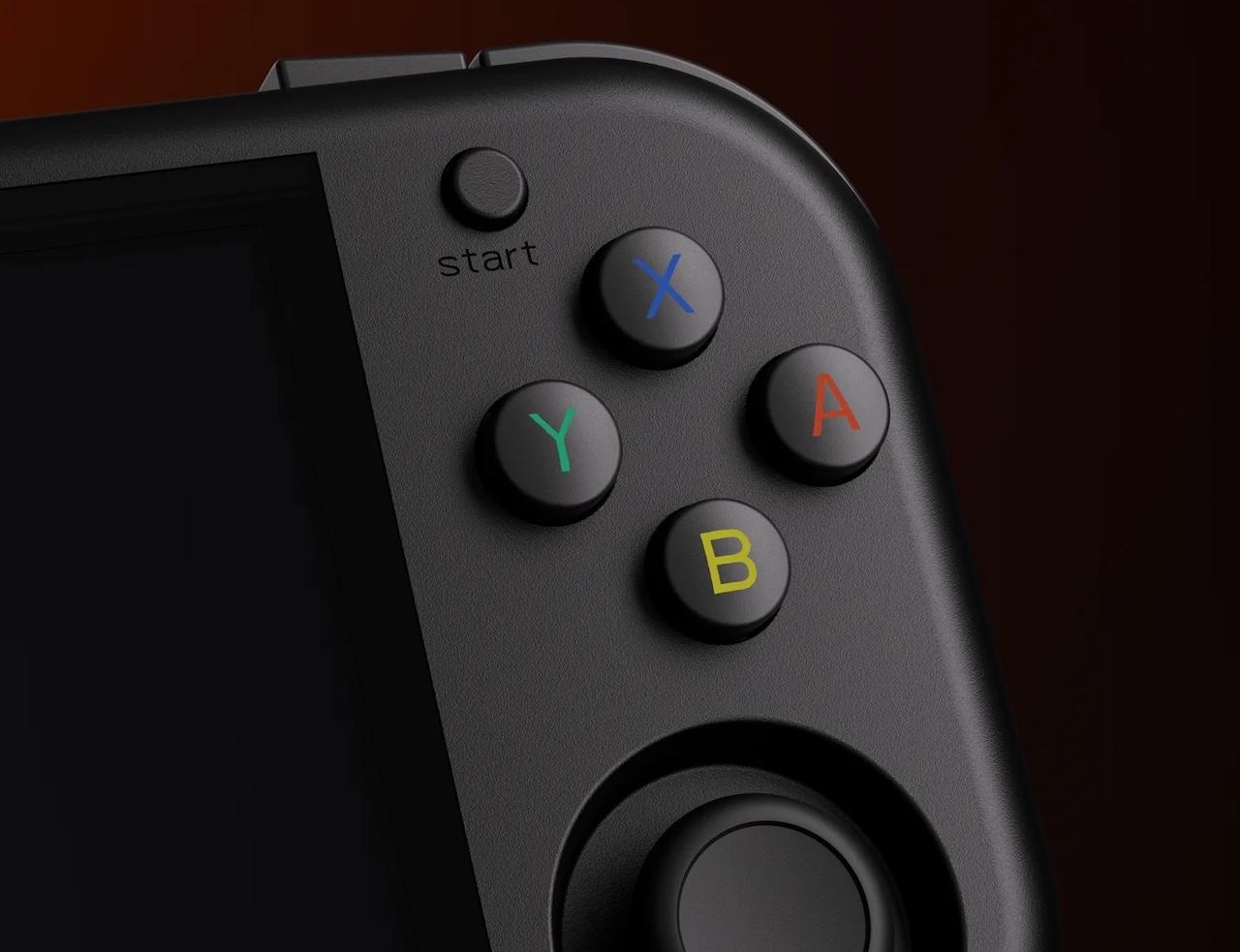
MagicX wants you excited about a screen and patient about everything else. The Mini Dream broke cover on July 23, 2026 as the company’s first handheld built around a custom 3.3-inch OLED, and that panel is the entire reason anyone’s paying attention. Price starts at $80. The catch shows up fast.
That tension sits right there. A gorgeous display and a firm price band are public, while the processor, the battery, and nearly every figure that decides real performance stayed behind the curtain.
What MagicX Actually Confirmed
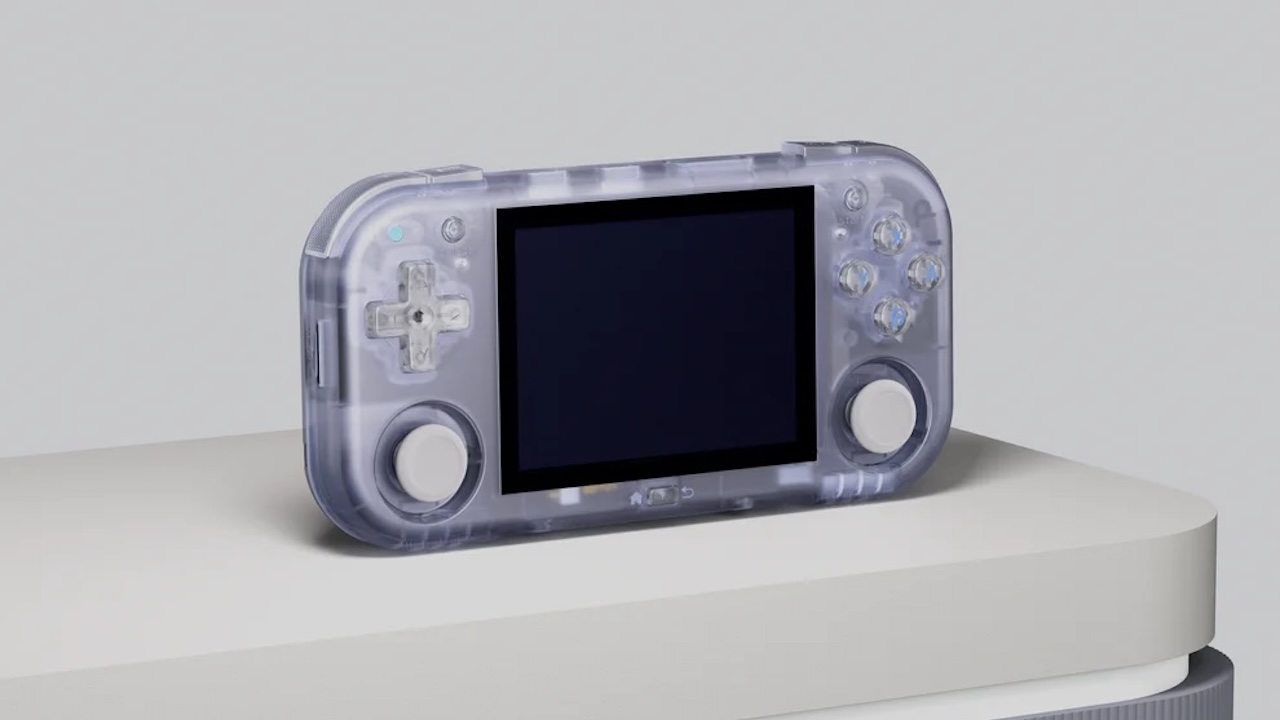
Strip away the noise and the confirmed list is short. The Mini Dream is built around a custom 3.3-inch OLED that runs at 1024 by 768, the headline part and the reason it’s turning heads.
The construction reads premium for the money. A full-glass front cover color-matched to the shell, styled close to the Retroid Pocket 6, lets the whole face sit as one continuous sheet of glass rather than a screen dropped into plastic.
Pricing is the other hard fact. Two versions are coming, Linux and Android, from $80 to $180 before shipping, and everything past that stays a blank.
Why the OLED Is the Whole Pitch
OLED is rare air down here. Most pocket handhelds near $80 still ship dim, washed-out LCD panels, so a real OLED changes what you see the instant it powers on. That’s the hook.
This is where OLED earns its keep. Cramming 1024 by 768 into 3.3 inches works out near 390 pixels per inch, so text and sprite art should land razor-sharp instead of blocky. Deep blacks, saturated color, and true contrast are what flatter pixel-art platformers and late-90s RPGs, the retro libraries these handhelds exist to play, so the format should make older games look far better than any cheap LCD could.
That $80 to $180 Spread Tells a Story
Do the math. A hundred-dollar gap on a single product line isn’t normal, and it isn’t random.
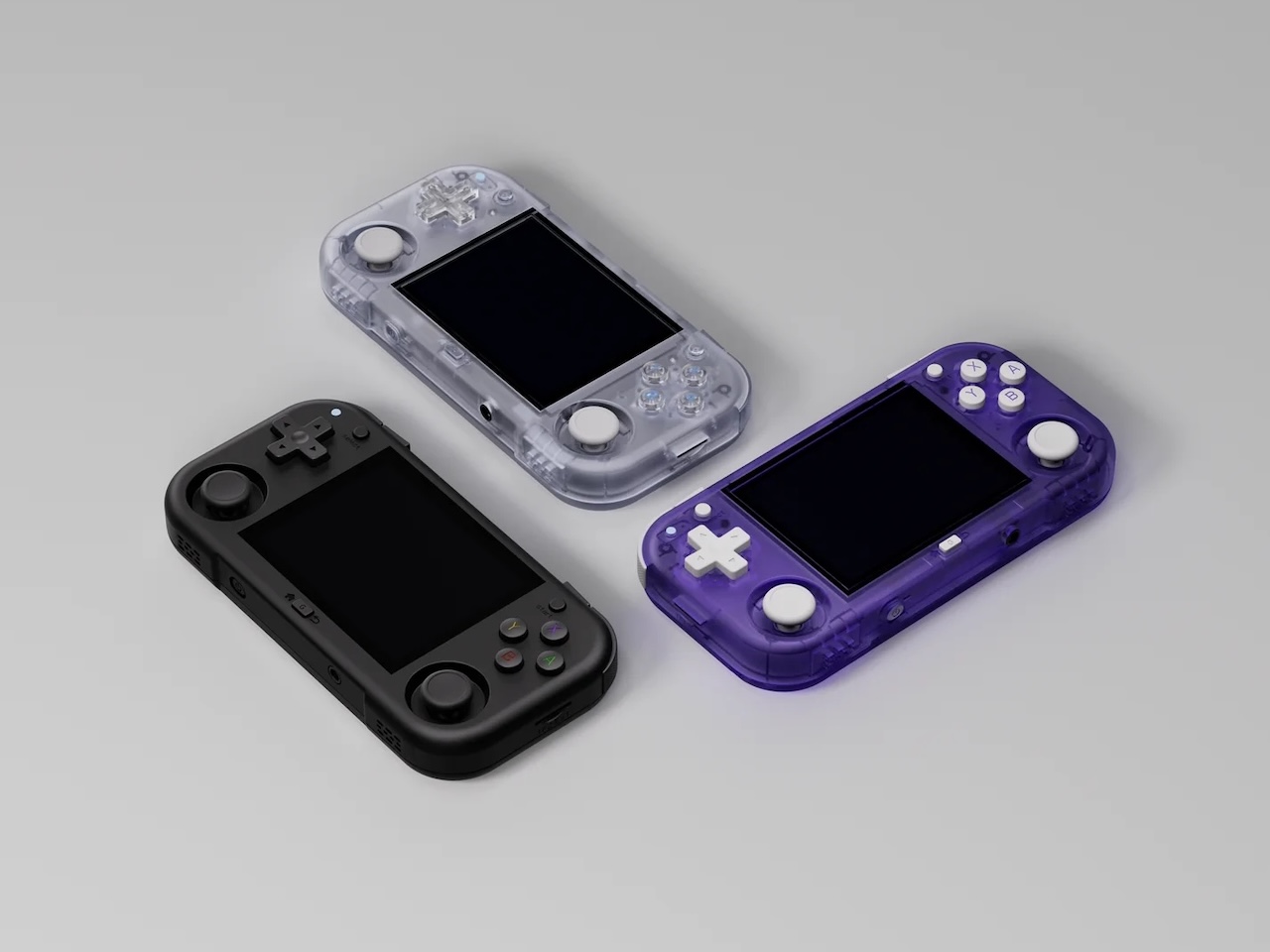
That gap points somewhere specific. It suggests at least two Mini Dreams with different internals rather than one device wearing a few storage tiers.
Budget brands pull this move constantly. They stage a cheap emulator box beside a pricier Android sibling, so call two models the smart bet, not a fact, until MagicX confirms it.
Linux or Android, Pick Your Trade-Off
The OS choice isn’t a footnote. Linux keeps things lean and cheap, a menu of emulators and little else, which suits you perfectly if all you want is a Game Boy in your pocket that boots fast and sips battery.
Android costs more and gives back more. Store apps, streaming, cloud saves, and native storefronts turn the Mini Dream into a tiny all-rounder, so the version you pick comes down to one question: do you want the lowest price or the widest reach?
The Field It’s Walking Into
MagicX isn’t landing on an empty beach. Anbernic, Retroid, Miyoo, and Powkiddy already crowd the sub-$180 shelf.
Most of those rivals still ship LCD at this price. That habit hands MagicX a clean line of attack, since an OLED at $80 is a differentiator the competition can’t match on the spec sheet.
Anyone cross-shopping can weigh it against those rivals in our earlier handheld coverage. The screen sets it apart, and the price makes it plausible.
The Blanks That Should Worry You
Now the uncomfortable part. A beautiful OLED bolted to unknown internals is a trap as often as it’s a bargain, and right now the Mini Dream is all screen and no receipts.
Start with the silicon. No processor or GPU has a name yet, so how hard this pushes past 2D and light 3D is anyone’s guess.
The rest of the sheet is blank as well. RAM, storage, and battery capacity are all unlisted, which leaves runtime and heavy-emulator smoothness as pure unknowns.
Timing’s a fog. MagicX calls the Mini Dream an early-stage project, still sorting supply chain and build refinement, and it’s promising fuller details at later milestones. A 2026 launch looks likely, but no firm date, regional pricing, or ship window exists yet, so the model you’re picturing today might not match the one that lands months from now.
Where It Sits in MagicX’s Range
Drop it into the lineup and the role sharpens. The Two Dream Light and pricier Two Dream Pro chase performance with named silicon, a Helio G99 and a Dimensity 7300, while the Mini Dream stakes out different ground: a pocketable 3.3-inch OLED at a lower entry price, the style-first, budget-first door into MagicX’s world.
Nail the internals and the math changes. Get that right and it’s the model most people actually grab, not the one they read about and skip.
What Would Flip This to a Buy
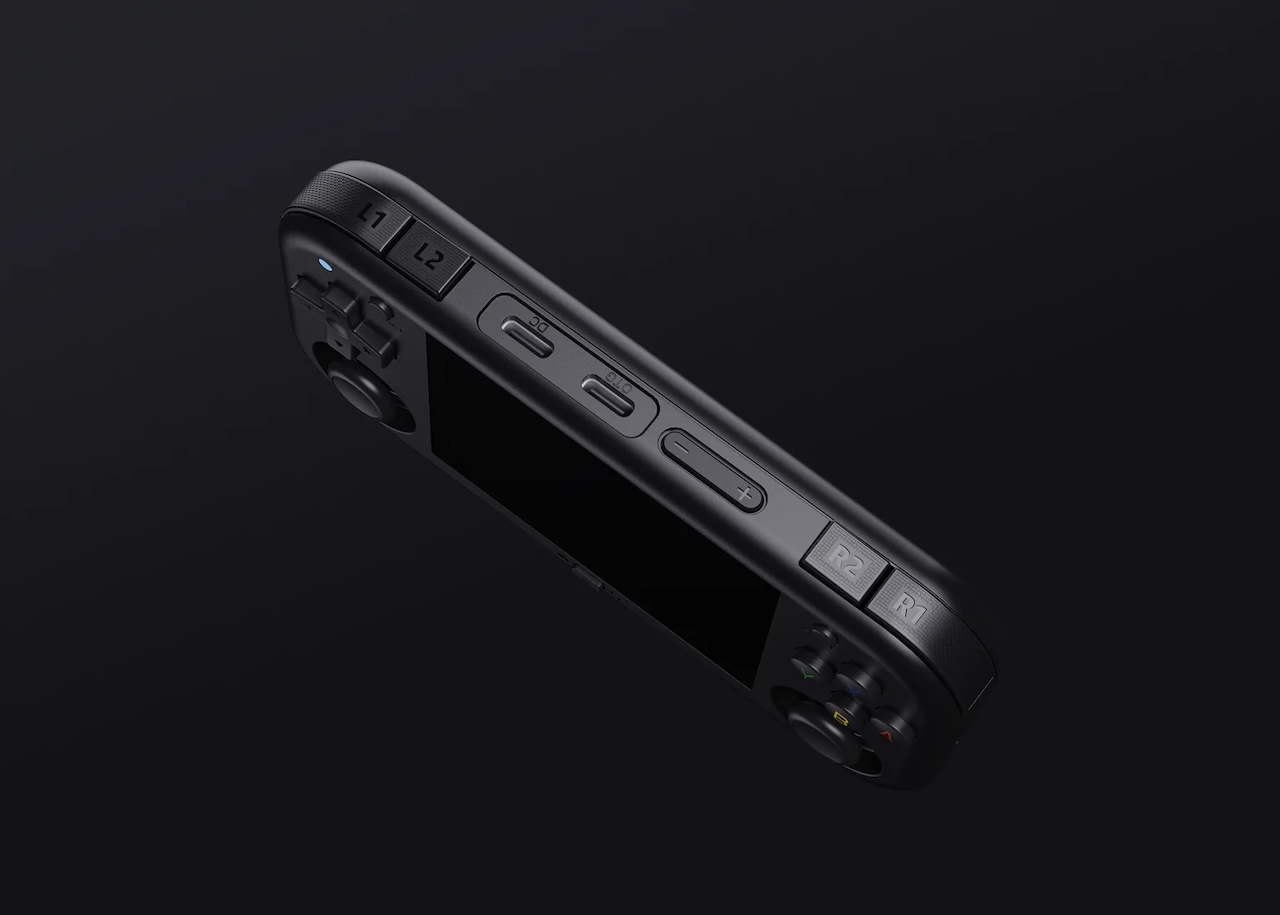
Watch for one number first: the chip. The processor decides whether the Mini Dream is a cute retro toy or a handheld that eats PS1, DS, and lighter PSP without stuttering.
Name that part and the story changes. MagicX confirming the silicon turns this from curiosity to contender overnight.
After that, two things seal it. A real battery figure plus a clean split between the Linux and Android models would answer nearly every open question, and a confirmed ship date would tell you when to actually care. Until then, it’s a watch, not a buy.
Bottom Line
MagicX has the prettiest cheap screen of the season and the emptiest spec sheet to match it. That’s a thrilling pitch and a nervous one, because a stunning panel counts for nothing without the hardware to drive it.
Keep the Mini Dream on your radar, hold your wallet, and let MagicX show the receipts. A great screen sells the first look, but the chip sells the thousandth.


Gadgeteer Comment Policy - Please read before commenting
Latest update here: https://www.reddit.com/r/SBCGaming/comments/1vj1x63/magicx_mini_dream_fully_redesigned_the_ultimate/