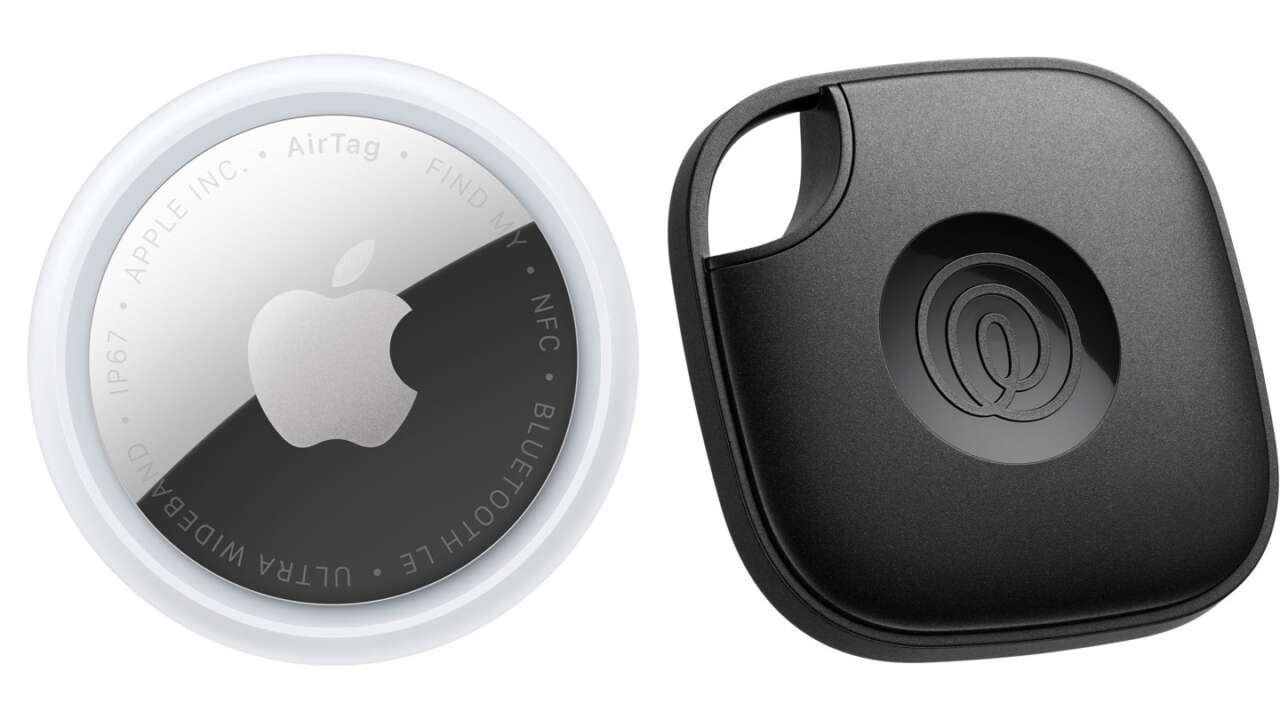
A Bluetooth tracker proves its price on the one day a year the keys vanish, and the AirTag and the Tile Mate are the two worth buying. That day decides everything. They split on one question, the network behind the tag.
The question is which network finds your stuff when it’s out of Bluetooth reach, Apple’s Find My crowd or the Life360 app’s smaller pool of phones running its app. The phones your house already owns answer it. Everything else about these two tags is a coin-sized radio and a speaker.
Prices sharpen the split. The AirTag is $23.00 against a $29.00 list.
The Mate is $14.99 against $24.99. Both are cheap for what they insure.
Apple AirTag (2nd generation), the network play
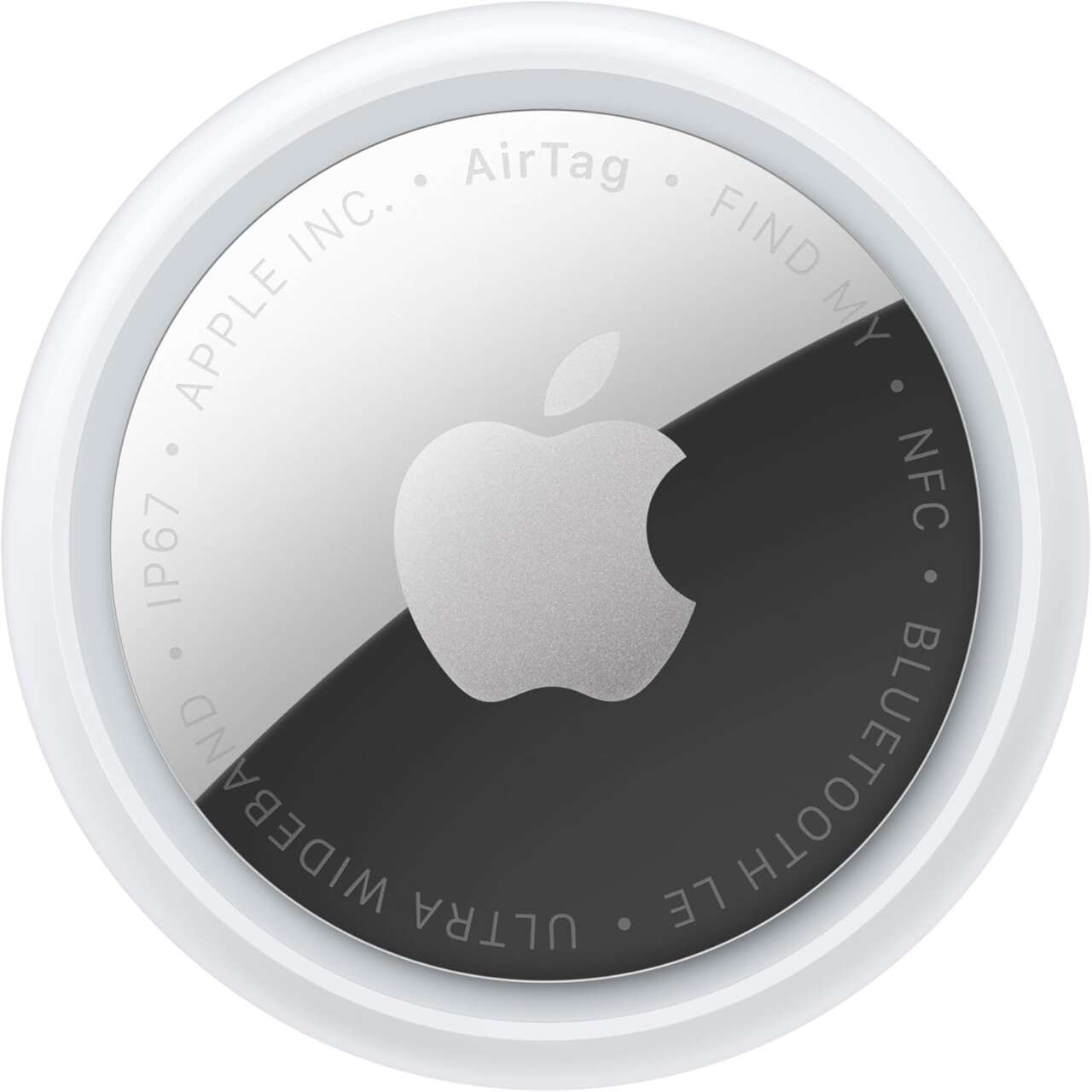
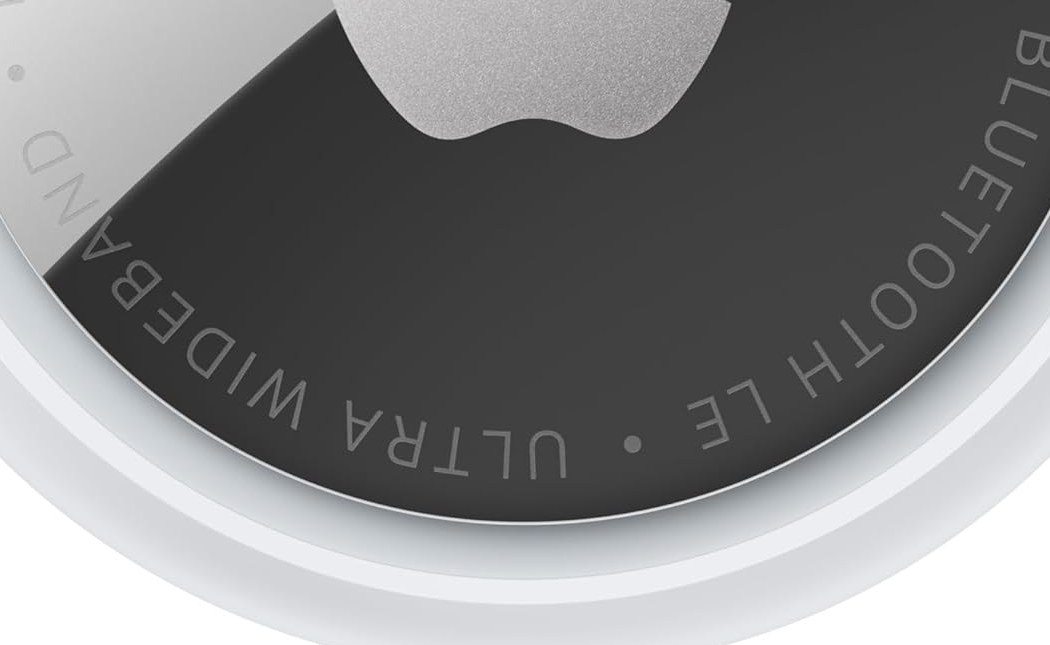
The second-generation AirTag keeps the polished coin shape, 1.26 inches across, 0.31 inches thick, and just 0.48 ounces, light enough to forget in a bag’s lining pocket. The steel cap carries the spec list in engraving: Find My, NFC, Bluetooth LE, Ultra Wideband, IP67.
Price: $23.00 (save $6.00, 21% off list $29.00)
Where to buy: Buy on Amazon
Ultra Wideband powers Precision Finding, which walks an iPhone owner to the exact cushion with distance readings, direction arrows, and a warming tone as you close in. No Android phone can run it, and there’s no key hole, so a holder joins the order before the tag ever meets a key ring. The 4.6-star average across 13,459 ratings says the formula works.
The second generation keeps the size that made the first one easy to hide in luggage, in a jacket, in the lining of a camera bag, or taped inside a bike’s seat tube for the season. Owners upgrade for the finding, not the shape.
Tile Mate, the one that works with every phone
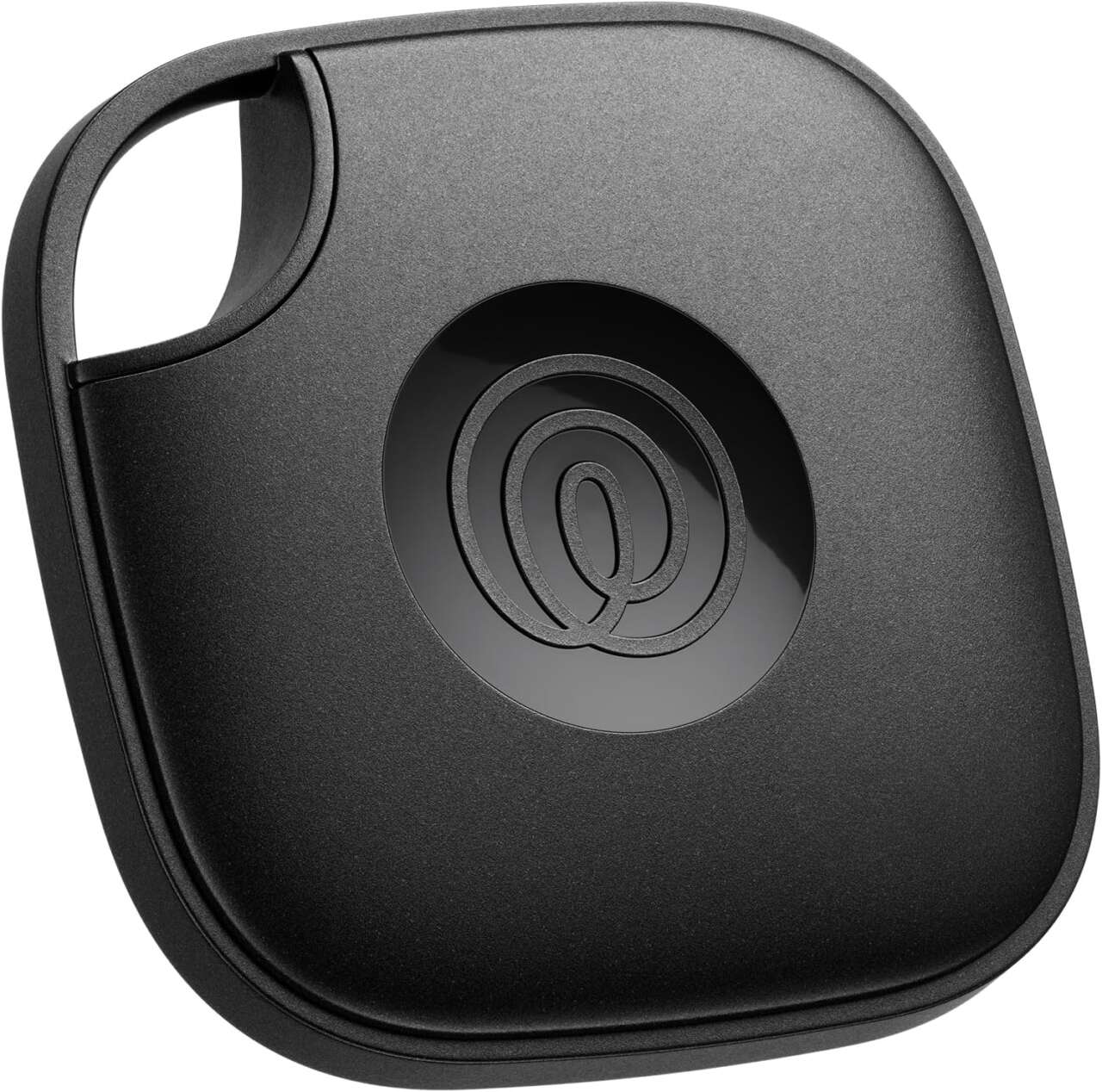
The Mate is a flat black square with the key ring hole built in, no holder needed and no accessory aisle trip and no extra checkout line. It pairs with the Life360 app on iPhone and Android, rings from the app, and triple-presses its button to send a discreet SOS to your Life360 circle, a feature no AirTag offers at any price or in any color.
Price: $14.99 (save $10.00, 40% off list $24.99)
Where to buy: Buy on Amazon
Tile rates the Bluetooth reach at up to 350 feet in the open. The sealed battery is rated for up to three years. The finding crowd behind it is the pool of Life360 and Tile app users, smaller than Apple’s blanket by orders of magnitude in most American cities. At 4.2 stars across 17,110 ratings, the Mate’s reviews run cooler, mostly on network reach rather than the hardware itself.
The tag is fine. That split shows up in review after review.
The Mate also rings your phone in reverse, a double-press trick that finds the handset buried in a couch or a car seat at full volume. Small mercy, used weekly.
Finding them again, near and far
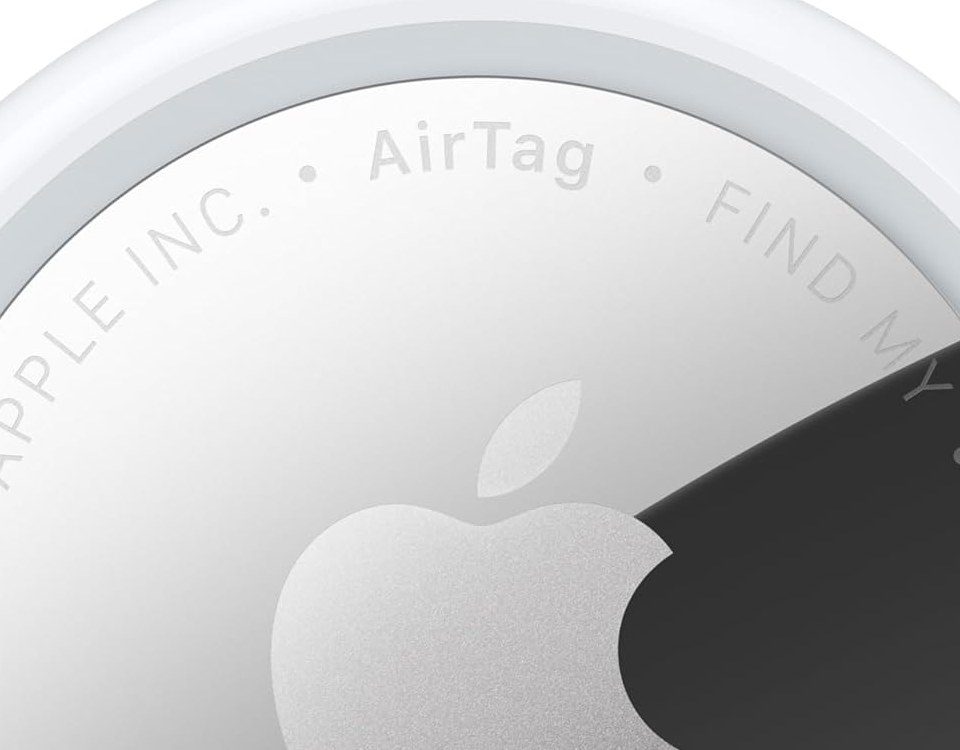
Nearby, the two tags do the same job. Each rings from its app until a couch cushion gives up its secret. Far away is where the designs split, because a lost tag reports home only through other people’s phones passing within Bluetooth range.
Apple’s crowd is the largest ever assembled for finding things. A bag left in another city still surfaces when any iPhone, iPad, or Mac walks past it in a terminal, a hotel lobby, or a rental car queue at the far end of a trip. Precision Finding stays Apple’s alone, since the Mate carries no Ultra Wideband radio to steer by in the last fifty feet.
Left-behind alerts come standard on the Apple side, pinging when the keys leave without their owner. Life360 answers with its own alerts, its own location history, and a family map that was tracking the kids long before it tracked the keys, the car, or the dog.
Size, battery, and the key ring question
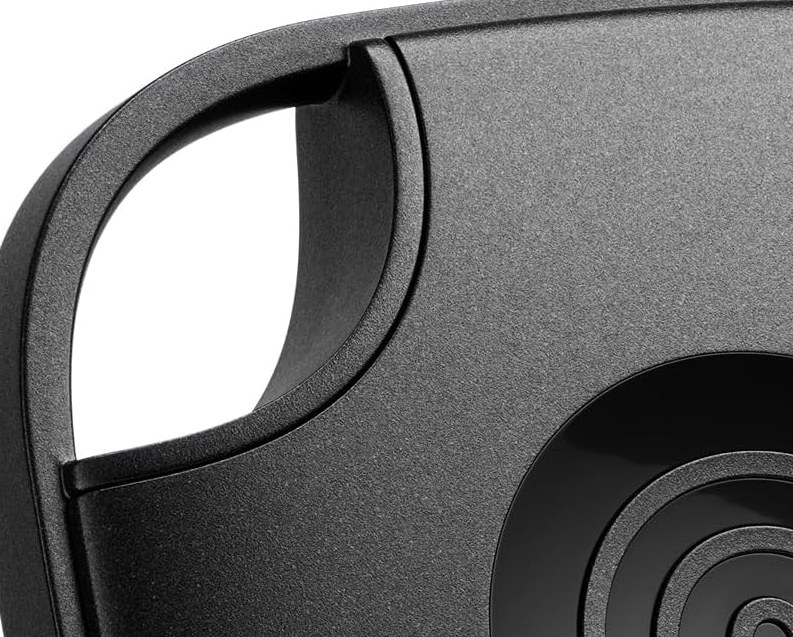
The AirTag is the smaller object, a coin that vanishes into a wallet’s coin pocket, while the Mate spreads wider and rides flatter against a set of keys in a front pocket. Batteries split them philosophically, a replaceable CR2032 on Apple’s side against a sealed cell on Tile’s that trades serviceability for thinness and a lower price.
Swap a coin cell every year or so, or replace the whole tag when the sealed battery finally gives up years later, and accept the waste as the price of thinness. Neither tag tracks in real time, since both are radios waiting for a friendly phone to pass within range and quietly report back to the owner. Water shrugs off both, IP67 on the AirTag and a sealed shell on the Mate.
Rain bothers neither tag. Cases and holders are a small industry on the Apple side, from leather loops to screw-mount bike holders, while the Mate needs none of it. Budget the holder into the AirTag’s price before comparing stickers, since the Mate’s flat shape was the holder-free answer from the start.
The verdict

The AirTag is the pick for iPhone houses: Find My plus Precision Finding is the strongest finding setup $23.00 has ever bought, full stop. The Mate covers mixed-phone houses and key rings of every size, and the ratings lean Apple’s way, 4.6 stars from 13,459 ratings against 4.2 from 17,110, a gap that maps to network size more than build quality.
Trackers are network subscriptions disguised as hardware, and the network, not the radio, is the product in both boxes, whatever the spec sheets and the keynote slides say. Pick the crowd your lost things will actually meet. Households deep in one ecosystem have an easy call, and mixed households should buy one of each before buying two of either brand for the whole house.
The first tag teaches you which network your life actually moves through. Either tag beats the alternative, which is a torn-apart couch, a dumped-out bag, and a retracing of yesterday’s steps.
The $8 gap between them is the smallest part of this decision. Start with one tag per set of keys.