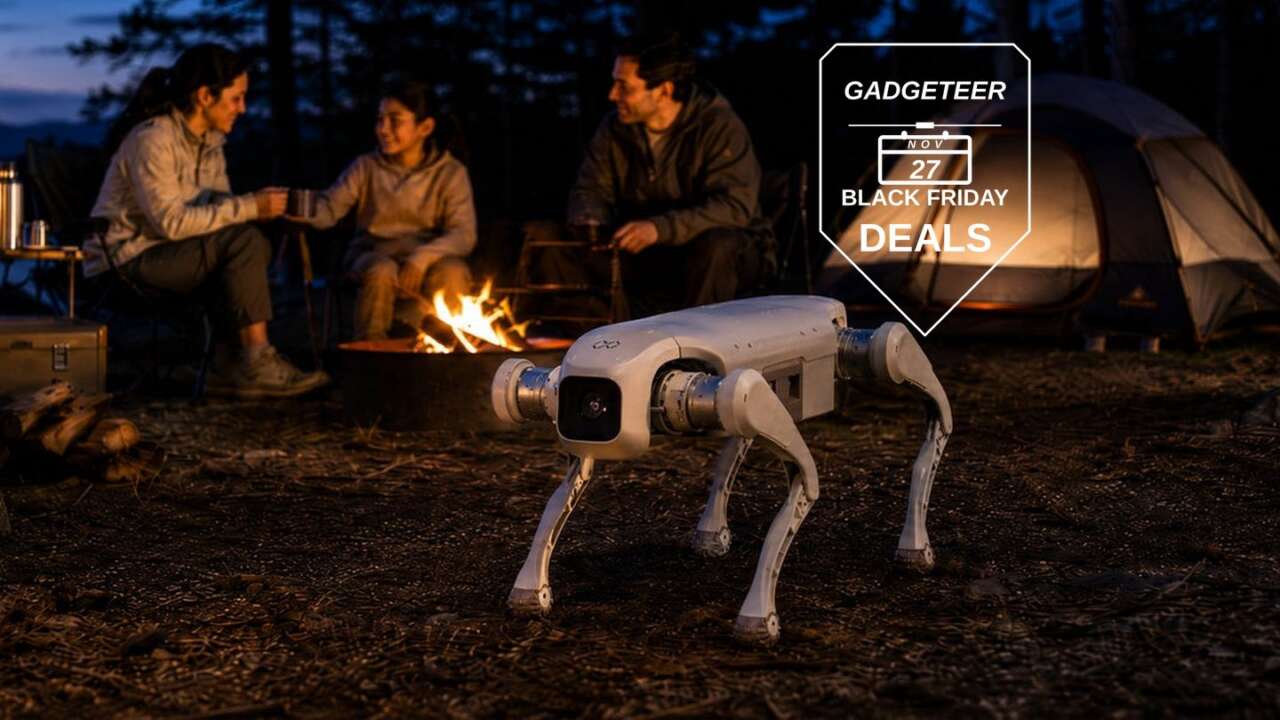
Faraday Future’s Aegis Classic Pro is a 15 kg robot dog with a 4K camera for an eye and a backflip in its pocket. Robot dogs were lab equipment, all trade show theater and university prices. Black Friday already knocks $1,500 off it.
On Amazon the listing sits at $4,490, with a $1,500 on-page coupon that brings it to $2,990 at checkout this week. Faraday Future’s own store runs the same $2,990 Black Friday price, so the coupon is matching the maker’s own deal instead of inventing a discount that doesn’t exist on the page or in the fine print. The box carries the robot, the remote controller and one customized costume, with no coupon gymnastics beyond ticking a box.
Faraday Future FX Aegis Classic Pro
12 DOF quadruped robot dog with a 4K wide-angle camera, remote controller and customized costume included
Price: $2,990 $4,490 (save $1,500, 34% off with the on-page coupon)
Where to buy: Buy on Amazon
A real quadruped, not a toy with legs
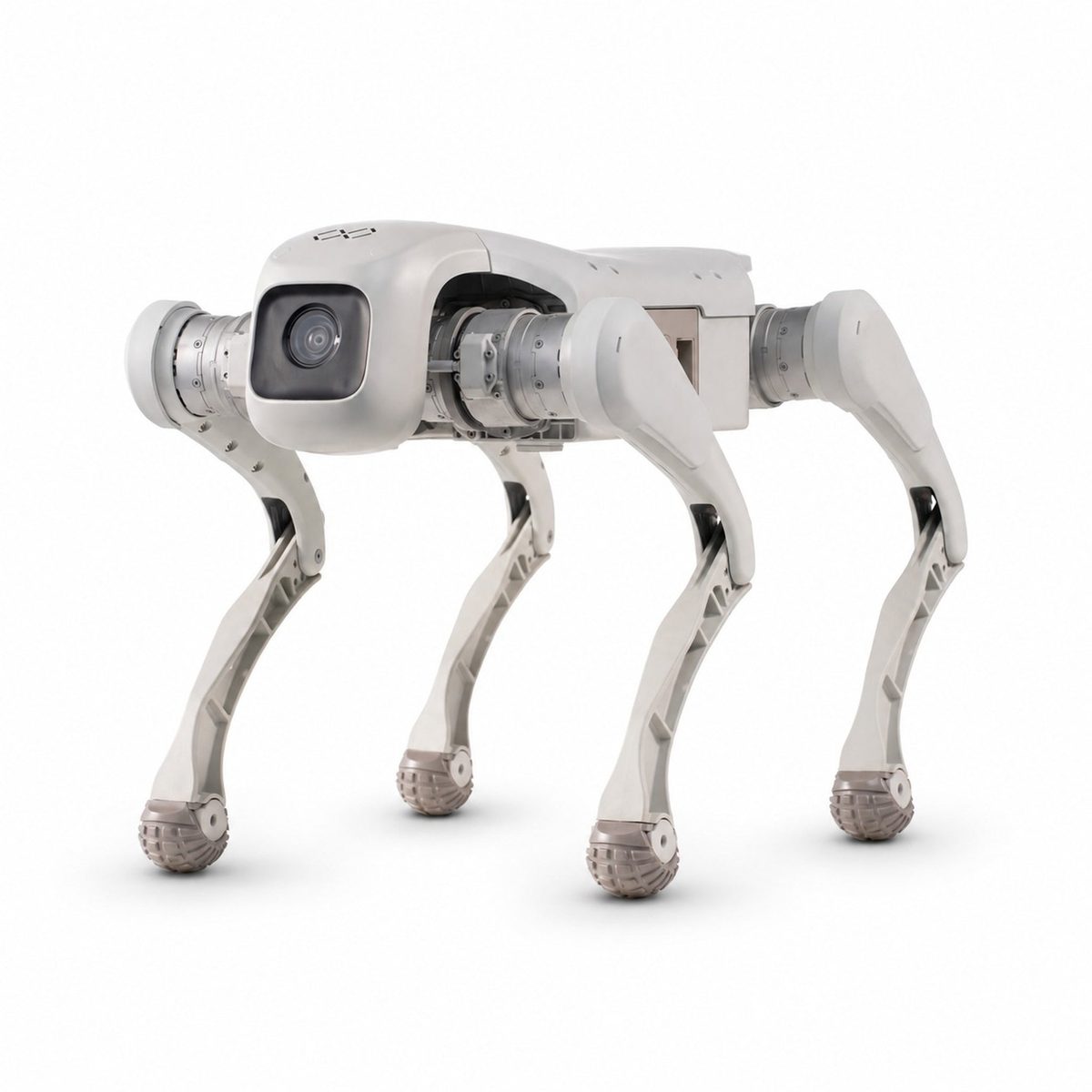
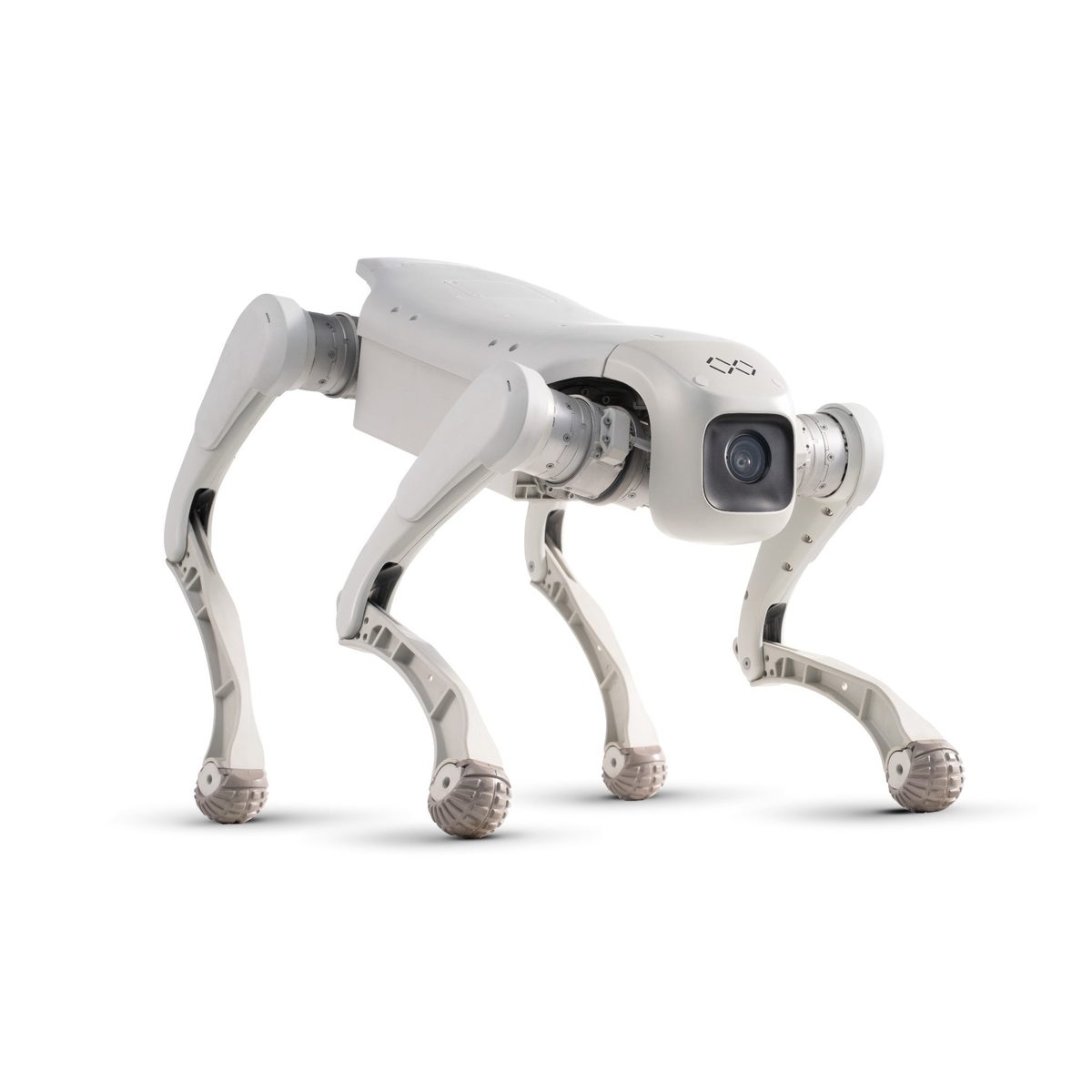
It isn’t small, and it isn’t light either: the Classic Pro measures 610 mm nose to tail, weighs 15 kg (about 33 pounds) and stands on 12 degrees of freedom, three per leg, driving the gait with authority. Peak joint torque hits 48 N·m, enough shove to recover from a stumble mid-stride or haul itself up a step. The balance system behind the tricks keeps it upright on slopes, grass, gravel and wet leaves.
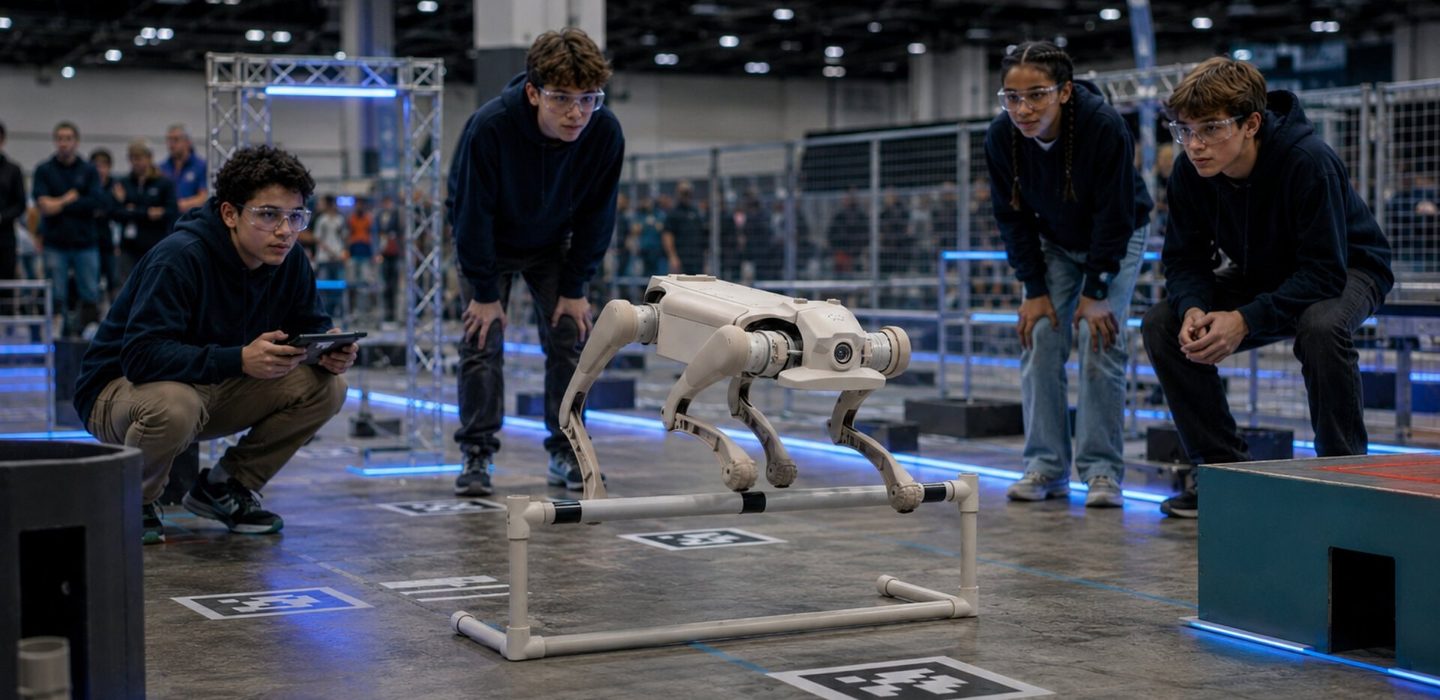
The motion library is where it shows off. More than 10 dynamic moves come preloaded, from backflips and bipedal stands to forward jumps, waving and a handshake.
Faraday Future sells it as a companion first and a platform second. The costume in the box says the company means that.
Under the costume it’s still 15 kg of actuators, battery and intent, so the personality sits on top of real machinery instead of replacing it, and that ordering is the whole design. The light gray finish reads closer to appliance than to toy, indoors or out, in sun or shade. Kids will name it within the hour, and the name will stick for good.
Four models share the Aegis name, only the Classic wears a Black Friday cut, and the Edu build aims at classrooms while the Ultra models add heavier compute and a wheeled option for institutional budgets and lab fleets. Households buy the Classic for the machine itself.
It moves like the big platforms
Top speed is 3.7 m/s, roughly 8.3 mph, and it climbs stairs up to 16 cm a step, about 6.3 inches, without breaking stride or slowing down. Obstacles up to 35 cm tall, nearly 14 inches, don’t stop it either, and the pace is a genuine run rather than a careful shuffle along the wall or a nervous hop across the room.
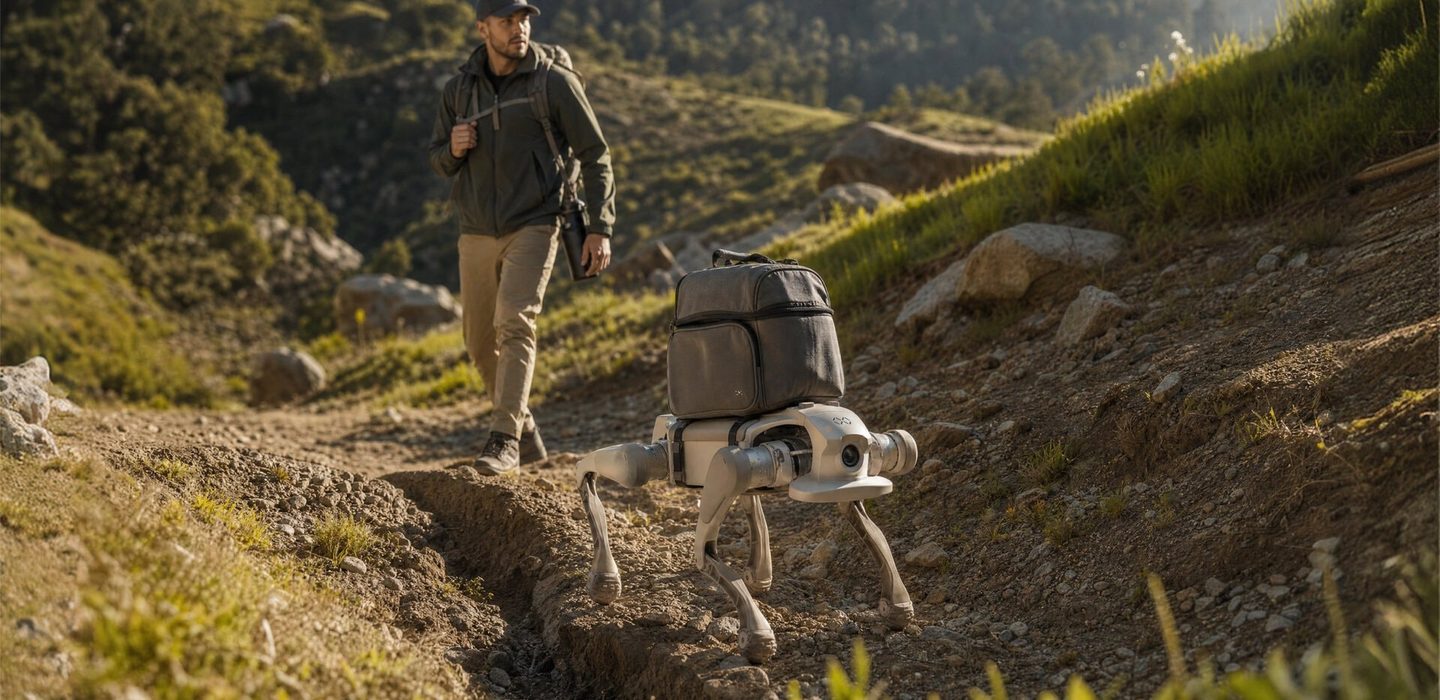
The frame carries up to 8 kg of payload, enough for a small pack or a sensor rig. Walk mode stays under 60 dB, so it won’t announce itself across the park. The 8 kg figure is a maximum rather than a cruise weight, with 5 kg the rated load for longer walks, heavier hauls and weekend duty. Plan loads around the smaller number and the robot will thank you with range on the trail and at home.
Control comes from the included remote controller and its live camera screen, so you charge the pack, clip on the costume and walk it out the door. No app sits between the owner and the machine.
The battery decides how long the fun lasts
Runtime is the leash here, because the 216 Wh pack runs the Classic Pro for roughly one to two hours depending on gait, load and how much showing off is involved in the demonstration. The pack swaps out in seconds, so a spare resets the clock, and a full charge takes about an hour at the wall. Owners learn to plan the outing around that window.
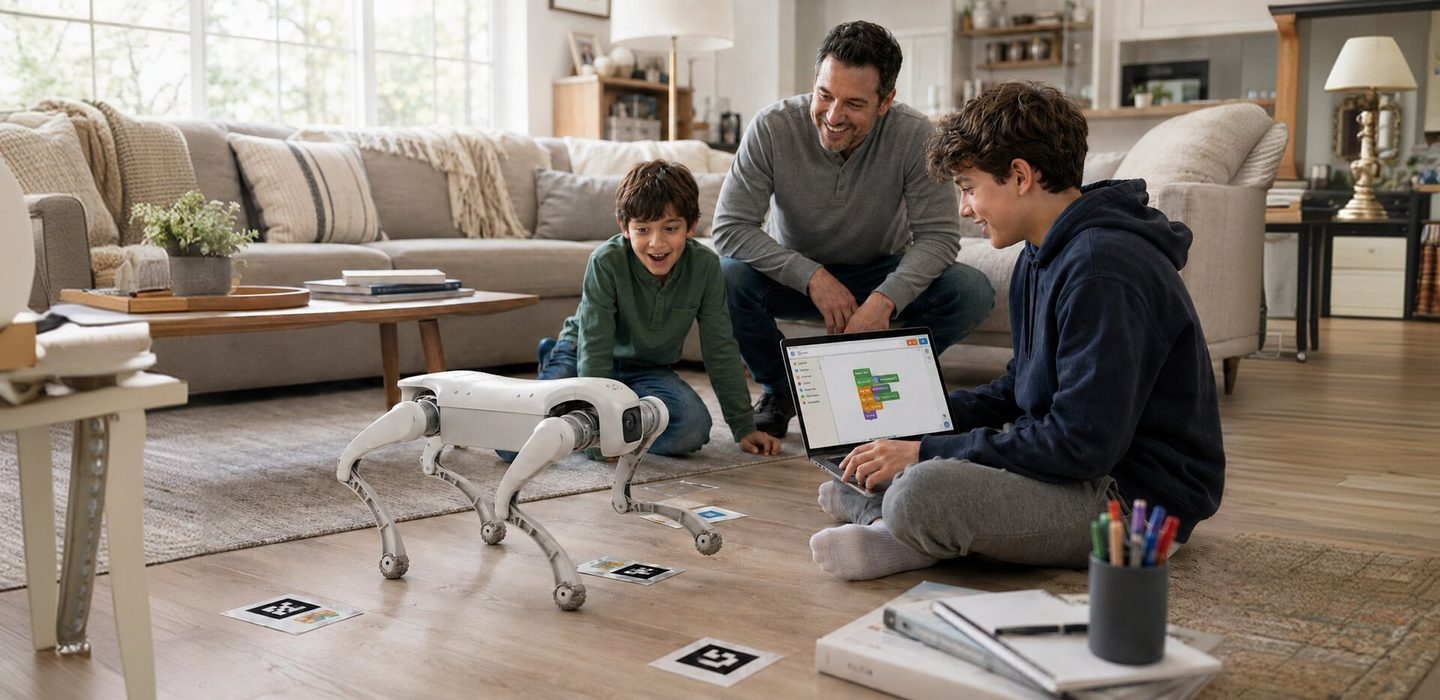
Around the house it’s a camera with legs, streaming its 4K view to the remote over Wi-Fi and Bluetooth. Send it to check a room.
Where the Classic Pro falls short
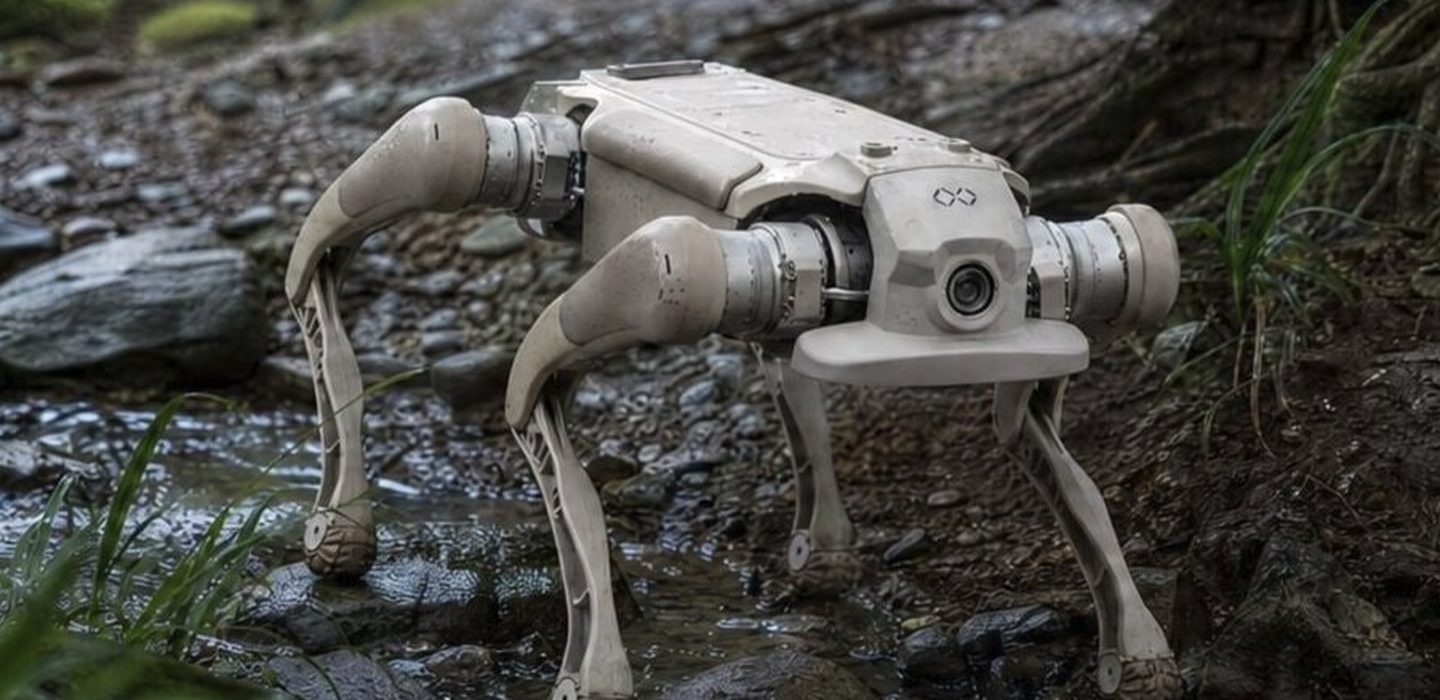
Here’s the tradeoff, and it cuts both ways. The hardware is a genuine platform; the software isn’t finished yet, not by a mile.
Then there’s the company question, and skipping it would be a dodge worth naming. Faraday Future’s car business spent years as a promise that kept moving, so a buyer is betting the robotics division ships, supports and updates a $2,990 machine with more follow-through than the car side ever managed in public view. The product is real and orderable today; the support story behind it remains the part nobody can verify yet, from anywhere.
Who should actually buy this
Three buyers make sense here: the hobbyist who’s outgrown kits, the creator who wants a camera platform that walks into the shot, and the household treating a robot dog as the family gadget, full stop, no apologies. Everyone chasing a polished app on day one should look away, and weatherproof it isn’t, not even close. Dry floors are its natural habitat.
For the rest, patience is the smarter buy, because a robot like this lives or dies on the software updates that follow it home and keep coming all year. The app and the support story both need time to prove themselves, and the follow-through decides whether the hardware’s early attention holds. Early buyers are funding that follow-through with their patience as much as their money, and they should go in knowing exactly what it costs.
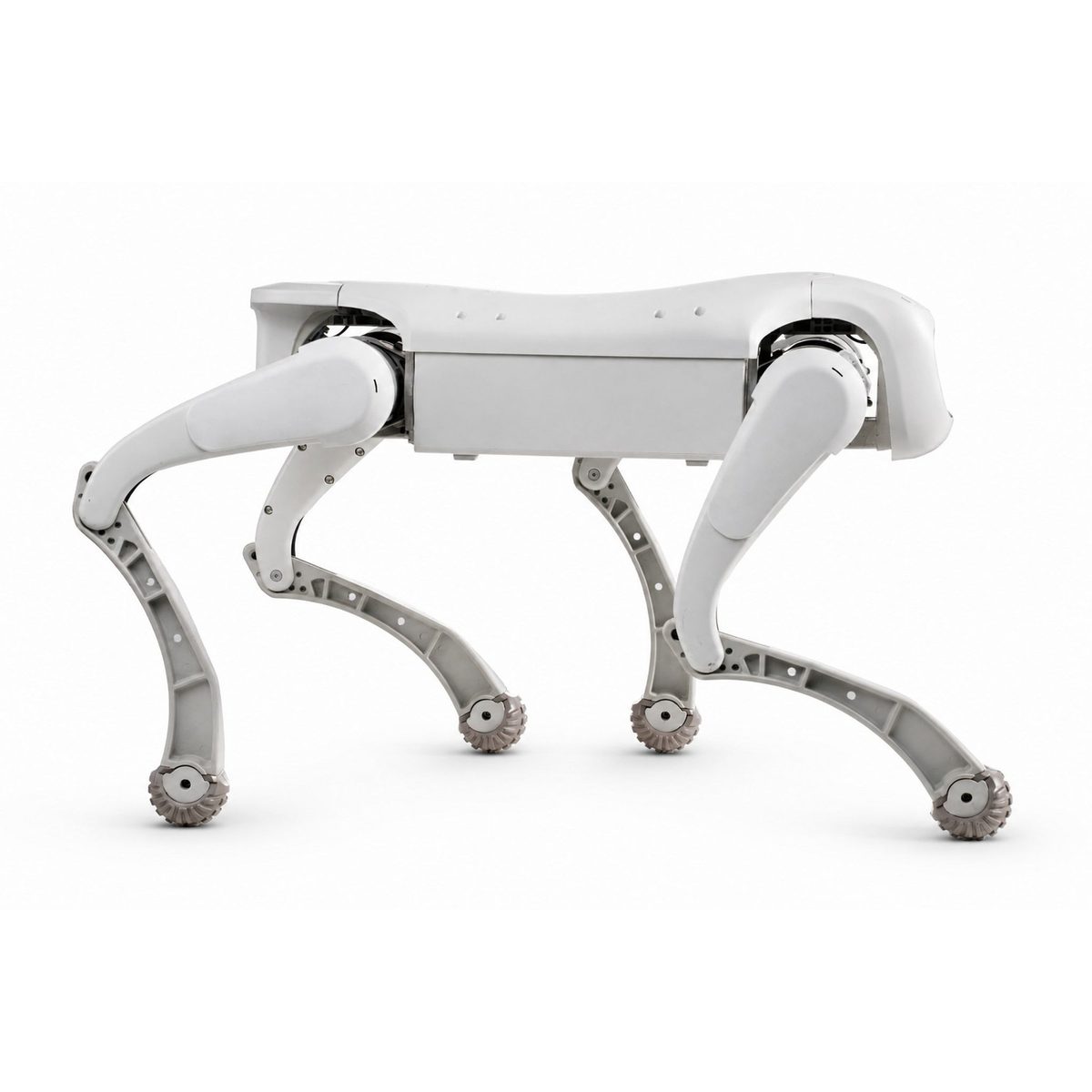
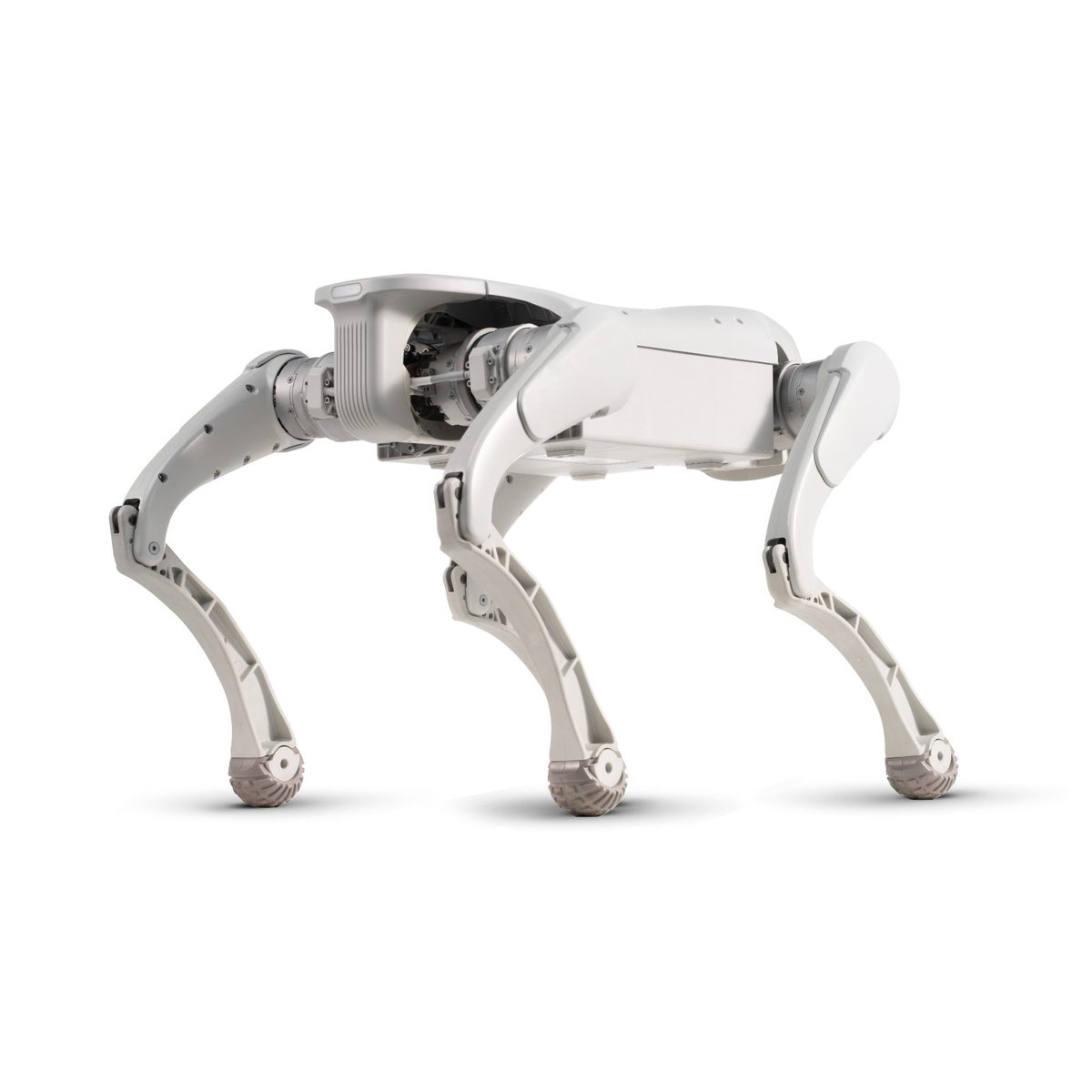
Black Friday pricing runs while the coupon lasts, and coupons on a $4,490 listing have a way of vanishing overnight without an announcement or a warning. This one takes the robot to $2,990, which is still a considered purchase by any measure of the category or the calendar. It’s also the first time this class of robot has carried a household price. That changes who gets to play with the technology.