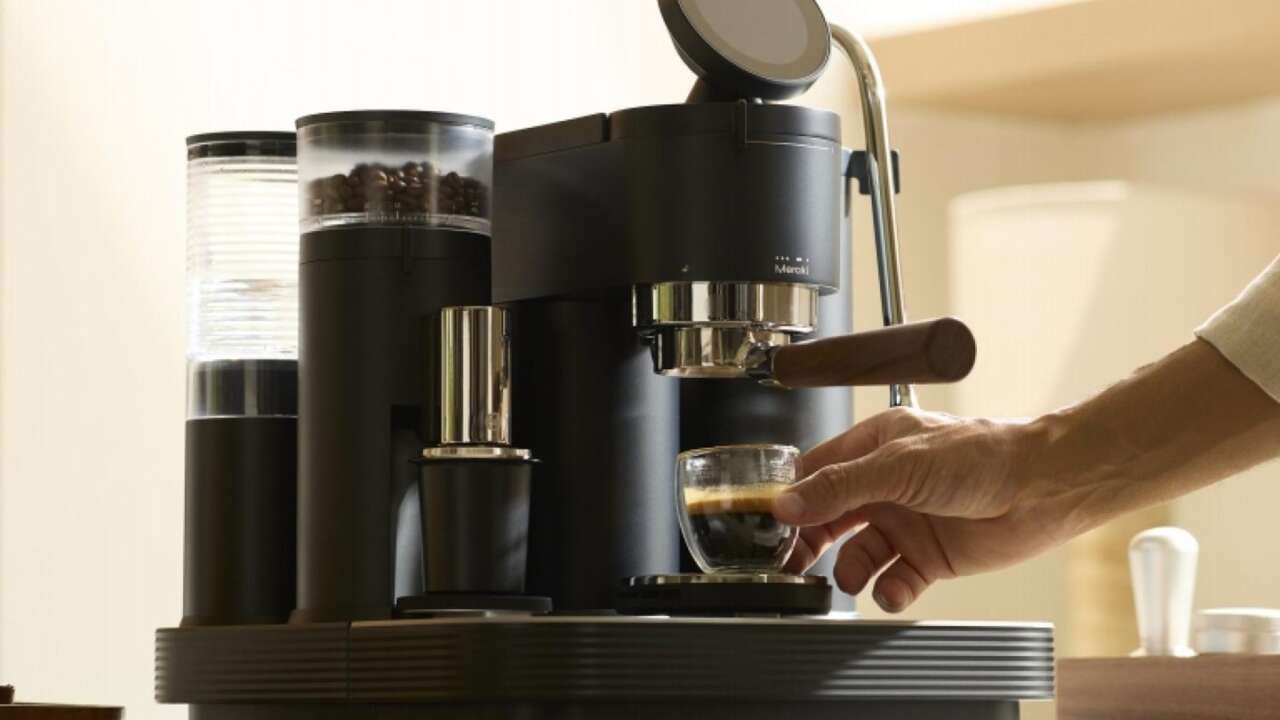
The Meraki espresso machine runs two separate boilers, one for brewing and one for steaming milk. Two boilers, two jobs. That split lets a shot extract and a pitcher of milk steam at the same time, with no mode switch waiting between them at home.
Milk drinks feel the change first, since lattes, cappuccinos and flat whites stop lining up behind one heating system. Straight espresso drinkers feel less of it, because a lone shot never asks a machine to switch jobs.
Meraki Espresso Machine, Black
350 ml brew boiler · 550 ml steam boiler · 58 mm E61 portafilter
Price: $1,999 $1,899 with coupon (save $100, 5% off)
Where to buy: Buy on Amazon
Two boilers, two jobs at once
Picture a single boiler machine first, because the contrast explains the whole category in one kitchen scene. One water circuit handles brewing and steaming on that older layout, even though brewing runs cooler than steam production does. The machine heats up or cools down between jobs. Every milk drink pays that toll in lost minutes and in espresso cooling on the counter.
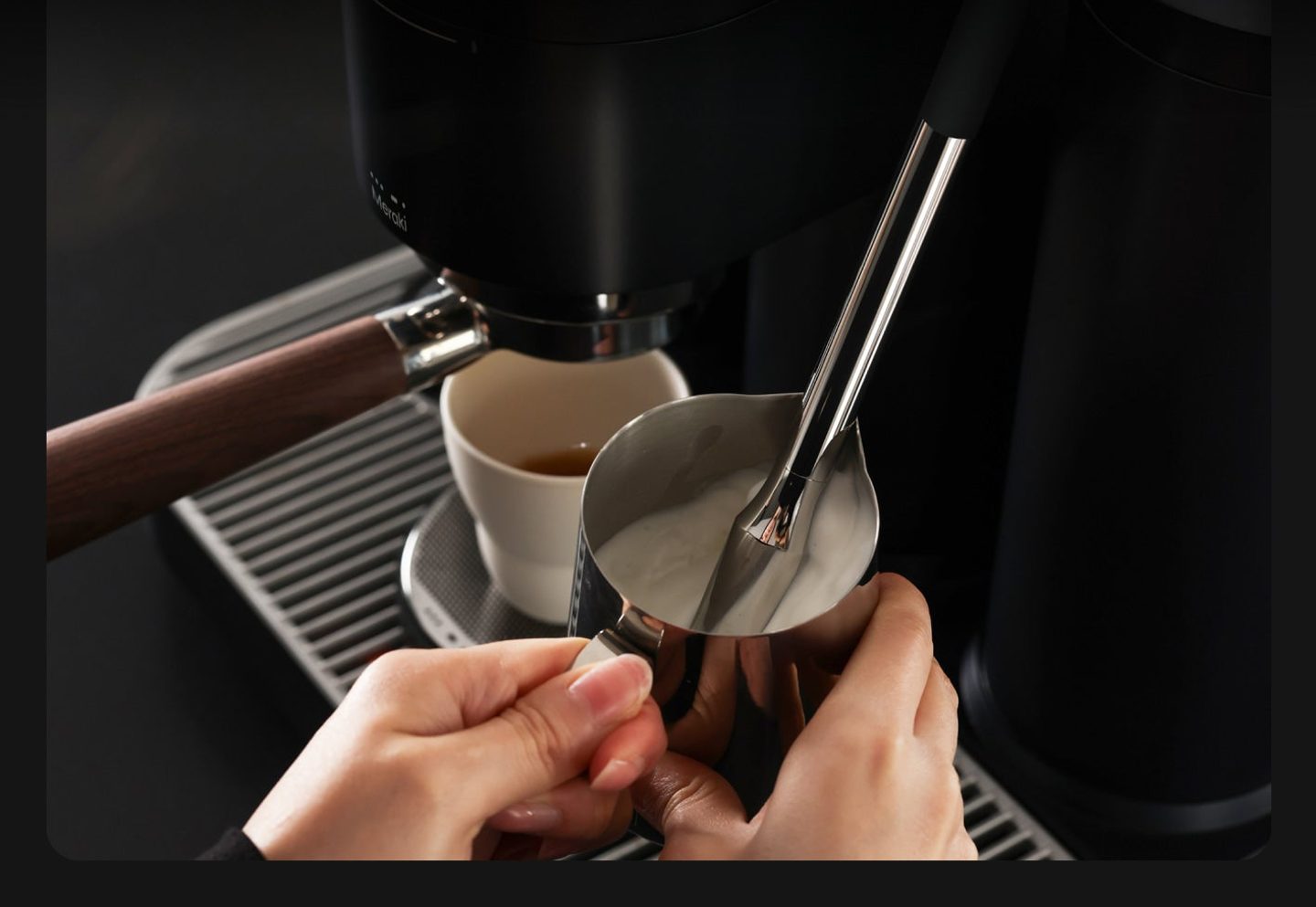
You pull the shot, then the single boiler climbs toward steam temperature before the wand works. The shot sits in the cup meanwhile. Milk waits behind a system that holds one temperature at a time, and the drink cools while the machine catches up and the crema starts to thin.
Nobody waits around. A dual boiler setup deletes that pause by keeping each circuit on its own heating system, ready in parallel all morning. Brew water stays at brew temperature in one boiler, and steam stays at steam pressure in the other all morning. Neither side borrows heat during a drink, even when two drinks run back to back for two different people.
Heat exchanger machines sit between those poles, and the distinction matters before you spend real money. Brew water passes through a tube inside a larger steam boiler there, so brewing and steaming can still run together.
Brew heat stops sharing
Espresso punishes sloppy temperatures fast, since water that’s too cool can leave a shot thin and sharp tasting in the cup. Heat pushed too far swings the other way and leans hard on bitterness instead of sweetness. Both misses hide inside a normal looking drink.
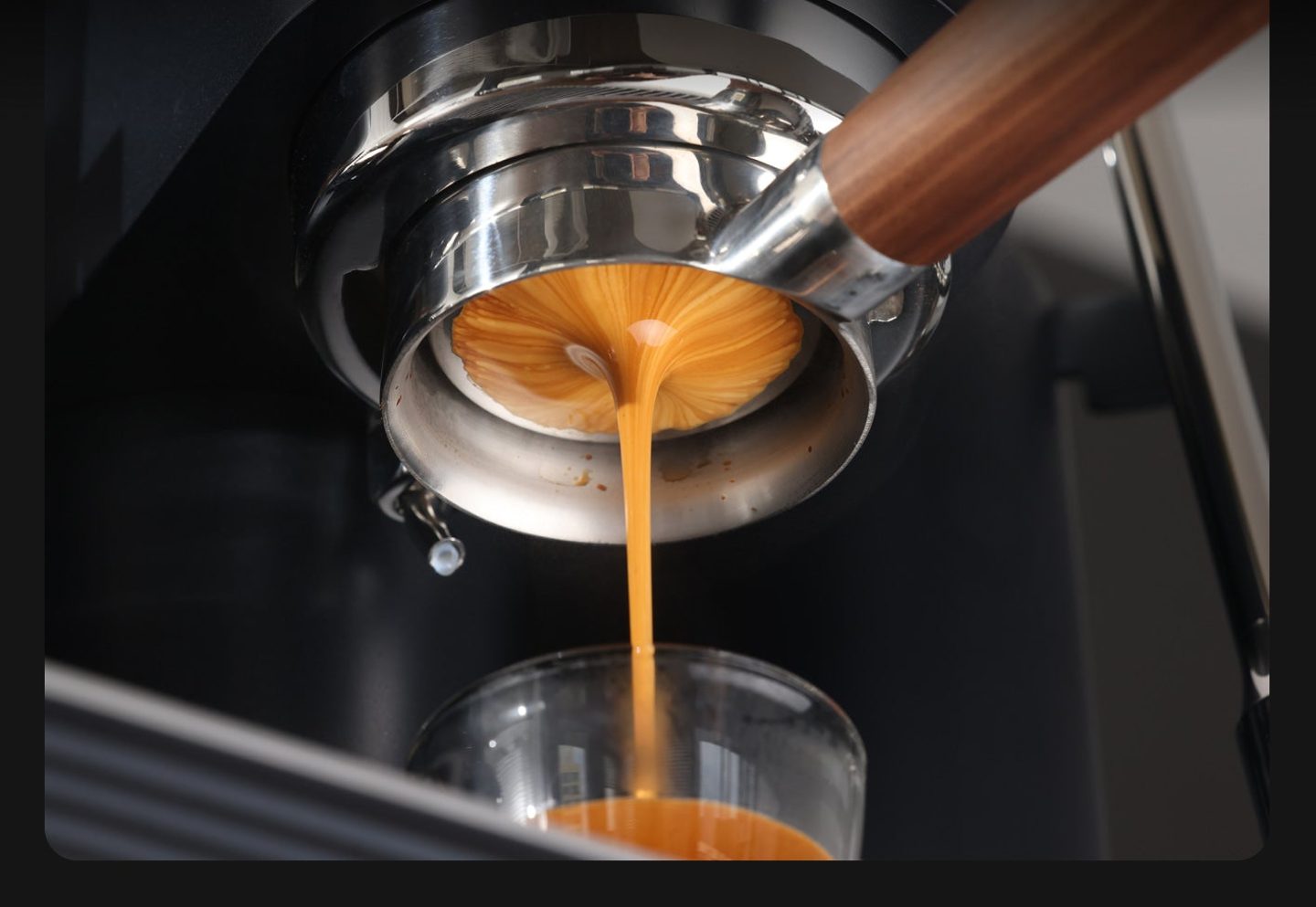
Separate boilers answer that. The brew circuit holds its own temperature because steaming a pitcher of milk never pulls heat out of it during service. The steam circuit keeps its own pressure for the same reason in reverse, ready whenever a pitcher shows up. You can adjust brew temperature for a new bag of beans without giving up steam readiness that morning. The group head stays heated by its own element, so the portafilter never starts a shot cold.
Repeatability is the quiet prize on drinks two and three.
Steam stays ready while you pour
Fine microfoam needs that push. Milk wants steam power that stays hot through the pour.
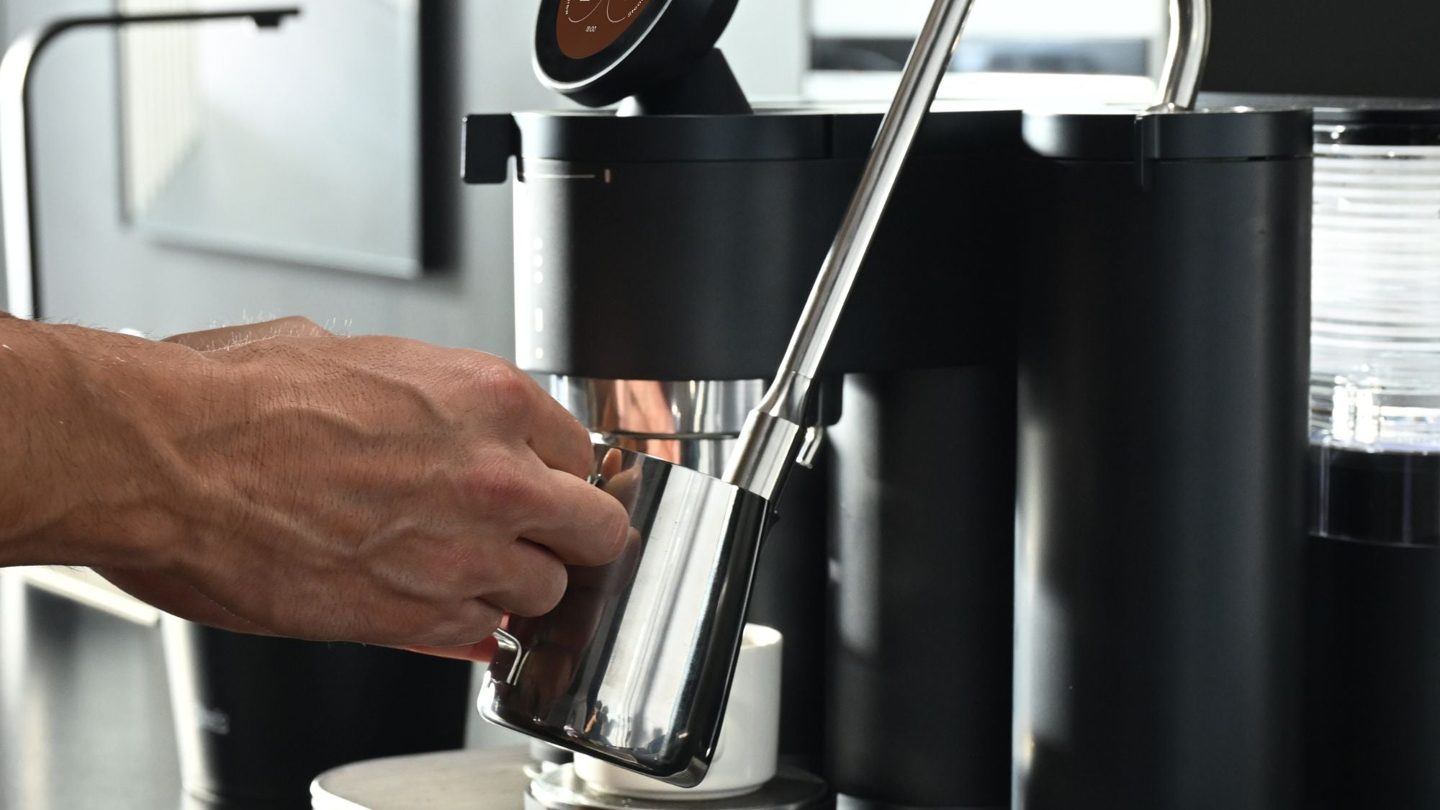
On a dual boiler machine, steam comes from a boiler that never left its post while the shot ran underneath it. Guests get served faster. Texture the milk while the espresso extracts, then pour the two together while both are fresh, and the drink lands as one piece.
Back to back drinks are where this layout proves itself in a busy house full of people wanting lattes at the same kitchen counter on a Saturday morning. Drink two and drink three start from the same ready state as drink one, with no recovery pause hiding between them or any temperature guessing.
Meraki shows the layout at home scale
Meraki pairs a 350 ml brew boiler and a 550 ml steam boiler, both stainless steel, with PID control and a heated group head.
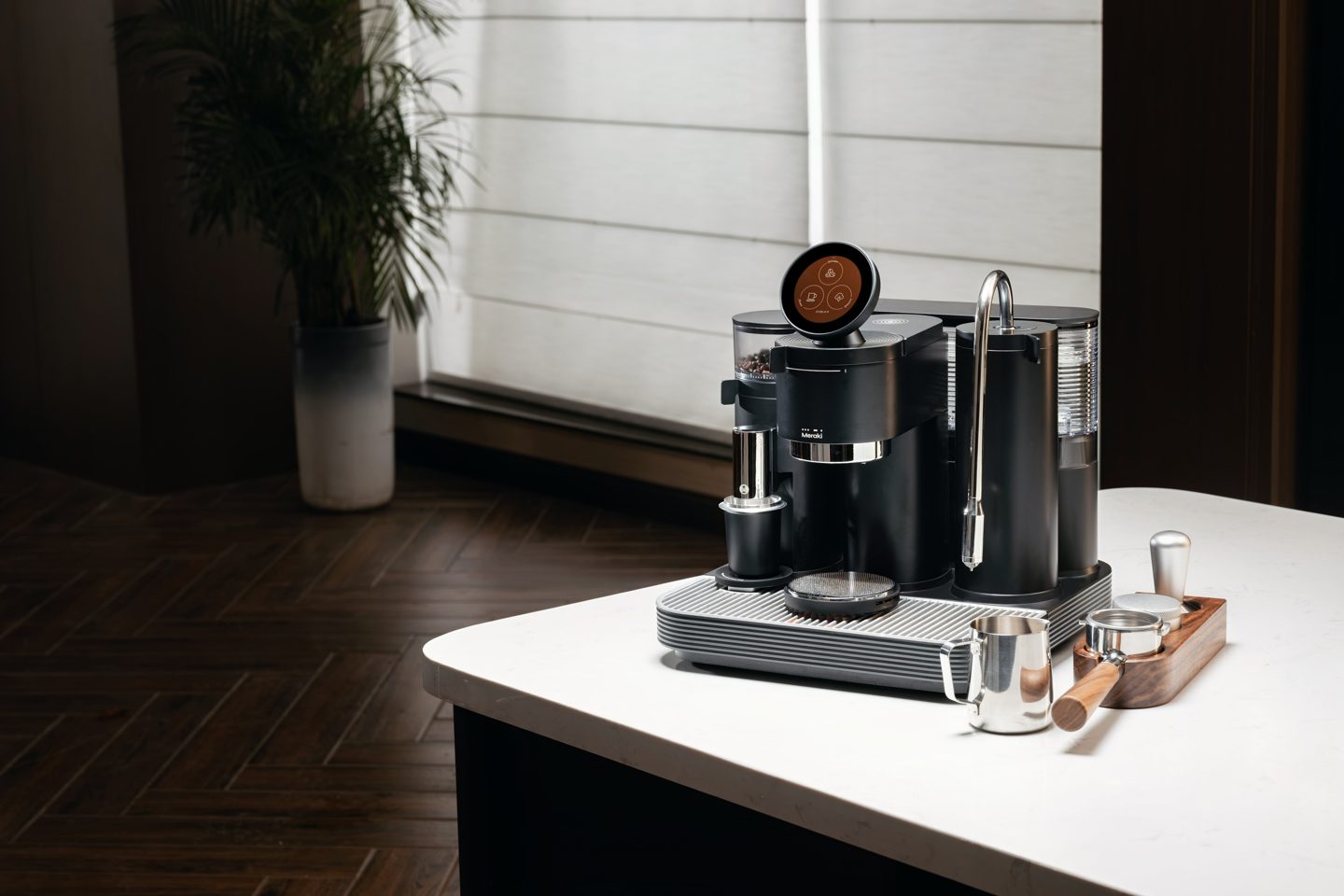
Meraki Espresso Machine, Black
Built-in grinder with 45 settings · dual scales with auto-stop · rotary pump, 9 bar
Price: $1,999 $1,899 with coupon (save $100, 5% off)
Where to buy: Buy on Amazon
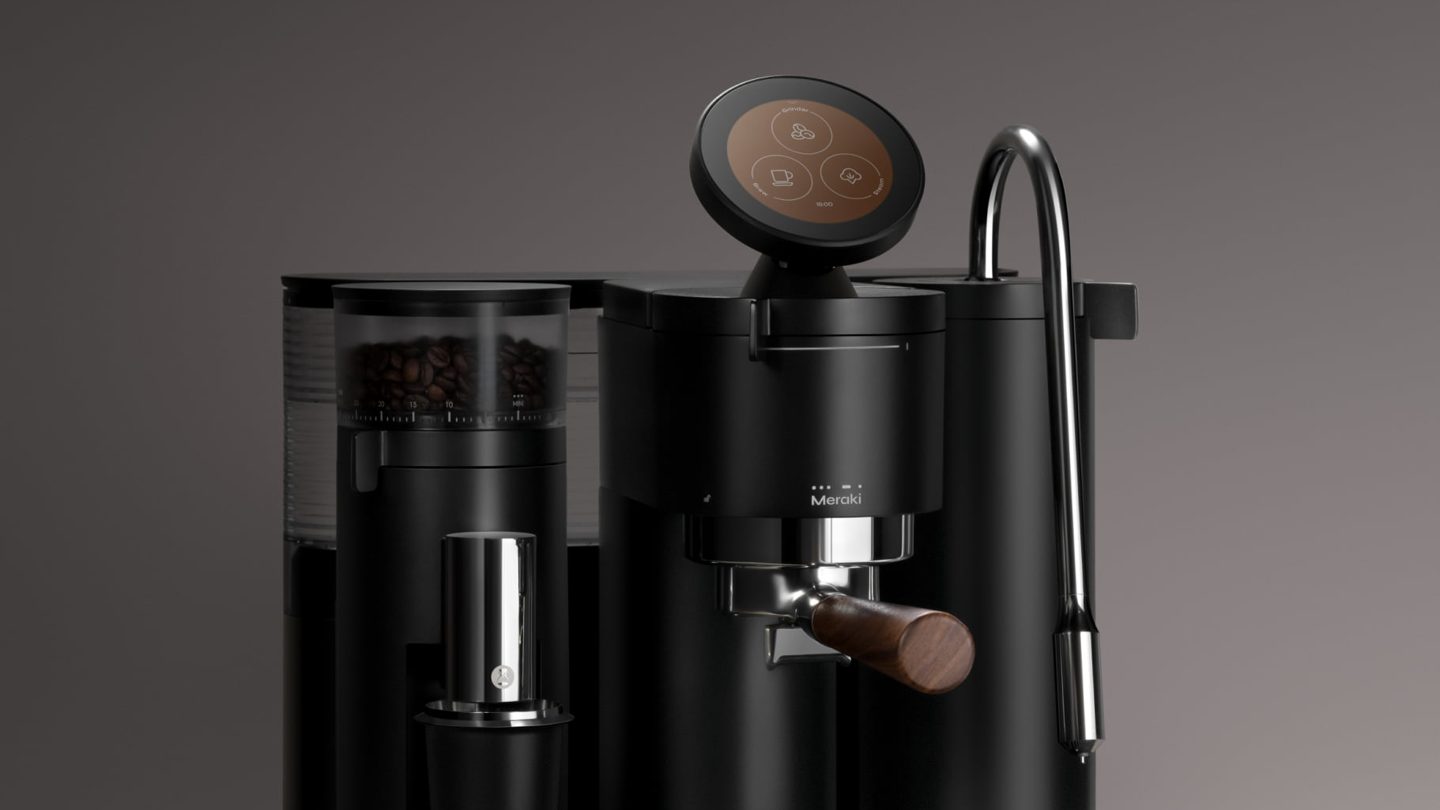
A rotary pump rated at 9 bar pushes the extraction through the group head. The 58 mm E61 portafilter takes the puck, and a built-in grinder covers 45 settings for different beans and roast levels. Grind, dose and extraction all live in one body, and the guided touchscreen ties the steps together for a first time owner who has never pulled a shot at home before today.
Dual scales sit under the dose and under the cup, each capped at 1 kg, reading to plus or minus 0.2 g, and both built into the base. The brew scale auto stops the shot at your target yield, so a good recipe repeats on Tuesday exactly as it poured on Monday, every single time.
The touchscreen guides everything. A 2,000 ml tank feeds both boilers. Pre-infusion starts the puck gently before full pressure arrives. A hot water outlet rounds out the front panel.
The catch is price, space and power
Two boilers cost more than one, and the hardware takes room a smaller machine leaves open on the counter for other things like a kettle, a toaster or a cutting board. Meraki’s footprint runs 370 by 370 by 415 mm, and the machine weighs 14.5 kg before beans or water go in. Rated power sits at 1,600 W, so an older kitchen circuit deserves a quick thought before the box arrives.
One espresso at a time points the other way. Nobody needs two boilers. A simpler machine meets that routine with less counter space and less money spent up front on hardware. Boiler count alone never guarantees a better shot anyway. Grinder quality, pressure stability and dose measurement all shape the cup beside it.
The decision runs on your drink list, not on the spec sheet alone. Buy it if your mornings run on lattes, cappuccinos or flat whites for more than one person and the wait between shot and steam already annoys you daily. Skip it if you drink straight espresso, steam milk once in a while, or your counter can’t spare the footprint this class of machine asks for under low cabinets.