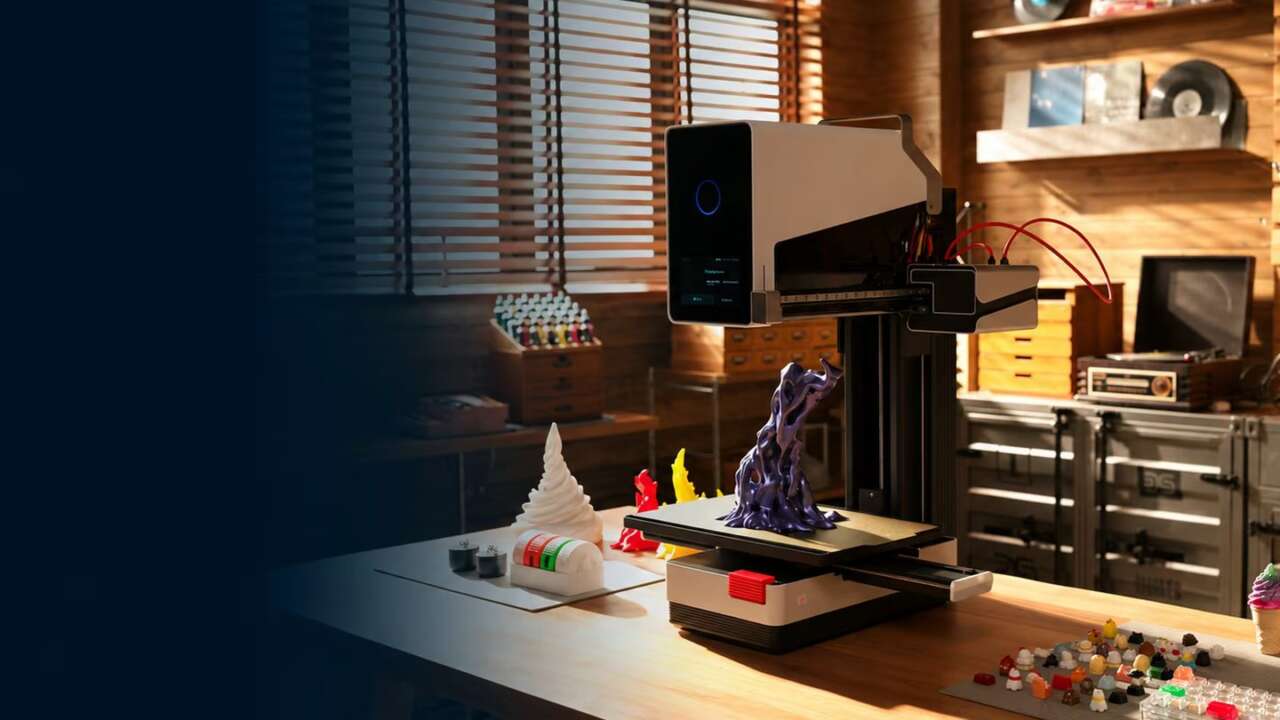
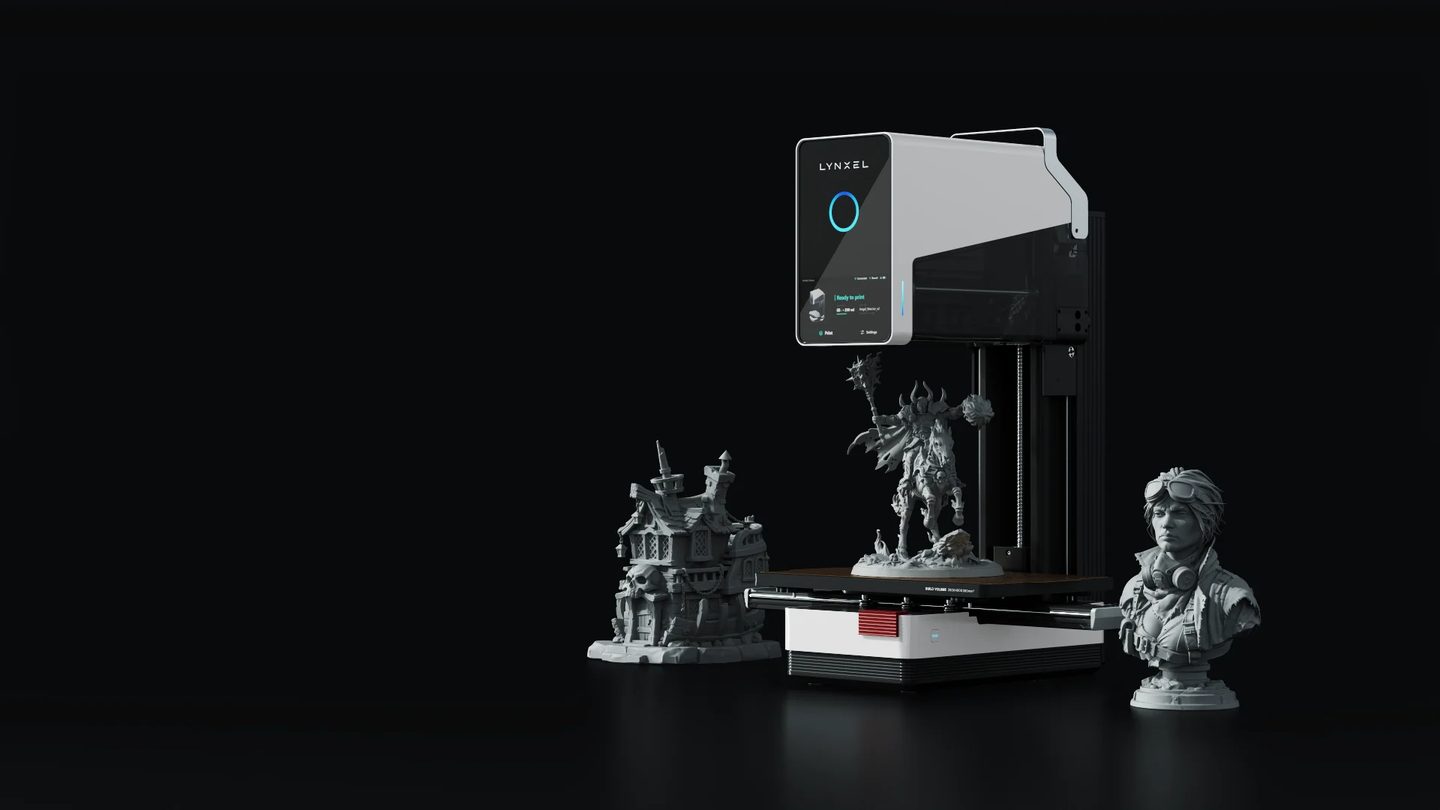
Lynxel’s LynBeam LB1 never fills a resin vat: a cartridge loads resin onto a moving membrane that carries each layer under a scanning laser. The LynChrom LC1 shares that platform and adds an inkjet module that prints color onto the part during the build.
Both machines get their public showing at Formnext in Frankfurt this month, with a Kickstarter campaign planned for December and no prices attached to either machine yet. The hardware is the news here.
Lynxel LynPrint LB1 and LynChrom LC1
Membrane-fed resin printers, public debut at Formnext, November 17 to 20
Price: not announced yet, Kickstarter planned for December 2026
Where to buy: Join the launch list at Lynxel
How the membrane replaces the vat
The process is Layered Membrane Stereolithography, or LMS, and one complete layer runs through four steps: load, feed, scan and lift. Lynxel has been developing the process, its materials and its software together since 2022.
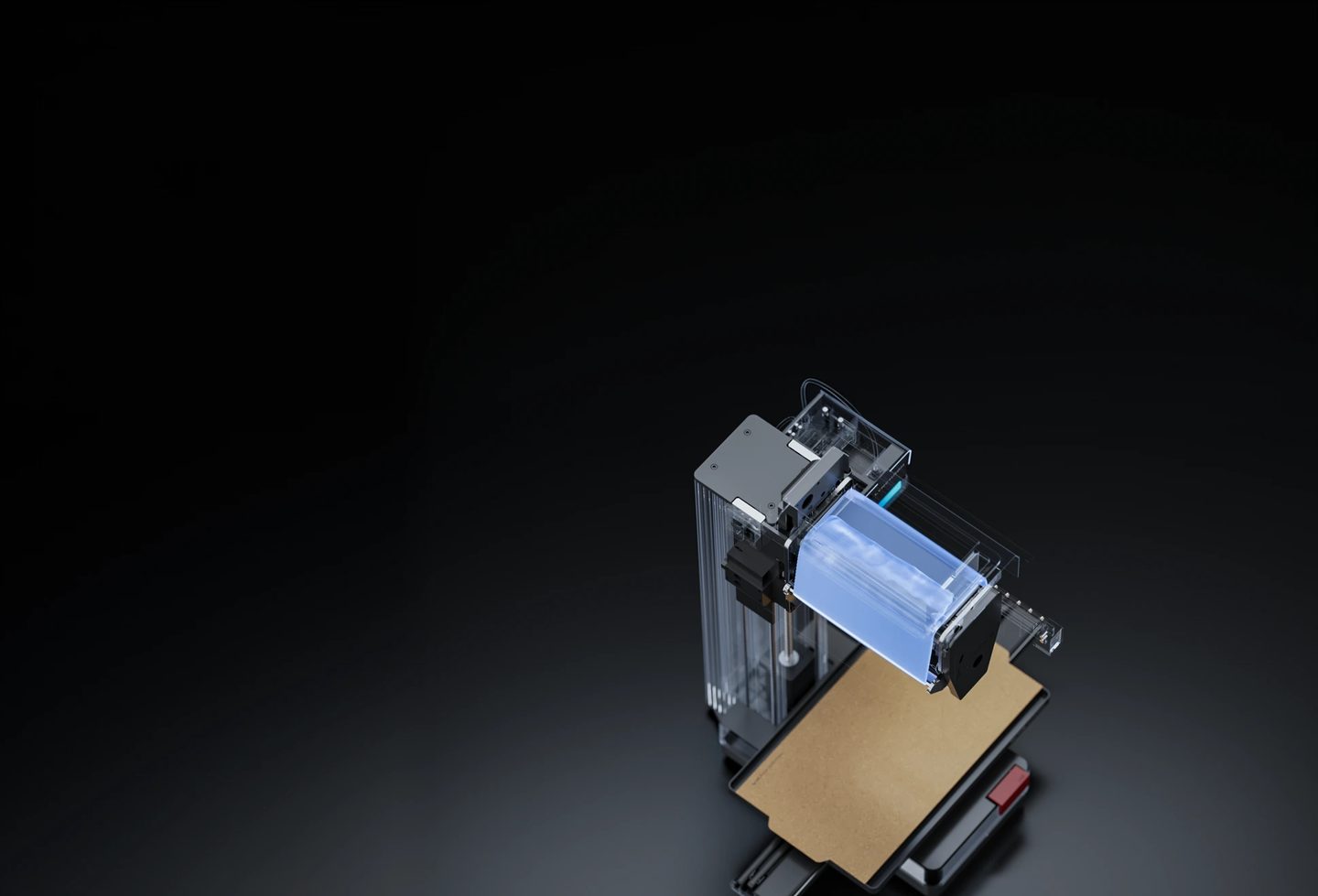
Resin leaves the cartridge onto the membrane, the membrane carries it into the print area, and a linear laser scanning unit cures the layer before the platform lifts it free. That active delivery supports resins up to 300,000 cP, far thicker than formulations that have to flow and level on their own between layers in a vat. The membrane also manages separation forces as each layer peels free, which reduces stress and deformation on detailed geometry, though the moving membrane and cartridge feed are more machinery than a passive vat. No vat. No leveling wait.
The LB1 is built for functional parts
The LB1 focuses on engineering materials and functional parts, with resin selection, printing profiles and post-curing matched to the job at hand. Its build volume runs 200 by 400 by 300 millimeters, enough room for larger objects or a set of related components in a single run.

Cartridge feeding trims the resin a job needs up front, and unused resin stays in the cartridge for the next build instead of sitting in an open vat.
A print can start on as little as 5 grams of resin, and Lynxel lists material strength above 100 MPa for the platform. Functional work comes first.
Lynxel aims the platform at makers, designers and engineers printing prototypes, jigs, fixtures, electronics enclosures and miniatures, and finished parts still need cleaning and post-curing.
The LC1 adds color while the part builds
The LC1 keeps the LB1’s engineering base and adds an integrated color module that applies surface color with inkjet heads while the part is still building. The module runs at 1200 dpi with CMYK water-based dye inks, kept separate from the 600 dpi laser exposure system that cures the resin on the same machine.
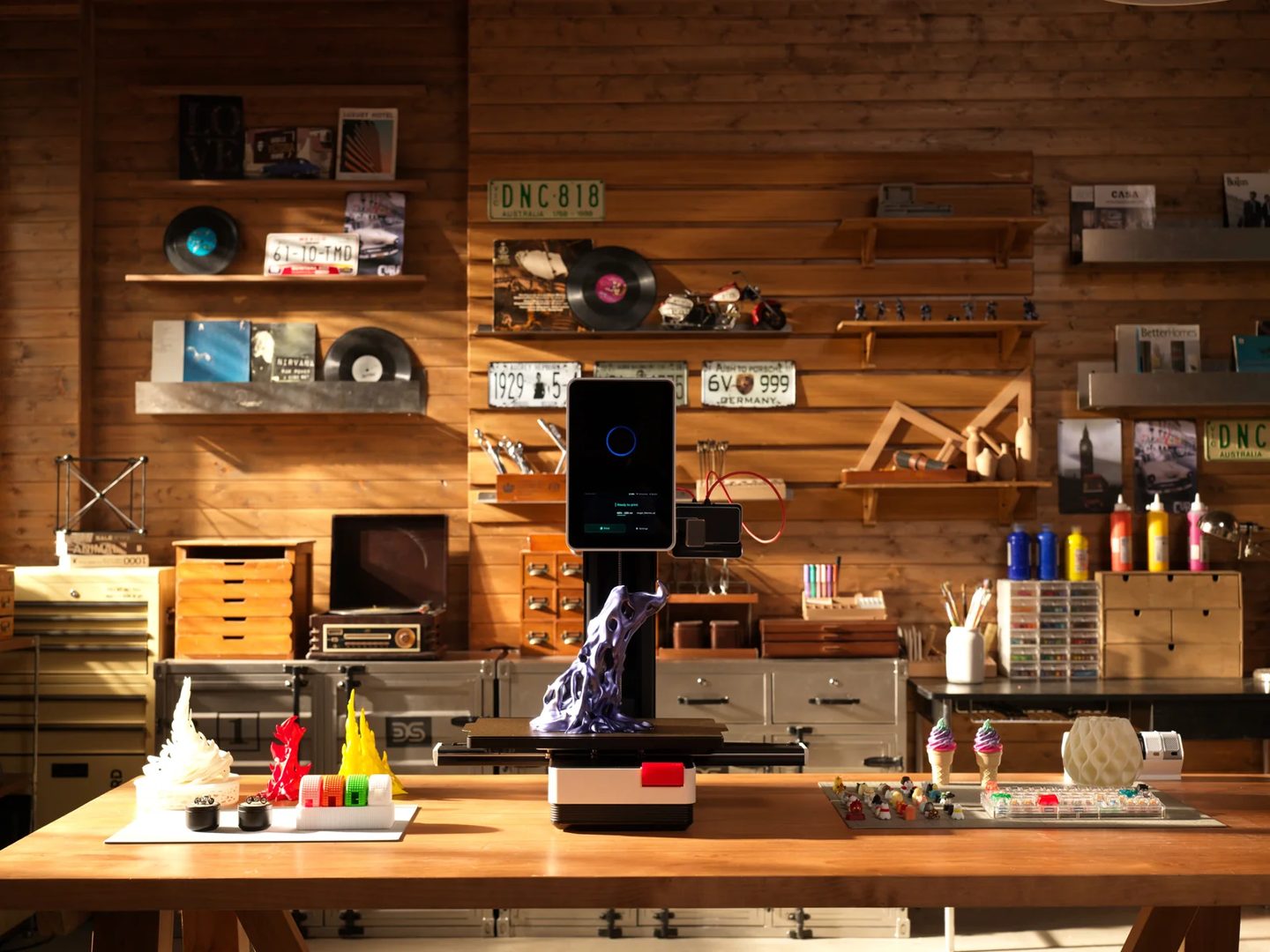
Color lands between layers: the machine prints one to four layers, moves the platform to the coloring position and lays ink along the part’s perimeter before printing resumes. Color needs a hydrophilic resin that can form the part and receive the ink, and the coloring step adds time to every build, with the added time set by the model and the color settings.
Hand-painting is off the job list.
Studio does the slicing, color included
Lynxel Studio handles the prep work: STL files for standard prints, and OBJ models with their PNG textures when a project carries color. Support generation, hollowing, a preview and resin-use estimates sit in the same tool, and the software is free on Windows 10 and 11 or macOS 12 and later.
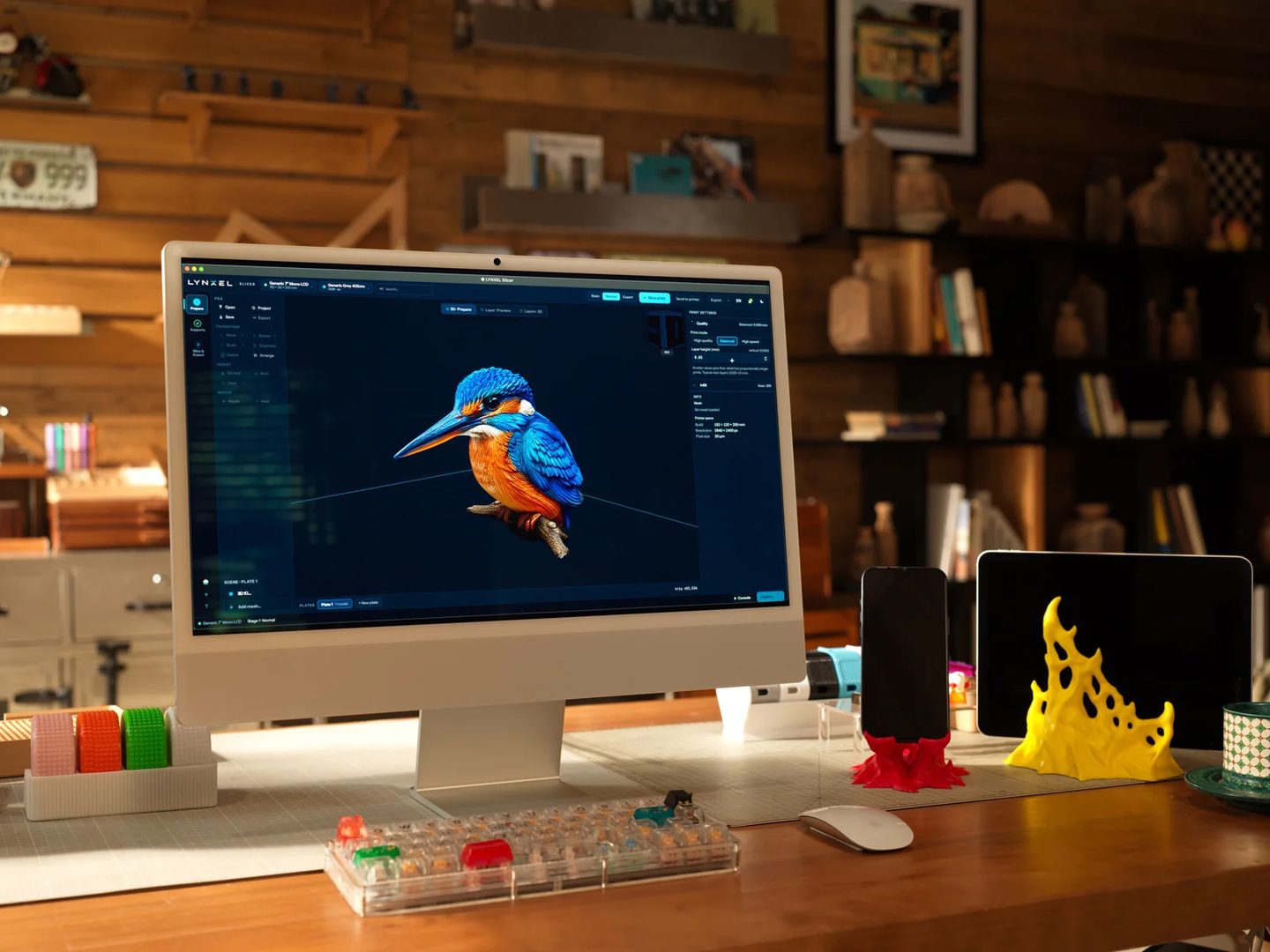
The printer carries a 5-inch capacitive touchscreen, dual-band Wi-Fi, a fixed-focus 1080p camera and ID-chip material recognition with semi-automatic zeroing and manual build-plate adjustment. A planned app adds live progress monitoring.
Frankfurt first, then a December campaign
Both printers stand in Hall 11.0, Booth A79 at Formnext in Frankfurt from November 17 to 20, with functional and full-color samples on the table. Bring questions, not a wallet.
Lynxel targets a December 2026 Kickstarter launch, slipping to January 2027 only if testing progress or production readiness demands more time. Pre-orders open in November with small deposits, and the company aims to deliver the first printers around May, inside three months of the campaign’s end.
Final prices, configurations and launch features stay unannounced until the campaign nears.