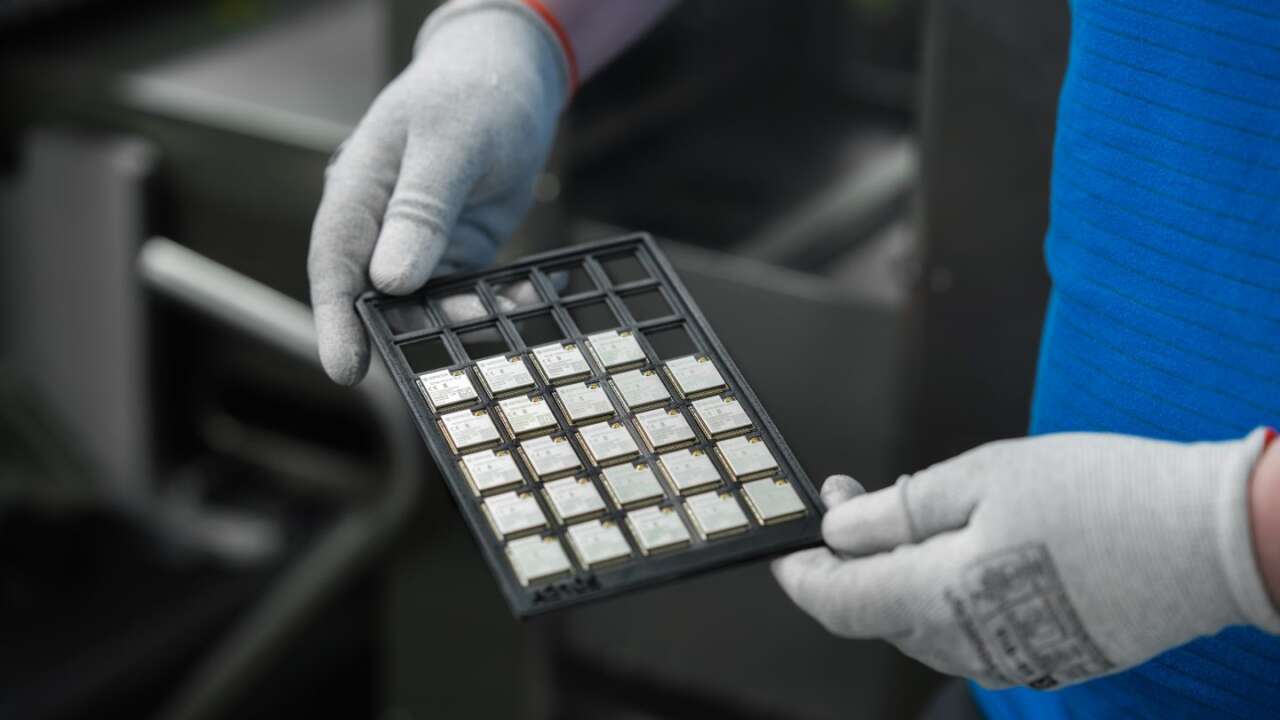
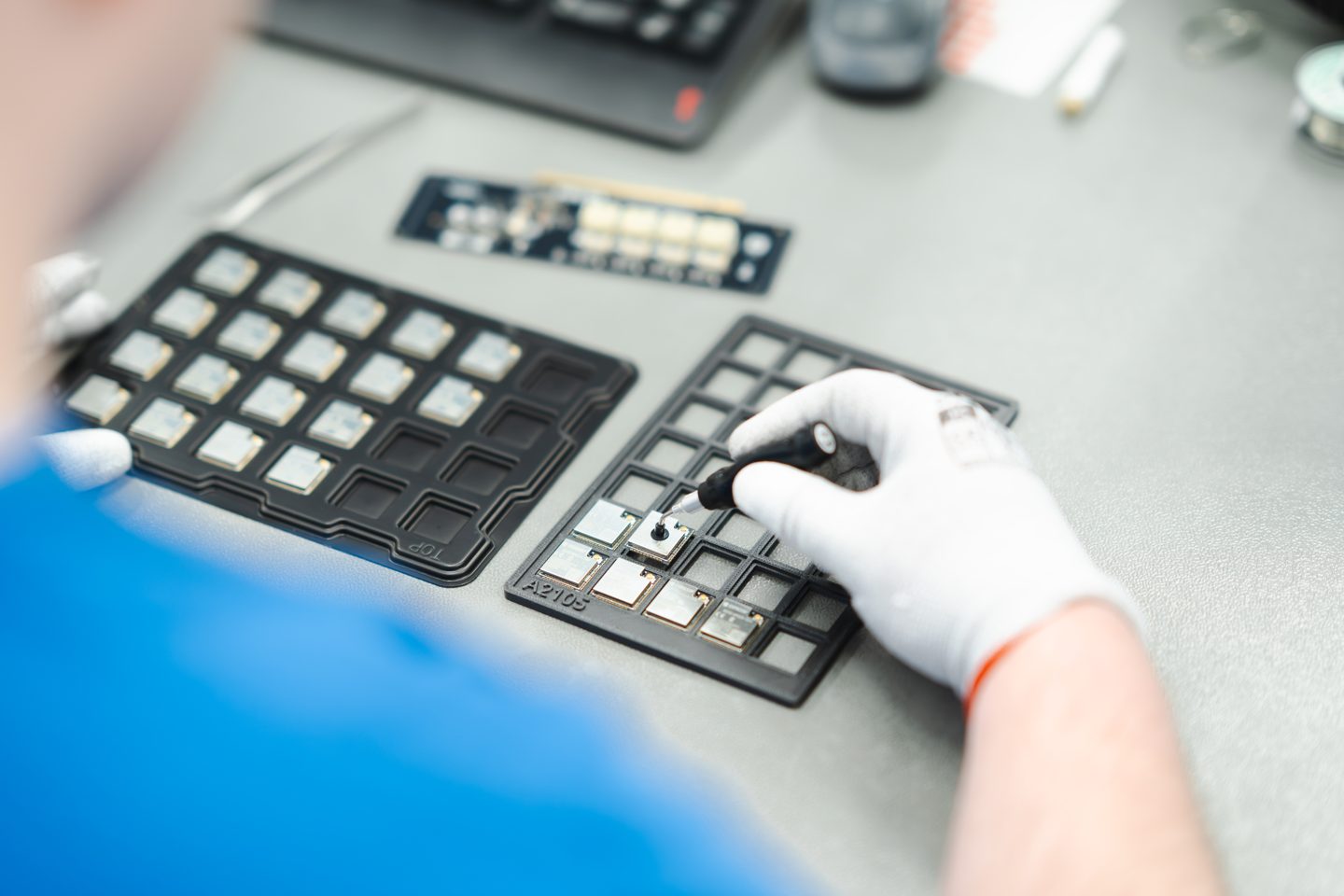
Prusament PETG ESD is a carbon-filled filament built for printed parts that sit in direct contact with sensitive electronics, and its dissipative properties come from carbon nanotubes rather than conductive carbon black. A printed tray, housing or fixture can bleed off static instead of holding a charge next to a bare board.
Prusa prints with the material inside its own factory, where a PETG ESD fixture pulls stray powder-coating paint away from print sheets before the sheets pick up an uneven coat. The fixture started as a rapid prototype, proved itself in production, and then earned a permanent metal version.
Prusament PETG ESD Black 1kg
Carbon-filled PETG with electrostatic-dissipative properties · 1.75 mm diameter held to ±0.04 mm · Matte black finish
Price: $56.99
Where to buy: Buy at Prusa
Polymaker’s Fiberon PETG-ESD covers the same ground for less money up front. Static is the enemy here.
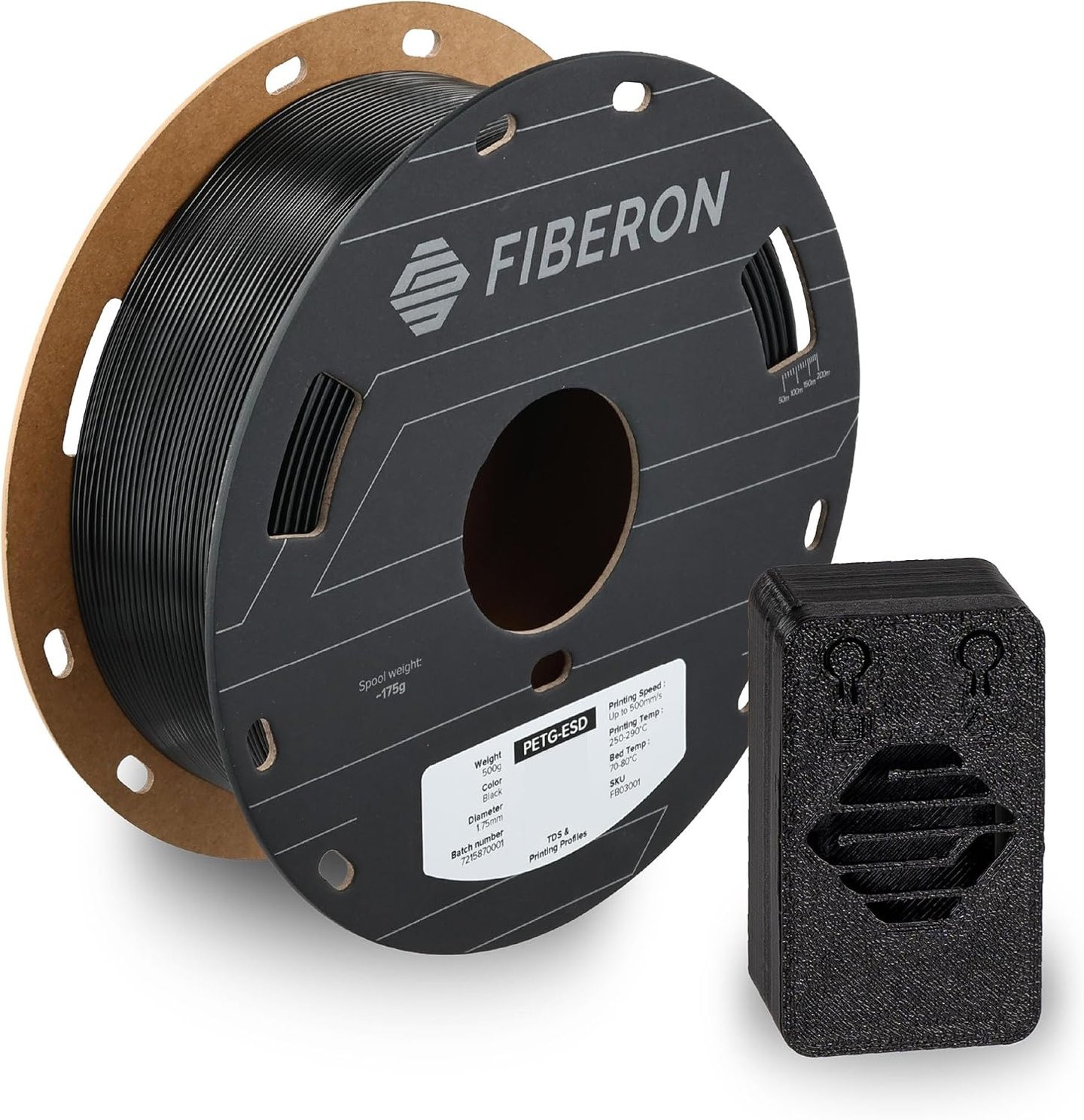
Polymaker Fiberon PETG-ESD Black 0.5kg
Electrostatic-dissipative PETG for electronics work · 1.75 mm filament · Half-kilo spool
Price: $25.99 $32.99 (save $7.00, 21% off)
Where to buy: Buy on Amazon
Carbon nanotubes carry the static away
The nanotubes sit inside the polymer and stay there, so the finished part sheds no conductive filler into the equipment around it while it drains charge at a controlled rate. Prusa rates volume resistance at 7.7×10^6 ohms, with surface resistance at 7.1×10^5 ohms on the top layer and 1.6×10^6 ohms on the bottom layer of the finished part.
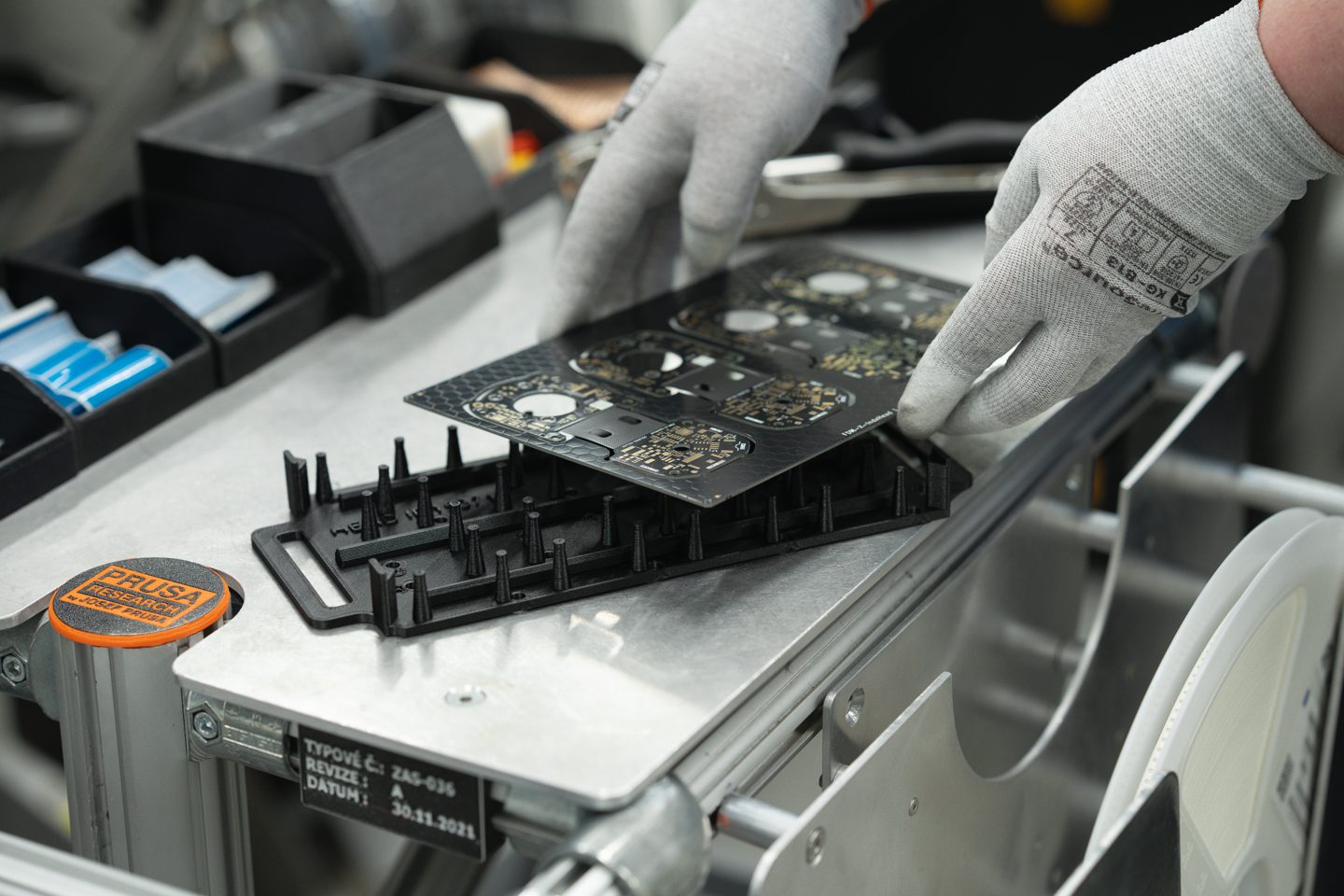
Those numbers hold across print profiles, orientations and infill levels at a fixed temperature. Push the nozzle toward 290 °C, though, and the same material starts behaving like a conductor instead of a dissipator at all. That control is the product.
The target parts are housings, frames and other structural components.
It prints hot and eats brass nozzles
Prusa’s profile runs a 265 °C nozzle over a 90 °C bed, both with a ten-degree window either way, and the supported profiles cover the MK4S, CORE One+/L+, XL+ and HT90, with print surface preparation covered in Prusa’s material table. The carbon fiber load makes the filament abrasive, so a hardened 0.4 mm nozzle is the specified hardware rather than a suggestion. Diameter holds 1.75 mm within ±0.04 mm along the spool. Brass nozzles wear out fast here.
The spool is hygroscopic, and Prusa calls for six to eight hours of drying at 65 °C before a print run starts. Dried and dialed in, the fiber reinforcement holds large parts flat with very little warping, and the finished surface comes off the bed with a slightly rough matte black finish.
Toughness is the tradeoff
Standard Prusament PETG bends further before it breaks, and Prusa states plainly that the ESD version gives up some of that toughness to carry its carbon load. For a tray that cradles a board through an SMT line, that trade favors the ESD spool every single time. For a bracket that takes hits, it doesn’t.
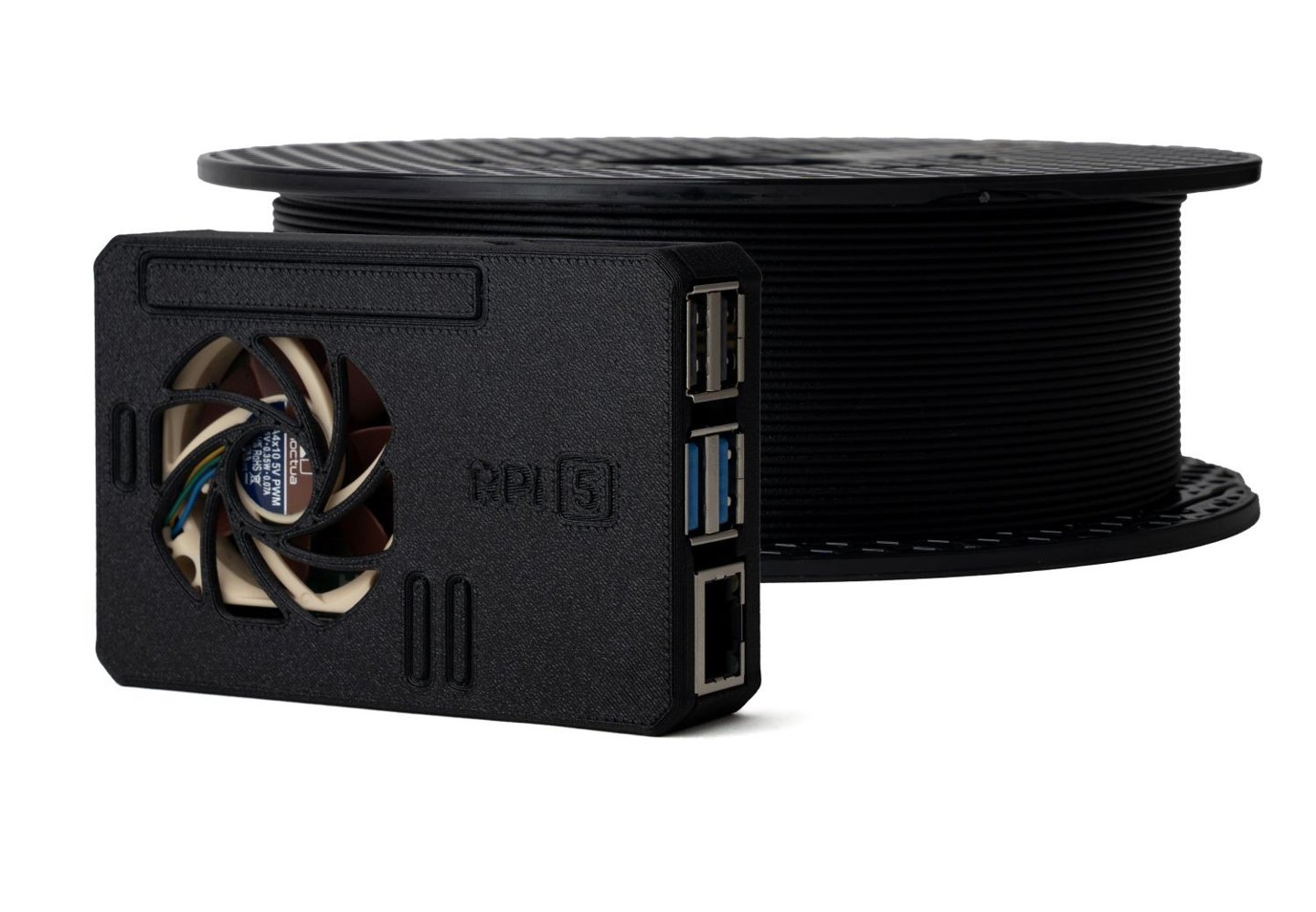
Every spool is made in Prusa’s own plants in the Czech Republic and Delaware, and it ships on the redesigned spool with a rewritable NFC tag the Prusa app reads offline. Buy the PETG ESD at $56.99 if your printed parts touch boards, chips or assemblies that a static snap can kill. Skip it for ordinary black PETG work, and take Fiberon’s half-kilo ESD spool at $25.99 when the job is small.