The DWISS store is down to its last orange S1. One silver piece sits beside it, and the four standard colors are draining behind both.
Sixty pieces remain across the six colors, out of 300 built since April. DWISS caps each color at 50 and never reissues a closed design, so every sale from here removes a watch the line never gets back. The counters sit on the store’s own product pages, updated as pieces sell, which makes the countdown public.
Price: $2,687 (standard colors), $2,809 (15th-anniversary editions)
Where to buy: DWISS
One orange, one silver
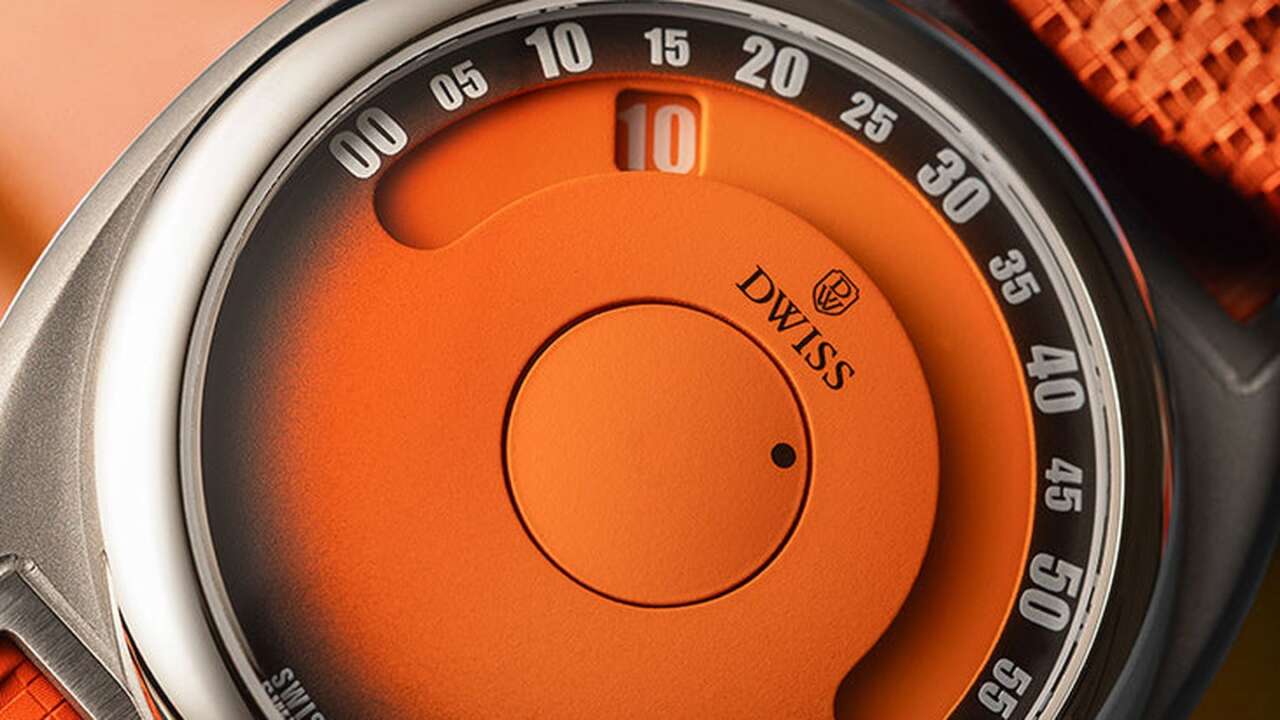
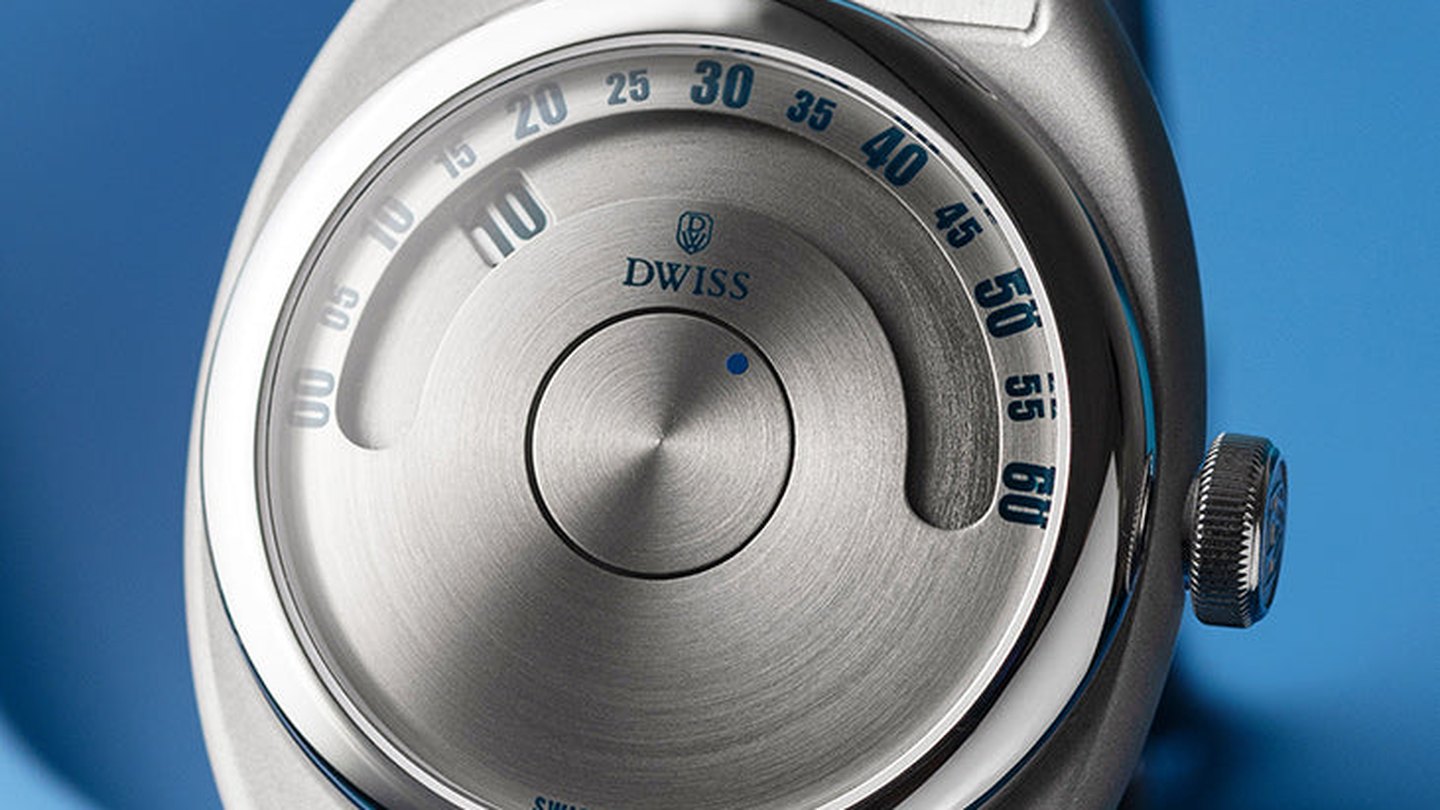
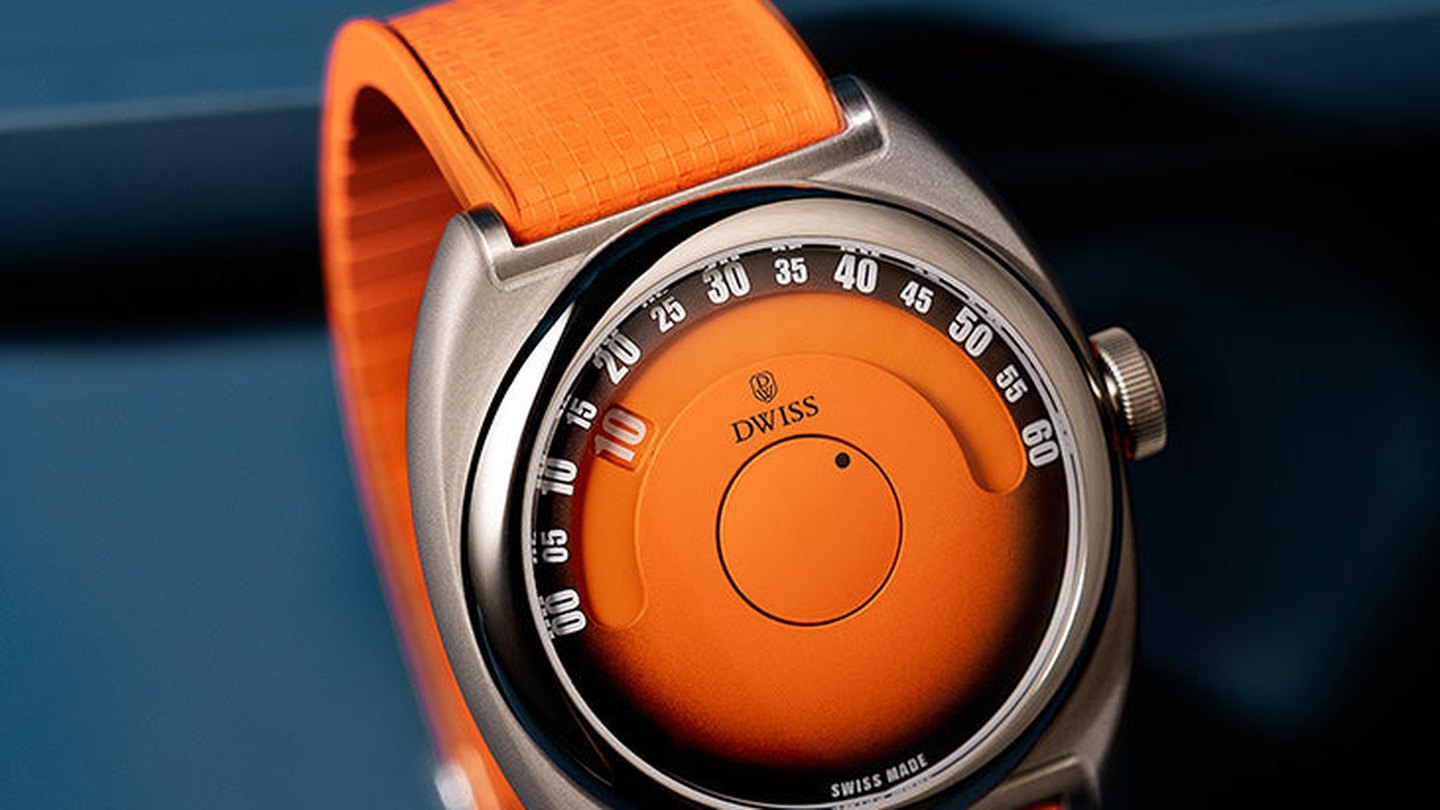
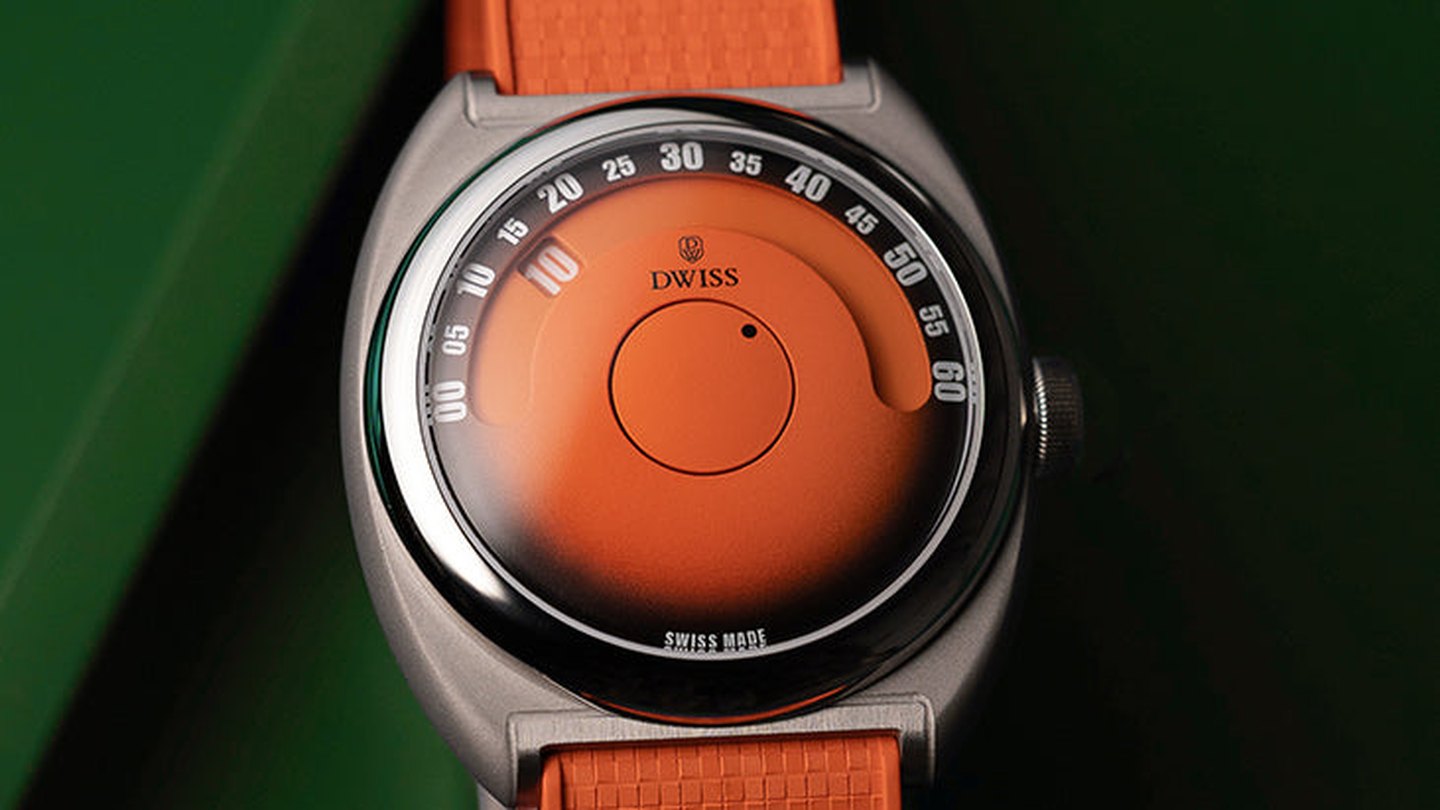
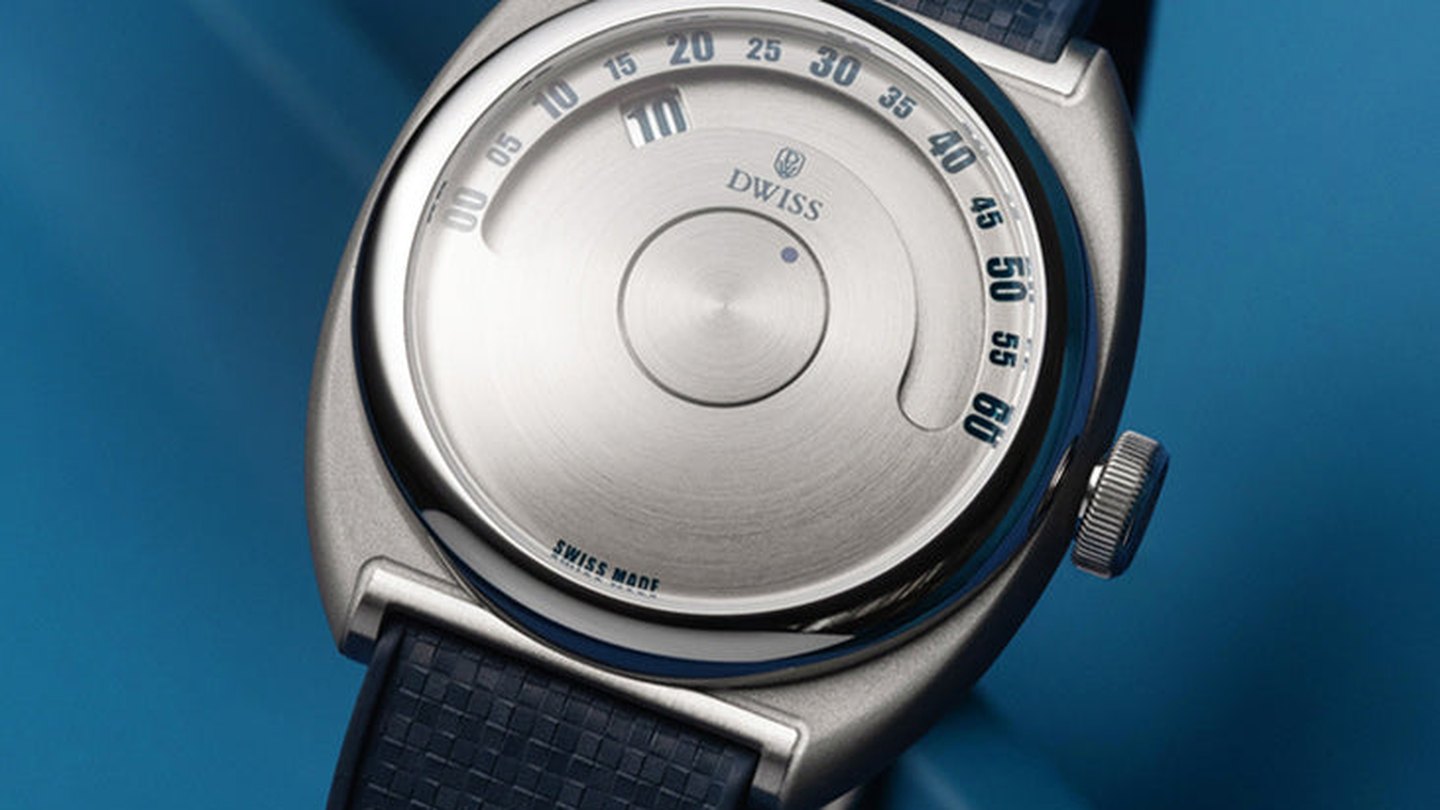
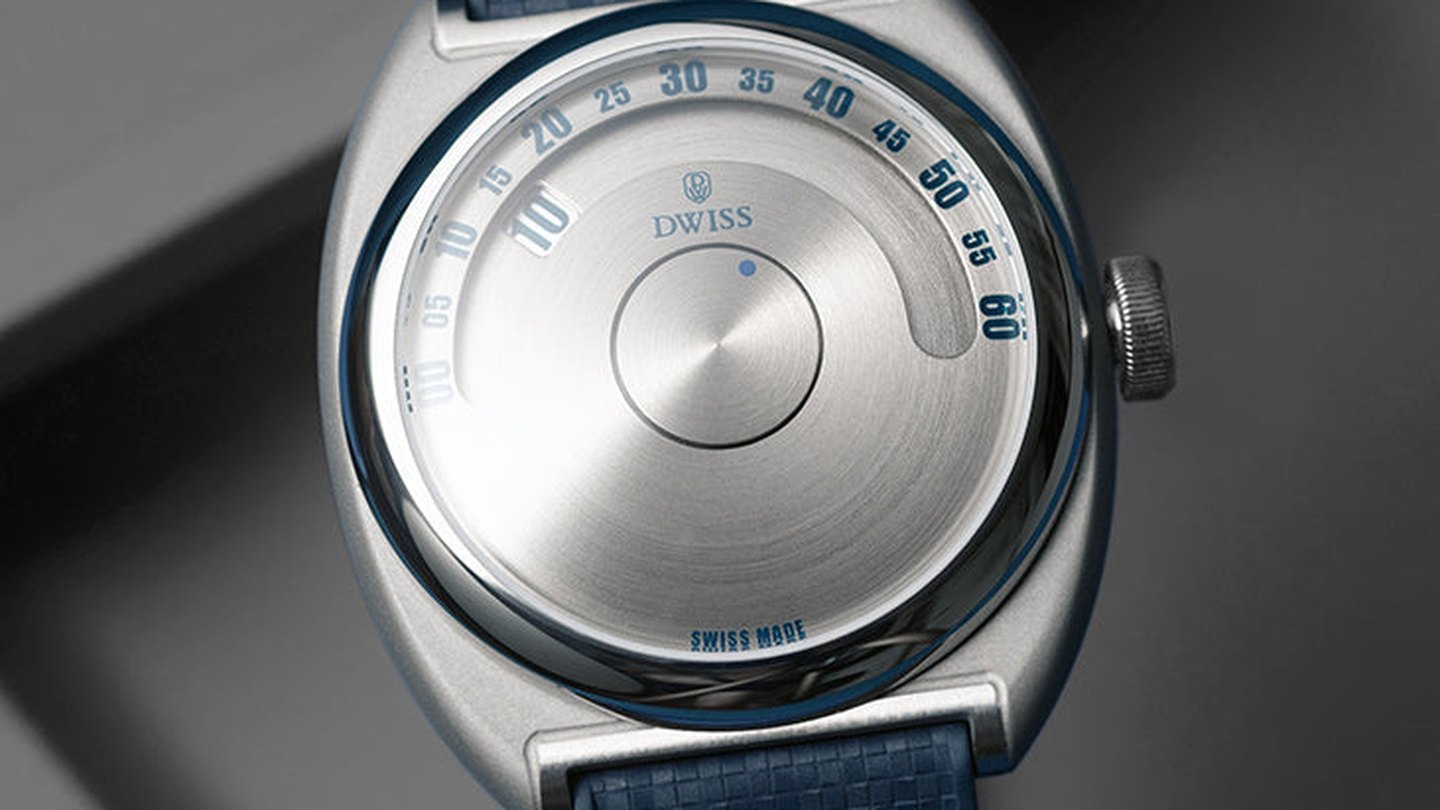
The two 15th-anniversary editions carry the urgency. Both arrived in July, each capped at 50 pieces, and the store’s stock count for orange and silver now reads one apiece.
Orange runs a saturated fumé dial, bright at the center and darkening to black at the rim, under a black chapter ring that carries the minute scale. Silver goes cooler: a circular brushed metal dial with blue numerals and a seconds disc that picks up the same blue.
Both anniversary watches ride on a DELUGS CTS rubber strap with a deployant clasp, an upgrade over the standard colors’ cut-to-size FKM. The case, the discs and the movement carry over unchanged.
The standard four are draining too
Blue is the thinnest standard color at nine pieces, salmon holds ten, and green and black carry the deepest stock at 19 and 20.
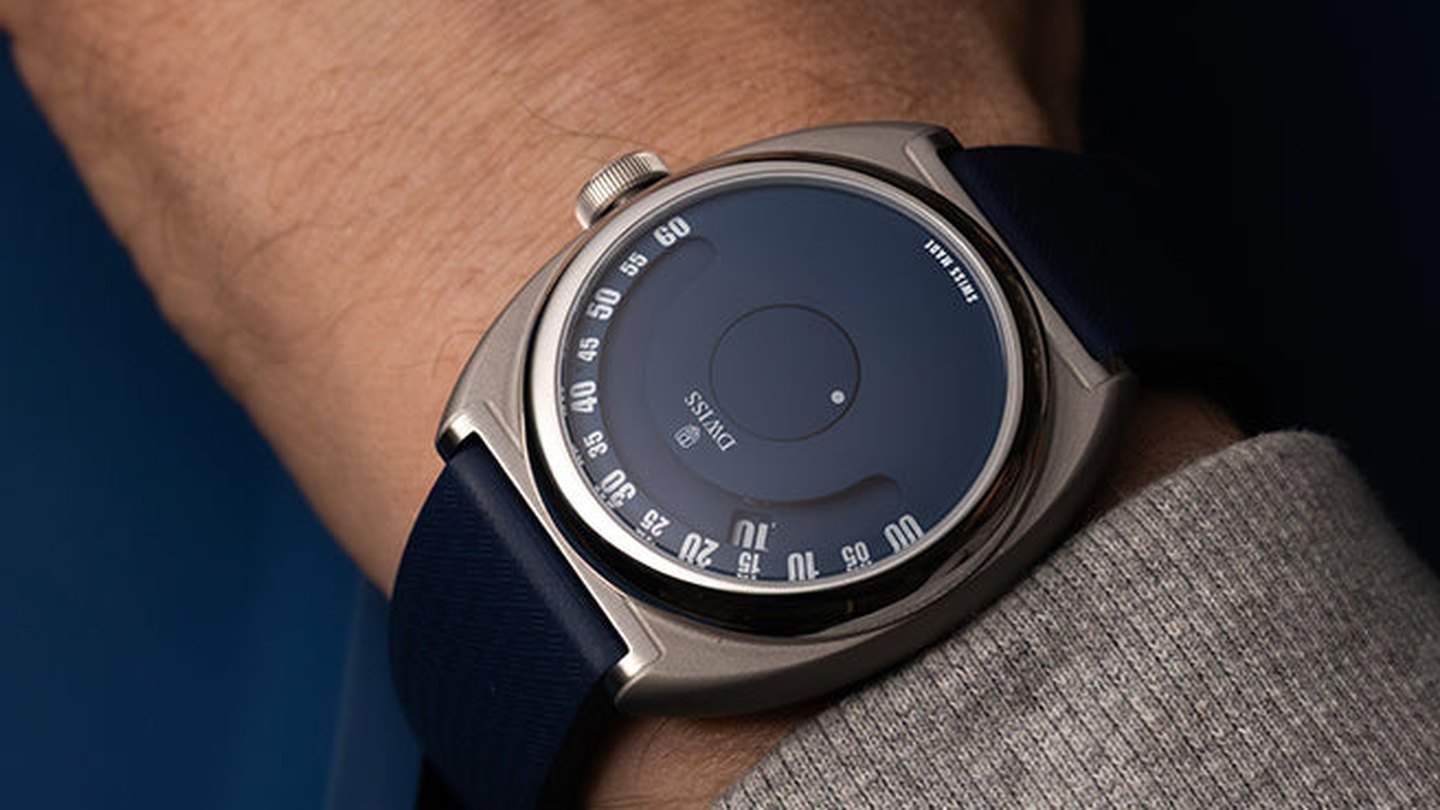
There is no waitlist behind those numbers and no second production run. DWISS retires every collection once it sells out, a policy the brand has held since its first watch in 2011, and the S1 follows it.
The remaining stock sells at the standard retail price, with free worldwide shipping and a 24-month warranty. At the S1’s Geneva debut in April, piece number 01 auctioned for 30 percent above retail. The last 60 go at the listed price, first come until each color sells through.
If a standard color is the buy, blue goes first and green lasts longest. Salmon is the warmest dial of the four; black is the quietest. The ranking won’t survive the stock count for long.
Why this display costs what it costs
Wandering hours is a short field. Audemars Piguet’s Starwheel and Urwerk’s satellites carry it at five-figure prices, a level the display has held since 1656.
DWISS calls the S1 its most ambitious timepiece to date, the flagship of a 15-year run that has collected 34 international design awards. At $2,687 it undercuts the rest of the field by an order of magnitude.
The read, in short
Two satellite discs cross the top of the dial, one carrying the odd hours and the other the even ones, and whichever numeral sits on the minute scale is the time: the 10 on the 15 reads 10:15. A carrier turns once every two hours to bring each numeral up in turn while the rest stay hidden under the dial, and seconds tick on a small disc at the center.
We broke the display down in full when the S1 landed in November, including the two-disc layout DWISS cut down from the usual three. Designer Rafael Simoes Miranda shaped the arc after the Moon’s orbit, and the hour crosses the dial the way the Moon crosses the sky. It is DWISS’s third wandering hours design, after the two-disc RW1 of 2020 and the three-disc M3W of 2021.
The trade stays the one we flagged in November. Hands are faster, and a conventional dial reads at a distance and in poor light. This one asks you to look at it.
Case and caliber
The cushion case runs 40 mm across, 44 mm lug to lug and 13.8 mm thick, rated to 100 meters of water resistance. The body is sandblasted and the lugs are brushed, two matte finishes that shrug off the scuffs a polished case collects, and a polished bezel rings the double-domed sapphire.
Inside sits a La Joux-Perret G100 Soigné, modified with the module that drives the two discs. The movement runs at 4 Hz with 24 jewels and a 68-hour power reserve, close to double the 38 to 42 hours the ETA and Sellita workhorses carry. Take it off Friday night and it’s still running Monday morning.
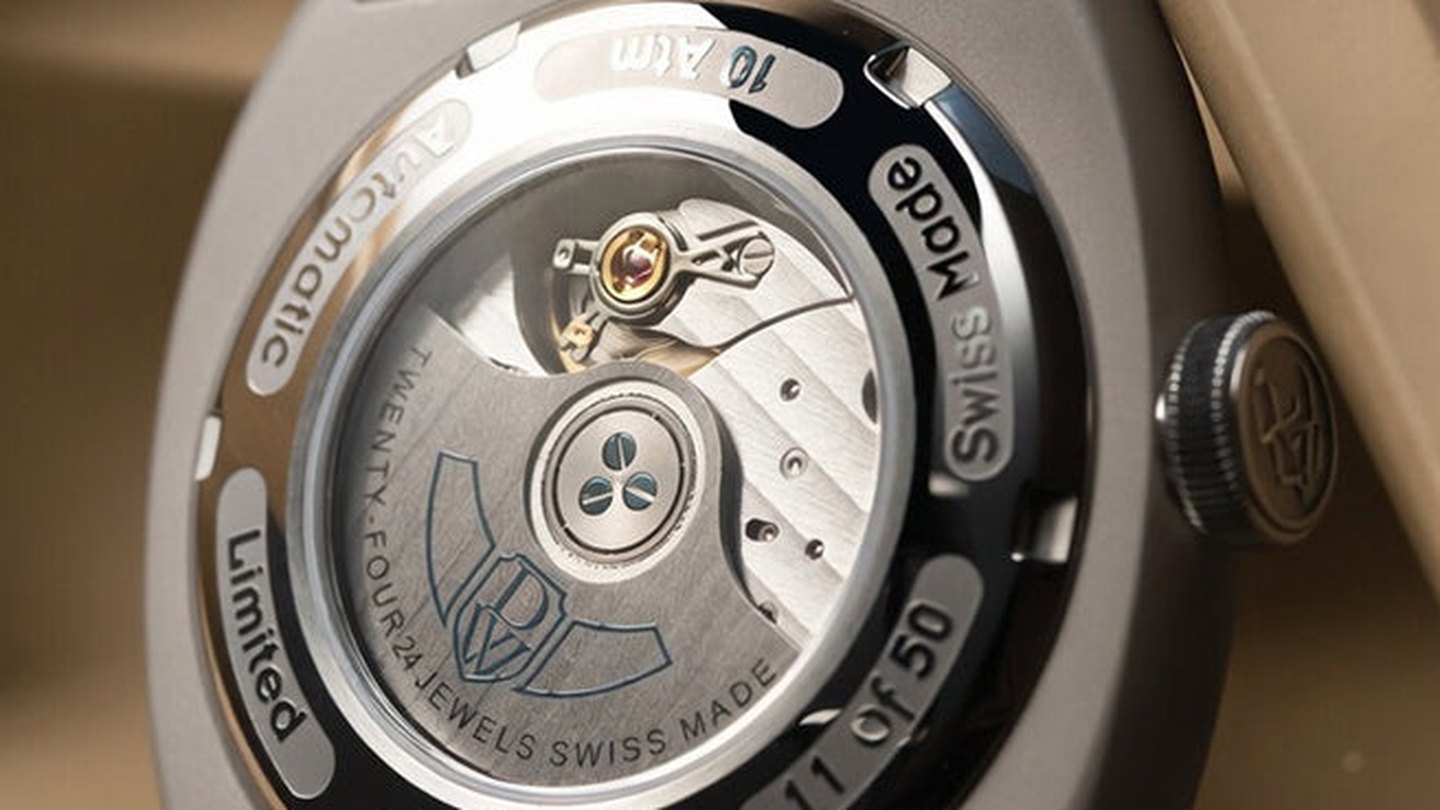
The Soigné grade shows through the exhibition caseback: Geneva stripes, perlage and blued screws. Each watch’s edition number is engraved on the back, out of 50 for its color.
| Color | Price | Left at DWISS |
|---|---|---|
| Blue | $2,687 | 9 |
| Green | $2,687 | 19 |
| Salmon | $2,687 | 10 |
| Black | $2,687 | 20 |
| Silver (15th anniversary) | $2,809 | 1 |
| Orange (15th anniversary) | $2,809 | 1 |
Stock counts are DWISS’s own store figures, read today. When a count reaches zero, that color closes for good.
The cheaper way into the same display
CIGA Design’s Time Cipher runs the same wandering hour idea in a 45 mm steel case for $899 on Amazon. It wears bigger than the DWISS and the finishing sits a step down, and in exchange it costs about a third as much. It is also the version that stays buyable after the S1 closes.
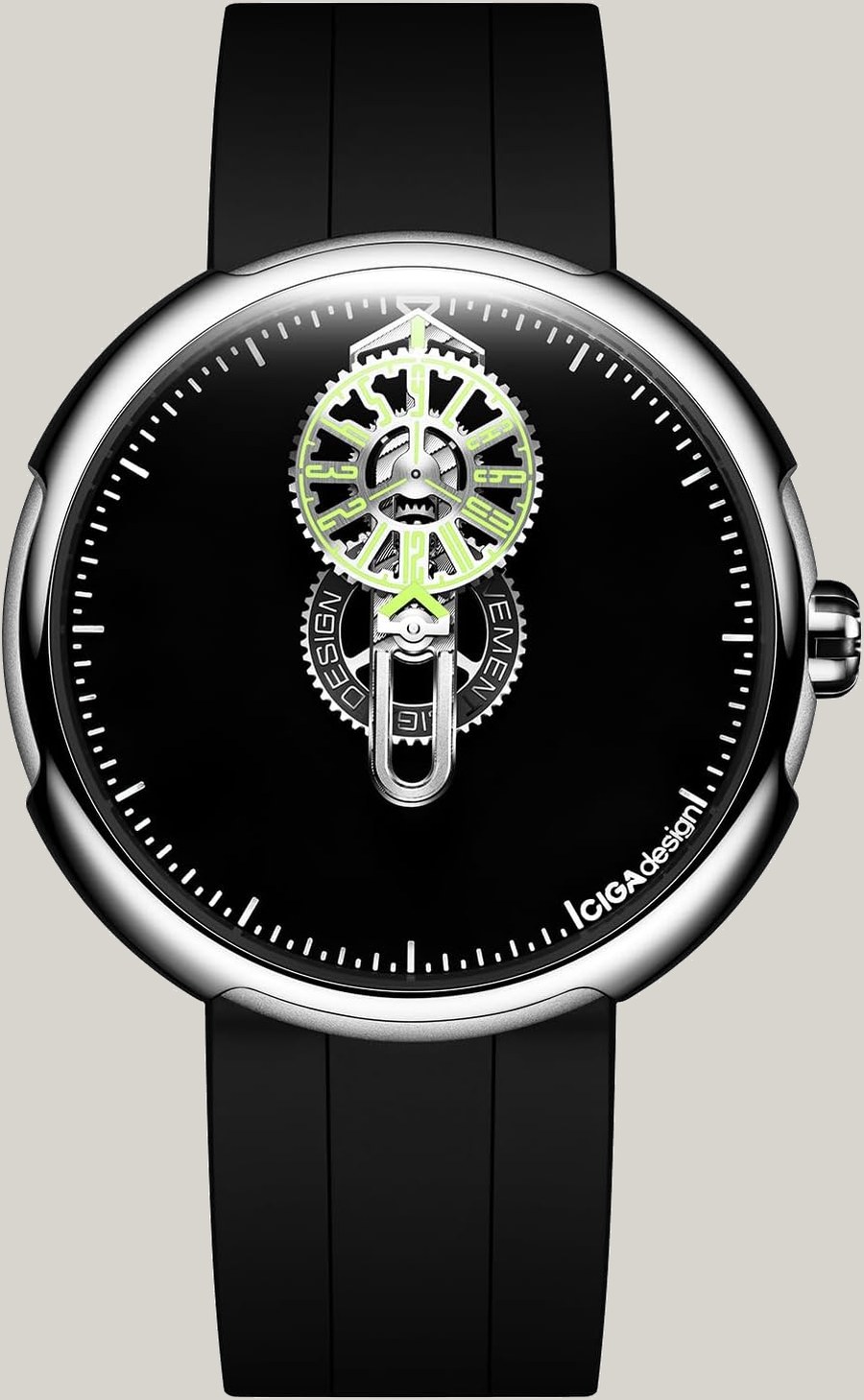
Price: $899
Where to buy: Amazon
Most limited editions end with an announcement. This one ends with a stock count anyone can read. Pick a color while it still has a number next to it, or watch it close: orange and silver are already down to the last watch each, and the standard four are following them.
Price: $2,687 (standard colors), $2,809 (15th-anniversary editions)
Where to buy: DWISS