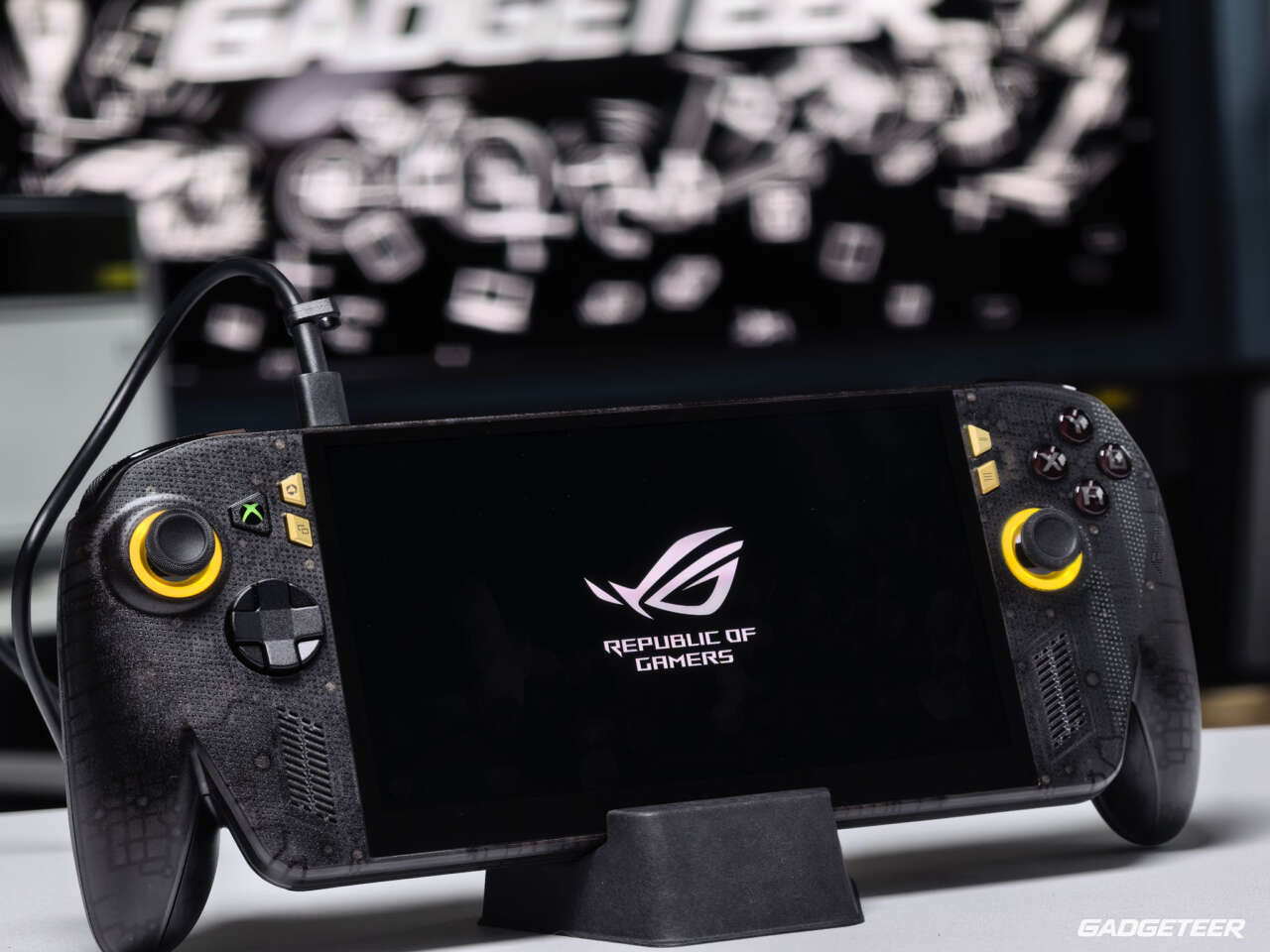
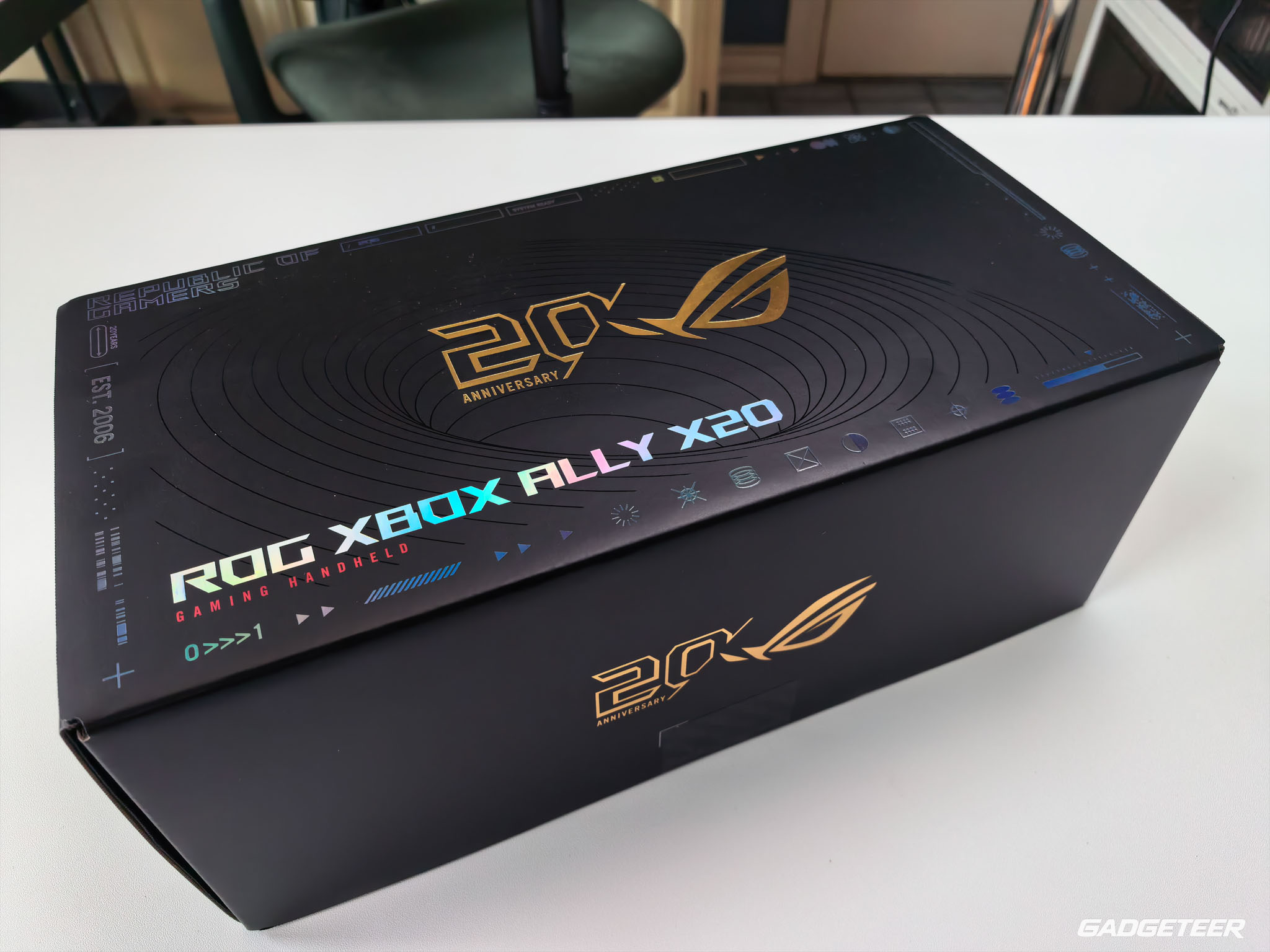
The ROG Xbox Ally X20 makes its anniversary treatment visible before the screen comes on. Out of the gold-branded box, the translucent black shell, gold accents and illuminated stick rings give ASUS’s latest handheld a distinct look. The more useful changes sit between those accents: a larger OLED display, magnetic thumbsticks, a transforming D-pad and rubberized grips.
This is a first look at the hardware and design. Gaming performance, battery life, fan noise and temperatures will get their own attention in the full review. For existing Xbox Ally X owners, there’s already an important distinction: the X20 keeps the same processor, memory, storage capacity and battery capacity. The upgrade centers on the screen and the parts you hold and press.
Price: $1,299.99
Where to buy: ASUS (temporarily out of stock; notification option available when checked October 15)
Out of the box, around the handheld
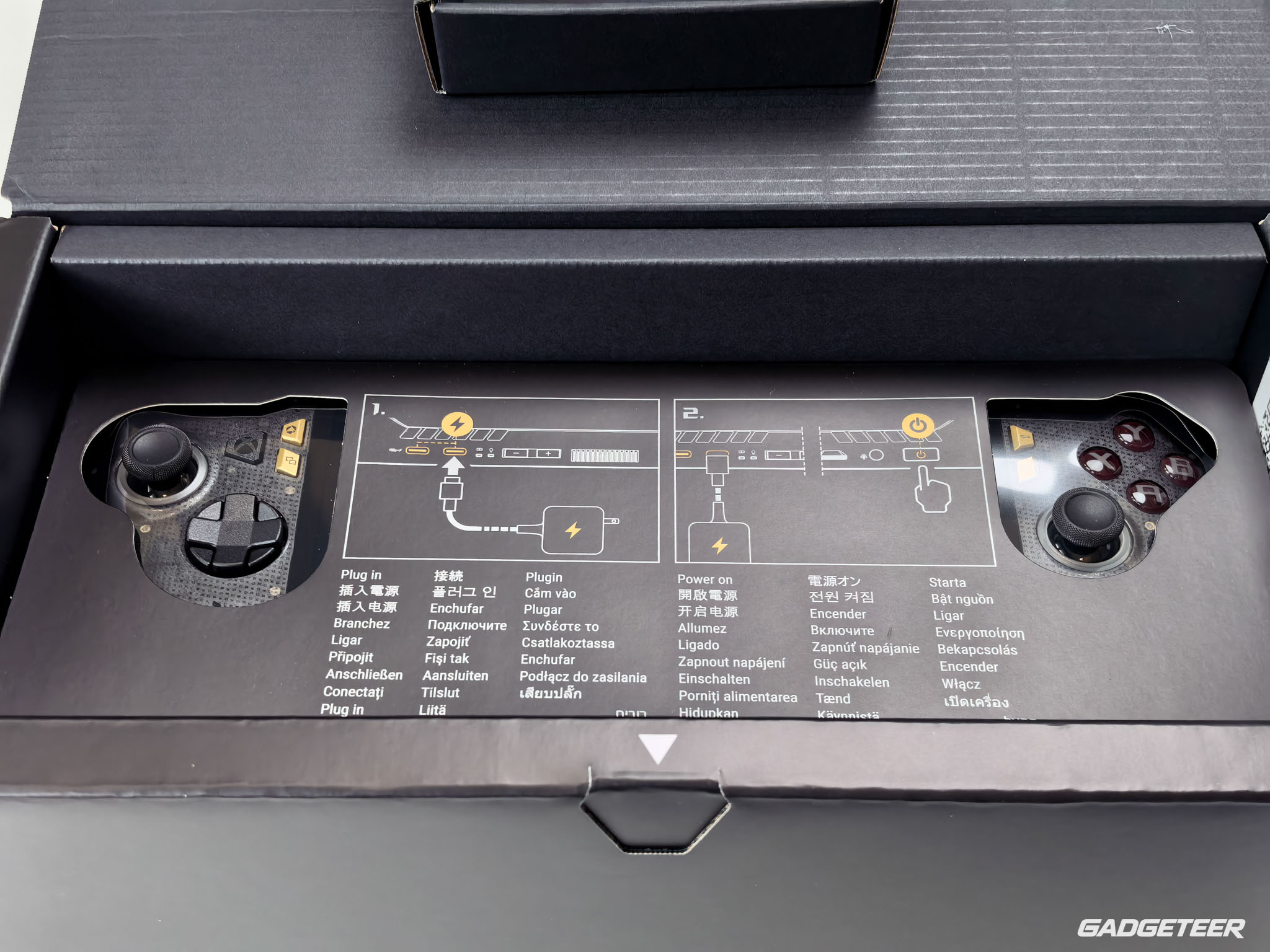
The packaging carries the gold anniversary branding into the first reveal. Above the open box, the X20 has the familiar shape of a controller stretched around a screen, with substantial grips at each end. The left stick sits above the D-pad, while the right stick sits below the ABXY buttons. Gold details break up the black front without changing that recognizable layout.
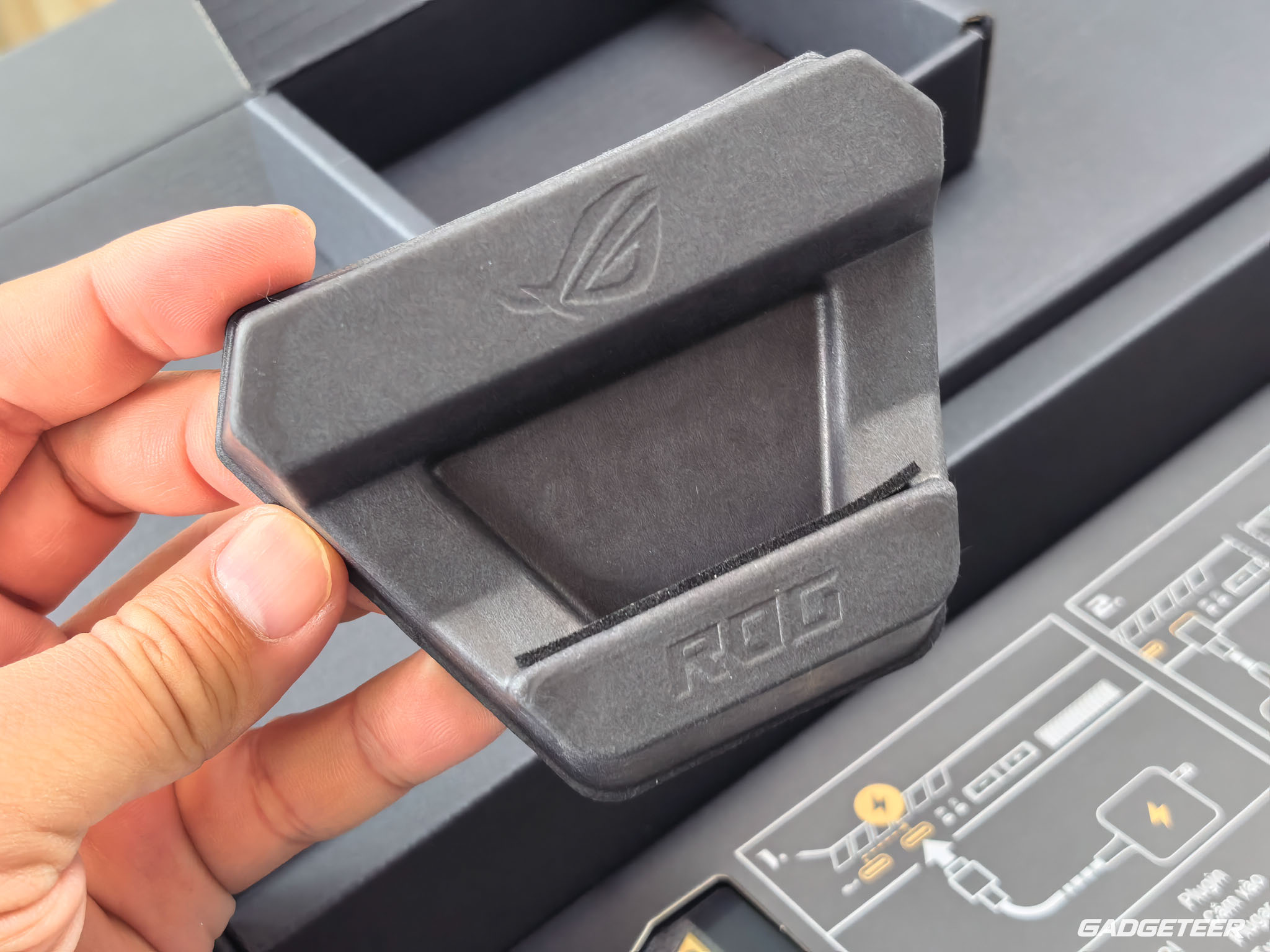
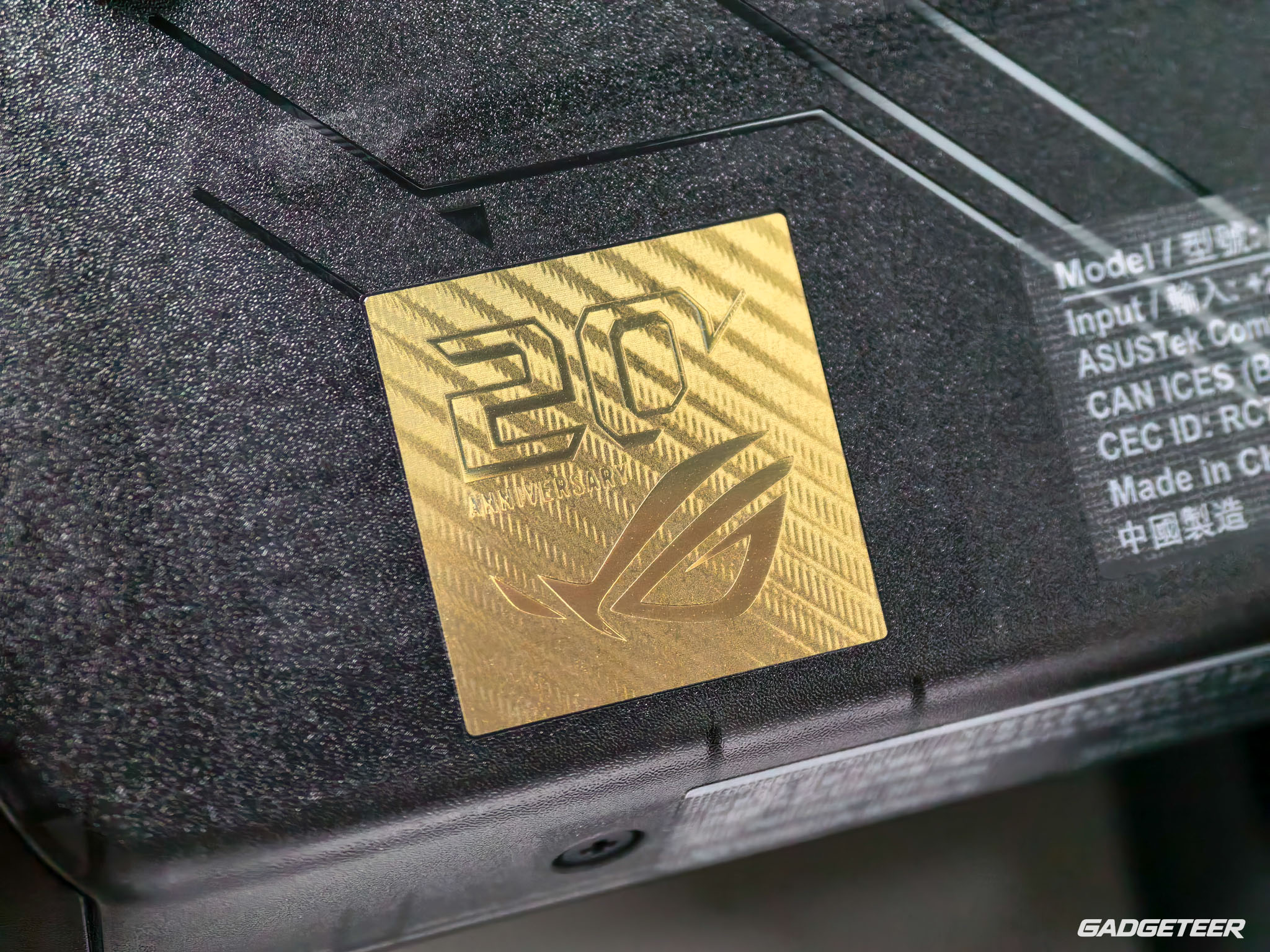
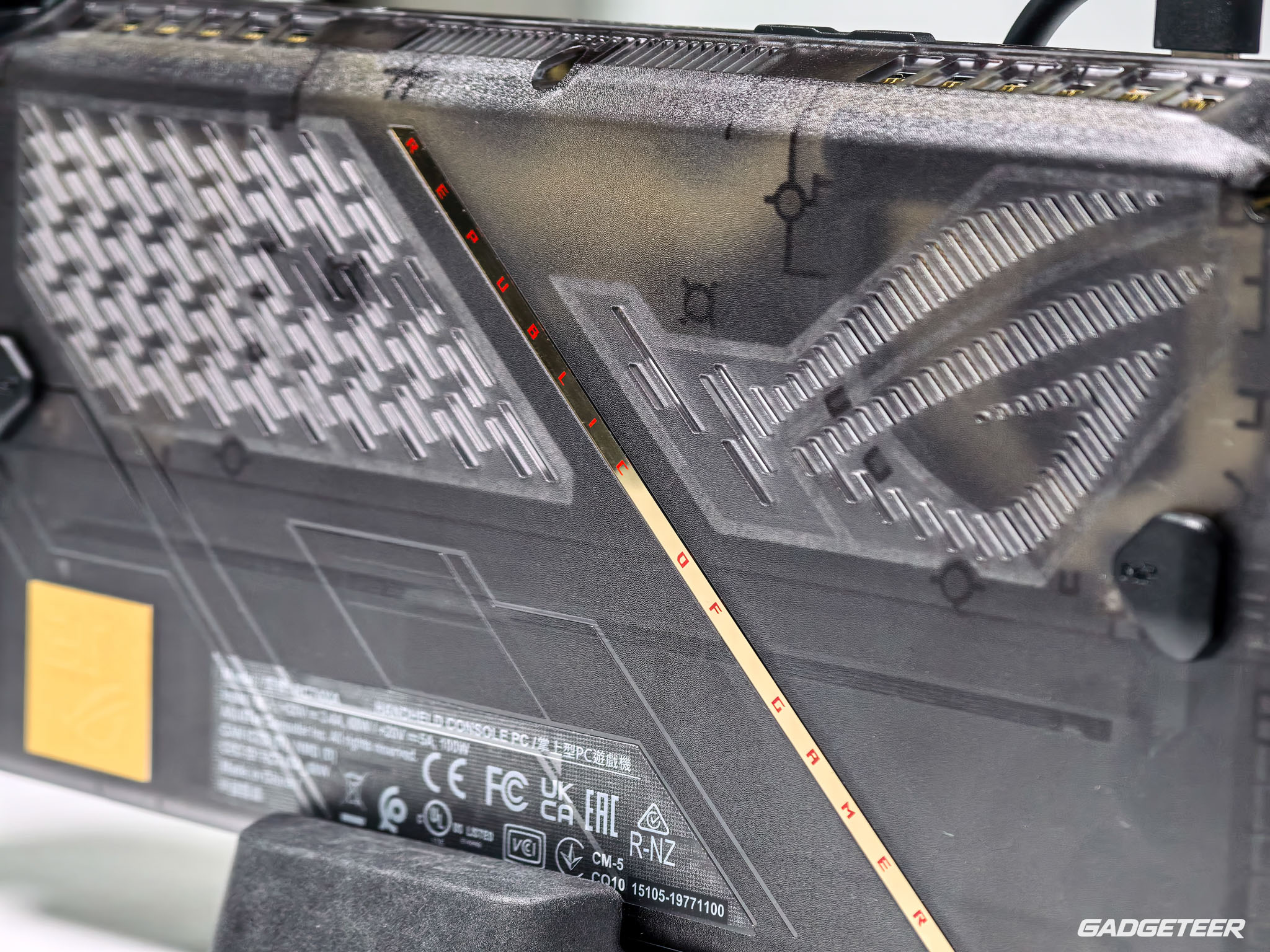
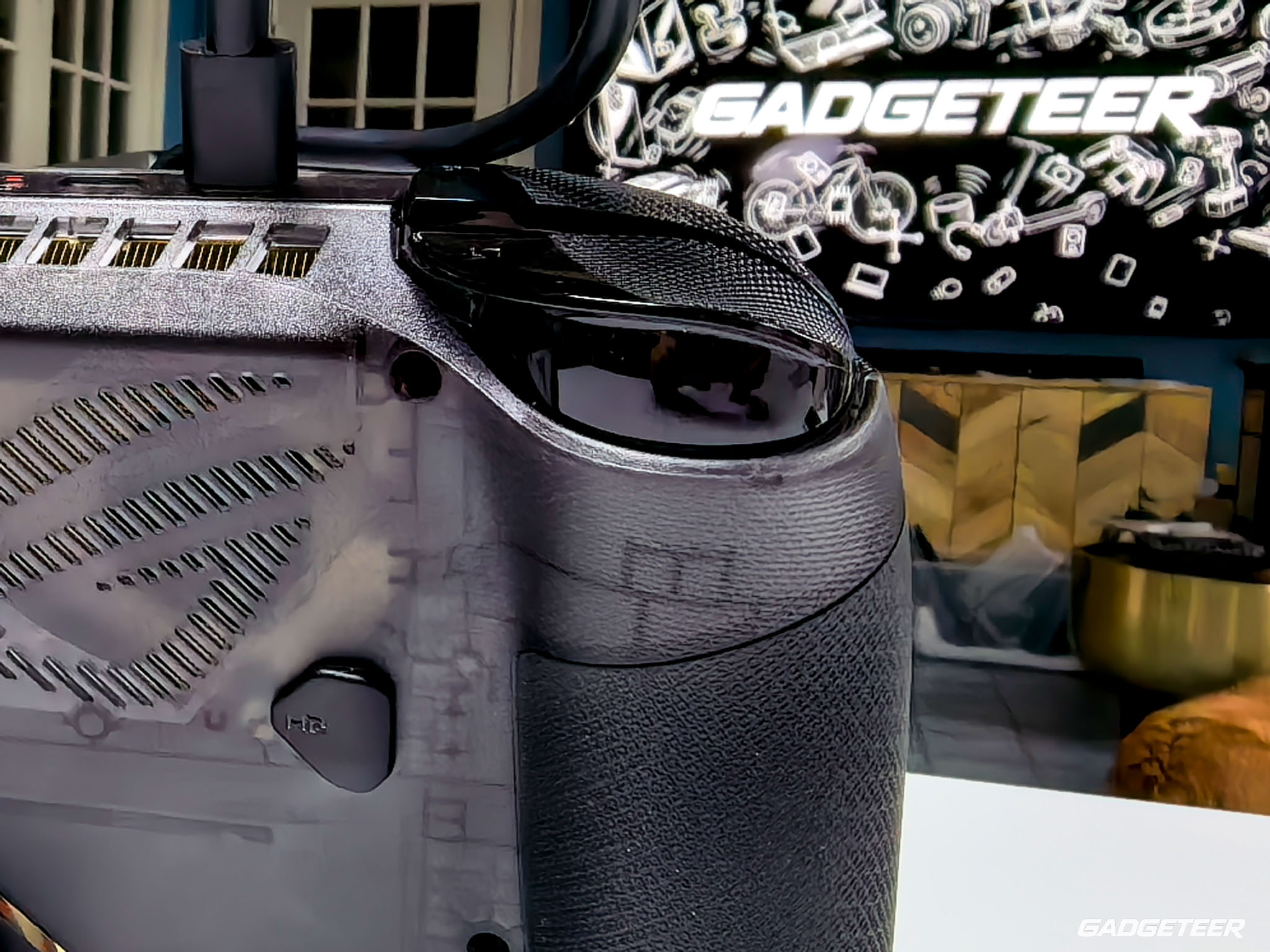
Turn it over and the design gets busier. Vents, two rear buttons and a diagonal gold stripe share the back panel. The translucent finish lets the internal gold treatment contribute to the exterior, rather than confining the anniversary design to a logo. ROG turns 20 this year, and the X20 carries that celebration around the whole device.
The grips extend behind the screen. Their textured surfaces give the handheld a different contact area from the smooth central shell. Along the top, the ports and vents sit between the shoulder controls, keeping the front focused on the screen and game inputs.
At 756 grams, or about 1.67 pounds, the X20 is 41 grams heavier than the 2025 Xbox Ally X. The new rubberized grips are a practical part of this redesign, but the extra weight still comes along for every session.
A larger OLED screen at the same resolution
The screen grows from the 2025 Xbox Ally X’s 7-inch IPS panel to a 7.4-inch OLED touchscreen. Resolution stays at 1920 × 1080, and the refresh rate stays at 120 Hz. That combination puts the emphasis on a larger image and the change in display technology, without adding more pixels for the processor to render.
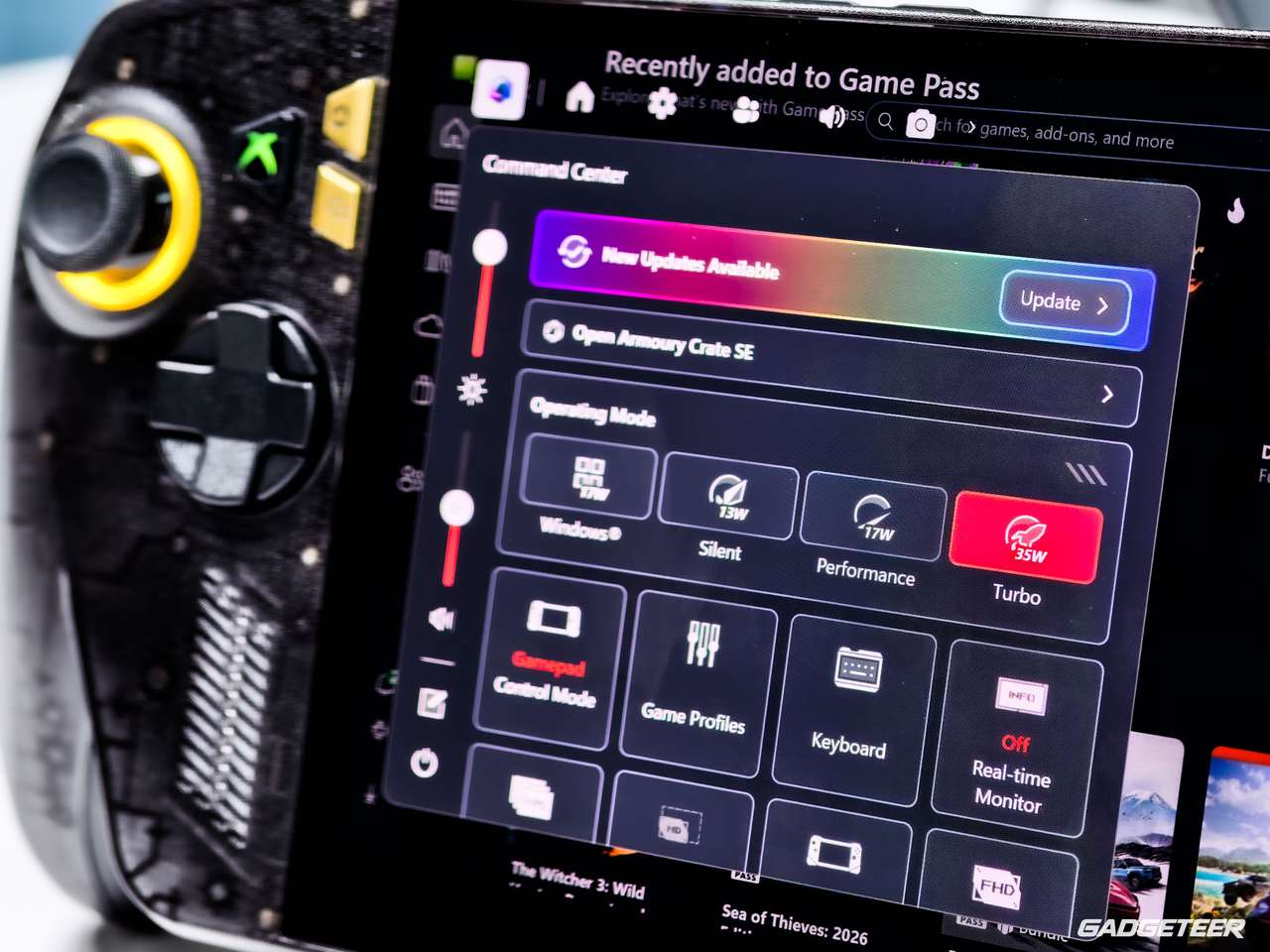
Brightness is rated at 600 nits in SDR and up to 1,400 nits for HDR highlights. Dolby Vision and FreeSync Premium Pro are part of the display package, with a 30 to 120 Hz variable-refresh range. Variable refresh adjusts the display to changing game frame rates to help reduce tearing; the 120 Hz specification doesn’t mean every game runs at 120 frames per second.
The two HDR settings give the display different priorities. Native is designed to preserve the intended colors, lighting and shadow detail. Vivid increases color and intensity. Those are useful choices to have on the handheld itself, particularly when moving between a restrained game palette and something deliberately bright.
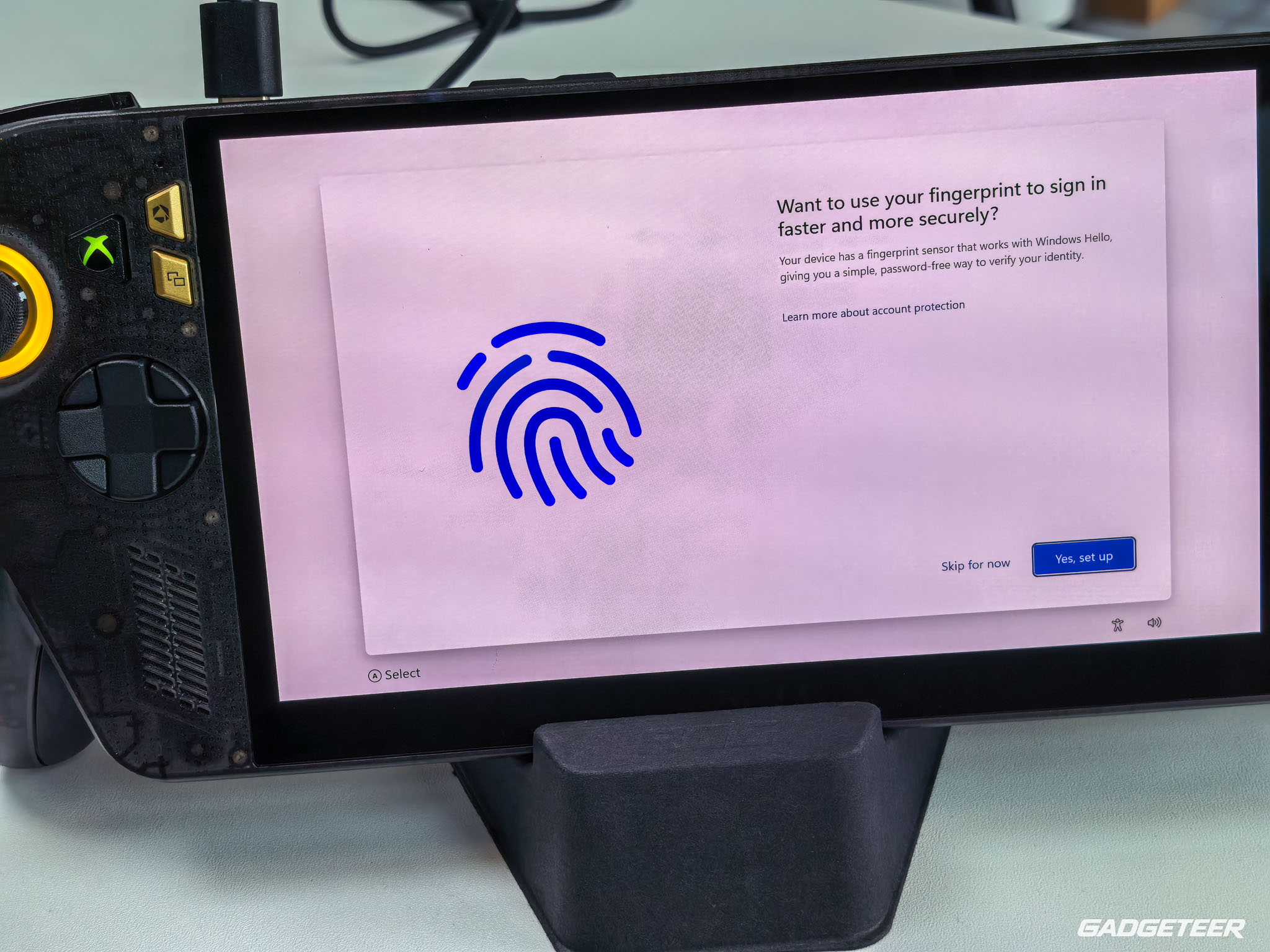
With the handheld powered on, the Xbox interface fills the screen between the illuminated rings. The controls remain outside the display area, leaving the center for the library and its game tiles.
A D-pad that changes shape, plus new sticks
The transforming D-pad is one of the X20’s most specific changes. Lift it slightly and rotate it 90 degrees to switch between four-way and eight-way operation. You don’t need tools or loose replacement pieces. It gives players a way to choose more distinct cardinal directions for a platformer or a layout suited to diagonal inputs in a fighting game.
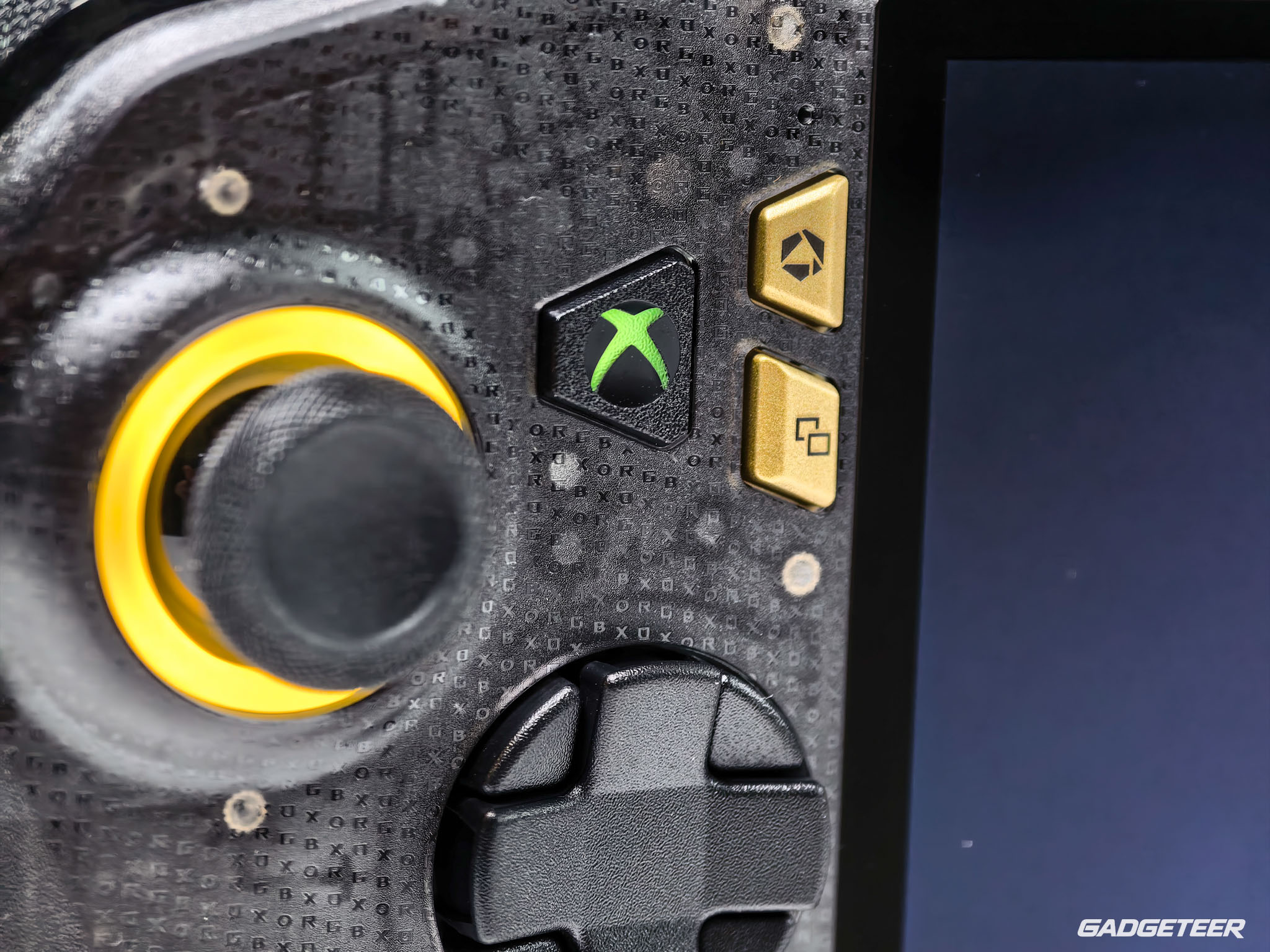
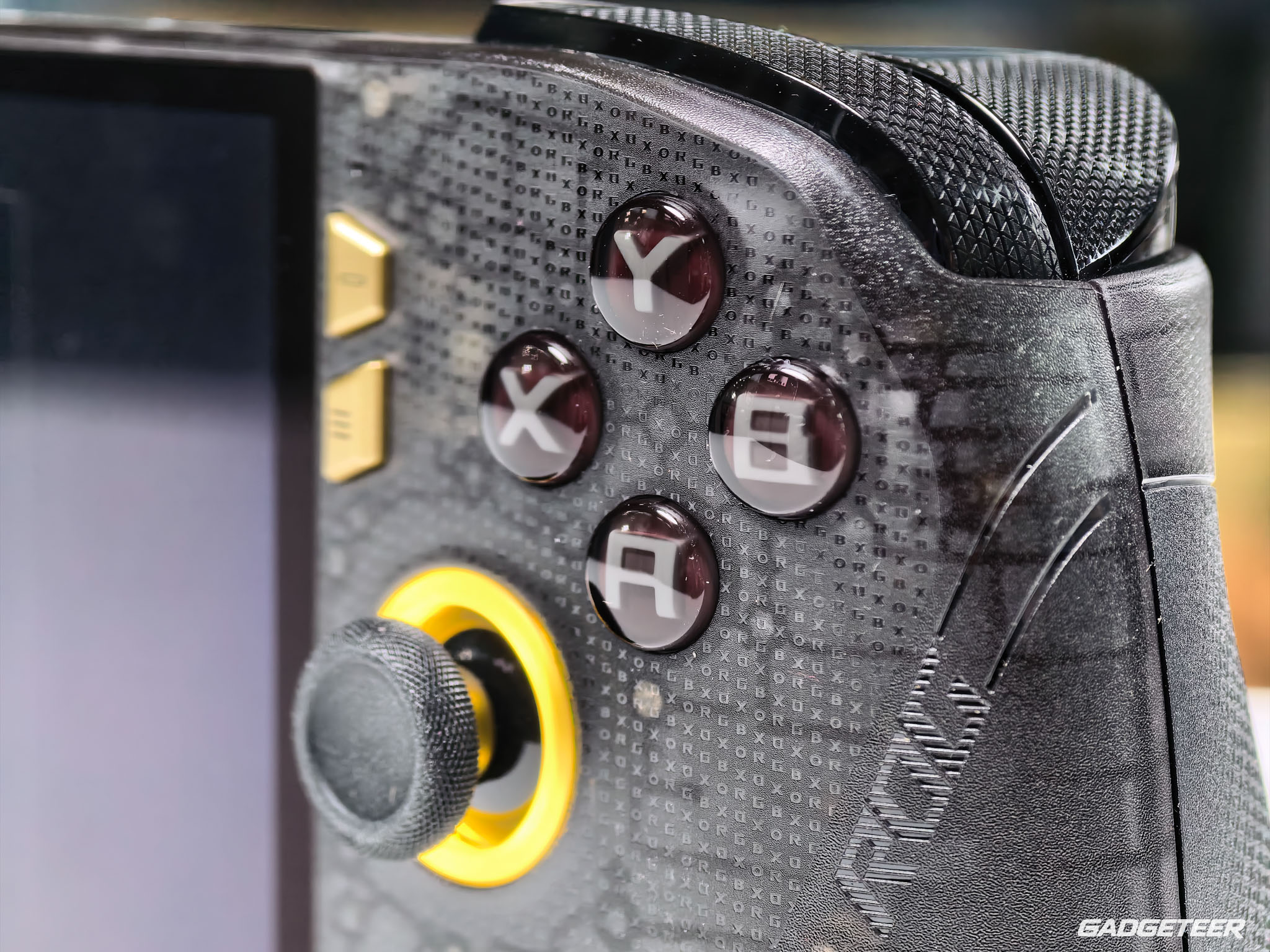
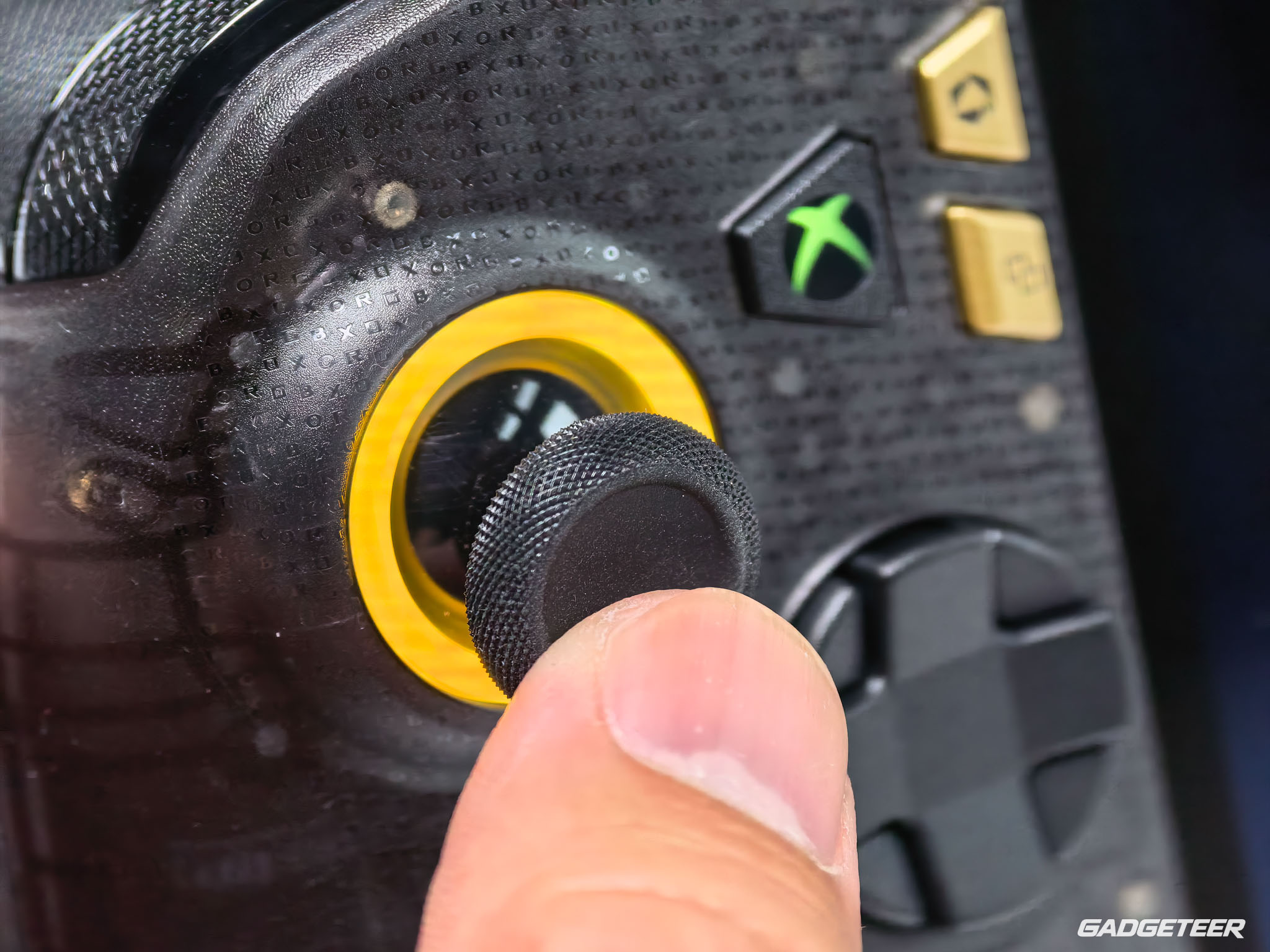
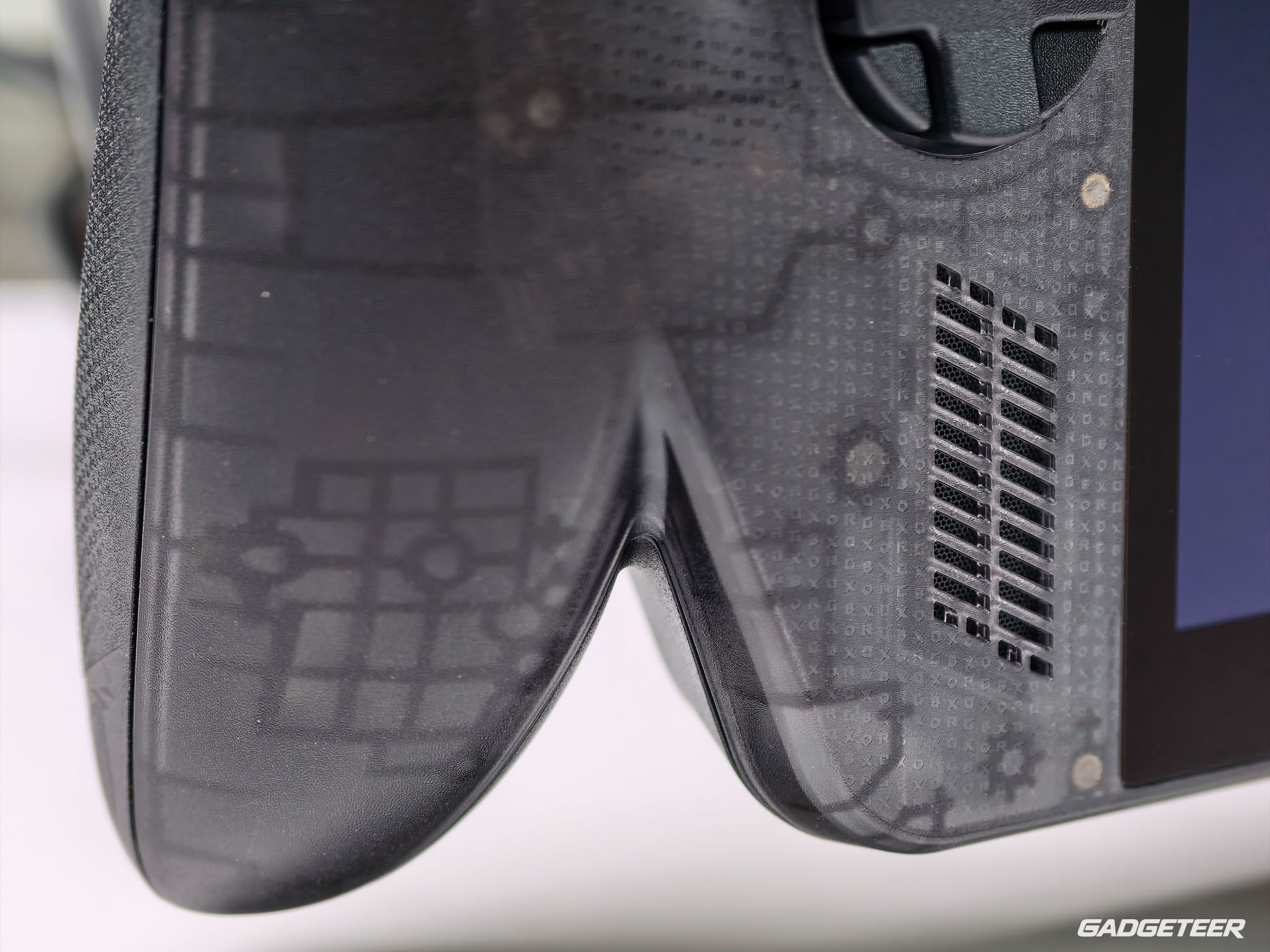
The thumbsticks use magnetic TMR sensors with a specified 3% dead zone. They’re designed to reduce the potential for stick drift, while a revised algorithm addresses four-axis snapping and diagonal input. That puts the change in the input system itself, beyond the gold lighting around each stick.
The rounded ABXY buttons are designed to sit flush with the shell when fully pressed, with lighter actuation. The shoulder controls have also been reshaped. Hall-effect sensing handles the analog trigger input, while impulse feedback adds vibration through the triggers. Those are separate functions, even though they live under the same fingers.
The two assignable rear buttons offer another place for actions that would otherwise pull a thumb off a stick. They sit beside the rear vents, within the curve of the grips. Up front, the D-pad sits between the left stick and the inner edge of the textured grip.
There’s more customization in the lighting, too. Reactive mode responds to the direction of stick movement, while Immersion mode responds to the direction of in-game sounds. The visual treatment is adjustable alongside the inputs, rather than being limited to a fixed anniversary color scheme.
Familiar core hardware, revised cooling and software
The Ryzen AI Z2 Extreme processor, 24 GB of memory, 1 TB M.2 2280 SSD and 80 Wh battery carry over from the 2025 Xbox Ally X. The revised cooling system routes air along three paths: behind the OLED panel, through the heatsink fins and directly to the processor.
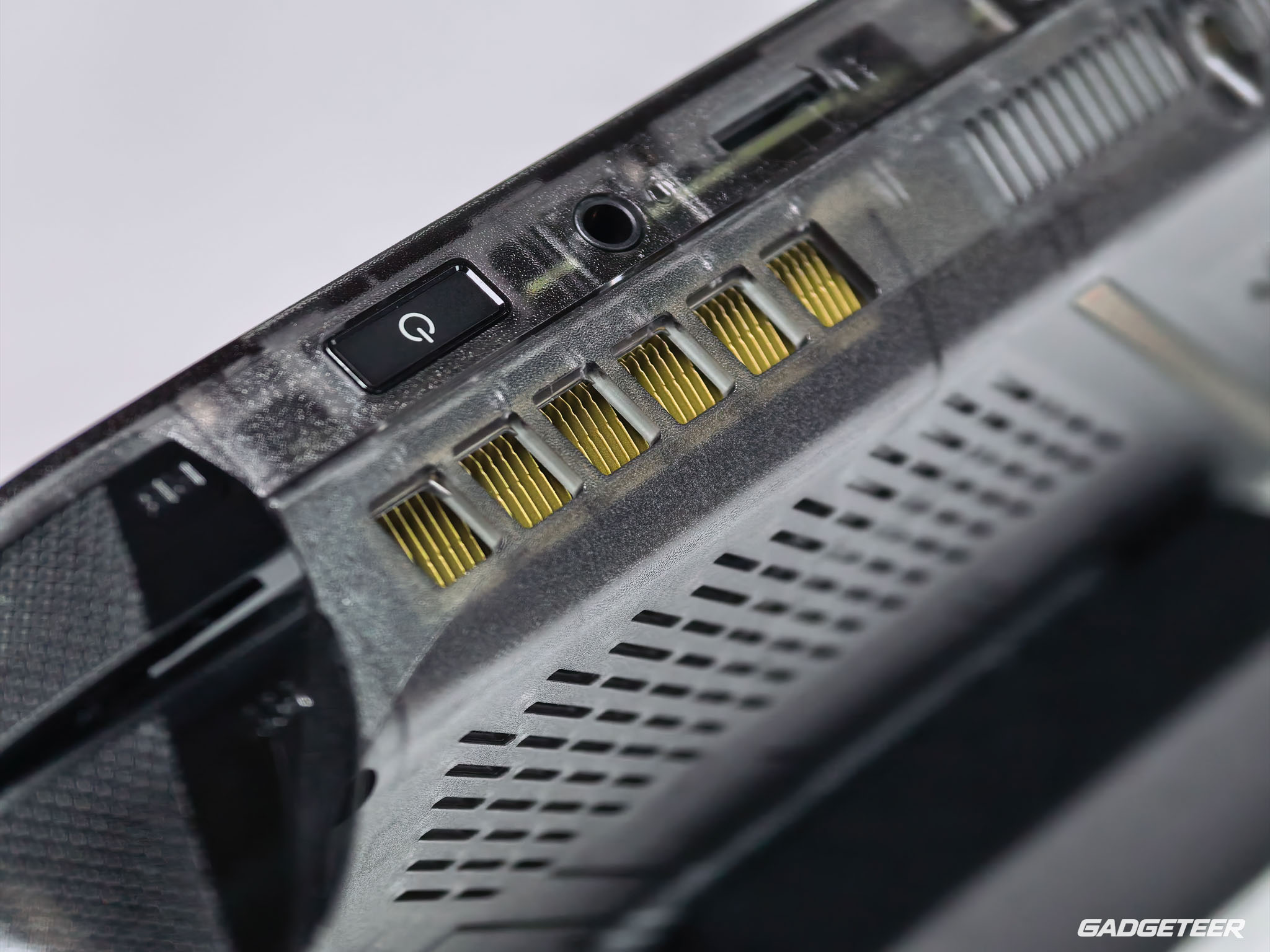
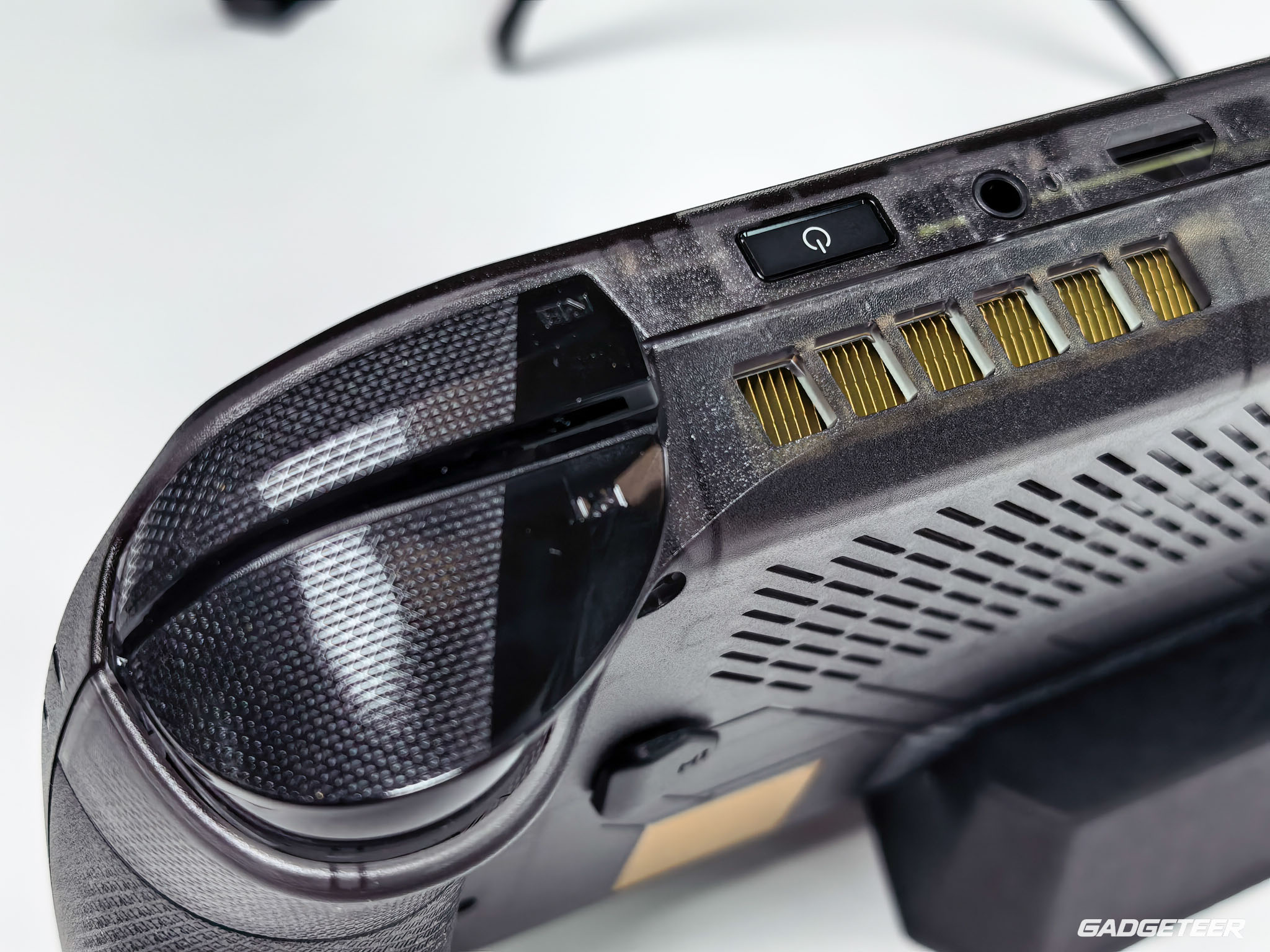
Both USB-C ports support display output and power delivery, but they have different capabilities. One is USB4 with Thunderbolt 4 compatibility; the other is USB 3.2 Gen 2. That leaves a second connection available when one port is occupied by charging, with dock and accessory compatibility determined by the port and cable in use. A 3.5 mm audio jack sits along the top as well, and the card reader moves from UHS-II on the previous model to microSD Express.
Windows 11 Home remains underneath the Xbox interface. Armoury Crate Special Edition handles handheld-specific controls and settings, with Default Game Profile 2.0 allowing manually adjusted power settings to be saved to an individual game’s profile. Command Center, Library and Action hot keys are customizable, too, so the physical shortcuts can match the functions a player uses most.
Travel Mode addresses a narrower problem: seat power on planes and trains. It limits charging power to 65 watts and can turn on with Airplane Mode or be enabled manually. That setting is intended to improve outlet compatibility; the particular seat’s power limit still controls what it can supply.
Price and first-look takeaway
The ASUS US listing puts the standalone ROG Xbox Ally X20 at $1,299.99. It showed temporarily out of stock with a notification option on October 15.
Price: $1,299.99
Where to buy: ASUS (temporarily out of stock; notification option available when checked October 15)
The black-and-gold finish gives this anniversary handheld its identity, while the OLED panel and revised controls give existing Ally owners a reason to look more closely. The processor, memory and battery capacity stay familiar. The larger display, adjustable D-pad and magnetic sticks are the hardware changes at the center of this anniversary edition.