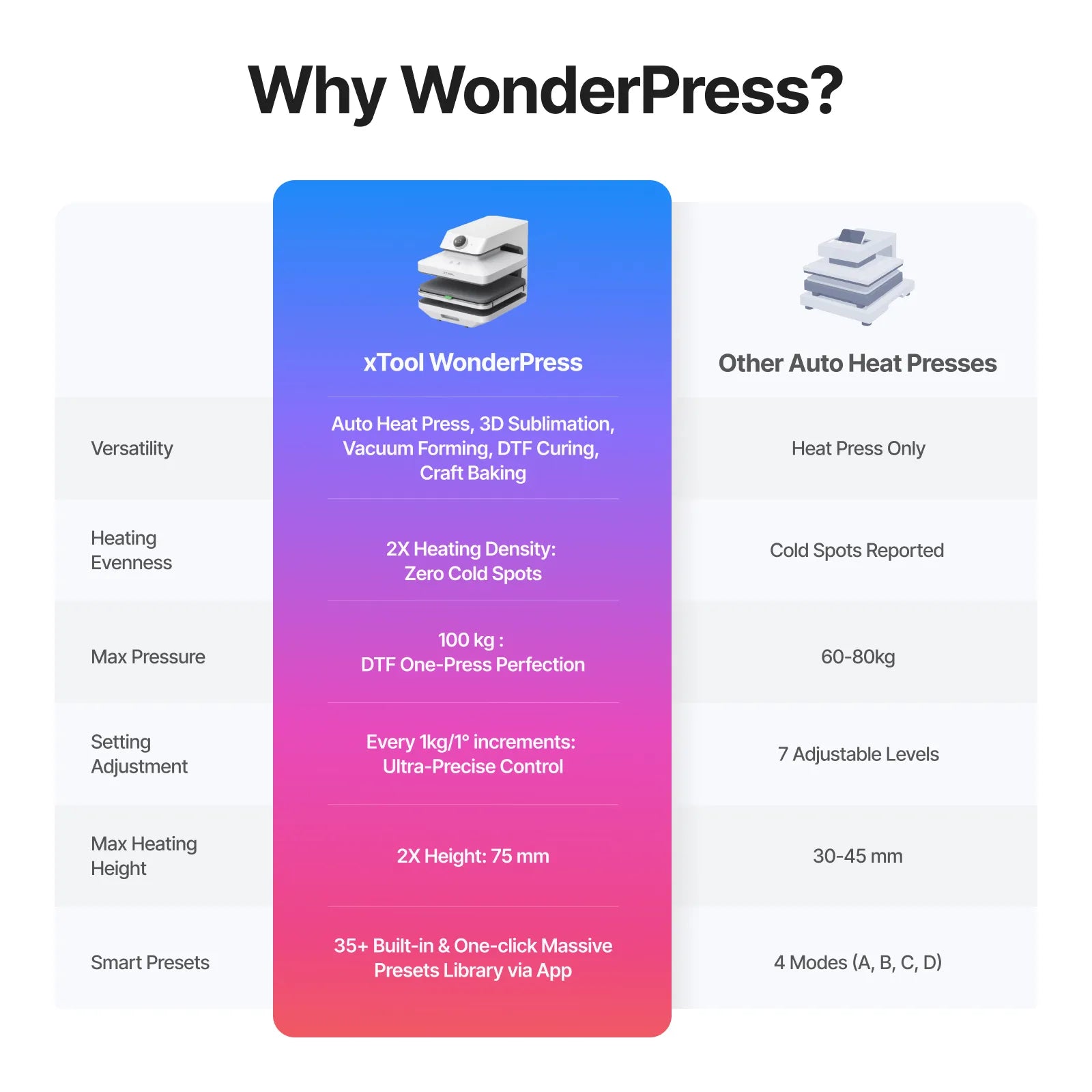
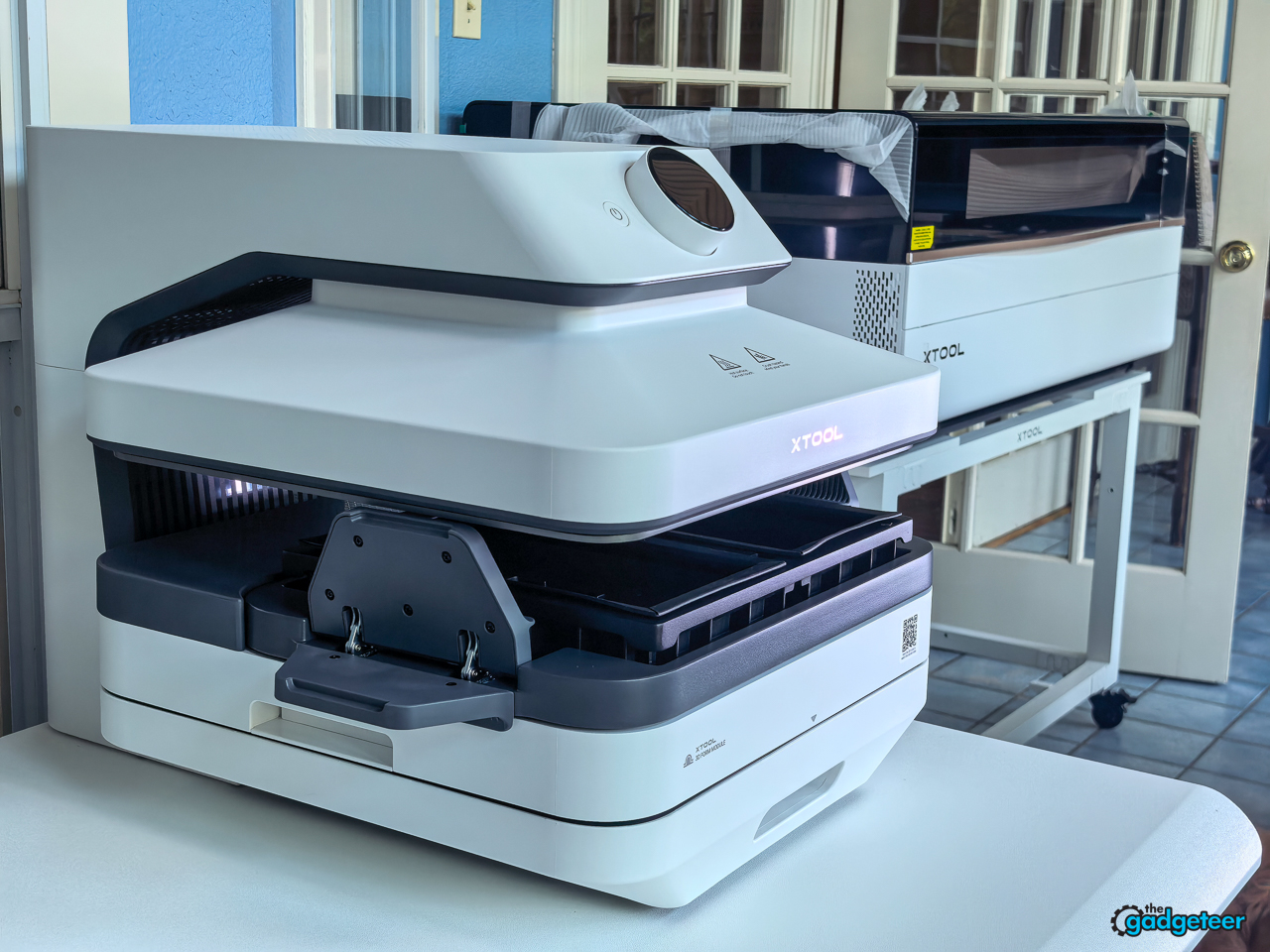
There is a point in an unboxing where the product stops being an idea and starts taking up room. The WonderPress hit that point quickly. We received the full 5-in-1 kit, so this isn’t just a look at an automatic heat press. It’s a stack of modules, accessories, packaging, and future projects waiting for a place in the workshop.
That’s the appeal for me. I can imagine using one setup for shirts and transfers, then switching to curved objects, DTF work, or craft projects. I can also imagine spending half a Saturday moving parts around and wondering where I put the attachment I need. The review will have to answer both sides of that question.
Current Pre-Order: $919 for the full 5-in-1 kit at xTool
Kickstarter Super Early Bird: from $279 (MSRP $399, 30% off)
Kickstarter Campaign: 9,251 backers pledged $5,191,321 (ended July 2026)
View the campaign: Kickstarter
What is in the box
The main unit is the Heat Press Module. The kit also includes the 3D Form Module and Craft Oven Module, along with the pieces that make those different jobs possible. That’s a lot of equipment to call one product, and the first practical test is simply figuring out how it all fits together.
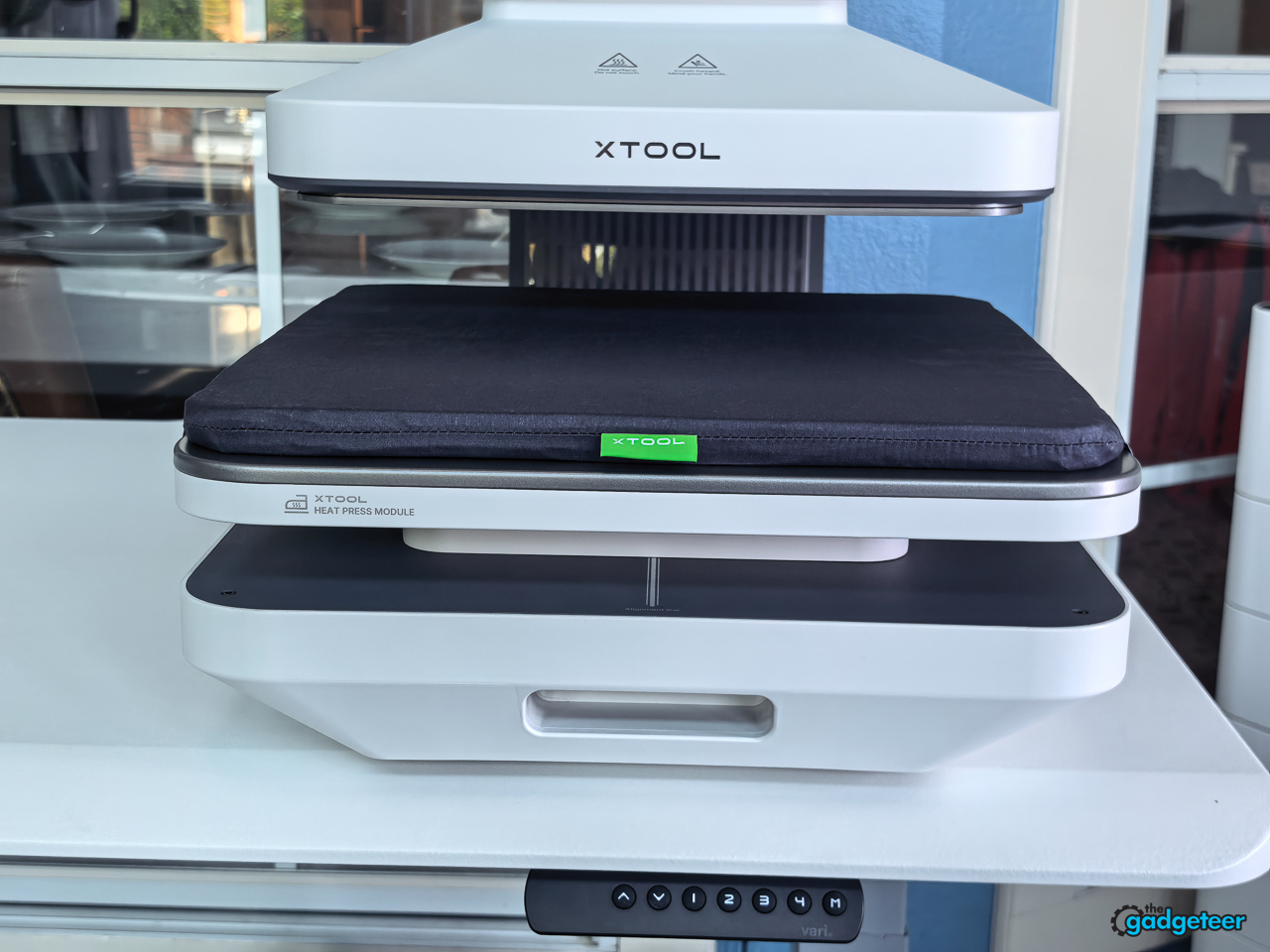
I’m documenting the packaging, the module changes, the storage problem, and the amount of clear workspace the system needs. Those details rarely make it into a product demo, but they’ll decide whether this gets used regularly or becomes an expensive project that has to be unpacked every time.
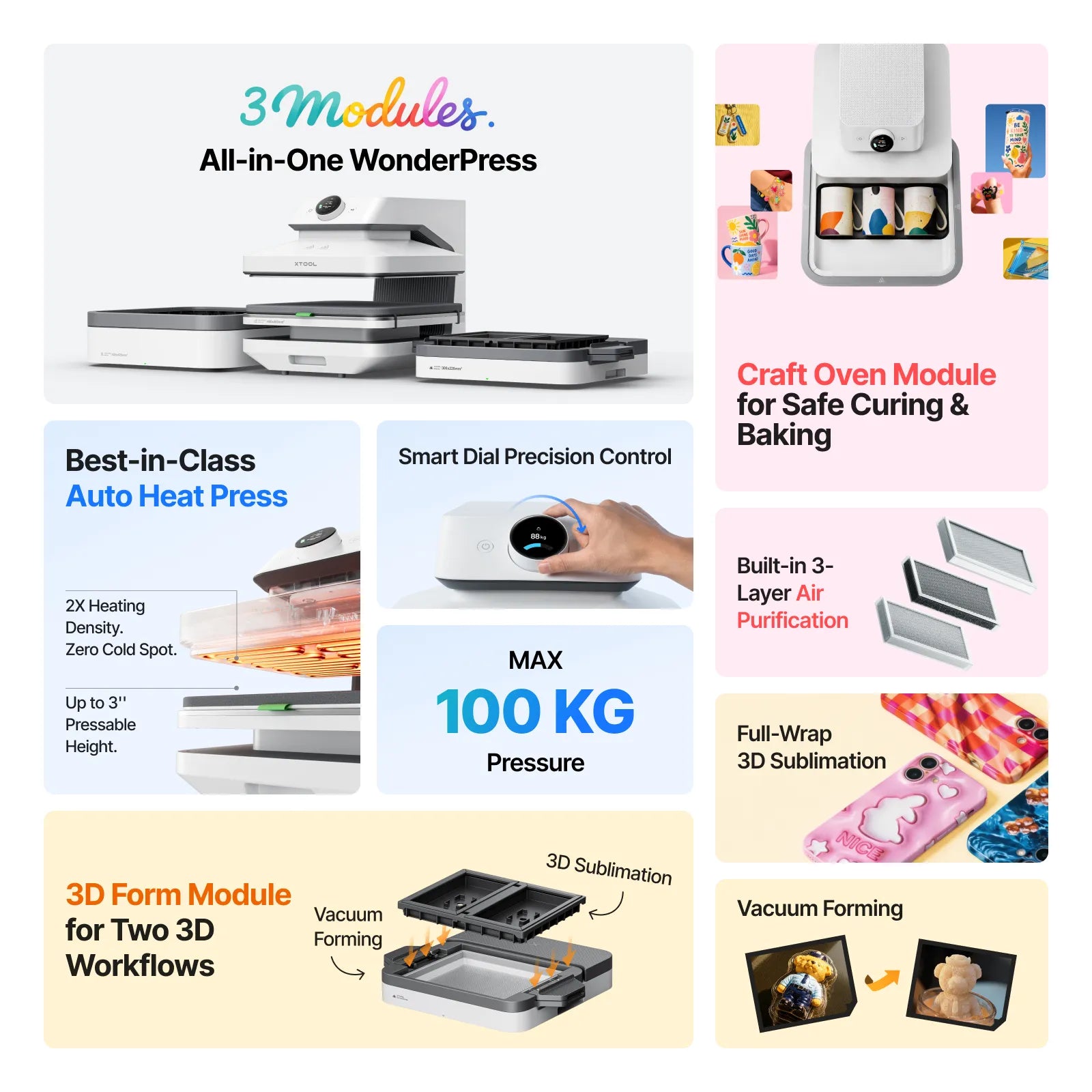
The Heat Press Module has a 15 x 15-inch platen, a temperature range of 176 to 410 degrees Fahrenheit, up to 220 pounds of pressure, and a timer that runs from 1 to 999 seconds. The 3D Form Module pulls a claimed -90 kPa vacuum. The Craft Oven Module gives you a 17 x 17-inch DTF curing area.
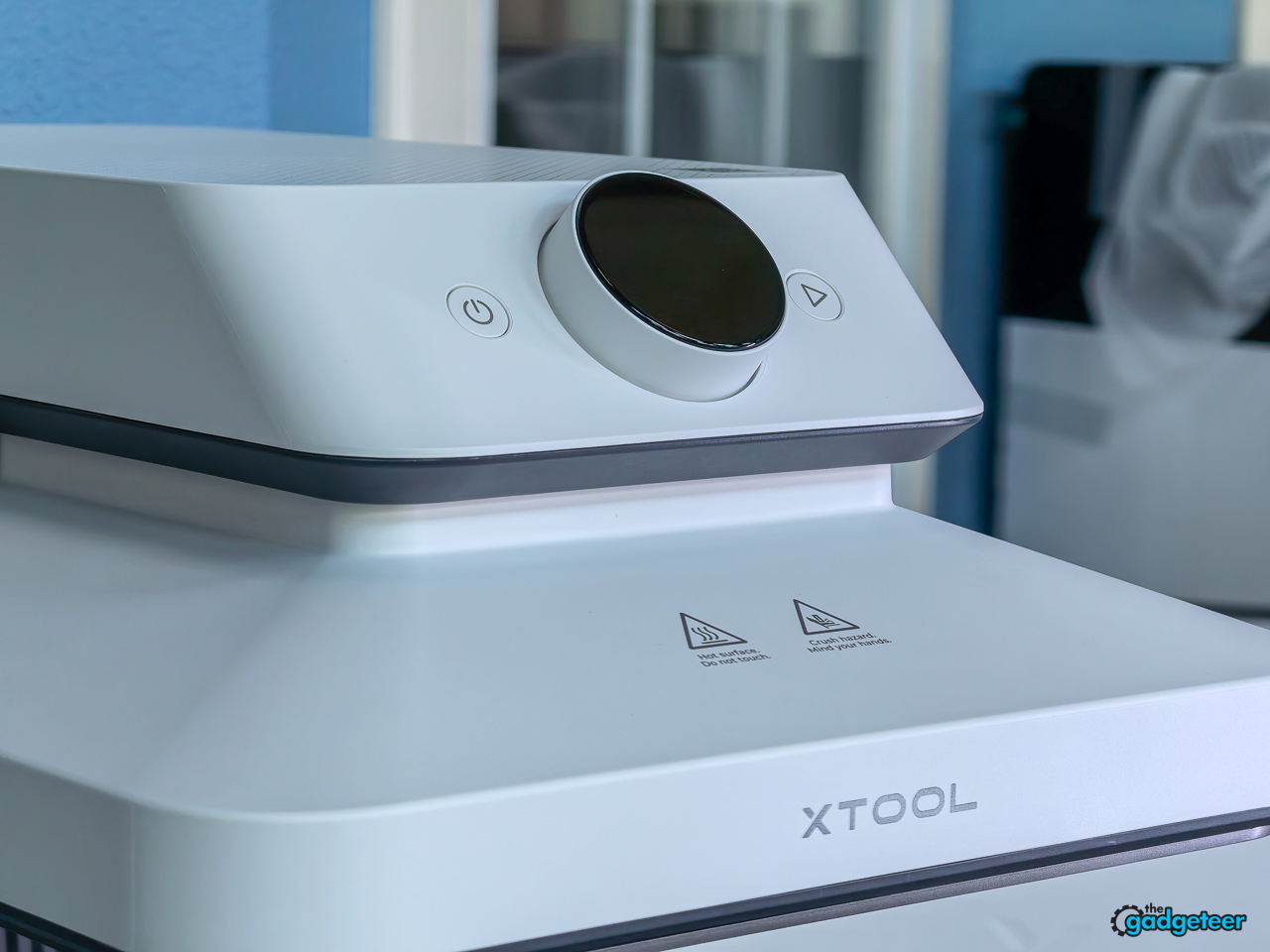
These are xTool’s numbers, not ours. The useful part comes later, when we find out how quickly a real project moves from blank material to finished object.
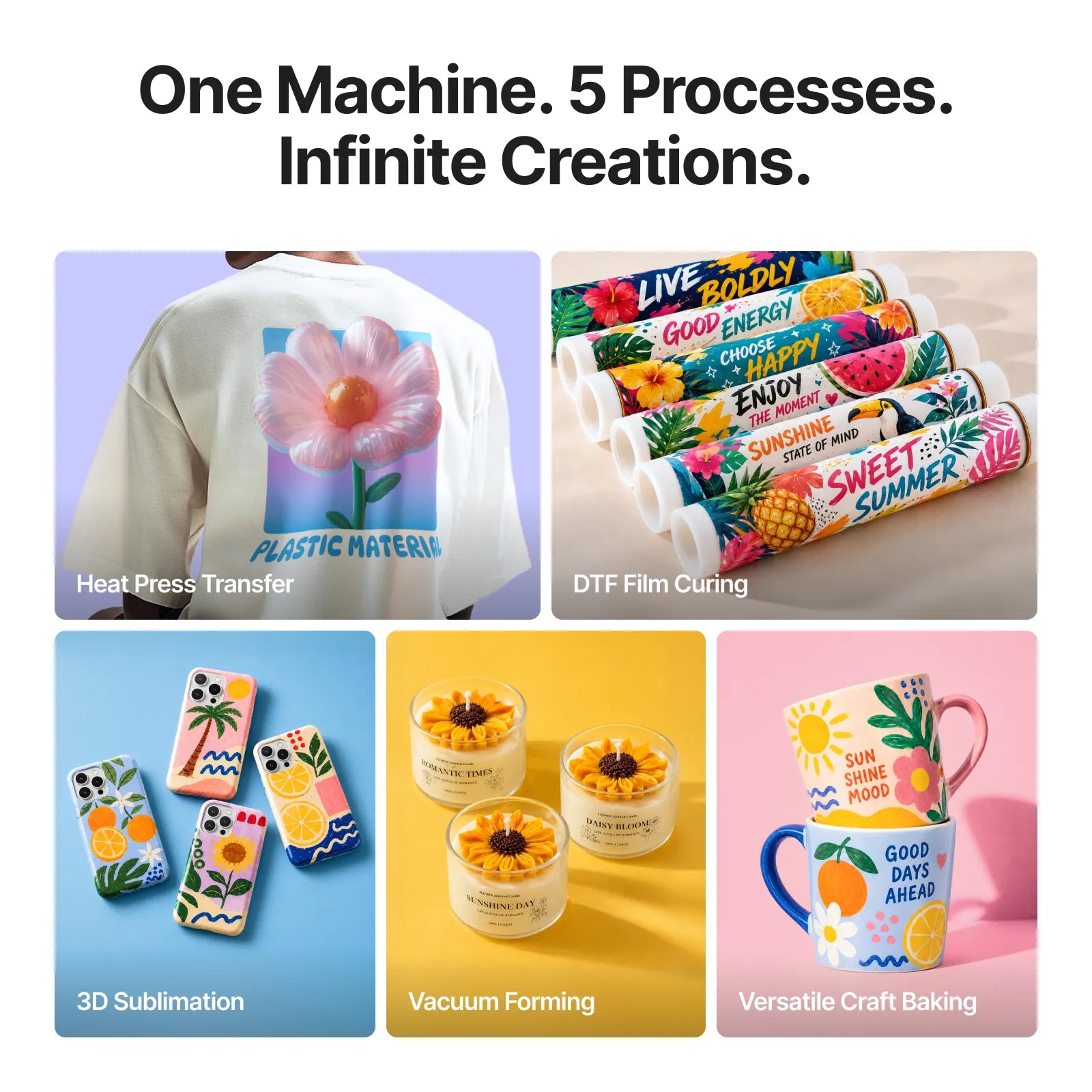
Why the five-in-one idea is interesting
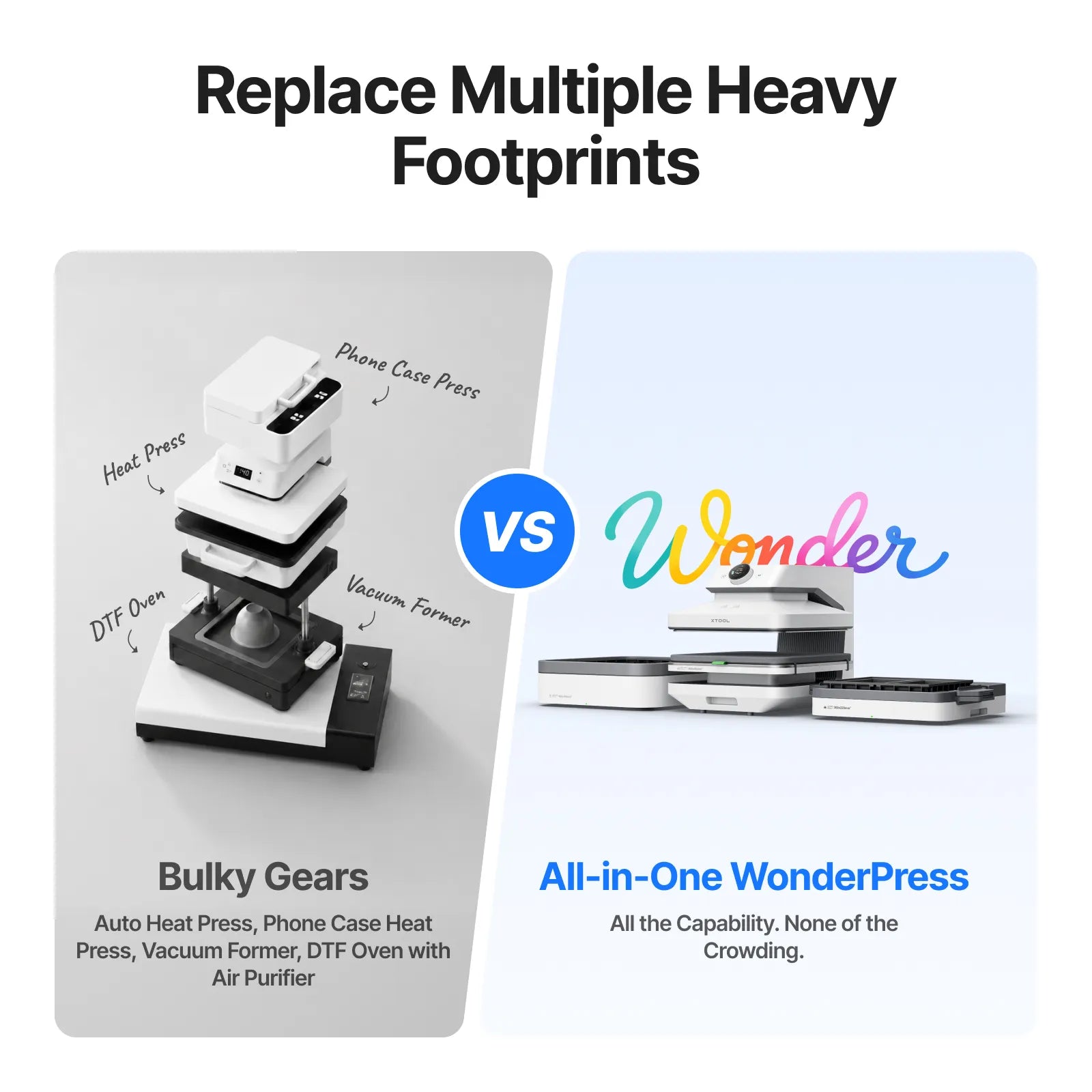
A normal heat press has one job. The WonderPress is trying to make the case for a shared platform that can handle several kinds of making without requiring a separate machine for every technique.
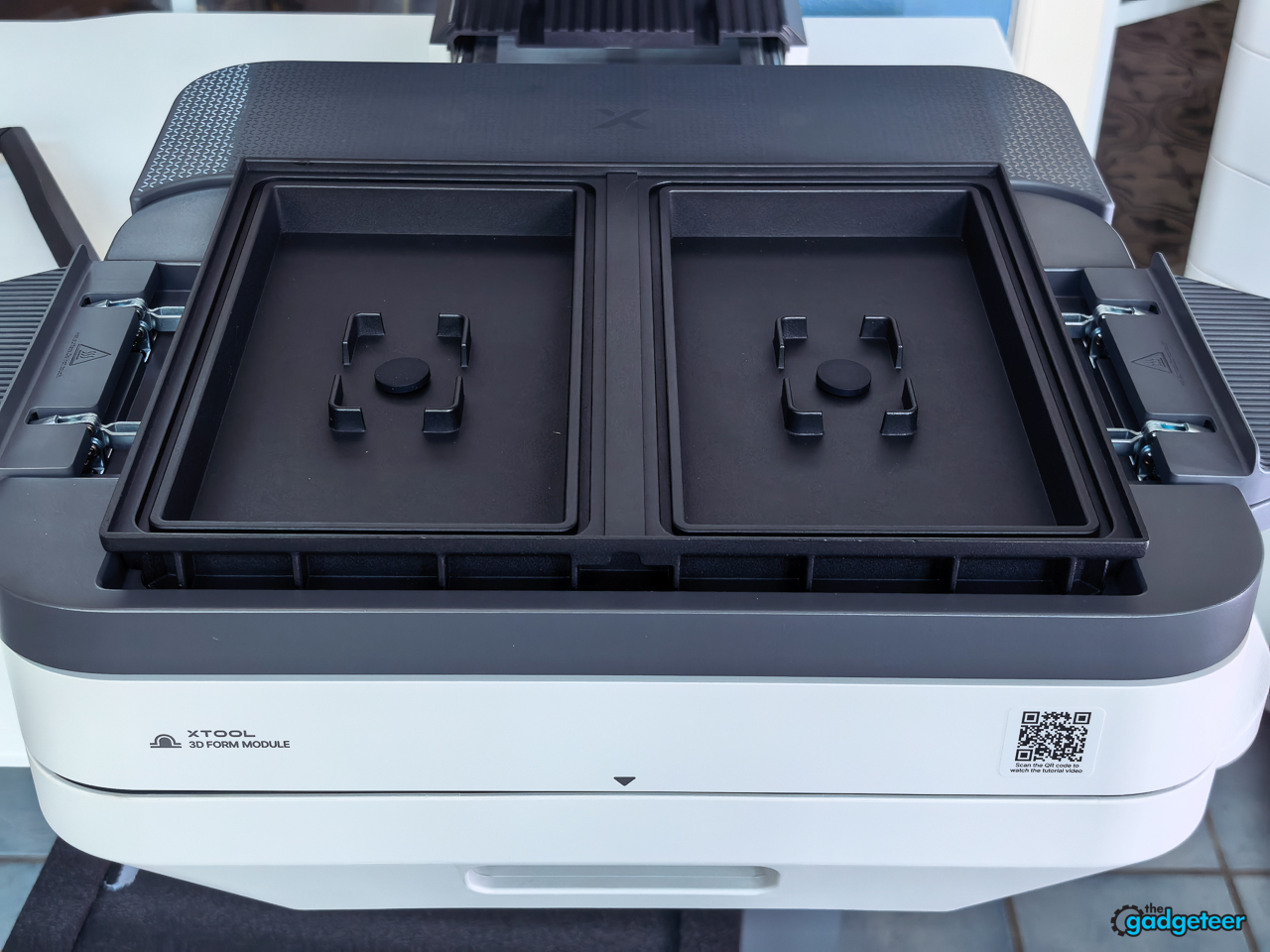
The Heat Press Module is aimed at HTV, DTF, and sublimation transfers. The 3D Form Module is for vacuum forming and 3D sublimation. The Craft Oven Module adds DTF curing and craft baking. That covers a broad slice of the projects that happen in a small studio.
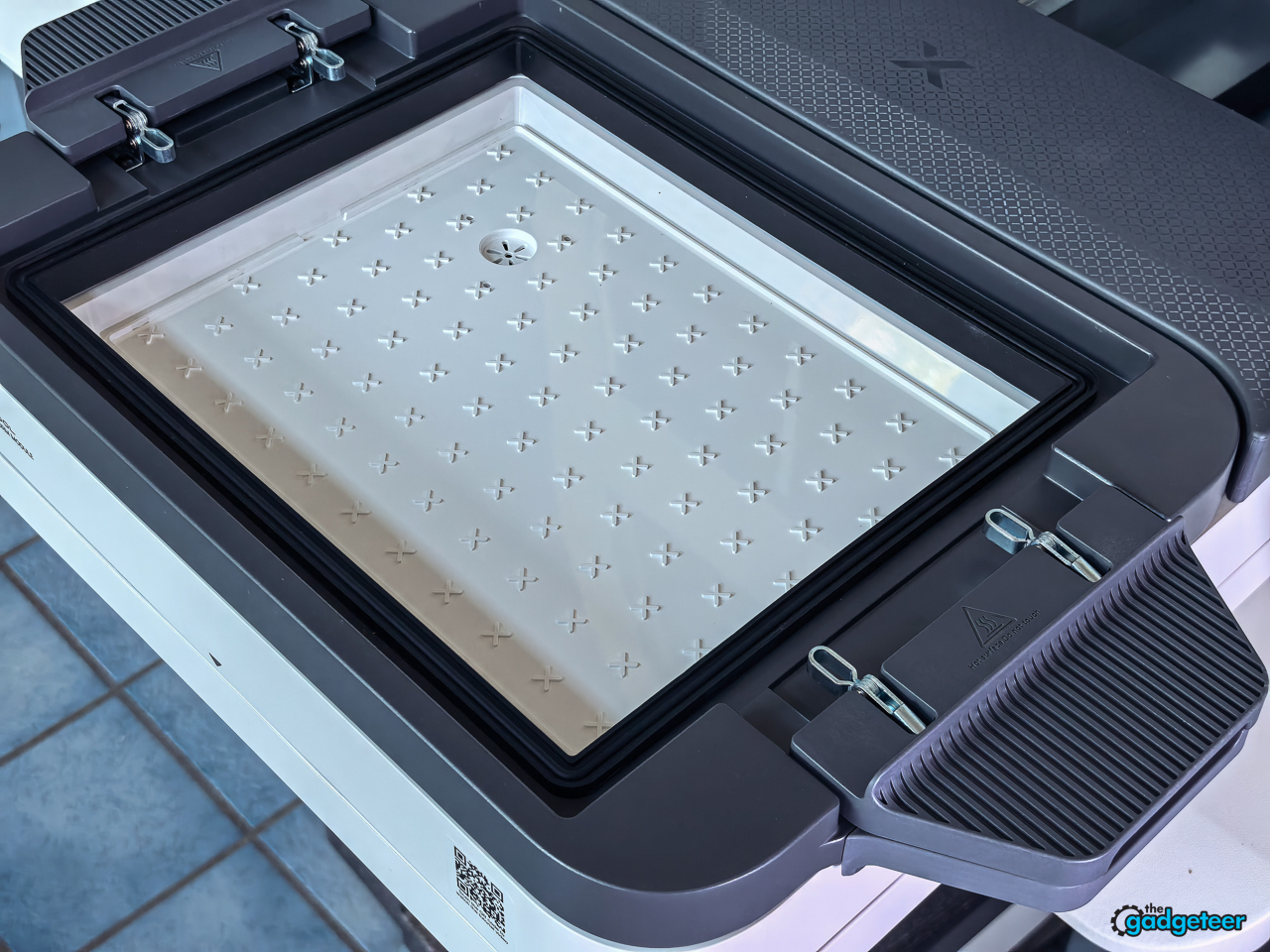
The catch is changeover. If swapping modules is simple and storage is sensible, the range could actually be useful. If every new project starts with a long setup ritual, the five-in-one pitch becomes less convincing. I’m going to spend as much time on those transitions as on the finished samples.
The projects I want to try first
I don’t want the first round to be a collection of perfect marketing samples. I want to see what happens with the kinds of projects that make a creator stop and ask whether the machine is worth keeping within reach.
That means shirts and flat transfers, but also a curved item, a small personalized object, a DTF job, and something that exposes the limits of the available workspace. I’ll be looking for uneven heat, alignment problems, difficult materials, awkward cleanup, and the little delays that add up when a project is supposed to be fun.
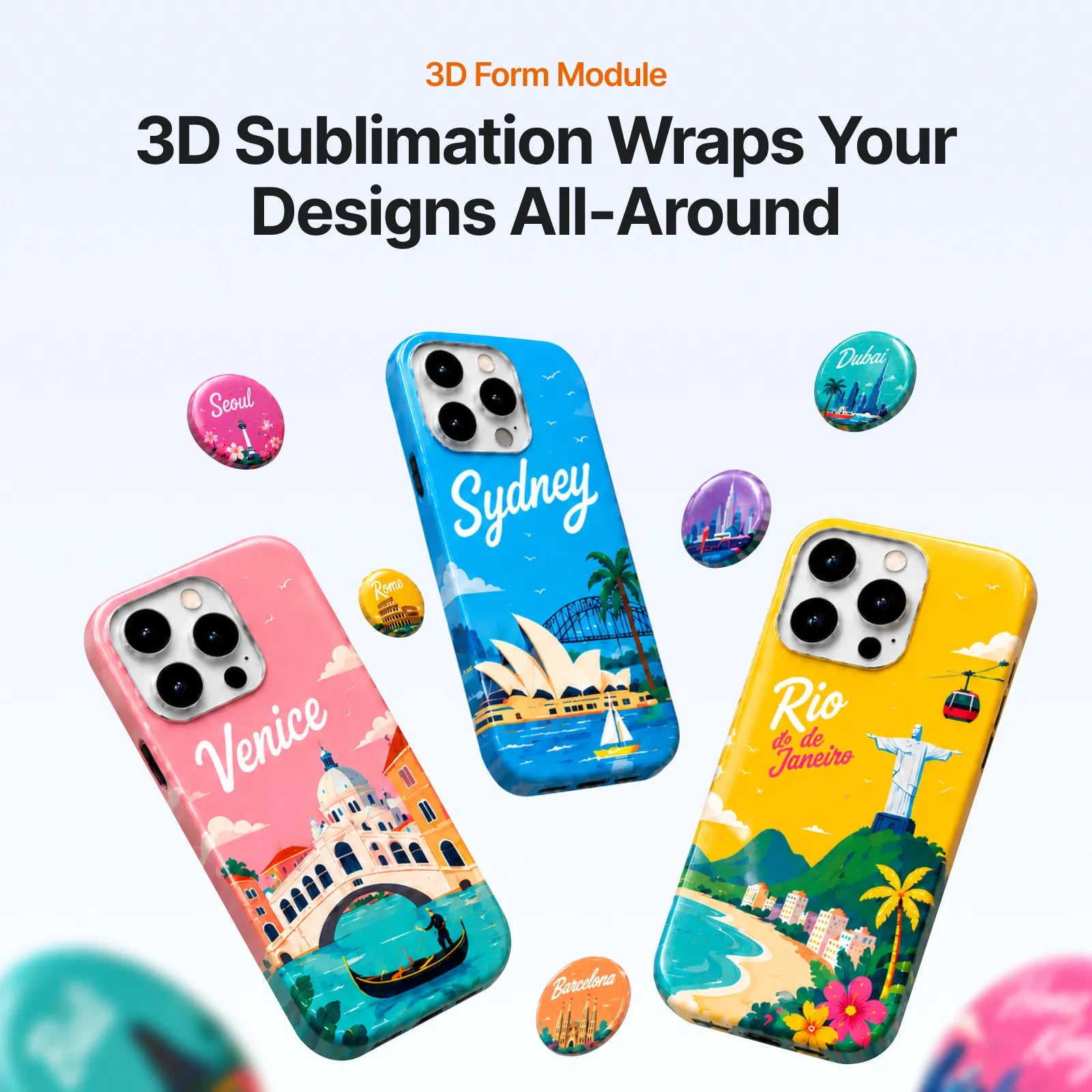
The 3D Form Module is the biggest unknown. It’s designed for vacuum forming plastic around an object and producing 3D sublimation wraps. I want to know how much preparation that takes, how forgiving the molds are, and whether the result is repeatable without a lot of trial and error.
The oven deserves its own test
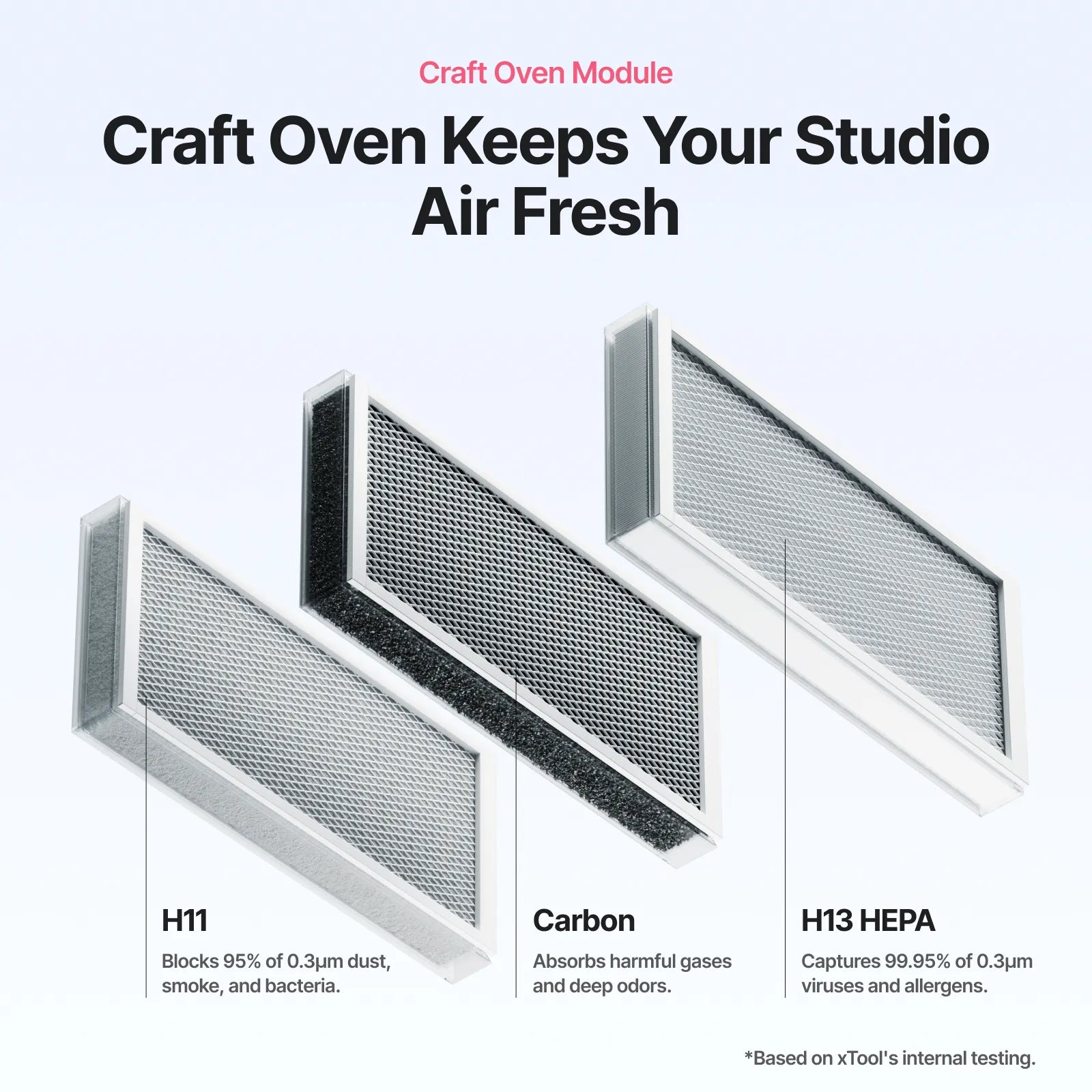
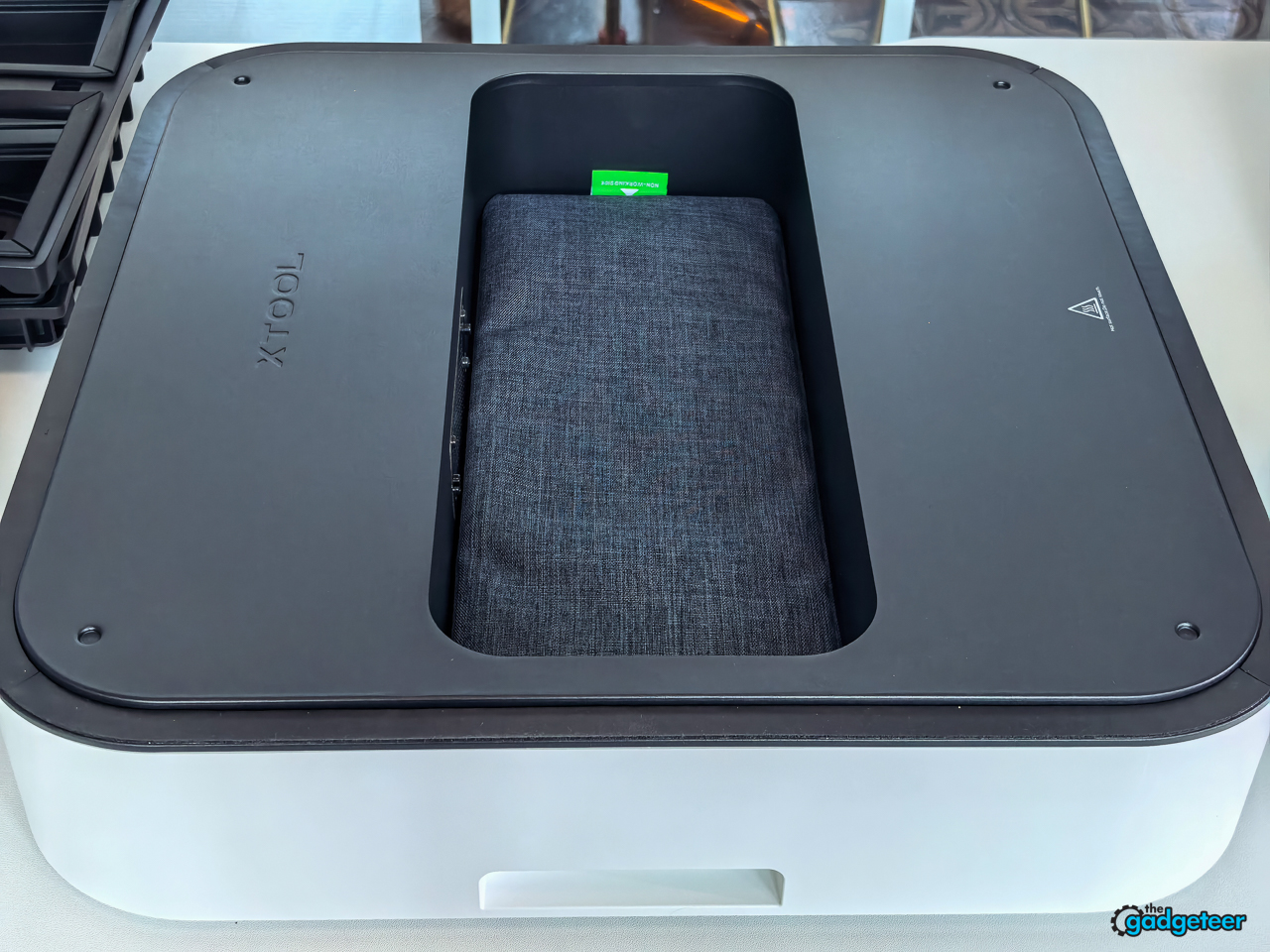
The Craft Oven Module is about heat, curing, airflow, and cleanup, not pressing. It handles DTF curing and craft baking, with a three-layer H11, carbon, and H13 HEPA filtration system.
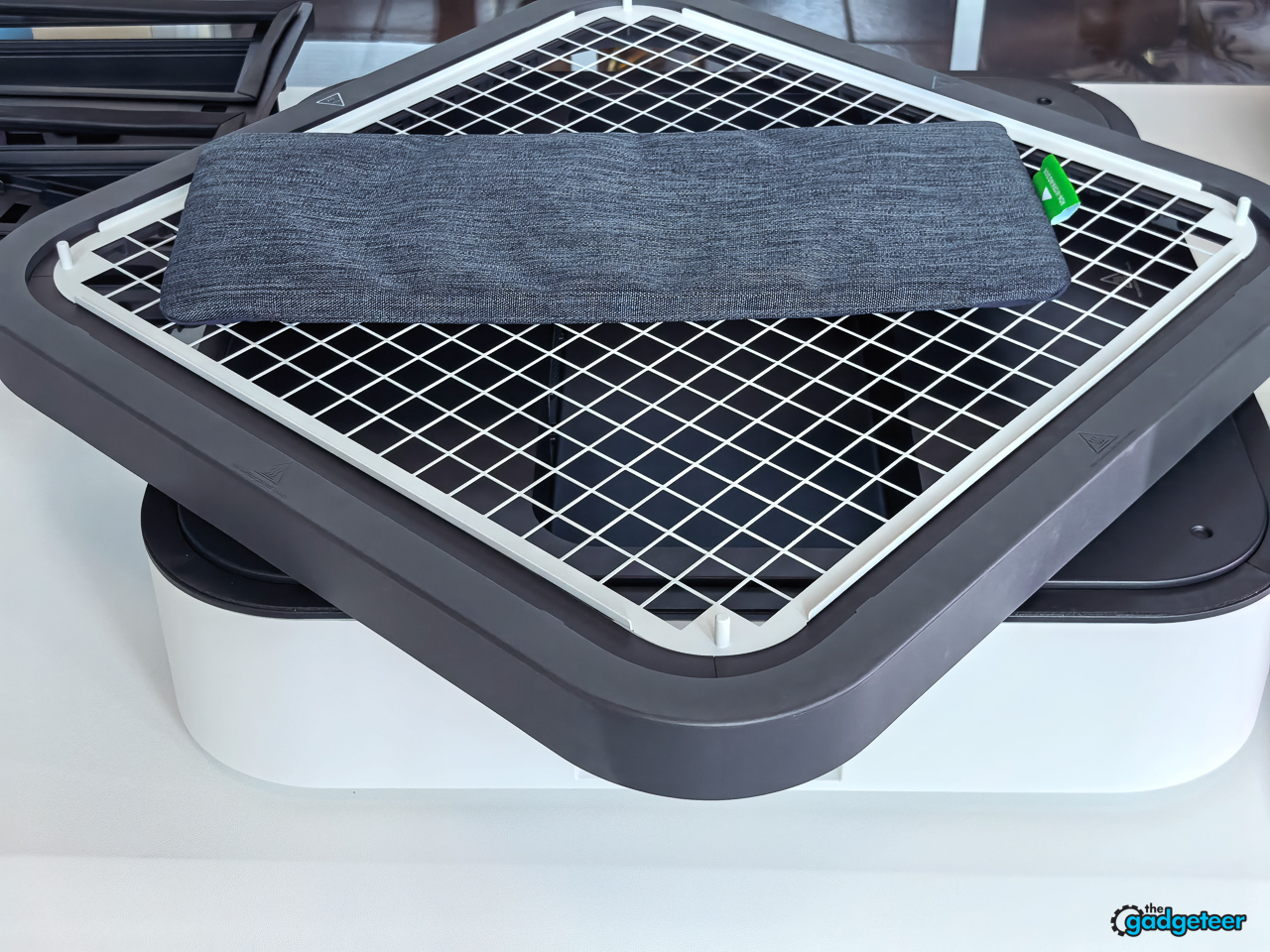
I won’t treat that as a promise that the oven is odor-free or suitable for every material. We need to see how it behaves in the room where it will actually be used. Noise, heat, filter loading, odors, ventilation, and the time it takes to clean up are all part of the ownership experience.
What I still need to learn
This is an unboxing draft, so I’m not ready to tell you whether the WonderPress is good. I can tell you why I’m interested: the full kit has enough range to support apparel work, personalization, prototyping, and odd creative experiments without filling the room with unrelated machines.
The next coverage will focus on setup and the first projects. I’ll record:
- How long assembly and the first module change take
- The actual footprint and storage requirements
- Control clarity and xTool Studio setup
- Heat consistency and transfer results
- Curved-object preparation and release
- DTF curing, heat, airflow, odors, and cleanup
- Noise, power use, and recovery when a project goes wrong
- What is included in this specific kit, and what is optional
The current US product listing shows a price of $919 and a pre-order shipping estimate from September. Both details need to be checked again before publication. I’ll also verify the received configuration, warranty, and replacement or consumable costs instead of trusting a product image to match what’s in the box.
Current Pre-Order: $919 for the full 5-in-1 kit at xTool
Kickstarter Super Early Bird: from $279 (MSRP $399, 30% off)
Kickstarter Campaign: 9,251 backers pledged $5,191,321 (ended July 2026)
View the campaign: Kickstarter